 Chen Liu
Let me be blunt. Shenzhen is safe. Safer than most cities I've ever visited. But safe doesn't mean careless. I live here. I've walked its streets late at night, and I've brought dozens of solo female travelers around. Here's my honest answer: yes, Shenzhen is safe for solo female travelers—with a few common-sense caveats.
But what do you really need to know to stay safe and enjoy your trip? It's not just about crime stats. It's about how you pay for things, how you get around, and how you communicate. In this guide, I'll walk you through the real story, not the tourist brochure version.
Here's my bottom line: you'll be fine if you stick to the main districts, use ride-hailing after dark, and keep your phone charged. No, you don't need pepper spray. But there are a few subtle things that trip up first-time visitors. Let's dig in.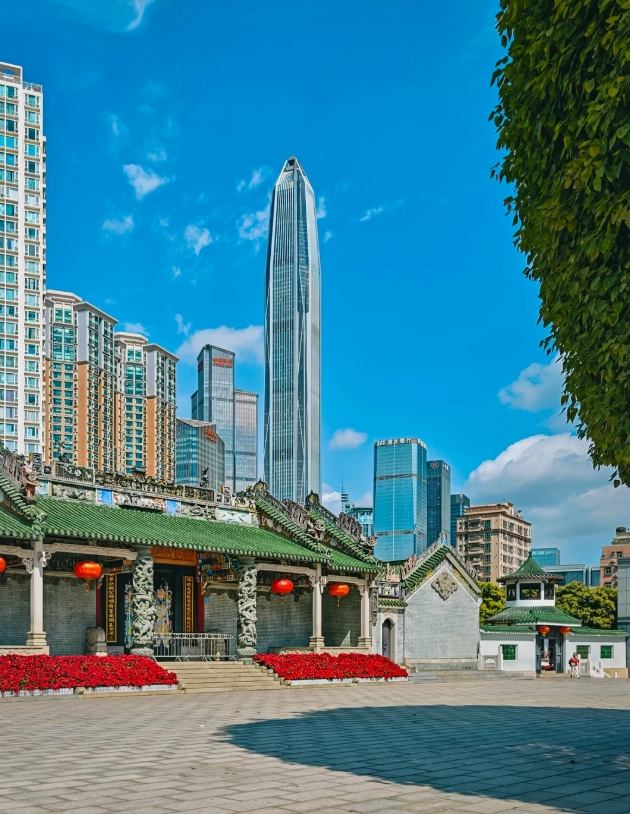
The Short Answer: How Safe Is Shenzhen for Solo Women?
Based on my years guiding travelers here, Shenzhen is one of the safest big cities in China for solo female travelers. Violent crime is extremely rare. The city has a massive police presence, especially in tourist areas, and surveillance cameras are everywhere. But "safe" doesn't mean "no need to be smart".
I always tell my clients that the biggest risks aren't attacks—they're losing your phone, getting scammed by an overpriced taxi, or getting stuck without Wi‑Fi. Those are the things that will actually ruin your day.
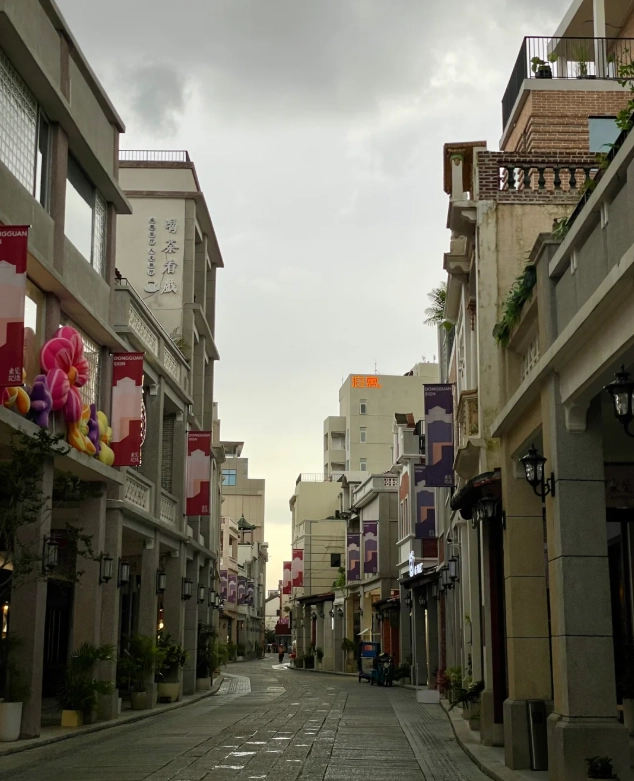
For example, I once had a traveler who wandered into a back alley near Dongmen at night and got followed by a persistent street vendor. Not dangerous, but uneasy. She was fine after she stepped into a busy shop. The lesson: stick to well-lit, busy streets after dark.
What Makes Shenzhen Safer Than Most Cities?
Here's what I've noticed after living here for years:
- Strict policing and a zero‑tolerance culture. Police stations are easy to find, and officers are visible on foot patrol. In busy malls, you'll see security guards at every entrance.
- Smartphone‑based everything. Payments, maps, and ride‑hailing all leave a digital trail, which discourages crime. Officials can trace activity easily.
- Residents are generally honest. Lost items are often returned—I can't count the times my friends got their phones back from a taxi driver.
- Well‑lit streets and 24‑hour convenience stores. You're never far from a safe, bright place to duck into.
But don't be complacent. Petty theft exists, especially in crowded spots like Dongmen or during festivals. And there are scams targeting tourists, though they're more like overcharging than violence.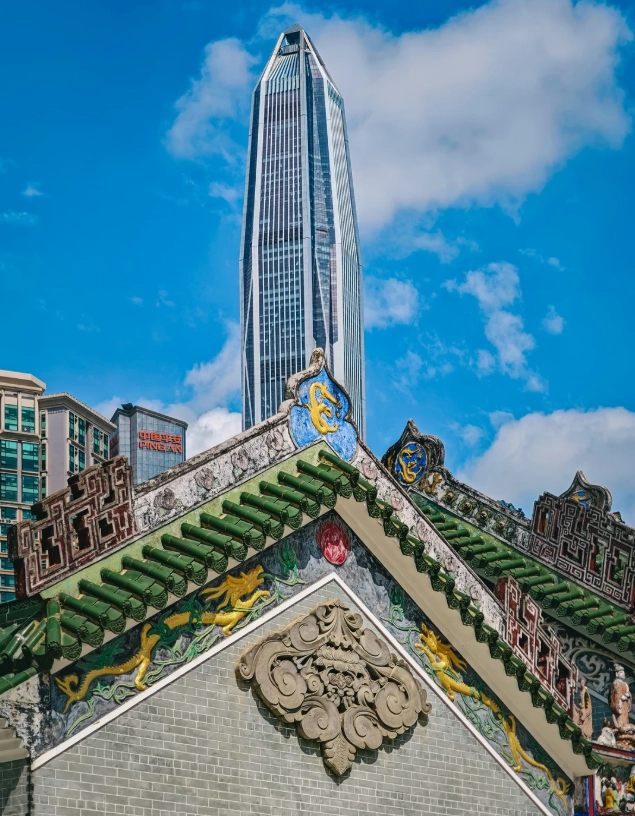
What Are the Most Common Scams?
The most common scams involve unofficial taxis and fake “tea houses.” At the airport or train station, someone might approach you and offer a ride at a “fixed price” that's triple the meter rate. Or you might be invited to a traditional tea ceremony that ends with an absurd bill. Always insist on the meter or use ride‑hailing apps, and never follow someone offering "special deals" on the street.
Real Concerns: Pickpocketing, Scams, and Late Nights
Let's be candid about what a solo female traveler might actually face.
Pickpocketing at Tourist Hotties
Dongmen Pedestrian Street is the #1 pickpocket spot in Shenzhen. It's a packed market with narrow stalls—perfect for distracted thieves. I've seen it happen. Keep your backpack in front, don't carry open totes, and avoid reaching into your purse while walking. Other crowded areas: Huaqiangbei electronics market, and metro stations during rush hour.
The Not‑So‑Obvious Scam: Metro Card Kiosks
When you tap your phone on metro gates, be careful. Sometimes a stranger will crowd you and try to scan your phone with their payment code. I've seen this attempted with transit cards. Always keep your phone in your front pocket until you're through the gate.
Late‑Night Safety on the Streets
Shenzhen is generally safe after dark, but the emptier the street, the more cautious you should be. In the main areas like Futian, Nanshan, and Luohu, you'll find plenty of people out until late. But if you're walking through a quiet residential zone or an urban village (城中村), keep your head up and walk with purpose. Better yet, take a ride‑hailing car for any trip longer than a few blocks after 10:00 pm.
How to Stay Safe When You Arrive (Airport to Hotel)
Your first hours in Shenzhen can be a little chaotic. Here's a step‑by‑step plan that I give every solo traveler I work with.
- Take the metro from Bao'an International Airport. Line 11 connects directly to Futian and the city center. It's cheap, fast, and there's no chance of getting overcharged. Follow the purple signs for Metro.
- If you're hauling heavy luggage, use the official taxi queue. Ignore anyone who approaches you inside the terminal offering a ride. Official taxis are in the designated lane outside. Ask the driver to turn on the meter—most will do it automatically.
- Have the address of your hotel written in Chinese. Show it to the driver or paste it into a ride‑hailing app. I recommend using DiDi (or the AMap app) and connecting your international card—it gives you fixed pricing and a driver rating.
- Settle in, don't explore immediately. Jet lag makes you vulnerable. Stay in a well‑known hotel in Futian or Nanshan that has 24‑hour reception and English speaking staff, like the Shenzhen Marriott or the Novotel.
Safe and Unsafe Areas: Where to Walk and Where to Be Cautious
Not all Shenzhen neighborhoods are created equal, but the city is consistently safe. Still, knowing which area you're in helps you adjust your guard.
| District | Safety Level | Notes |
|---|---|---|
| Futian (福田区) | Very Safe | CBD area, lots of police, expat-friendly. Great for solo stays. |
| Nanshan (南山区) | Very Safe | Tech hub, Sea World area is lively and safe at night. |
| Luohu (罗湖区) | Safe | Border crossing area, busy with markets. Watch your pockets in Dongmen. |
| Bao'an (宝安区) | Fairly Safe | Largest district by size. Stick to main roads; some remote spots are quieter. |
| Longgang (龙岗区) | Safe | More local, less touristy. Good food, but use same caution as elsewhere. |
| Urban Villages (城中村) | Exercise Caution | Narrow alleys, but not dangerous. Avoid unlit shortcuts after midnight. |
If you're unsure, ask your hotel for a safe walking route. I do this even when exploring a new area myself.
Solo Female Transportation Tips (Metro, Taxi, Ride-Hailing)
Getting around Shenzhen is a breeze, but each mode has its own safety quirks.
Metro: Safe and Efficient
The Shenzhen Metro is one of the cleanest and safest in the world. Trains run from 6:00 am to about 11:30 pm. During rush hour, trains get packed, so keep your bag zipped and hold your phone tightly. Use the passenger assistance button if someone makes you uncomfortable—it's connected to station staff.
Taxi: Use Official Only
Official taxis are red, green, or blue. They must use the meter. If the driver refuses, ask to stop immediately. At night, I prefer using DiDi because the fare is pre‑paid and DRIVER is tracked. You can also share your trip status with a friend—a great safety net.
Ride‑Hailing Apps: Your Best Friend
DiDi is the most popular, like Uber. It works well in English and accepts international cards (if yours doesn't work, add it via the app; you might need a Chinese number for verification). Alternatively, Meituan Dache or AMap. Always check the license plate before getting in, and confirm the driver's name matches the app.
Nighttime Safety Rules That I Use Myself
I have walked from the office to my apartment at 11:00 pm in Nanshan many times without incident. But I still follow these rules—and so should you.
- Stick to main roads. Avoid shortcuts through dark parks or construction sites.
- Carry a power bank. A dead phone is the #1 problem I see with travelers. Charging spots are everywhere, but a charged phone is your lifeline.
- Wear headphones only in one ear. Keep the other ear clear so you hear surroundings.
- Know the name and address of your hotel in Chinese. You can say it or show it to a taxi driver.
- Use the "night" setting on ride‑hailing apps. DiDi offers a night service with female drivers—it's a real option in some cities. Check if it's available.
- Don't walk while staring at your phone. While rare, phone snatching can happen on bicycles, especially near metro exits.
Emergency Numbers and Local Resources
In case something goes wrong, save these numbers in your phone:
| Service | Number | Notes |
|---|---|---|
| Police | 110 | Operators usually speak some English in our experience, but you might be transferred. |
| Fire | 119 | — |
| Ambulance | 120 | — |
| Consular Protection Hotline | 12308 | Government hotline for foreign travelers; they can connect you to embassy assistance. |
Also, install the app “Safe China” if it's available in your app store—it has an English interface and helps you locate nearby police stations and hospitals.
Quick Safety Checklist for Your Day Out
Before heading out each morning, I ask my clients to run through this list. It takes 30 seconds.
- Phone fully charged, power bank in your daypack.
- Cash (about 200 CNY) in small notes—some vendors don't accept cards or mobile payment.
- Hotel name and address in Chinese, plus a business card if the hotel provides one.
- One credit card in a separate pocket, not your main wallet.
- A copy of your passport's first page (not the actual passport) unless you plan to exchange money.
- Downloaded offline map (Apple Maps lets you download zones) and translation app (Baidu Translate works offline).
- Water bottle and a snack—staying hydrated keeps you sharp.
That's it. Now you're ready to explore, worry‑free.
Safe Solo Activities: What I Recommend and What to Miss
Shenzhen is full of things to do alone. I've done most of them myself, often without company. Here, I'll share my go‑to spots and the ones I skip.
Must‑Visit: Shenzhen Bay Park
This 15‑km coastal path is my top pick for a soul‑filling solo walk. It's clean, crowded with locals at sunrise and sunset, and patrolled by police bikes. The views of Hong Kong across the bay are stunning. Entry is free. Start at the Shenzhen Bay Metropolis or the Coastal Park. Bring water; vendors are scarce once you're on the trail.
Skip: Dongmen Pedestrian Street
Unless you love crowded markets, I'd skip or rush through this one. It's a pickpocket haven and the merchandise is cheap thrills, not quality. If you go, keep your backpack on your front, and leave after an hour.
Book in Advance: Major Attractions
Splendid China, Window of the World, and other big parks require a real‑name ticket reservation with your passport. Don't try the Chinese mini‑programs—they're a headache. Use Trip.com or Klook; both support English, take international cards, and send your tickets to email. You'll need your passport at the gate.
Free and Special: OCT Loft
This arts district is a solo traveler's dream. It's safe, full of cafés, art galleries, and Instagram‑worthy walls. It gets busy on weekends, so go on a weekday afternoon. The nearest metro is Qiaocheng East, Exit A.
One caveat: these places close early—many at 10:00 pm. Plan your evenings around mall dining or hotel bars, both of which are exceptionally safe.
FAQ: Solo Female Travel to Shenzhen – Top 5 Questions
Verified and fact-checked by the editorial team.







This isn’t a clickbait safety post. It’s specific, calm, and actually useful. The author names places I hadn’t seen in other guides — the quiet Shenzhen streets that are fine during the day but best avoided late, the OCT Loft corners that feel safe, and the exact SIM card setup so you’re not relying on airport wifi. I also loved the small reminder to keep spare cash in your pocket because some shops won’t take foreign cards. After reading it, I felt like I could handle Shenzhen alone without overthinking everything. Highly recommend.
I’ve been to Shenzhen for work trips before, but never alone, and this guide gave me a completely different perspective. It talks about the little things nobody mentions: the long underpasses where you should keep your headphones off, the way store staff treat solo diners, and what to do if a taxi driver can’t find your hotel at midnight. I loved the honest note about older parts of Luohu and how to stay low-key while still exploring. It genuinely reads like a friend telling you what to know. 10/10 for me.
This guide honestly calmed my nerves before landing in Shenzhen. As someone who gets anxious in new cities, I loved the exact metro exits and the 'walk with purpose' advice. The WeChat Pay setup walk-through was a lifesaver — I would have been completely lost without it. I even followed the food tips in Coco Park and ended up having the best hotpot night of my life. The tone feels real, not preachy. Highly recommend if you're a woman traveling solo for the first time in China.
Solid guide overall. I appreciated the clear breakdown of airport transport and the reminder about tipping being unnecessary. The safety tips were common-sense but useful, especially the bit about keeping your phone charged and using Didi from the hotel lobby. My only complaint is that I wish it had included more specific neighborhood-by-neighborhood recommendations for dining alone. Still, I felt a lot more confident booking my first solo trip to Shenzhen after reading this.
I really wanted to love this because the topic is what every solo female traveler needs. The metro and general pickpocket advice were fine, but I felt like it stayed too surface-level. It didn’t mention enough about which neighborhoods actually feel sketchy after dark, and the part about paying with WeChat was way too brief for someone who doesn't have a Chinese bank account. I left the guide still feeling unsure about Huaqiangbei at night. It’s an okay starting point, but I wouldn’t call it the “honest guide” it claims to be.