 Chen Liu
- Why the Train Beats the Border Crossing
- What Should You Know Before Booking?
- How Do You Ride the Train Without a Hitch?
- West Kowloon Station Walkthrough
- Which Shenzhen Station Should You Choose?
- Real Fares and Schedules
- Insider Tips for a Smooth Ride
- Connecting Beyond Shenzhen
- Common Mistakes and Questions
The train is almost too easy. I watched a tourist go from Hong Kong airport to a Shenzhen hotpot in under two hours. That's the whole point. But I've also seen travelers freeze at the ticket machine, stuck with a dead phone and no VPN. Here's the thing: booking the Hong Kong to Shenzhen high speed train is simple — if you know the two or three steps that actually matter. Skip the rest. Let me walk you through exactly what I do when I take clients across the border, including the mistakes that cost you an hour. Scroll down for the quick guide.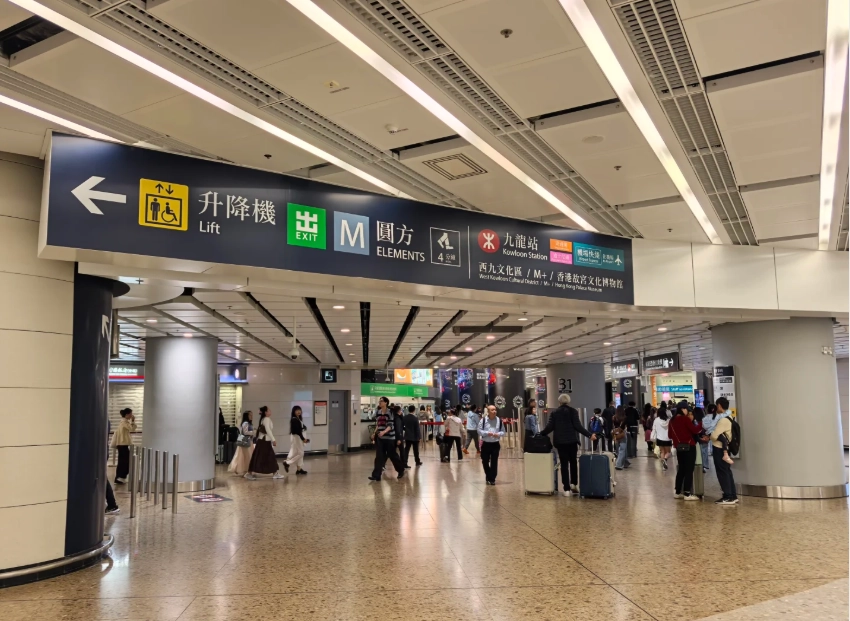
Why the Hong Kong to Shenzhen High Speed Train Beats the Border Crossing
As a guide who has crossed this border more times than I can count, I'll be straight with you: the Hong Kong to Shenzhen high speed train is not just fast — it's a genuinely enjoyable way to travel. The alternative crossings via the Shenzhen Bay Bridge or Luohu get stuck in hours of traffic, especially on weekends. The train, on the other hand, takes you from the heart of Kowloon to central Shenzhen in 14 minutes. No traffic jams, no taxi rip-offs, no squeezing into a bus with your luggage.
I remember the first time I took it with a group of tourists. We left West Kowloon, grabbed a seat, and before I could even read the first page of my book, the train announced we'd arrived at Futian. Everyone was nearly in disbelief. That's the reaction you'll get.
Let me show you a quick comparison.
| Mode | Time (Typical) | Cost | Comfort | Best For |
|---|---|---|---|---|
| High Speed Train | 14-18 min + immigrations | HKD 68-78 | High – air-con, clean, seats | Most travelers |
| MTR + Metro (East Rail Line) | 60-80 min | HKD 40-50 | Medium – crowded, multiple transfers | Budget travelers |
| Bus from Mong Kok | 45-60 min (with congestion) | HKD 30-50 | Low – traffic, luggage issues | Those living near the bus stops |
| Taxi / Private Car | 40-90 min | HKD 300-800 | Medium – door-to-door | Families or those with heavy bags |
But wait — there is a catch. The station is huge, and the process involves two immigration checkpoints under one roof. If you're not prepared, you could miss your train. That's where the next sections come in.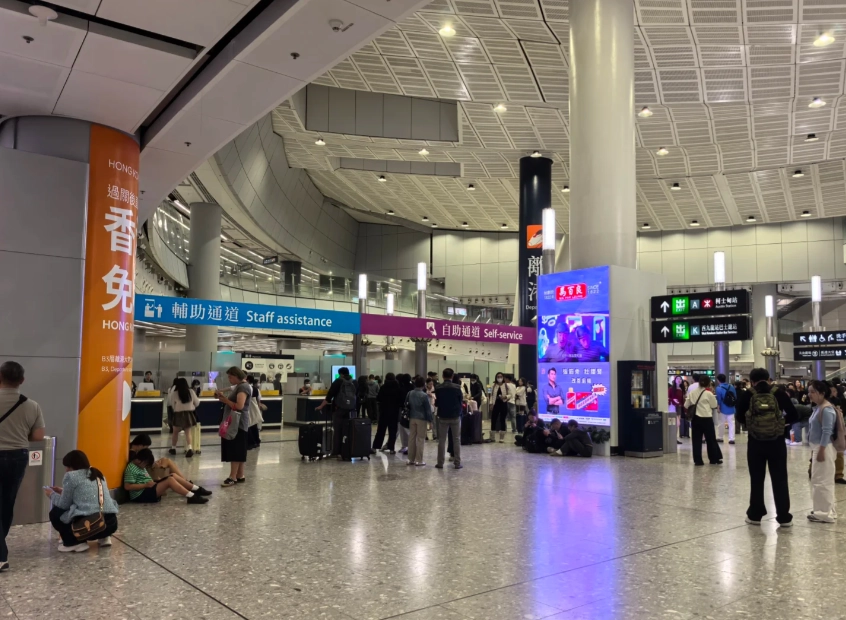
What Should You Know Before Booking?
The single most important thing to know is that you do not need to queue at the station to buy your ticket, and online booking is the way to go. Almost every foreign visitor I've guided has used one of two platforms: Trip.com or Klook. Both accept international credit cards, and they show English instructions for the entire process.
Booking Platforms That Accept Foreign Cards
Use Trip.com or Klook instead of 12306.cn — the official Chinese railway site. The official site, 12306.cn, is a nightmare for foreigners due to its complex verification and Chinese-only interface. Trip.com and Klook offer the same tickets with a markup of only a few HKD, and they accept Visa, Mastercard, and Amex.
Passport and Visa Essentials
You will need a valid Chinese visa or the 144-hour transit visa-free policy (if eligible) — do not expect a border-free hop. The high-speed train crosses a real international boundary. At West Kowloon, you'll pass through both Hong Kong and mainland China immigration. Have your passport, not a paper copy, and keep it handy.
Booking in advance is essential for peak times. Friday evenings and Sunday evenings are packed with commuters and tourists. I always tell my clients to book at least a week out for those slots, though midweek seats are easy to find.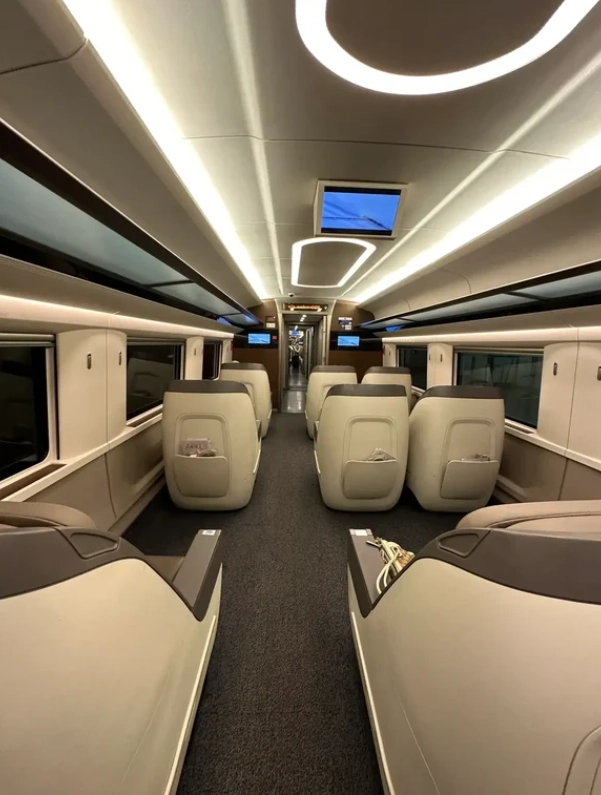
How Do You Ride the Train Without a Hitch?
Follow these steps and you'll have zero problems.
- Book your ticket on Trip.com or Klook. Choose Futian or Shenzhen North as your destination.
- Plan to arrive at West Kowloon Station 60 minutes before departure. Not 20, 60. Immigration and security take time.
- Get to the station via the MTR. Take the West Rail Line (now part of the Tuen Ma Line) to Austin Station. Look for Exit E, which leads directly into the station. From Tsim Sha Tsui, it's a 10-minute walk through the underground tunnel from Kowloon Station.
- Enter the station and head to the 'Departures' level. You'll see signs for Check-in, Security, and Immigration.
- Pass through Hong Kong security — just like an airport, but faster. Remove your laptop and liquids from your bag.
- Complete departure immigration. Have your passport and ticket ready. The immigration officer may ask about your travel plans, so keep it simple.
- After Hong Kong exit, you'll immediately clear mainland China entry. This is the 'co-location' system. You'll get a stamp from mainland officers. This is the official entry into China.
- Rest. Use the toilet. Find your gate. The gate number is shown on the display boards.
- Board the train. Seats are assigned, so you don't need to queue.
- Arrive in Shenzhen. Follow the signs to the Metro or taxi stands.
Tip: If you're travelling with a child or wheelchair, the station has built-in accessible paths. Ask a staff member if you need help.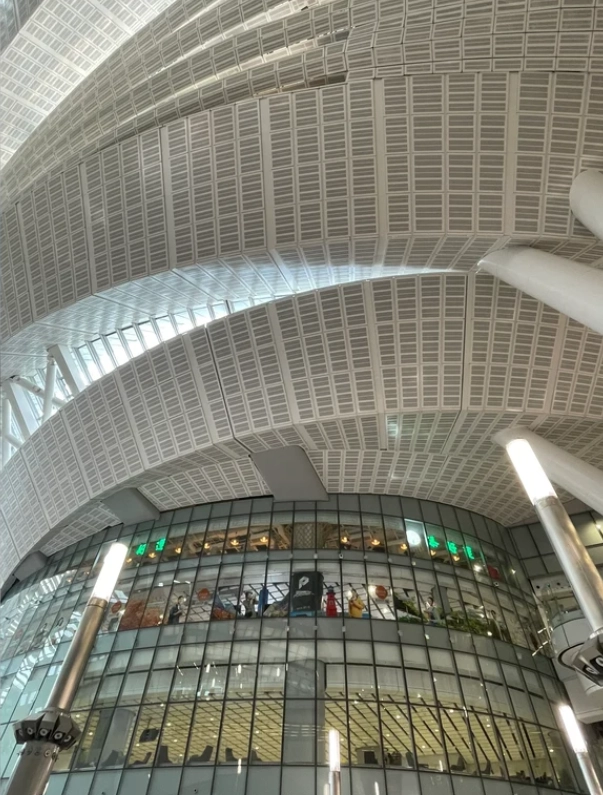
But let me save you one headache: the line for security can be brutal at peak hours. On a recent weekday, I waited 25 minutes at 8:45am. The same line was empty at 11am. If your schedule allows, choose mid-morning or early afternoon.
West Kowloon Station Walkthrough
Stunning architecture — but it's frickin' enormous. I've had clients cry in there, not because they were sad, but because they were overwhelmed. Honestly, it's a maze if you don't know where you're looking.
Here's a breakdown of what to expect:
- The station is underground, connected to the Elements shopping mall. You can access it from Austin Station (Exit E), from the Kowloon Station (via an underground walkway), or directly from street level on Austin Road West.
- The ticketing office and self-service machines are on Level 3 (the main hall). Security and immigration are on the same level.
- After you clear immigration, you'll go down to Level 2 for the waiting area and platforms.
- There are a few shops and a cafe after immigration, but it's limited. If you want a proper meal, eat in the Elements mall before entering the restricted area. I always tell my clients to grab a sandwich at Pret A Manger in the mall — it's on the way.
- Toilets are clean, but the ones near the waiting area can be crowded. If you have time, use the ones near the entrance.
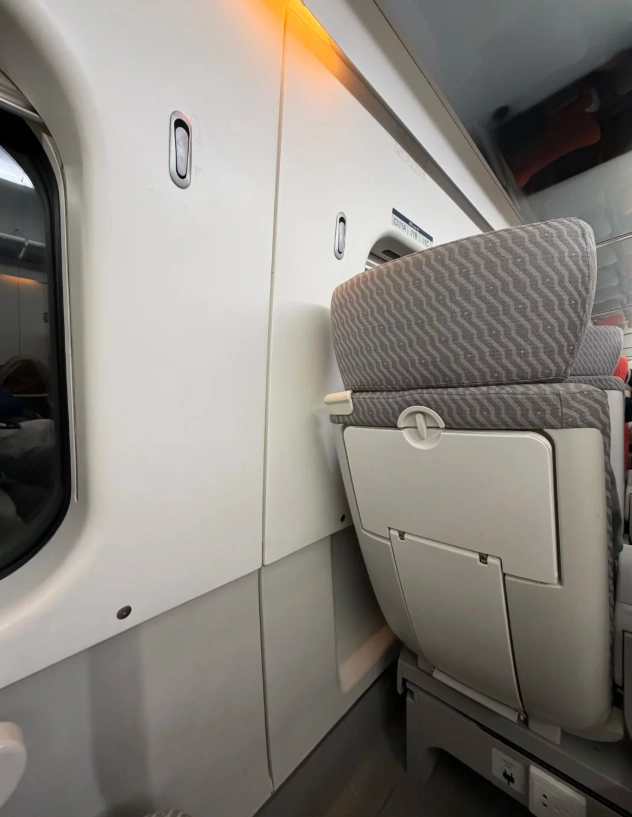
Pro Tip: The departure boards show train times and gate numbers in English and Chinese. Don't worry if you don't understand the squiggly stuff — the gate number is usually in large Arabic numerals.
Which Shenzhen Station Should You Choose?
This is the biggest source of confusion for travellers — Futian or Shenzhen North. Honestly, it depends entirely on your plans.
For a quick shopping trip or a meeting in central Shenzhen, Futian Station is your best bet. It sits right in the Futian central business district, within walking distance of shops like Coco Park and the Shenzhen Civic Center.
For those connecting to another high-speed train or heading to a different part of China, Shenzhen North Station is a major hub with far more connecting services to cities like Guangzhou, Wuhan, and Beijing.
| Feature | Futian Station | Shenzhen North Station |
|---|---|---|
| Travel Time from West Kowloon | ~14 minutes | ~18 minutes |
| Fare (Second Class) | HKD 68 | HKD 78 |
| Metro Lines | Lines 2, 3, 11 | Lines 4, 5, 6 |
| Nearby Attractions | Coco Park, Shenzhen Museum, Futian CBD | Shenzhen North CBD (more residential) |
| Best For | Business or short stop | Connecting to other Chinese cities |
How to Decide
If your next destination is anywhere else in China, choose Shenzhen North; if you're planning to explore Shenzhen itself, choose Futian. For airport connections, both work, but Futian is simpler — take Metro Line 11 directly to Shenzhen Bao'an International Airport. From Shenzhen North, it's a longer transfer via Line 6 to Line 11.
Real Fares and Schedules
You're probably wondering about the exact cost and how often trains run. Here's the honest answer based on my recent trips:
- Standard class to Futian: HKD 68 (around USD 8.5)
- Standard class to Shenzhen North: HKD 78 (around USD 10)
- First class costs roughly 30% more, with wider seats and a free bottle of water. It's not necessary for such a short ride, but if you're not feeling great, it's worth it.
- Business class is available on some trains, but is usually overpriced for a 15-minute journey. I'd skip it.
Trains run frequently from around 6:30am to 10:30pm, with the bulk of departures between 7am and 9pm. You'll see trains every 10-20 minutes during peak times, and every 30-45 minutes in quieter hours. Fares don't surge, but availability can be tight on Friday and Sunday evenings.
Insider Tips for a Smooth Ride
Here are the hard-earned lessons I tell every group before I hand them over to the customs line.
Navigating Payments and Data
Prepare your data and payment before the train leaves Hong Kong. Google Maps is blocked in mainland China, and you'll lose connection as soon as you exit West Kowloon. I usually use ExpressVPN or Astrill — set it up before you go. Also, download the Chinese app 'DiDi' for ride-hailing and link your international card. In Shenzhen, nearly everything is WeChat Pay or Alipay; if you haven't linked your international card, carry some cash as backup. Train station ticket offices do accept cash, but many shops won't.
Timing Your Departure
Avoid the 8-10am morning peak from West Kowloon. Security lines can stretch 25 minutes, making your 60-minute buffer feel tight. I always recommend a mid-morning train if you're not in a rush. And on Sundays, the stations are packed with returning weekenders — book a seat in advance or you might be left with a premium option.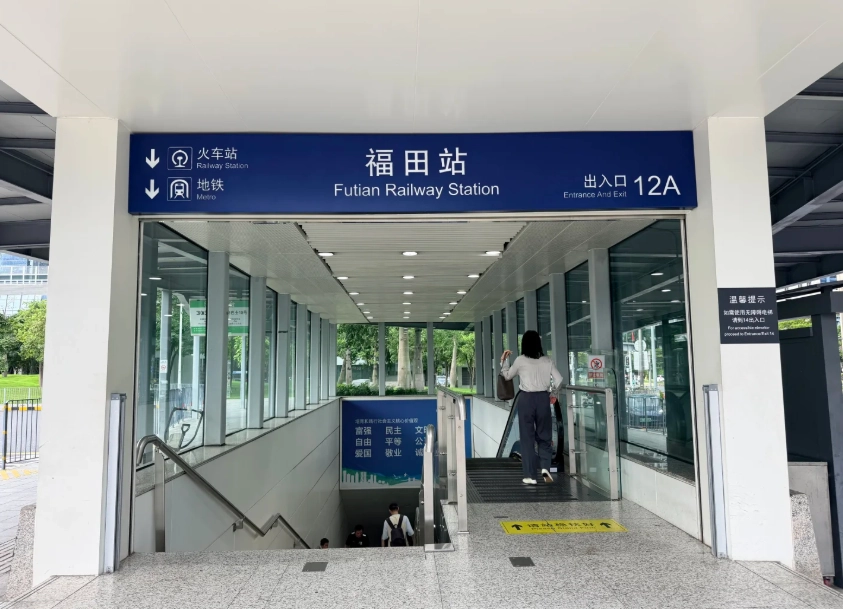
Connecting Beyond Shenzhen
The Hong Kong to Shenzhen high speed train is the perfect gateway to mainland China's vast rail network. Once you reach Shenzhen North, you have direct connections to almost any major city. For example, you can be in Guangzhou in 30 minutes, Shanghai in under 7 hours, and even Beijing in 8.5 hours.
But here's the trick: when you take the train from Hong Kong, you are already doing a full immigration check. So when you arrive at Shenzhen North, you are officially inside China. This means you can simply transfer to another high-speed train without any extra immigration procedures. That's a huge advantage over flying.
Many travellers use this route to catch departures from Shenzhen North that are cheaper or better timed than ones from Hong Kong. Because the Hong Kong high-speed rail is often more expensive for long distances, some locals cross to Shenzhen and board the same route for less. I've seen customers save 30% on the Beijing run by doing just that.
Common Mistakes and Questions
Let me address the biggest questions and mistakes I see on every trip.
This content has been fact-checked to ensure informational precision.





No comments yet.