 Ming Yang
Jump to the Good Stuff
- Why I Tell Every Client to Spend at Least 3 Days in Lijiang
- Before You Arrive: Payments, VPN, and Navigation Basics
- Getting to Lijiang: Flights, Trains, and Airports
- Getting Around Lijiang: Old Town, Villages, and Day Trips
- How Do I Book Tickets for Yulong Snow Mountain?
- A Foolproof 3-Day Lijiang Itinerary (with Backup Plans)
- Where to Eat: Dishes You Must Try (and Where)
- Where to Stay: Picking a Guesthouse That Won't Ruin Your Trip
- Lijiang Travel Mistakes I See Every Week (and How to Avoid Them)
- What's the Best Time to Visit Lijiang?
- FAQ: Quick Answers to Your Lijiang Travel Questions
I've watched travelers crash into Lijiang like they're trying to win a gold medal in sightseeing. Two days, three towns, zero perspective. That's not how this place works.
If you're searching for how to travel around Lijiang, you're probably already worrying about ticket lines, internet gaps, and whether you'll get ripped off. Take a breath. I've been bringing people here for years, and once you learn a few simple tricks, everything falls into place.
Here's the secret that changes everything: book your Yulong Snow Mountain cable car ticket at least three days ahead during high season, use an English-friendly booking site like Trip.com, and leave the old town photos for before 9am or after 5pm. Do that and you've already beaten 80% of the chaos.
Now, let me walk you through the rest.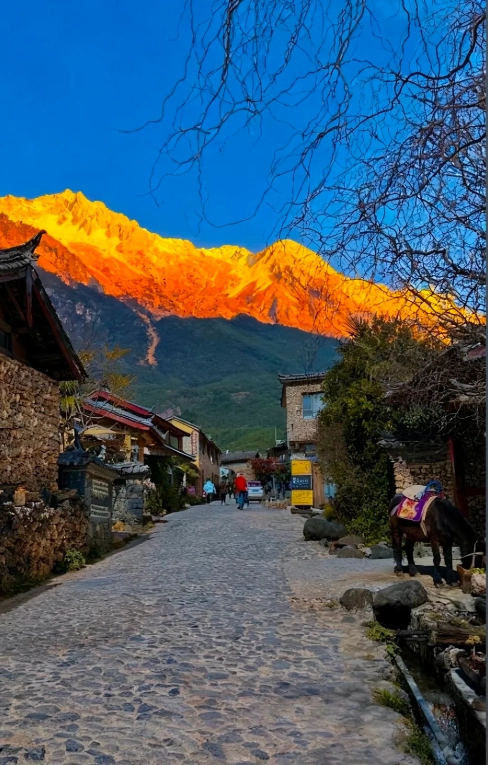
Why I Tell Every Client to Spend at Least 3 Days in Lijiang
Lijiang isn't just one place—it's a cluster of Old Towns, mountain views, and lakeside villages that need time to unfold. Most first-timers show up with a 2-day plan and end up missing the best parts: the silence of Baisha Village, the sunset reflected on Black Dragon Pool, or the hidden canals away from the souvenir shops.
Three days let you breathe. You'll have time for the main attractions plus one slow morning just wandering the cobblestone alleys. If you're truly pressed, two days work, but you'll be skipping either Yulong Snow Mountain or the quieter towns—and I don't want you to make that choice.
Here's a rough split: day one for the Old Town, day two for the mountain, day three for the villages around Lijiang. More on that later.
Before You Arrive: Payments, VPN, and Navigation Basics
Let's sort out the digital stuff before you land, because fumbling with your phone at the airport gate is the last thing you want.
Payment: Since you're traveling from abroad, you'll mostly rely on Alipay or WeChat Pay with an international card linked. In my experience, both work well if you've set them up before flying. Cash is still accepted in many places, but keep it small—you'll rarely get change for a 100-yuan note at street stalls. Carry a backup card and some cash (about 200–300 CNY) for emergencies.
VPN: This one's non-negotiable. Google Maps, WhatsApp, Instagram, and many Western sites are blocked in China. Install a reliable VPN on your phone and laptop before you arrive, and test it at the airport. I can't count how many clients tried to set one up after landing and got stuck. Just do it in advance.
Navigation: Google Maps will let you down here. Apple Maps works surprisingly well in Lijiang, but for taxi drivers, you'll want the Chinese ride-hailing app Didi (with an English interface) or just show your driver the Chinese address written down. Ask your hotel to write the address in Chinese characters—it saves you a ton of hassle.
Translation: Download Apple Translate or a similar offline pack for Chinese. You don't need to speak fluently, but being able to show a phrase like "For here, please" or "Not spicy" makes a world of difference.
Getting to Lijiang: Flights, Trains, and Airports
Lijiang Sanyi International Airport (LJG) is about 25–30 km from the Old Town, and there are three main ways to get in.
| Transport | Cost (CNY) | Duration | Best For |
|---|---|---|---|
| Airport Shuttle Bus | 20–25 | 40–50 min | Solo travelers looking to save |
| Taxi | 80–120 | 30–40 min | Couples or groups with luggage |
| Didi (Ride-hailing) | 80–100 | 30–40 min | Anyone who wants a fixed price |
If you're arriving by train, the Lijiang Railway Station is about 10 km from the Old Town. Taxis and Didi are easy to find, and there's also bus line 4 that goes into the main part of town (about 20 minutes).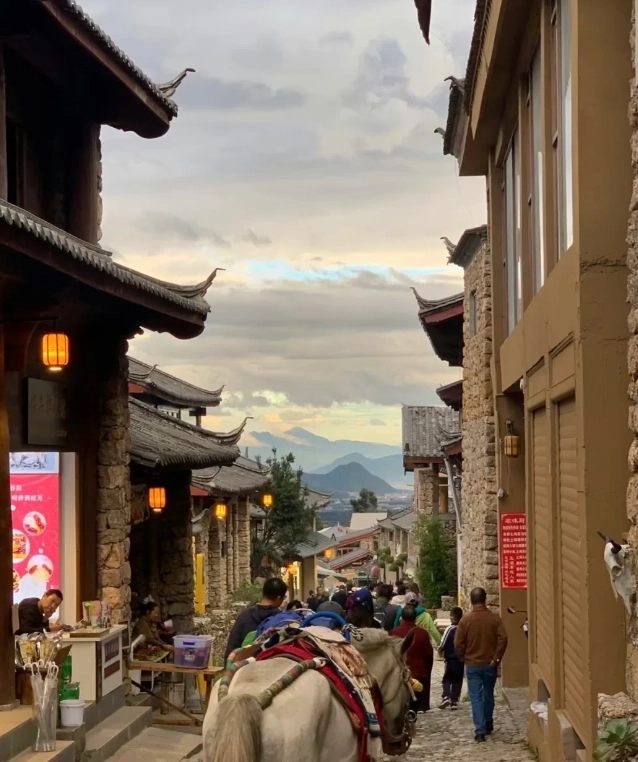
Getting Around Lijiang: Old Town, Villages, and Day Trips
The Old Town itself is a maze of pedestrian-only streets—and that's exactly why you don't need a car inside it.
Within the Old Town
Wear comfortable shoes with good grip because the stone pavement gets slippery, especially after rain. Most guesthouses are a short walk from the main streets, but you'll be hauling your luggage over cobblestones. If you have a big suitcase, stay near the edge of the Old Town (like the South Gate or North Gate area) so you don't have to drag wheels over ancient stones.
Getting to Other Towns
Baisha Village and Shuhe Town are both easy day trips. Take bus 6 from the city bus station (around CNY 2) or a Didi (CNY 20–40 depending on distance). If you're heading to Shuhe, it's about 4 km from the Old Town—a 15-minute Didi ride. Baisha is another 8 km beyond Shuhe, so combine them in one afternoon.
Yulong Snow Mountain Day Trip
You don't need a tour group to visit the mountain. Take the special tourist bus (line 101) from the Old Town area around 7:30am or grab a Didi (around CNY 80–100 one way). The mountain entrance fee and cable car tickets are separate; we'll talk about booking that next.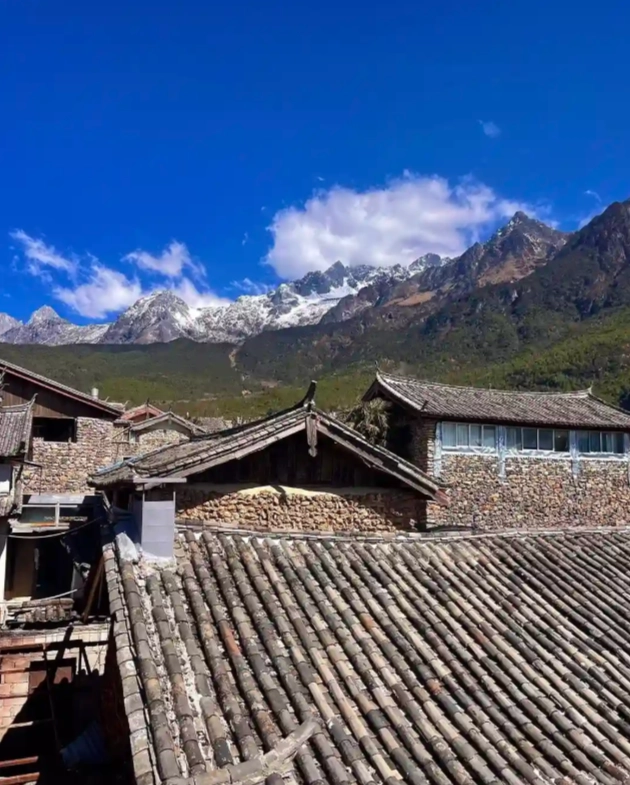
How Do I Book Tickets for Yulong Snow Mountain?
Booking early isn't a suggestion—it's a requirement. The glacier cable car (the main one that takes you up to 4500m) sells out quickly in high season, and the official system often requires a Chinese ID number. Here's what I tell every client:
- Use an English-friendly platform like Trip.com or Klook. They have the real-time inventory and accept international cards. Search "Yulong Snow Mountain" and you'll see options for the big cable car (day trip or transport included).
- Book 3 to 5 days in advance. In winter or during Chinese holidays, you might even need a week.
- Don't forget the entrance fee. You'll pay this at the gate (around CNY 100 per person) plus the cable car ticket (around CNY 120–180 depending on the line). Some packages on Trip.com bundle both.
- Bring your passport. You'll need it to pick up tickets and to pass the security check at the cable car station.
Insider Advice: The oxygen canisters sold around the Old Town are overpriced—around CNY 30–50. You can buy them at supermarkets near the mountain for half that. But if you're not used to altitude, it's better to get one before you feel symptoms. I'll never forget a client fainting at the top because he thought he could save money.
A Foolproof 3-Day Lijiang Itinerary (with Backup Plans)
This route is designed to cover the must-sees without turning you into a zombie. I've tested it with dozens of groups, and the timing works.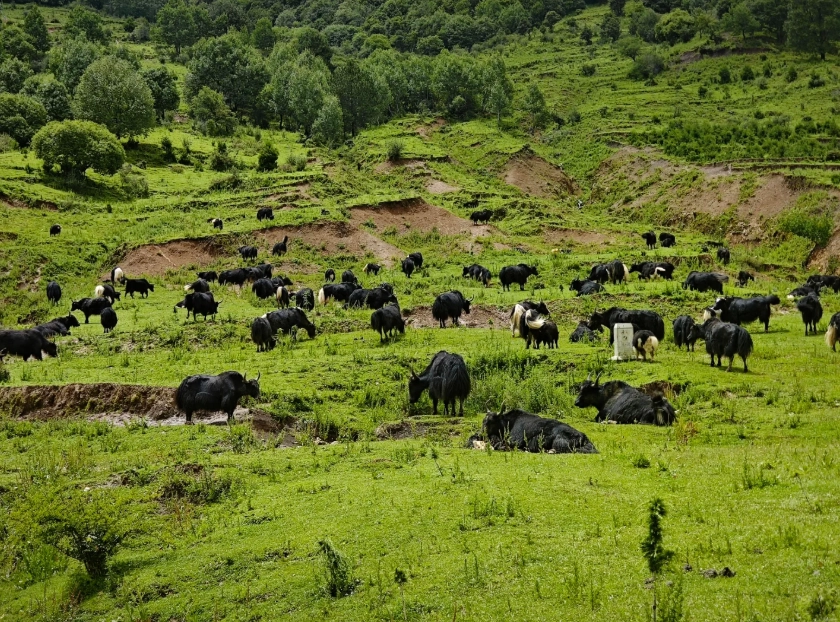
Day 1: Old Town + Black Dragon Pool
Start early at the Black Dragon Pool (Heilongtan) before the tour buses roll in. It's a 10-minute walk from the north entrance of the Old Town. The view of Jade Dragon Snow Mountain reflected in the water is iconic—if it's sunny, you'll also avoid the midday haze.
Then dive into the Old Town. Wander the main square (Sifang Street) but don't linger—the real charm is in the side alleys. Follow the water streams; they'll guide you to quiet corners where local artists sit and paint.
In the afternoon, head to the top of Lion Hill (for the Wanggu Tower view) or just get lost in the maze. For sunset, grab a seat at a cafe on the east side of the old town, where you can watch the rooftops turn gold.
Rainy day backup: Visit the wooden-framed Naxi Great Music Hall (evening performances) or explore the Dongba Culture Museum inside the old town.
Day 2: Yulong Snow Mountain + Blue Moon Valley
This is your big day, so leave your hotel by 7:30am. Take the cable car up as early as possible to avoid wait times. The base of the glacier is at 4506m—spend no more than an hour at that altitude before going down. Your body will thank you.
Back at the base, hop on the shuttle to Blue Moon Valley (Baishui Terrace). The milky turquoise pools are stunning and a total contrast to the snowy peaks. There's a walking path that takes you right down to the water—easy 20–30 minutes.
By 2–3pm, you'll be back in town. Use the afternoon to rest or treat yourself to a foot massage. Your legs will be heavy.
If the cable car is closed due to wind: Head to the Yulong Snow Mountain Alpine Botanical Garden instead (same area, lower altitude). Or if you're flexible, swap the mountain for the Tiger Leaping Gorge to the north—it's a steep hike but the river gorge is mind-blowing.
Day 3: Shuhe + Baisha Villages
Slow morning, I promise. After breakfast, take a Didi or bus to Shuhe Ancient Town—it's less commercial than the big old town. Walk the old market street, stop for tea, and climb the small hill to see the whole village from above.
Then head to Baisha, just 10 minutes further. Baisha is where murals (Dongba) date back to the Ming dynasty. Check the Baisha Frescoes (the small ticket around CNY 30) but the real magic is just wandering. There's a square surrounded by coffee shops and locals playing the guqin.
If you've got energy left, ask your driver to stop at the Yuhu Village (where Joseph Rock lived) or return to the Old Town for a last evening stroll.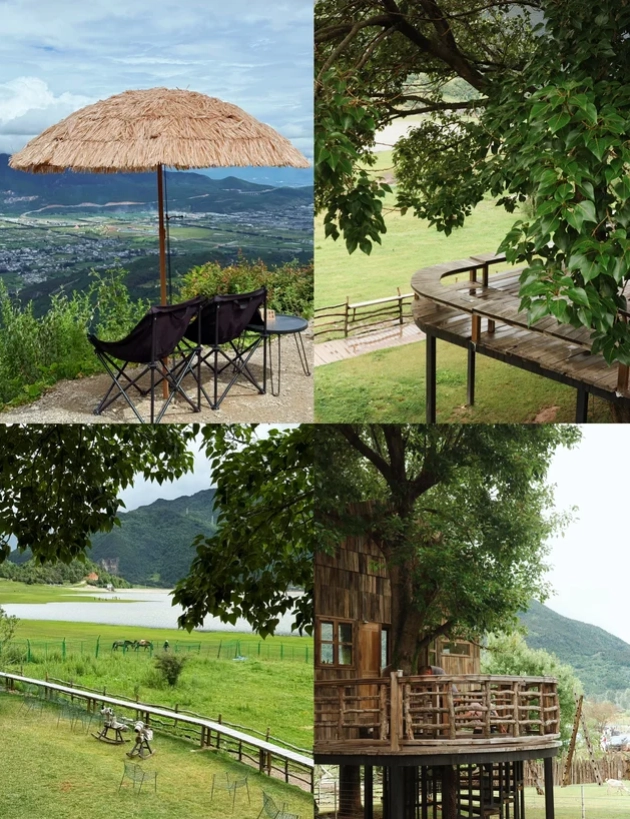
Where to Eat: Dishes You Must Try (and Where)
Lijiang's food is a mix of Naxi and Yunnan flavors—savory, hearty, and often uses herbs you won't find elsewhere.
- Lijiang baba (丽江粑粑): A flaky, layered pastry that can be sweet or savory. Head to Amao Baba on Sifang Street for the classic version.
- Chicken bean jelly (鸡豆凉粉): A cold, firm jelly made from local peas, dressed with chili oil and pickled vegetables. Try it at the night market near the East Gate.
- Pork rib hotpot (腊排骨火锅): Smoked ribs simmered in a broth with white radish and tomatoes. The famous chain is Apo La Paigu (阿婆腊排骨) with branches all over the old town. Expect to pay around CNY 50–80 per person.
- Rainbow trout (虹鳟鱼): Served raw (as sashimi) or cooked. There are several fish restaurants along the Dragon Pool area and in Shuhe.
- Naxi sausage: Smoked, fragrant, and often served as an appetizer.
For a sit-down meal with English menu, check out Mama Fu's (near Sifang Street) which has clearly labeled dishes and a friendly owner. But honestly, the best meals I've had were at tiny spots with no menus—just point at what other people are eating.
Where to Stay: Picking a Guesthouse That Won't Ruin Your Trip
Your choice of accommodation in Lijiang matters more than in most cities, because the Old Town's charm comes with quirks.
You'll see hundreds of "traditional" guesthouses, but they vary wildly in noise levels and bed quality. My advice:
- Stay near the South Gate or North Gate if you have heavy luggage. No one wants to haul a 25kg suitcase over cobblestones for 20 minutes.
- Check the window situation. Many rooms have no windows or just a slit facing a wall. If you're claustrophobic, ask for a room with a view.
- Guesthouses in the old town are often wooden— which means thin walls. If you're a light sleeper, pack earplugs or look for a place with a courtyard that has a solid modern building.
- Most guesthouses have Wi-Fi and hot water, but confirm before booking. In my experience, the quality is generally good, just don't expect US-style dryers.
Budget-wise, a decent double room in a nice courtyard guesthouse runs around CNY 200–400 in normal season, but prices double in Chinese holidays. Book on Trip.com or Agoda to compare real reviews.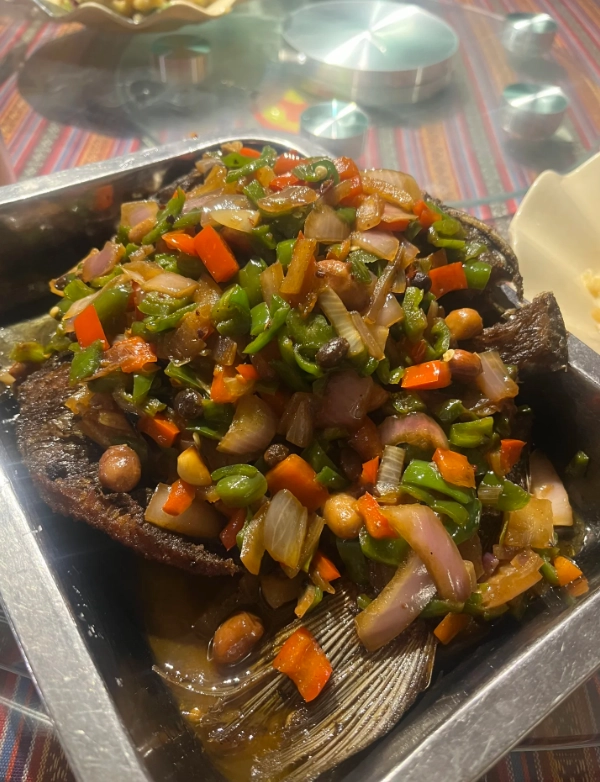
Lijiang Travel Mistakes I See Every Week (and How to Avoid Them)
Some of these might surprise you.
- Rushing your photos around the big waterwheel. It's the most crowded spot, and the light is best in the early morning. The real hidden photo op is at the creek near the East Avenue viewpoint.
- Buying "ancient silver" from street stalls. It's often fake. If you must, buy from a certified shop and ask for a certificate.
- Falling for the "VIP Black Dragon Pool" tickets. There's no VIP line—it's a normal public park. Anyone offering to skip the line for you is a scammer.
- Not preparing for altitude sickness. Even if you don't climb the mountain, Lijiang's old town is already at 2400m. Drink lots of water and avoid heavy alcohol the first night.
- Assuming the old town is smoke-free. Many places still allow smoking indoors. If it bothers you, ask for a non-smoking seat.
What's the Best Time to Visit Lijiang?
The short answer: spring (March–May) and autumn (September–November) give you the clearest skies and the most comfortable temperatures.
Summer (June–August) is the rainy season—you'll still see the mountains, but expect downpours in the afternoon. Winter is crisp, but the mountain gets crowded with skiers and the night temperatures drop below zero.
Chinese national holidays (Golden Week in October and Labor Day in May) are absolute chaos. I always advise clients to avoid those weeks unless you're up for shoulder-to-shoulder walking.
FAQ: Quick Answers to Your Lijiang Travel Questions
That's it—everything I wish someone had told me before my first visit to Lijiang. With these tips, you're ready to explore the cobblestones, snow peaks, and quiet valleys without the usual stress. Pack a light backpack, a good pair of shoes, and an open mind. Lijiang will do the rest.
Verified and fact-checked by the editorial team.






No comments yet.