 Tao Xu
Quick Navigation (I call it my "get-in-and-go" menu)
- How to Get to Shenzhen: The 5 Main Routes Compared
- How to Get to Shenzhen from Hong Kong: Border-Crossing Explained
- What Is the Fastest Way to Get to Shenzhen from the Airport?
- How to Get to Shenzhen by High-Speed Rail: Step-by-Step Guide
- How to Get to Shenzhen by Bus: The Budget Option
- How to Get to Shenzhen with a Layover: The 24-Hour Plan
- My Insider Tips for Getting to Shenzhen Without Scratching Your Head
- FAQ: How Do I Get to Shenzhen Without Any Headaches?
Border lines in Shenzhen can stretch for hours — my clients have cried, argued, and nearly missed flights. But here's the thing: with the right plan, you can be sipping bubble tea in Futian just 40 minutes after leaving Hong Kong. I've crossed this border over 200 times, and I know exactly how to get to Shenzhen without the chaos. This guide breaks down every practical route: by air, rail, bus, and ferry — with real costs, times, and the mistakes I've seen travelers make. Whether you're flying in or coming from Hong Kong, you'll find the fastest and cheapest options. Stick to the end for my insider shortcuts.
How to Get to Shenzhen: The 5 Main Routes Compared
After years of leading trips, I've learned that there's no one-size-fits-all answer. Each route has its own quirks, and your choice depends on where you're starting, your budget, and how much patience you have. Here's a quick table to help you compare at a glance.
| Route | Estimated Duration | Cost Range (from) | Best For |
|---|---|---|---|
| Direct Flight to SZX | 2-5 hours (from major Asian cities) | Varies widely | Long-distance travelers |
| High-Speed Rail (from Guangzhou) | 30-40 minutes | 74-100 RMB | Speed and comfort |
| MTR from Hong Kong (East Rail Line) | ~45 minutes from Kowloon | ~40-50 HKD | Budget and direct subway access |
| Cross-Border Bus from Hong Kong | 1-1.5 hours | 50-100 HKD | Convenience from Tsim Sha Tsui |
| Ferry from Hong Kong to Shekou | 30-50 minutes | 90-140 HKD | Scenic and relaxing |
My honest take: If you're already in Hong Kong, the MTR is almost always your best bet — it's cheap, fast, and drops you right in the city. But if you're flying into Shenzhen Bao'an Airport, don't skip the metro link. I'll break down each option below.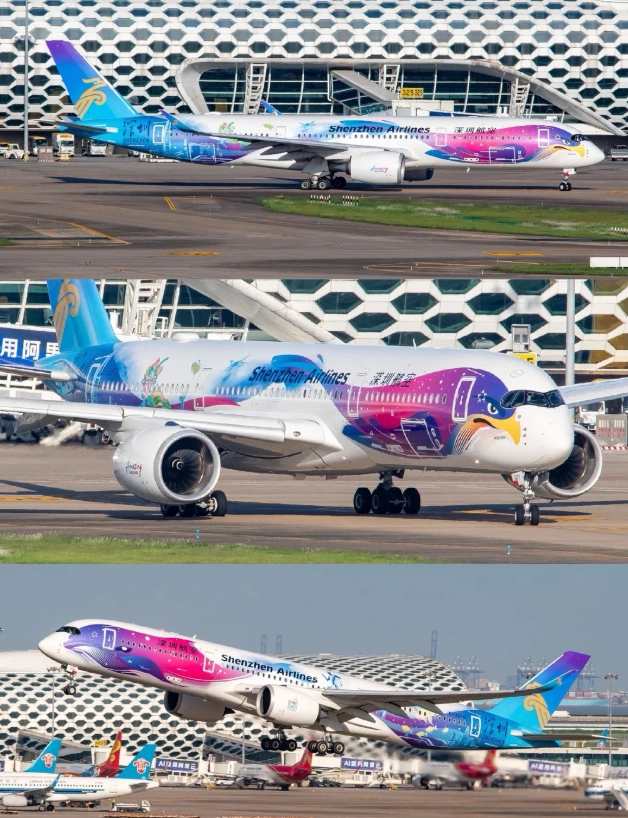
How to Get to Shenzhen from Hong Kong: Border-Crossing Explained
The fastest route from Hong Kong is the MTR East Rail Line, which connects directly to two major checkpoints — Lo Wu and Lok Ma Chau. Most tourists choose Lo Wu because it's the first stop and leads straight into Shenzhen's Luohu district, but Lok Ma Chau (also called Futian) connects to the Futian metro area, which is often less crowded. Let me walk you through the step-by-step.
Taking the MTR from Hong Kong
Head to Hung Hom or East Tsim Sha Tsui station (depending on your starting point) and take the East Rail Line all the way to the border. From Hung Hom, it takes about 40 minutes to Lo Wu, and around 45 minutes to Lok Ma Chau. The train runs every 4-8 minutes, and you can use your Octopus card or buy a single-journey ticket at the station. When you arrive at the border, follow the signs for "Arrivals." You'll need to present your passport and, if required, your visa. The crossing itself usually takes 15-30 minutes on a normal day, but leaving HK can be faster than re-entering Shenzhen (you'll go through Chinese immigration at the same building). Here's a pro tip that has saved my clients countless hours:
Avoid weekends from 4 p.m. to 8 p.m. — that's when the border hall turns into a human wave pool. If you're flexible, go early morning (before 10 a.m.) or late evening (after 9 p.m.).
Crossing by Bus from Hong Kong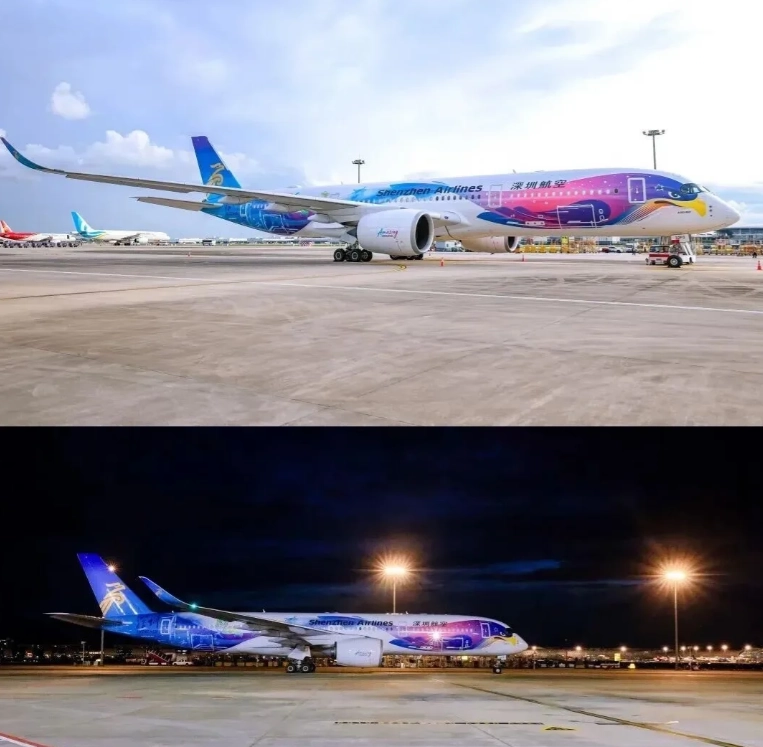
If you're staying in Tsim Sha Tsui or Mong Kok, a cross-border bus can be more comfortable than dragging your luggage through the MTR. Several companies operate direct buses from downtown Hong Kong to Shenzhen's Huanggang (Futian) checkpoint. Look for buses operated by "Cross Border Shuttle" or "EE Bus" — you'll spot their orange signs near the Harbour City shopping mall. The bus takes about 45-60 minutes, depending on traffic, and costs around 60-100 HKD. The catch: Huanggang checkpoint is not exactly central, so you'll need to take a taxi or another metro to reach your final destination. I'd only recommend this if you're staying near the checkpoint or have very heavy luggage.
What About the Shenzhen-Hong Kong High-Speed Rail?
Yes, there's a direct high-speed rail from Hong Kong West Kowloon station to Shenzhen's Futian station — it takes just 14 minutes. This is by far the fastest way to cross, but it's also the most expensive (around 75 RMB for a second-class ticket). You'll also need to pass through both Hong Kong and Chinese immigration at the West Kowloon station before boarding, so factor in at least 20-30 minutes for clearance. If you're in a rush and willing to pay a bit more, this is your winner. However, I usually tell my clients to take the MTR unless they're in a real hurry, because the train station is a bit out of the way for many destinations in Shenzhen.
What Is the Fastest Way to Get to Shenzhen from the Airport?
The fastest way from Shenzhen Bao'an International Airport (SZX) to the city center is the Metro Line 11, which costs around 7 RMB and takes about 30 minutes to reach Futian station. The metro runs every 5-10 minutes, and it's the most reliable option — no traffic jams. Here's how to do it: After baggage claim, follow the signs for "Airport Station" (there are two stations — Airport East and Airport West; make sure you go to the one on Line 11). Use your WeChat Pay or Alipay to buy a ticket at the kiosk, or simply use your smart card if you have one. The ride to Futian station is smooth and fast. Alternatively, you can take a taxi or a ride-hailing service like Didi. Taxis charge around 80-100 RMB to the city center, and the ride takes 30-60 minutes depending on traffic. Booking through Didi is usually cheaper (about 60-80 RMB), but you'll need the app and a payment method set up.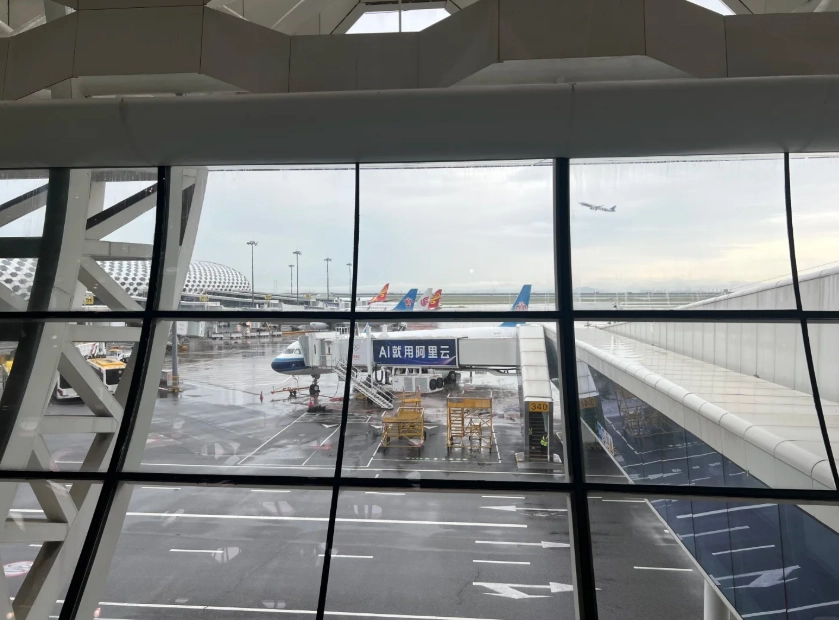
Pro Tip: Avoid taking the airport shuttle buses unless you're short on cash. They're slow, and the signs are mostly in Chinese. The metro is faster and easier to navigate.
If you're arriving late at night (after 11 p.m.), the metro may still be running, but check the last train times — they can be as early as 11:30 p.m. Taxis are available 24/7, though they may add a night surcharge.
How to Get to Shenzhen by High-Speed Rail: Step-by-Step Guide
Taking a high-speed train to Shenzhen is a fantastic option if you're already in mainland China — it's fast, punctual, and surprisingly comfortable. The two main stations are Shenzhen North (for services from Beijing, Shanghai, and Guangzhou) and Shenzhen Futian (for trains from Hong Kong and some southern cities). Here's how to book and ride:
- Buy your ticket — Use the official 12306 app (Chinese only) or an English-friendly platform like Trip.com. You'll need your passport number for booking. On Trip.com, you can search for "Shenzhen North" or "Futian" as your destination.
- Reach the station early — Arrive at least 45 minutes before departure. You'll need to go through security screening and passport checks. Keep your e-ticket on your phone or printed out.
- Find your platform — Follow the signs; they have English translations at major stations.
- Boarding — You'll need to show your passport and ticket again. The train will announce stops in both Chinese and English.
From Guangzhou South to Shenzhen North, the journey takes about 30 minutes, and second-class tickets cost around 75 RMB. From Hong Kong West Kowloon to Futian, it's only 14 minutes. One thing that catches travelers off guard: you cannot purchase high-speed rail tickets at the station without a Chinese ID. As a foreigner, you must book online or at a designated ticket office with your passport. So always book ahead.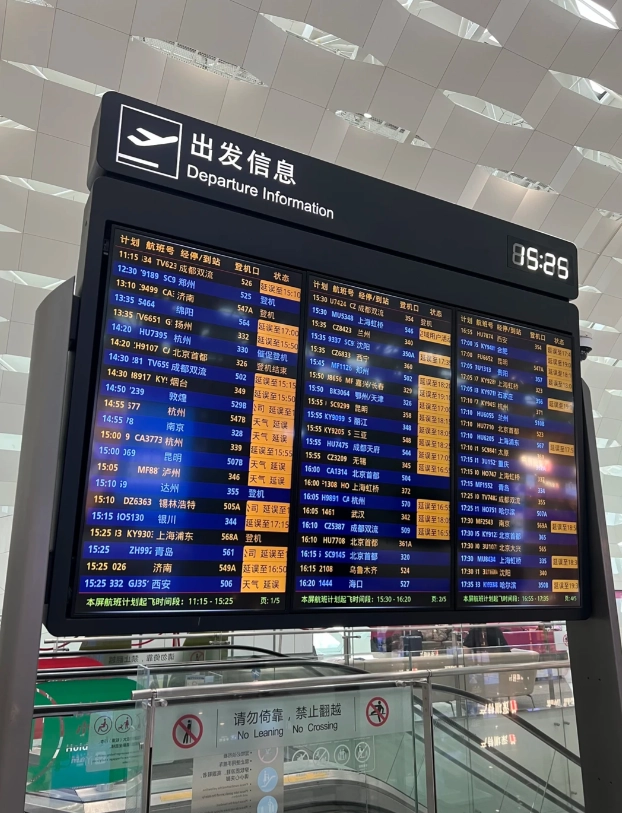
Insider Advice: If you're flexible with your schedule, look for trains during off-peak hours (between 10 a.m. and 2 p.m.) — they're often cheaper and less crowded.
How to Get to Shenzhen by Bus: The Budget Option
Cross-border buses from Hong Kong are a solid budget option, but they're not the most convenient for first-timers. They usually drop you at Huanggang or Shenzhen Bay checkpoint, which are far from the city center. If you decide to take a bus, here are the main routes:
- From Kowloon (Tsim Sha Tsui & Mong Kok) — Look for buses operated by "Cross Border Shuttle" or "EE Bus" near major hotels. They run from early morning to midnight, with departures every 20-30 minutes. The ride takes about 45-60 minutes, and you'll get off at Huanggang (Futian) checkpoint.
- From Hong Kong International Airport — There are direct bus services to Shenzhen, but the metro or ferry are usually faster. Only consider this if you're staying near the border.
Once you cross into Shenzhen at Huanggang, you'll need to take a taxi or metro to your final destination. Huanggang is actually connected to the Shenzhen Metro (Line 10), so you can easily hop on. But if you're heading to Luohu or Futian district, the MTR from Hong Kong is more direct.
My honest warning: Skip the bus unless you're saving every yuan. The MTR is just as cheap, faster, and drops you right in the middle of the city. The bus only makes sense if you're staying near the checkpoint itself.
How to Get to Shenzhen with a Layover: The 24-Hour Plan
If you have a layover in Shenzhen, don't just sit in the airport — you can actually see a lot in 24 hours. This is my go-to plan for clients with a long stopover. Let's say you land at SZX at 10 a.m. and leave the next morning.
- 10:00 a.m. – 11:00 a.m. — Take Metro Line 11 to Futian station, then transfer to Line 3 or 7 to reach your hotel. I'd recommend staying in the Futian or Luohu district for easy access.
- 12:00 p.m. – 1:30 p.m. — Grab a quick lunch at a street food stall or a local restaurant. Try the Cantonese dim sum or a bowl of rice noodles. Don't be afraid to use your translation app.
- 2:00 p.m. – 5:00 p.m. — Head to Shenzhen Bay Park for a walk along the coast. It's free and offers stunning views of the Hong Kong mountains across the bay.
- 6:00 p.m. – 9:00 p.m. — Visit Window of the World theme park. It's a bit touristy, but the miniature landmarks are impressive at night. If you're not into that, have dinner at a local hotpot place.
- 9:00 p.m. – 11:00 p.m. — Explore the vibrant nightlife in Huaqiangbei, known for electronics and street food. Or just relax in a karaoke bar (very popular here).
For your second day, you can check out the OCT Loft creative district or the Shenzhen Museum before heading to the airport. Remember, this plan assumes you have a visa that allows multiple entries. If you're on a 24-hour transit visa exemption, confirm that you're allowed to leave the airport — some require you to book a tour.
Quick tip: Always store your luggage at your hotel or at the airport's left-luggage service. Dragging a suitcase through the metro is a rookie mistake.
My Insider Tips for Getting to Shenzhen Without Scratching Your Head
Over the years, I've accumulated a list of small things that make a huge difference when arriving in Shenzhen. Here are my top five, in no particular order:
- Pay with your phone — Almost no places in Shenzhen accept foreign credit cards directly. You must download Alipay or WeChat Pay and link your international card. Do it before you arrive. At the airport, you can connect to free Wi-Fi, but you'll often need a Chinese phone number for verification. A workaround: many airports have a kiosk where you can buy a local SIM card (bring your passport).
- Bring a VPN — Google Maps, Instagram, and many Western websites are blocked in China. If you need Google Maps for navigation, set up a VPN before you land. Otherwise, use Apple Maps, which works fairly well, or download AMap (高德地图) and switch to English.
- Know your hotel's address in Chinese — When taking a taxi, showing the driver an English address often leads to confusion. Always have your hotel's name and address written in Chinese, either printed or on your phone. I always tell clients, "Save a screenshot of your hotel's booking page in Chinese."
- Be careful at border crossing scams — At the border, especially at Lo Wu, you'll be approached by people offering to "fast-track" your visa or exchange money at a "better rate." Ignore them. The official gates are fine; they're just trying to scam you.
- Download translation apps — Apple Translate or Baidu Translate are lifesavers for menu reading and chatting with taxi drivers. They work offline too.
These tips might sound basic, but I've seen travelers without a VPN spend their first hour in Shenzhen panicking because Google Maps said "no route found." Don't be that person.
FAQ: How Do I Get to Shenzhen Without Any Headaches?
Verified and fact-checked by the editorial team to ensure informational precision.





No comments yet.