 Ting Chen
Quick Navigation — Jump to What Matters
I still remember the look on that traveler’s face. We had just arrived at the entrance of Yubeng Village after a three-hour drive from Shangri-La. He reached for his wallet—empty. No cash. Just a stack of international credit cards and a hopeful smile. “Don’t worry, I’ll use my phone,” he said. But up here, there’s no signal. No ATMs. No WeChat Pay that works without internet. That moment, I realized how many visitors underestimate this place.
Yubeng Village is one of China’s most breathtaking hidden gems—a tiny Tibetan settlement nestled under the sacred Meili Snow Mountain. But getting there and surviving (yes, surviving) the experience requires much more than a pretty photo on Instagram. Here’s the real story, from someone who has led dozens of trips into this remote valley.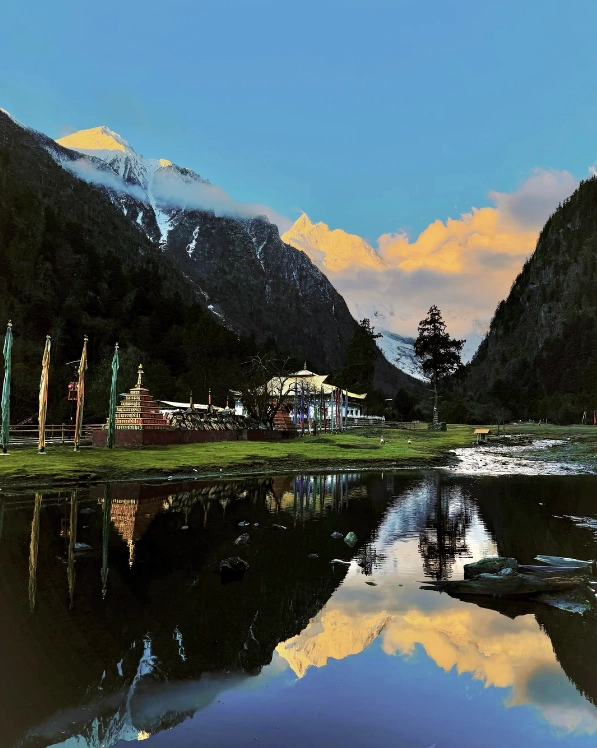
The Reality Check: Why Yubeng Is Different
Yubeng Village isn’t a resort. It’s a remote mountain hamlet with no paved roads, no convenience stores, and very limited electricity in some guesthouses. This is not a place for luxury travel. You’ll be hiking for hours, sleeping in basic guesthouses, and using pit toilets. The reward? Unfiltered views of Meili Snow Mountain, ancient forests, and a sense of peace you won’t find in any city.
Most online guides paint a rosy picture. They show the iconic birch forest and the wooden houses with flower pots. What they don’t show: the muddy trails after rain, the leeches in summer, the altitude sickness that hits many at 3,200 meters, and the anxiety of running out of cash. Let me fill those gaps.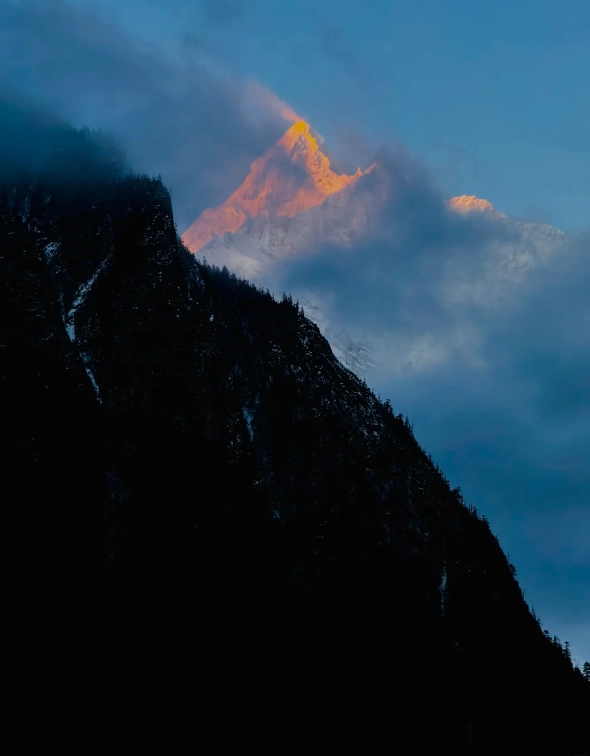
Getting to Yubeng Village from Shangri-La
Yubeng Village is located in Deqin County, Diqing Tibetan Autonomous Prefecture, Yunnan Province. The nearest transport hub is Shangri-La (also called Zhongdian). From there, you have two main options.
Option 1: Public Bus + Private Car
Step 1: Take a direct bus from Shangri-La Bus Station to Deqin County (also known as Shengping Town). Buses run daily from 7:30 AM to 12:00 PM, cost around 65–80 RMB, and take about 4 hours. Book your ticket a day in advance via Trip.com or ask your hotel to help you call the station (the official number is 0887-8223500, but only Chinese is spoken).
Step 2: From Deqin, take a local minibus or shared taxi to the West Village (Xidang) entrance. This costs about 30–50 RMB per person and takes 1.5 hours. The road is twisty—if you get carsick, take motion sickness pills before starting.
Step 3: At West Village, you have two choices: hike in (4–6 hours, 12 km) or take a jeep (200–250 RMB per person, 1 hour). The jeep is bumpy but saves energy. I always tell my groups: if you have heavy luggage, pay for the jeep. The hike is beautiful but challenging, especially after a long travel day.
Option 2: Private Driver (Recommended for Groups)
If you’re traveling with 3–4 people, hiring a private car is worth it. Cost: 600–800 RMB one way from Shangri-La to West Village. Your driver will wait while you buy tickets and can even help you find a porter for your bags. Insider advice: ask your hotel in Shangri-La to recommend a reliable driver. Don’t bargain too hard—safety matters more than saving 50 RMB on these mountain roads.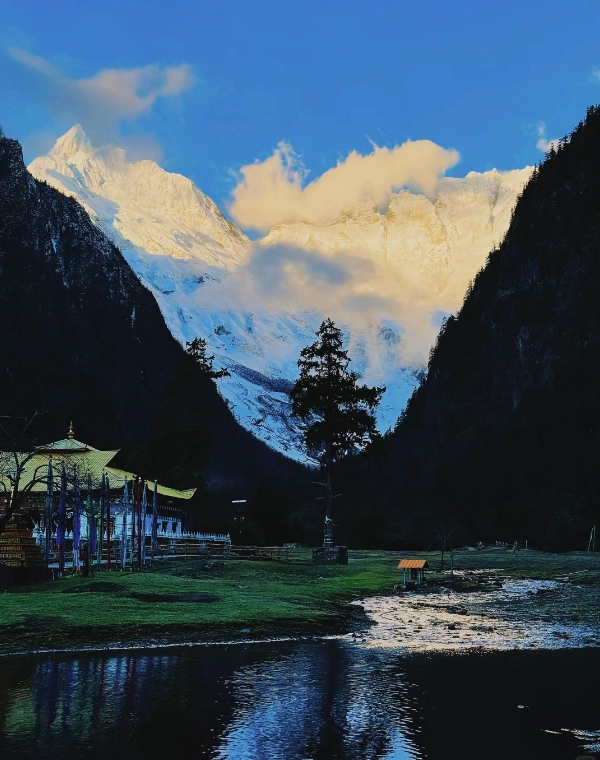
| Transport Option | Cost (RMB) | Duration | Best For |
|---|---|---|---|
| Bus Shangri-La to Deqin | 65–80 | 4 hrs | Solo/backpackers |
| Minibus Deqin to West Village | 30–50 | 1.5 hrs | Shared |
| Jeep West Village to Yubeng | 200–250 | 1 hr | Those with luggage or less time |
| Private car (whole trip) | 600–800 | 6 hrs total | Groups of 3–4 |
Permits, Tickets & Fees
Yes, you need a ticket. Yubeng Village is part of the Meili Snow Mountain National Park (also called Kawagebo Scenic Area). The entrance fee is 230 RMB per person (as of my last check). This covers the entire park, including the famous Mingyong Glacier and the Yubeng area. Note: There is no separate ticket for foreigners—everyone pays the same price.
Where to buy: You can purchase at the main ticket gate near West Village. They accept cash only—no card machine, no QR code payment (because there’s no cell service). If you forget cash, the nearest ATM is in Deqin town, 1.5 hours away. Pro tip: I always carry at least 1,000 RMB in small bills for park fees, jeep fares, and meals.
No advance reservation required for the park ticket. But if you want to stay in a specific guesthouse, book ahead via phone or WeChat (if you can use it). Some guesthouses accept booking through Trip.com (search “Yubeng” for limited options).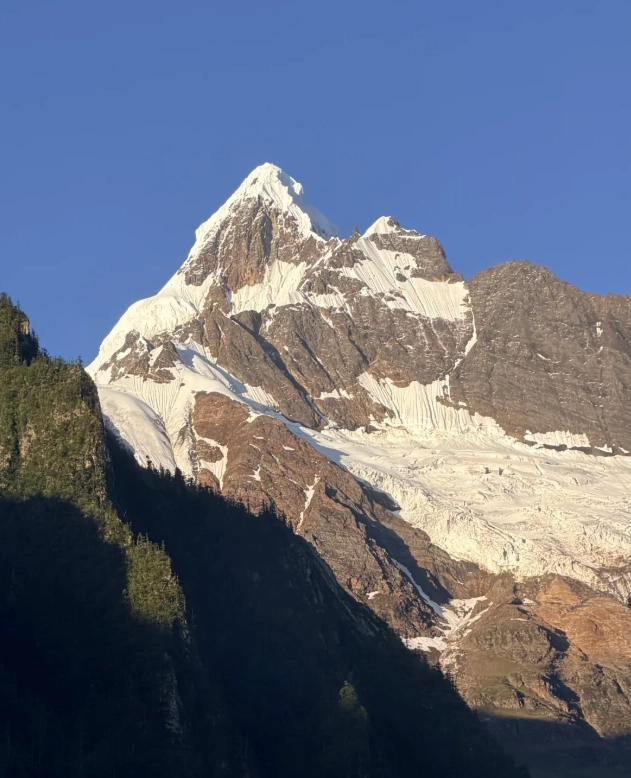
Where to Stay in Yubeng Village
Yubeng Village itself is divided into Upper Yubeng (Shang Yubeng) and Lower Yubeng (Xia Yubeng). Most guesthouses are family-run, basic, and offer a bed in a dorm (80–150 RMB) or a private room with shared bathroom (200–350 RMB). Some newer guesthouses have private bathrooms with hot water—but not always reliable.
My top picks:
- Yubeng Songzan Meili (上雨崩松赞梅里) — Upper Yubeng. Dorm beds from 100 RMB. Clean, good food, and the owner speaks a little English. Ask for a room facing the mountain.
- Meili Yubeng International Youth Hostel (梅里雨崩国际青年旅舍) — Lower Yubeng. Popular with foreigners. Private rooms ~250 RMB. Has a common area with board games. Hot water from 7–9 PM only.
- Lucky Inn (好运客栈) — Upper Yubeng. Budget option at 80 RMB for a dorm. No heating, so bring a sleeping bag liner in winter.
Booking tip: If you don’t speak Chinese, ask your hotel in Shangri-La or Deqin to call a guesthouse for you. Alternatively, book through Trip.com — they have a small selection, and customer service can help in English.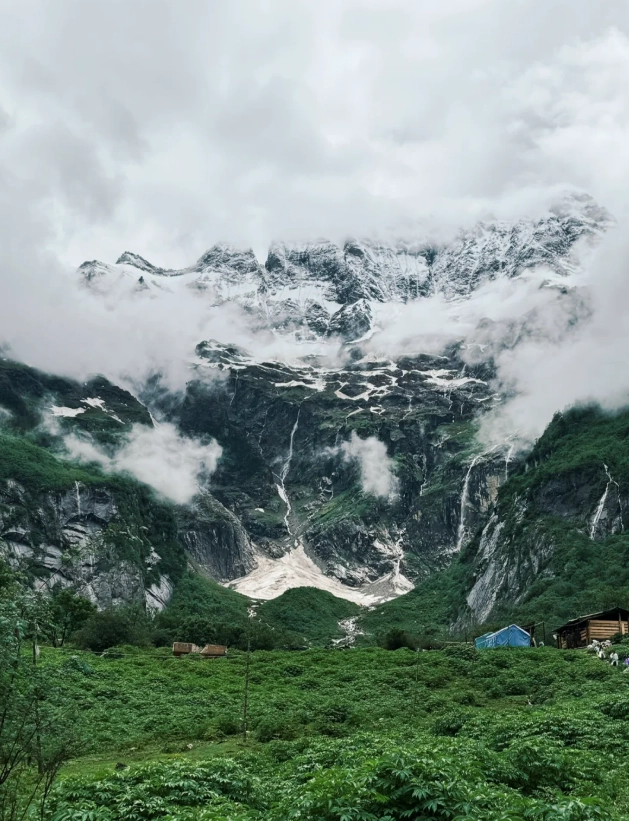
Hiking Routes & Packing Essentials
The Classic Day Hikes from Yubeng
1. Ice Lake (Binghu) Hike — 6–8 hours round trip, starts from Upper Yubeng. You’ll climb through forests to a stunning turquoise lake at 3,900 meters. Steep and slippery after rain. Start before 7 AM to avoid crowds and afternoon clouds.
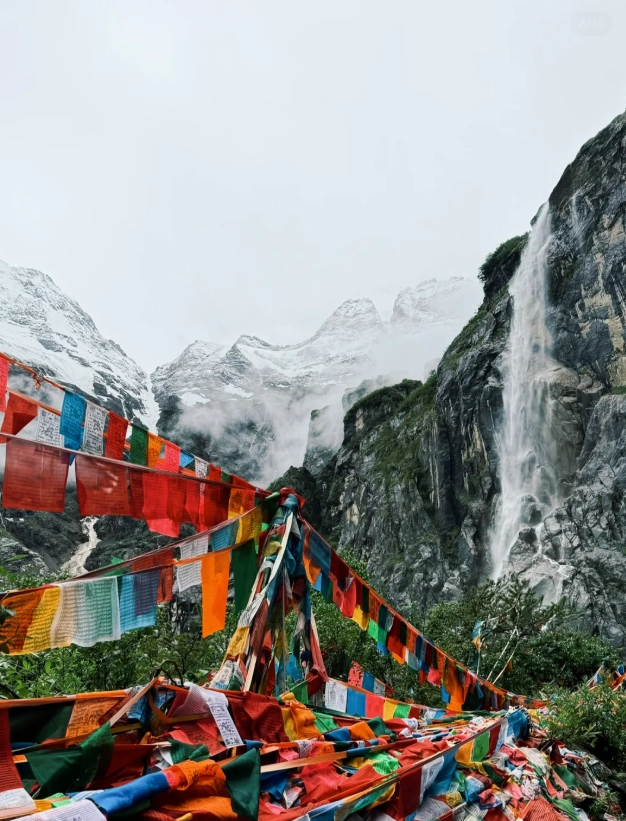
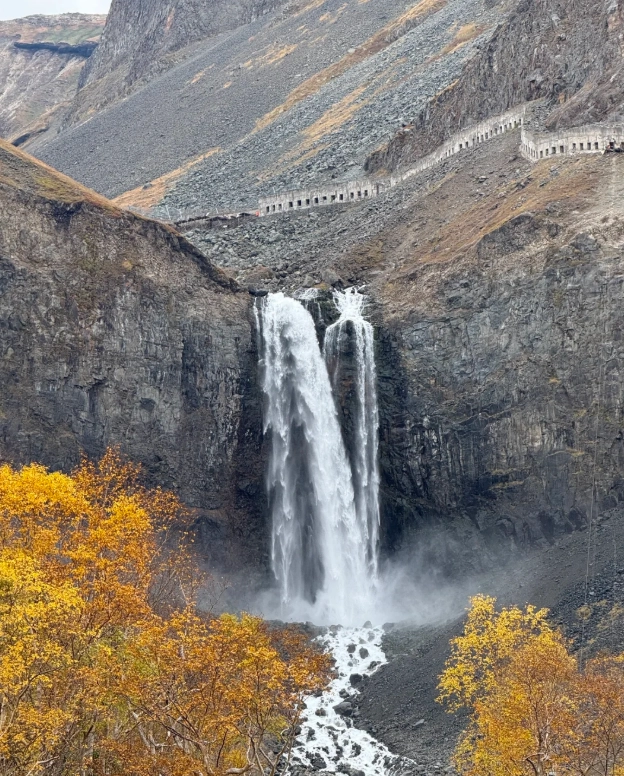
2. Sacred Waterfall (Shenpu) Hike — 4–5 hours from Lower Yubeng. Easier, with a powerful waterfall at the end. Tibetan pilgrims often bathe in the icy water. I don’t recommend it unless you’re very fit—the water is freezing!
3. Nidong Village to Yubeng (if you want a full-day trek) — 8–10 hours, very challenging. Requires a guide. Ask at your guesthouse.
What to Pack (Non-Negotiables)
- Cash (at least 1,500–2,000 RMB) — for tickets, jeeps, food, and accommodation. No cards, no mobile payment without signal.
- Hiking boots with ankle support — the trail is uneven, often muddy. I’ve seen too many twisted ankles in sneakers.
- Warm layers — even in summer, nights drop to 5–10°C. A down jacket and fleece are essential.
- Rain jacket & waterproof pants — sudden mountain showers happen any month.
- Headlamp/flashlight — some guesthouses have power outages.
- Water purification tablets or filter bottle — tap water is not safe. Guesthouses sell bottled water but it’s expensive (10 RMB).
- Sunscreen & sunglasses — UV is intense at this altitude.
- Basic first-aid kit — including diarrhea medicine, painkillers, and blister plasters.
- Offline maps — download the area in Google Maps or Maps.Me before you lose signal.
Insider advice: Leave your suitcase in Shangri-La or Deqin. Bring only a backpack. The jeep ride and hike will be miserable with a rolling suitcase. Almost every guesthouse can store luggage for a small fee (20–50 RMB per day).
Practical Tips: Cash, Phone, & Language
Cash is king. There is one ATM in Deqin town (Bank of China), but it often runs out of cash on weekends. I always withdraw enough cash in Shangri-La before heading out. Most guesthouses and small shops do not accept any form of electronic payment because the network is too weak.
Phone & internet: China Mobile and China Unicom have spotty 4G in Yubeng—often only 2G in the village itself. Forget about any signal when you are on the trail. Download all maps, translations, and entertainment offline before you arrive. WhatsApp, Facebook, Instagram, and Google services (including Google Maps) are blocked in China without a VPN. Make sure your VPN is installed and working before you leave a city. I recommend Astrill or ExpressVPN for reliability.
Language: The local Tibetans speak Kham Tibetan and some Mandarin. Almost no one speaks English. Prepare a translation app like Apple Translate or Baidu Translate (works offline better). Learn a few key phrases:
- “Hello” — Tashi Delek (Tibetan) / Nǐ hǎo (Chinese)
- “How much?” — Duōshao qián?
- “Thank you” — Thuk je che (Tibetan) / Xièxiè (Chinese)
Navigation: Google Maps is unreliable in China. Use Apple Maps (which uses AutoNavi data) or download the “AMap” app (Alibaba’s map). For offline hiking trails, the app “Maps.Me” has detailed trails around Yubeng.
Frequently Asked Questions
Verified and fact-checked by the editorial team. This content has been fact-checked to ensure informational precision.





We didn't know what to expect, but Yubeng completely blew us away. Yes, the entrance fee feels steep and the path down from Yading is long and dusty, but once you're in the village, time just slows down. We stayed at a wooden guesthouse with a balcony facing the glacier, ate hotpot with a bunch of strangers from Shanghai, and spent an entire afternoon doing nothing but watching clouds roll over the valley. The hike to Ice Lake is tough—my legs felt like jelly—but the silence up there, broken only by ice cracking and birdsong, was pure magic. If you're physically capable, don't overthink it. Just go.
This is not a sightseeing trip, it's a pilgrimage. The horse ride from the entrance to Lower Yubeng saved my parents a lot of pain, but I walked all the way and honestly every step was worth it. The rice paddies in early autumn were golden, the air smells of pine and woodsmoke, and at night the stars felt close enough to touch. My favorite part was sitting on a rock near the White Pagoda at sunrise, watching the color slowly hit the peak of Kawagebo. A local grandma saw me shivering and gave me a warm scarf without asking anything. That moment alone earns five stars. I will carry this place in my heart forever.
Yubeng is one of those rare places that actually looks better in person than in photos. We stayed three nights in Upper Yubeng, and every morning I opened my curtains to a different mood of the Meili snow mountains. The coffee at the little courtyard café was surprisingly decent, and I had the best yak butter tea of my life at a tiny family kitchen. The hike to the lake was brutal—some sections were pure mud and I slipped twice—but then you arrive at this turquoise lake surrounded by glaciers, and you forget everything. Go now, before it gets too crowded. I already miss the sound of the prayer wheels at dusk.
Four stars because the scenery is unreal, but you have to work for it. Arriving in Lower Yubeng after six hours of hiking, I just stood and stared at the snowy peaks and the green fields—it's like walking into a postcard. The village is raw and rustic, so don't expect luxury. My guesthouse had shared bathrooms and cold showers, but the family running it was so friendly they invited me for tea. The hike to Shenpu was exhausting and at times I wondered if I'd ever get there, but the waterfall at the end felt like a reward. Bring cash, earplugs (roosters!), and hiking poles. Worth it, but be prepared.
I really wanted to love Yubeng, and maybe I caught it on a bad week. The trek in from Xidang is no joke—my knees were screaming after those stone steps. Once inside, the village itself is charming, but I felt like everything was nickel-and-diming: 15 yuan for a small bottle of water, 50 yuan for a rice plate that was mostly cabbage. The rain made the trail to Ice Lake too slippery for me to finish, and my guesthouse had no heating except a tiny electric blanket. Stunning valley views, and the prayer flags around Upper Yubeng are magical, but I left with a sore back and a lighter wallet.