 Yan Zhou
Thirty seconds left. My client was still tangled up in the security scanner. The gate agent's hand was already on the door. Our train to Tai'an pulled out with two paid seats and nobody sitting in them.
That was a four-hundred-yuan lesson in how Shandong's rail network punishes people who treat stations like airports.
Shandong sits right on the spine of China's high-speed map. The Beijing–Shanghai line slices through Jinan, Tai'an and Qufu, while the coastal line stitches Qingdao, Yantai and Weihai together. Build any Shandong itinerary and you will spend more time inside these stations than you expect.
Here is what actually matters in a Shandong train station guide: you do not need a printed ticket, you do not need a Chinese phone number to board, and you absolutely do need to know which of the two Tai'an stations your train stops at. Get those three right and the rest is smooth.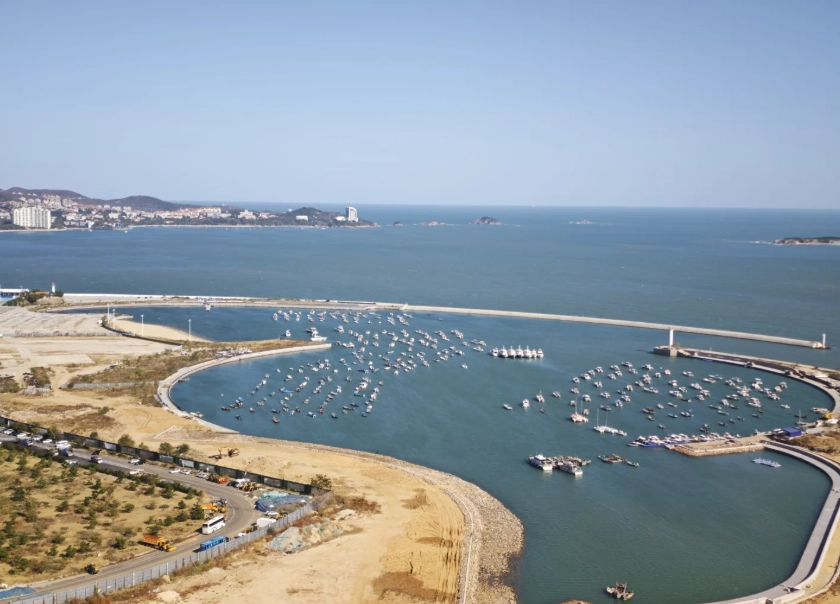
My hard rule after years of running this route with travelers: book the moment seats open, arrive 45 minutes early at Jinan West and 25 minutes early everywhere else, and keep your passport in your hand — not in your backpack — from the second you walk through the doors.
That is the short version. Here is everything behind it.
My Pocket Plan for Shandong Rail
- Why Shandong's Train Stations Confuse First-Timers
- Which Shandong Train Station Do You Actually Want?
- Tai'an Station vs Tai Shan Station
- How Do You Book a Shandong Train Ticket as a Foreigner?
- What Happens Inside a Shandong Train Station
- Getting From the Station to What You Came For
- Where to Stay Near Shandong's Main Train Stations
- Food, Luggage and the Small Stuff
- Shandong Train Station Questions I Get Asked Most
Why Shandong's Train Stations Confuse First-Timers
Shandong's stations are not hard to use — they are hard to tell apart. The naming system quietly assumes you already know the local geography, and Google Maps will happily send you to the wrong one.
Three things go wrong most often.
- Name collisions. Jinan alone has three passenger stations — Jinan, Jinan West and Jinan East — and they point in completely different directions.
- Passport gates. Chinese ID cards scan instantly. Passports sometimes do not, and the fix is not obvious if you cannot read Chinese.
- Payment walls. Ticket counters run on cash and mobile payment only. Your Visa card will not work there.
And the part nobody warns you about: Google Maps is unreliable inside mainland China. Download AMap, which now ships an English-friendly mode, or use Apple Maps, which is accurate here. Both let you search a station name in English and land on the correct pin. Do this before you fly, not at the station door.
Which Shandong Train Station Do You Actually Want?
Pick your station by destination, not by city name. This is the table I keep in my phone and check before every booking.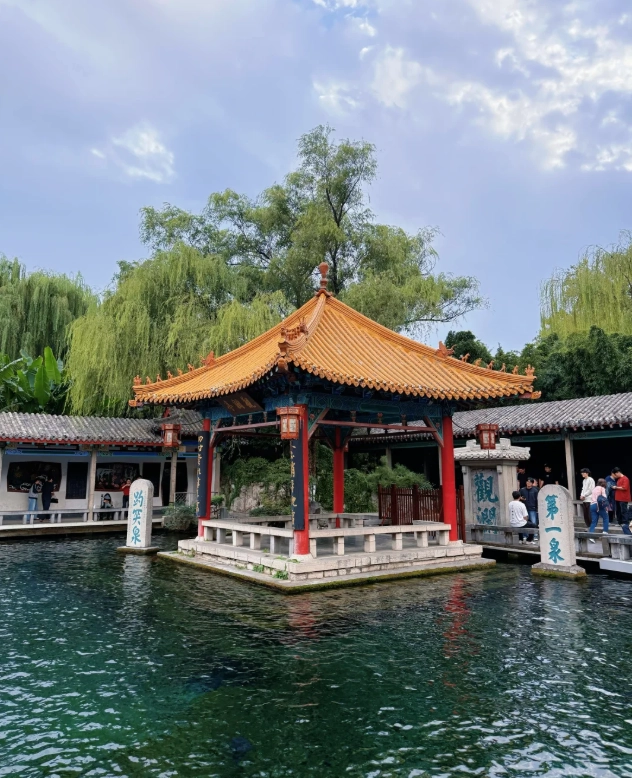
| Station | Main Lines | Best For | Getting Into Town | Watch Out For |
|---|---|---|---|---|
| Jinan West — 济南西站 | Beijing–Shanghai HSR | Connections to Beijing, Shanghai, Tai'an, Qufu | Metro to the western districts; taxi downtown 30–40 min | Enormous concourse, long walk to platforms |
| Jinan Railway Station — 济南站 | Conventional rail and some Jiaoji services | Daming Lake, Baotu Spring, old town | Metro access is still awkward — take a taxi | Older building, chaotic at peak hours |
| Qingdao Railway Station — 青岛站 | Coastal and Jiaoji HSR | Zhanqiao Pier, Old Town, Badaguan | Walk 10 min to Zhanqiao Pier; Metro Line 3 at the door | Beautiful 1901 building but a small concourse |
| Qingdao North — 青岛北站 | Most long-distance HSR | Airport transfers, Laoshan side of the city | Metro Lines 1, 3 and 8 — Line 8 runs to Jiaodong Airport | Roughly 40 min by metro from the Old Town |
| Tai'an Station — 泰安站 | Beijing–Shanghai HSR | Mount Tai | Taxi 20 min to the Red Gate trailhead | Not the same station as Tai Shan Station |
| Qufu East — 曲阜东站 | Beijing–Shanghai HSR | Temple of Confucius, Confucius Cemetery, Kong Family Mansion | Taxi about 20 min; shuttle buses run to the scenic area | Very limited English signage |
| Zibo North — 淄博北站 | Jiaoji HSR | Zibo barbecue, ceramics museums | Taxi 20 min into the city center | Weekend dinner queues are brutal |
Tai'an Station vs Tai Shan Station: The Mix-Up That Costs You Two Hours
Tai'an Station is the high-speed station on the western edge of the city; Tai Shan Station is the older conventional station close to the mountain's south gate. They sit roughly 12 km apart, and no taxi driver will guess which one you meant.
If your train number starts with G, you are almost certainly arriving at Tai'an Station. From there it is a 20-minute taxi ride to the Red Gate, usually under 40 yuan. City buses run the same route, but after a long ride you will not want to fight for a seat with a backpack on.
One detail I always pass along: the Red Gate is the classic hiking start, but the Tianwai Village entrance is where the cable car and the mountain bus connect. If your knees are questionable, ask the driver for Tianwai Village instead. Same mountain, half the suffering.
Qingdao Station vs Qingdao North: Choose Based on Your Next Move
Qingdao Station drops you into the Old Town, three minutes from the water; Qingdao North is a transport hub on the northern edge of the city. Booking the wrong one costs you an hour in traffic.
Here for Zhanqiao Pier, the beer museum and Badaguan? Qingdao Station, every single time. It is one of the prettiest railway buildings in China — a German-era structure from 1901 that still runs as a working station.
Flying out the next morning? Qingdao North is the smarter base. Metro Line 8 connects Qingdao North directly to Jiaodong International Airport, which saves you a taxi bill of well over 100 yuan.
How Do You Book a Shandong Train Ticket as a Foreigner?
You have two realistic routes: the official China Railway site at 12306.cn, or a reseller such as Trip.com. Both accept a passport. They behave very differently under pressure.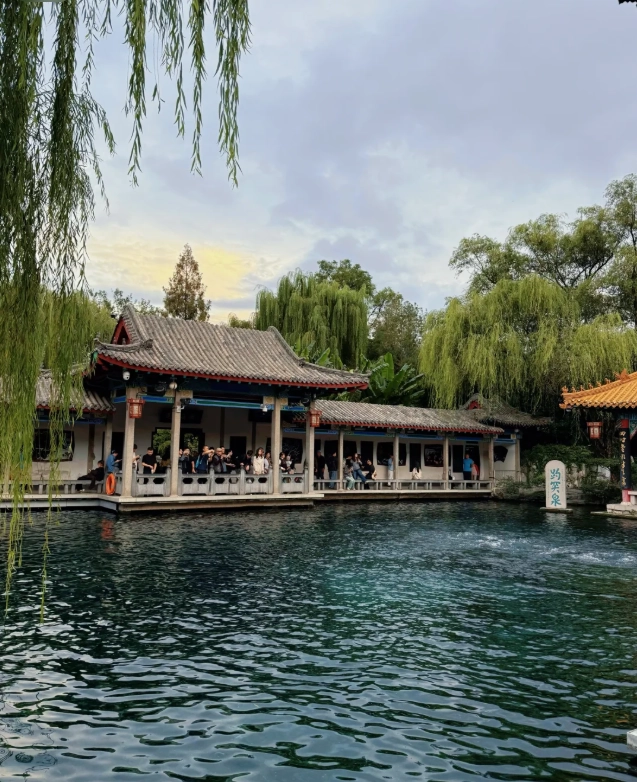
The 12306 Route
12306 now has an English interface, and it is the only place where you see the real inventory. Register with your passport number exactly as printed on the photo page, middle names included. If the app refuses to verify you, you can finish the process at a station counter with the physical passport in hand.
Now the honest part: the 12306 app is clunky, and the English layer does not cover every screen. If the WeChat mini-program rejects your card, do not panic. Ask your hotel receptionist to book it for you and pay them in cash. I arrange this for clients constantly, and it takes the receptionist about ninety seconds.
The Trip.com Shortcut
Trip.com charges a small booking fee but accepts international cards, stores your passport details, and sends English confirmations. For a two-train trip, that fee buys real peace of mind. For a six-leg Shandong loop, go straight to 12306 and keep the markup in your pocket.
Tickets, Seat Classes and the Booking Window
China Railway generally releases seats about 15 days before departure. Popular Shandong services — Qingdao to Jinan on a Friday evening, anything into Tai'an before a public holiday — can sell out within hours of opening.
- Second class is the default and is perfectly comfortable for trips under three hours.
- First class buys a wider seat and a quieter carriage. On short intercity hops the upgrade often costs only a few dozen yuan, which is why I usually take it.
- Business class runs on the Beijing–Shanghai line and is priced like a short-haul flight.
- Standing tickets appear at peak times on some routes. Skip them for anything longer than an hour.
One more document note: your passport must be valid and must match the booking exactly. Entry and transit rules shift, so check the National Immigration Administration before you fly rather than trusting a blog post written two years ago.
Pro Tip: Your passport is your ticket. There is no paper ticket to collect and no QR code to print. Keep it in your hand, because you will need it at least three times — security, the ticket gate, and occasionally a spot check on the platform.
What Happens Inside a Shandong Train Station, Step by Step
The sequence never changes: security, waiting hall, ticket gate, platform. Only the timing varies.
Step 1 — Security
Bags go through an X-ray and you walk through a metal detector. Liquids are fine on Chinese rail, unlike at airports, but there are real limits. Lighters are capped at two per person. Self-pressurized aerosol cans are restricted. Power banks above 160Wh are not allowed, and they must travel in your carry-on rather than a checked bag — which on high-speed rail is moot anyway, since you carry everything.
Step 2 — The Ticket Gate and the Passport Problem
Find the departure board, note your train number and gate, then join the automated queue. Place your passport flat on the reader. It usually works.
When it does not — and it happens more with older or slightly worn passports — step out of the line and look for the manned lane at the far end of the row. Staff will type your passport number in manually. This is routine, not a crisis. Give it five minutes and you are through.
Step 3 — The Five-Minute Rule
Gates close roughly five minutes before departure. Not three, not ten — about five, and staff enforce it without sympathy. If the board says 14:32, be through the gate by 14:25.
Pro Tip: Ignore the advice to arrive two hours early. Jinan West's waiting hall is loud, short on seating, and has roughly one decent coffee counter. Forty-five minutes is the sweet spot. The exceptions are Friday afternoons, Sunday afternoons, and the days around Lunar New Year and the October holiday, when the security queue at Jinan West can stretch past 20 minutes.
Step 4 — Finding Your Carriage
Platform floor markings show where each carriage stops. Your ticket lists the carriage number. In practice, locals walk to the nearest door and shuffle down the aisle. You can do the same, and honestly it is faster than counting carriages on a moving platform.
Getting From the Station to What You Came For
The last mile is where Shandong trips fall apart. Trains run to the minute. Taxis do not.
Mount Tai from Tai'an Station
A taxi from Tai'an Station to the Red Gate takes about 20 minutes and should come in under 40 yuan. Use DiDi through Alipay or insist on the meter. The mountain entrance ticket is separate from your train fare — expect somewhere around 115 yuan in peak season and less in winter, with cable car rides costing extra. Buy it through the official ticketing channel or ask your hotel to handle it.
Here is the part most guides skip: if you plan to climb overnight for sunrise, do not arrive at 10 p.m. and expect to start walking. The climb from the Red Gate takes most people four to six hours. Arriving around midnight is the sensible plan. I have watched too many travelers start at 2 a.m., miss the sunrise, and spend the morning miserable.
Confucius Sites from Qufu East
Qufu East sits about 20 minutes by taxi from the Temple of Confucius. The three core sites — the Temple, the Cemetery and the Kong Family Mansion — are within walking distance of each other, and the whole cluster carries a UNESCO World Heritage listing. Buy the combined ticket and give it a full day rather than cramming it into an afternoon.
Old Qingdao from Qingdao Station
Walk out of the station, cross the road, and you are staring at Zhanqiao Pier. Ten minutes on foot, no transport required. This is the most convenient station-to-sightline in the entire province, and it is exactly why I tell people to book Qingdao Station rather than Qingdao North whenever the Old Town is the plan.
If You Only Have 24 Hours in Shandong
Land at Qingdao Jiaodong International Airport around 9 a.m. Take Metro Line 8 to Qingdao North, then a high-speed train toward Tai'an. Many services require a change at Jinan, so check 12306 for direct trains before you commit to the plan.
Arrive in Tai'an mid-afternoon, drop your bag at a hotel near the Red Gate, eat an early dinner, and sleep until 11 p.m. Then start climbing. You will reach the summit before dawn, catch the sunrise, and be back on a train toward Qufu by early afternoon. It is a brutal 24 hours and plenty of people regret it. But if your window is genuinely that tight, it is the only itinerary that delivers both the mountain and Confucius in a single loop.
Where to Stay Near Shandong's Main Train Stations
Staying near the station is smart in Tai'an and Qufu, and pointless in Qingdao — there you want the Old Town, which happens to sit right beside the station anyway. Rates swing hard with season and public holidays, so treat the figures below as rough planning numbers and verify on the day.
| Hotel or Brand | Area | Est. Price per Night | Best For | Practical Notes |
|---|---|---|---|---|
| Hanting Hotel, Jinan West Station area | 5–10 min walk from Jinan West | RMB 220–380 | Solo travelers and budget trips | Reliable Wi-Fi, small rooms, front desk English is basic |
| Atour Hotel, Qingdao Old Town or Zhanqiao area | About 10 min walk to Zhanqiao Pier | RMB 450–800 | Couples, design-minded travelers | Good Wi-Fi, English-speaking desk, ask for a high floor away from the street |
| Guesthouses near the Red Gate, Tai'an | Walking distance to the hiking start | RMB 250–550 | Overnight Mount Tai hikers | Confirm late check-in and luggage storage before booking |
| Sofitel Jinan Silver Plaza | Jinan city center | RMB 700–1,200 | Families and business travelers | Full-service, English front desk, reliable elevators and quiet rooms |
| Shangri-La Qingdao | May Fourth Square, about 15 min by taxi to Qingdao Station | RMB 900–1,500 | Luxury stays, families with kids | Sea views, strong service, easy taxi pickup at the main entrance |
Two practical warnings. Chinese budget chains like Hanting and Atour are clean, safe and far better value than the price suggests — but the level of English at the front desk varies wildly from branch to branch. And if you are arriving after 10 p.m., call ahead. Some smaller properties lock their doors, and the night staff may not pick up a phone call in English.
Food, Luggage and the Small Stuff That Ruins Trips
Station food in Shandong is expensive and forgettable. Jinan West has a small upstairs food court with noodle shops, and Qingdao Station has convenience stores on the concourse. Neither is worth building your schedule around.
What I actually do is grab a jianbing or a couple of baozi from a street stall before heading to the station and eat on the train. Instant noodles are the local ritual, and there is hot water at the end of every carriage.
- Left luggage: staffed counters operate at Jinan West, Qingdao Station and Tai'an Station. Bring your passport, expect roughly 10–20 yuan per bag, and confirm closing hours when you drop it off.
- Station Wi-Fi: technically free, practically useless without a Chinese phone number for the SMS code. Buy an eSIM before you fly.
- Toilets: a mix of squat and seated. Carry your own tissue, because it is not always stocked.
- Power: outlets sit at the ends of each carriage and under seats on newer trains. A power bank is more dependable.
- Announcements: Mandarin first, sometimes English second. Watch the departure board instead of listening.

Insider Advice: Set up a VPN and link your international card to Alipay or WeChat Pay before you land. Almost nothing at a Shandong train station runs on a foreign credit card — not the ticket counter, not the vending machines, not the luggage desk. Cash in RMB still works at ticket windows, so keep a couple of hundred yuan as a backup.
Shandong Train Station Questions I Get Asked Most
Can I board a Shandong high-speed train with only my passport and no printed ticket?
Your passport is the ticket. Since the e-ticket rollout there is nothing to collect and staff will never ask for a booking reference. The catch is that you need it in your hand at three separate checkpoints, so do not bury it in a suitcase that has already gone through the scanner — that is the single most common way people end up sprinting down a platform.
What should I do if my passport will not scan at the ticket gate?
Step out of the queue and walk to the manned lane at the far end of the gate row. Staff will key your passport number in by hand, which takes about a minute. This happens more with older passports or ones with a worn chip. The mistake travelers make is standing at the broken gate and pressing harder, burning five minutes while the train boards behind them.
How early should I actually arrive at Jinan West Railway Station?
Forty-five minutes is right for a normal departure. Push it to 70 minutes on Friday afternoons, Sunday afternoons, and around Lunar New Year or the October holiday, when the security line can exceed 20 minutes. Do not arrive two hours early thinking you will relax — the waiting hall is loud, seats are scarce, and you will spend the time standing anyway.
Do ticket counters at Shandong train stations accept international credit cards?
Mostly no. Counters take cash in RMB and domestic mobile payment. Your realistic options are cash, or Alipay and WeChat Pay linked to a foreign card. Since nearly every booking can be done on 12306 or Trip.com before you travel, treat the counter as a backup rather than a plan.
What happens if I miss my train?
You can usually rebook onto a later service the same day, but the new ticket may cost the difference and popular routes will have nothing left. Go straight to the ticket office with your passport rather than arguing at the gate. If it is a Friday evening or a holiday period, accept that you may be buying a standing ticket on the next available departure.
Verified and fact-checked by the editorial team. Station layouts, ticketing rules and transfer routes were cross-referenced against operator guidance and first-hand experience on the ground. Fares, opening hours and hotel rates shift with season and demand, so confirm current details through official channels before you finalize your trip.




No comments yet.