 Qiang Huang
Ten days. No embassy appointment. No visa fee. That is the whole pitch — and it holds, as long as you get one thing right.
I once stood beside a traveler from Melbourne at the immigration desk in Qingdao Jiaodong while an officer calmly explained that her return ticket to Sydney did not count. Ninety minutes in a side room. She missed her hotel shuttle and spent her first Shandong night in the terminal.
The Shandong 240-hour visa-free transit rule is the best open door for seeing Qingdao, Jinan, Mount Tai and Qufu without filing a single form. It is also a transit policy, not a tourist visa — and that one word decides whether you walk through or get parked in secondary inspection.
So here is the conclusion first: land at Qingdao Jiaodong International Airport, keep a printed onward ticket to a third country in your bag, and put Mount Tai on a weekday. The rest of this is the detail behind those three calls.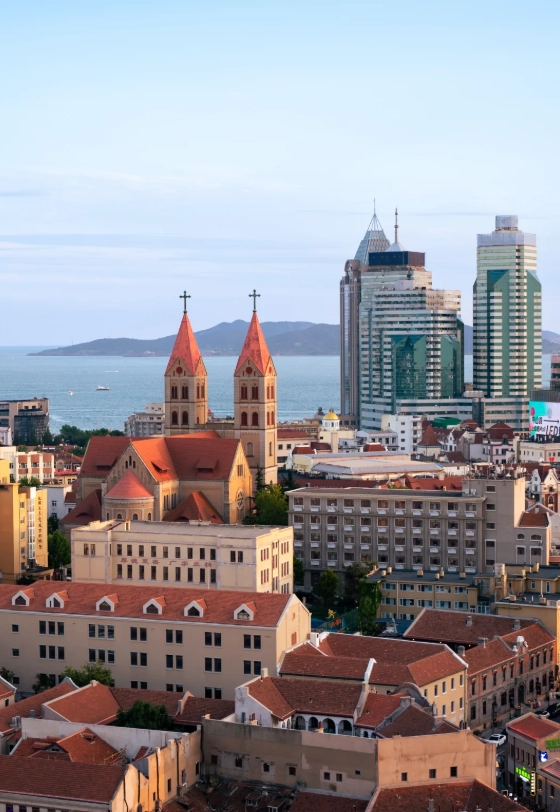
Quick map of what is below —
What I Cover In This Guide
- What Is the Shandong 240-Hour Visa-Free Transit Rule?
- How to Build a 10-Day Shandong Route That Fits the Clock
- Where to Stay in Shandong Without Burning Visa Hours
- How Do You Pay, Navigate and Book Tickets in Shandong?
- What to Eat in Shandong and What It Really Costs
- Six Mistakes That Burn Your 240 Hours
- Questions Travelers Keep Emailing Me
What Is the Shandong 240-Hour Visa-Free Transit Rule?
China's National Immigration Administration switched the old 144-hour transit window to 240 hours, and the change added four full days to what you can legally do in the country. Citizens of 54 countries can now enter through 60 designated ports and stay up to ten days with no visa, no interview and no fee.
Shandong is wired into the scheme. That matters more than most travelers realise, because this one province holds a UNESCO-listed sacred mountain, the hometown of Confucius, a brewery city with German bones, and a seafood coastline that beats most of northern China.
Ten days is genuinely enough here. What is not enough is winging it.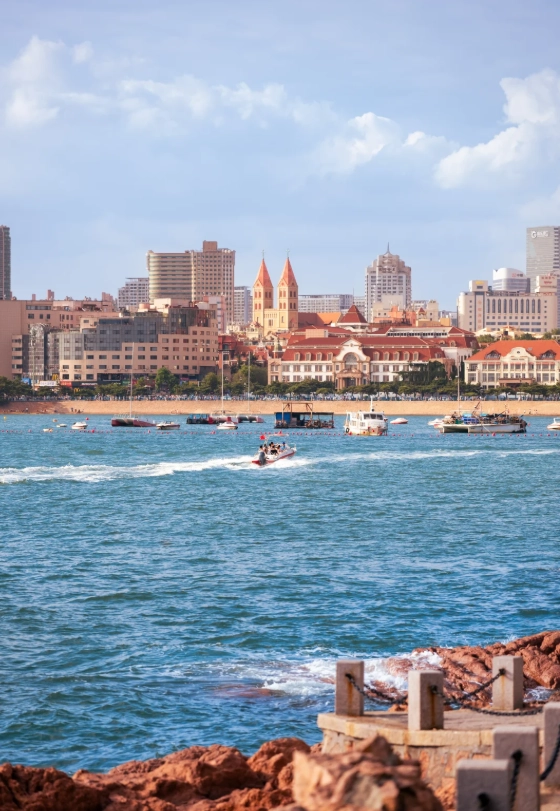
Who Qualifies — and Who Gets Turned Away
The single condition that kills most applications is the third-country rule, and border officers enforce it without negotiation. Everything else is paperwork. Here is the checklist I run through with every client before they book flights:
- You hold a passport from one of the 54 eligible countries — most of Europe, plus the US, Canada, Brazil, Mexico, Argentina, Chile, Australia, New Zealand, South Korea, Japan, Singapore, Brunei, the UAE and Qatar.
- Your passport has at least three months of remaining validity.
- You hold a confirmed onward ticket to a third country or region, with a real date and a real seat, departing inside the 240-hour window.
- You enter and exit through designated ports.
- You stay inside the designated stay area for the whole trip.
Sydney → Qingdao → Sydney does not work. Sydney → Qingdao → Seoul does. Hong Kong and Macau count as separate regions for this purpose, so London → Jinan → Hong Kong is a valid routing.
Pro Tip: Print your onward booking. Not a screenshot on a phone that will be at four percent battery after a twelve-hour flight. I have watched a very tired man from Toronto scroll through his inbox at the immigration desk with a dead screen and a growing queue behind him, and it was not a good look for anyone.
Which Shandong Ports You Can Enter and Exit From
You can fly into one designated port and leave from a different one, and that flexibility is what makes a Shandong loop realistic. These are the entry and exit points in the province:
| Port | City | Type | Best For |
|---|---|---|---|
| Qingdao Jiaodong International Airport (TAO) | Qingdao | Air | Most international routes; the default choice |
| Jinan Yaoqiang International Airport (TNA) | Jinan | Air | Starting north, close to Mount Tai and Qufu |
| Yantai Penglai International Airport (YNT) | Yantai | Air | Japan and Korea connections; Penglai Pavilion |
| Weihai Dashuibo International Airport (WEH) | Weihai | Air | Short hops from Seoul; coastal road trips |
| Qingdao Port passenger terminal | Qingdao | Sea | Arriving by ferry or cruise from Japan or Korea |
Now the part that catches people out. The 240 hours is not a national roaming pass. Each province publishes a designated stay area, and Shandong's covers its main cities — Qingdao, Jinan, Yantai, Weihai, Tai'an, Zibo, Qufu in Jining, and others. The list is published and it does get revised, so pull the current version from the National Immigration Administration site and screenshot it before you fly.
If your plan involves hopping to Beijing or Shanghai halfway through, check whether cross-province movement is permitted under the rules in force on your travel dates. Do not assume.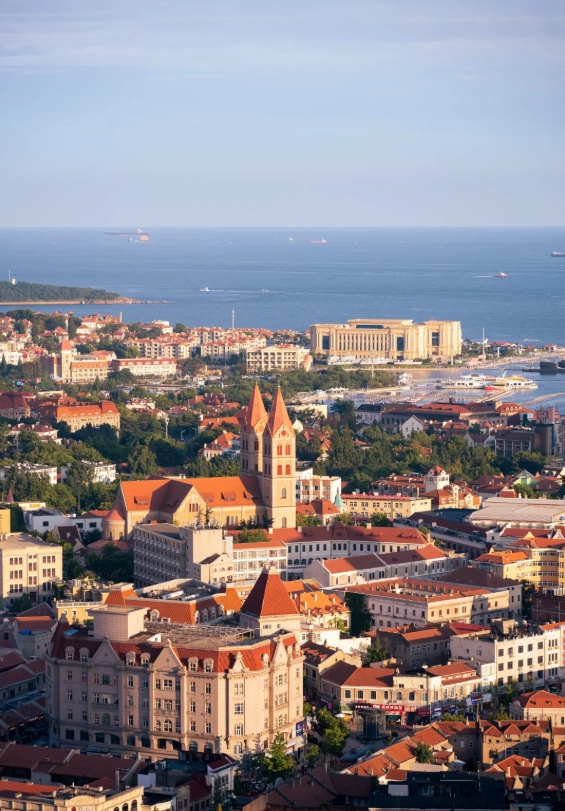
The Paperwork Officers Actually Ask For
Nobody has ever asked me for a hotel booking confirmation at the counter, but they always look at the onward ticket. This is the folder I keep in my own carry-on, and it has never failed:
- Passport, plus a photocopy of the photo page tucked in a separate bag
- Printed onward flight or ferry confirmation
- First night's hotel name and address, written in English and Chinese characters
- A one-page itinerary with city names and dates
One more detail worth knowing: the 240-hour clock starts at 00:00 on the day after your date of entry. Land at 11pm on a Tuesday and your window effectively opens Wednesday midnight. It is a small freebie, and it occasionally buys travelers a whole extra day.
Registration is the other thing. Hotels register foreign guests with the local police automatically — that is handled at check-in. But if you book an apartment, a homestay or a friend's spare room, you must register yourself at the nearest police station within 24 hours, with your passport and your host's ID. Skipping this can mean a fine and an awkward conversation on the way out.
How to Build a 10-Day Shandong Route That Fits the Clock
Shandong looks compact on a map and is not. Jinan to Qingdao is roughly 350 kilometres, and every city change quietly eats half a day. This sequence keeps the rail legs short and puts the mountain in the middle, when your legs are still fresh.
| Day | Base | What You Actually Do | Getting There |
|---|---|---|---|
| 1 | Qingdao | Land at TAO, transfer to Old Town, easy dinner, sleep off the flight | Metro Line 8 to Qingdao North, change to Line 3; about 70 minutes |
| 2 | Qingdao | Zhanqiao Pier, St. Michael's Cathedral, Signal Hill, Badaguan lanes | All walkable, or short DiDi hops |
| 3 | Qingdao | Laoshan Taiqing route, or Tsingtao Brewery Museum plus Beer Street | Tour van or bus to Laoshan; Metro Line 3 to the brewery |
| 4 | Qingdao | May Fourth Square, Olympic Sailing Center, Xiaomai Island, seafood market dinner | Metro Lines 2 and 3 cover the loop |
| 5 | Jinan | Rail to Jinan, Baotu Spring, Daming Lake, dinner on Kuanhouli | Qingdao to Jinan: 1h40m to 2h30m |
| 6 | Tai'an | Rail to Tai'an, climb or cable-car Mount Tai, sunset at South Heaven Gate | Jinan to Tai'an: about 20 minutes |
| 7 | Jinan | Shandong Museum, Black Tiger Spring, Qushuitan, Furong Street snacks | Tai'an to Jinan: about 20 minutes |
| 8 | Qufu | Temple of Confucius, Kong Family Mansion, Cemetery of Confucius | Jinan to Qufu East: about 40 minutes |
| 9 | Zibo | Zhoucun Ancient Town, Zibo barbecue dinner | Qufu to Zibo: 1.5 to 2 hours with a change at Jinan |
| 10 | Qingdao or Jinan | Rail back, one last bowl of noodles, fly out to your third country | Zibo to Qingdao: about 2 hours |
Days 1 to 4: Qingdao, the City That Rewards Slow Walkers
Qingdao is the one Shandong city where I tell people to delete half their list and just walk, because the best of it is a two-kilometre strip of German-era streets above the bay. Start at Zhanqiao Pier, which is free and open around the clock, then head uphill.
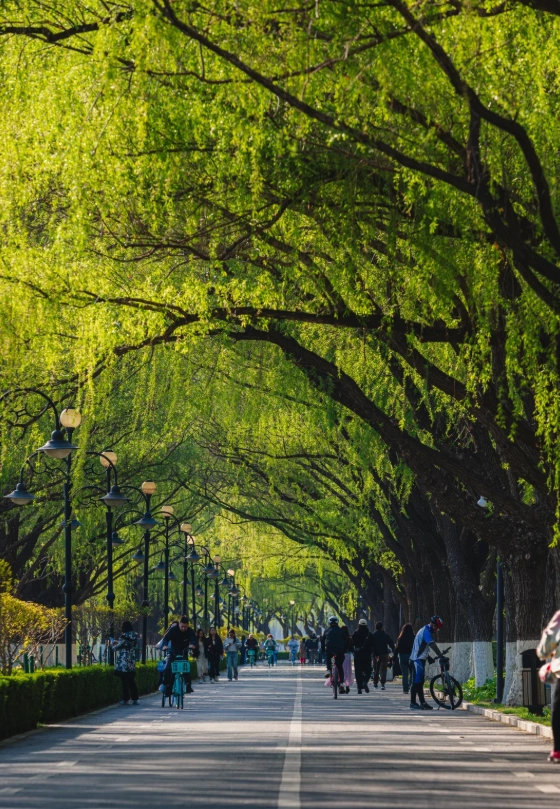
St. Michael's Cathedral charges a small entry fee in the region of ¥10 and closes late afternoon; Sunday mornings are partly reserved for services, so do not plan a photo shoot then. Signal Hill gives you the postcard view over the red roofs for a modest ticket. Badaguan, the "Eight Great Passes" district, is free and is where I send anyone who wants twenty quiet minutes under plane trees.
For the beer side of the city, the Tsingtao Brewery Museum sits on Dengzhou Road in Shibei District and costs roughly ¥60, which includes tastings. I will be honest: the tour itself is dated and a bit corporate, but the tasting room at the end is worth the ticket, and the walk down to Beer Street afterwards is the real experience.
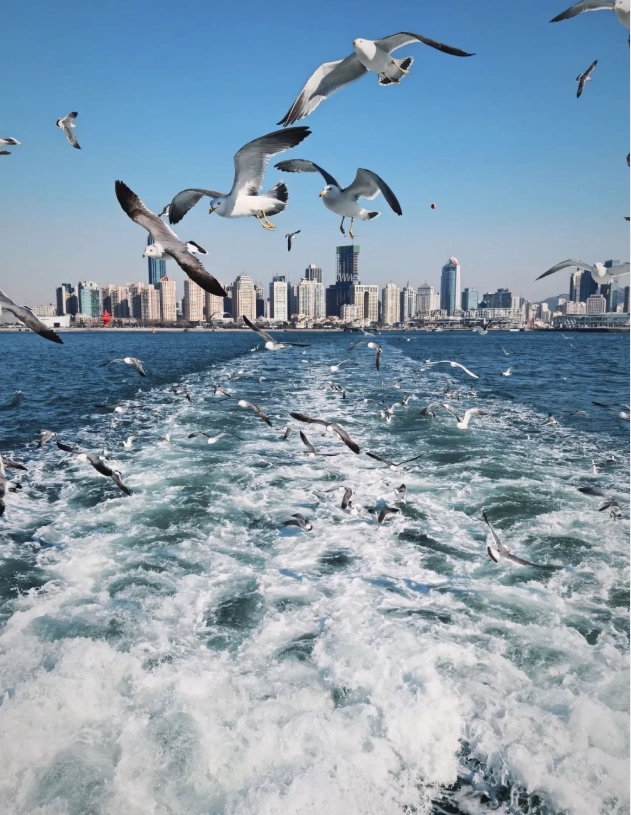
Insider Advice: The Zhanqiao seagulls arrive in the cold months, and the pier turns into a wall of selfie sticks between 10am and 2pm. Come at 7am. The light is better, the birds are still hungry, and you will not be dodging anyone.
For seafood, skip the tourist-facing restaurants on Zhongshan Road. Go to a wet market — Yingkou Road is the classic — buy your clams, prawns and scallops, then hand the bag to one of the small kitchens along the same street. Cooking fees run roughly ¥10 to ¥30 per dish. A full dinner with beer lands somewhere between ¥80 and ¥150 per person, and it is the best money you will spend in Shandong.
Day 3 is a choice. Laoshan, the coastal mountain range, needs a full day and a scenic-area ticket plus shuttle that together come to roughly ¥100 to ¥140 per adult depending on the route you pick. If the weather is grey, drop Laoshan and do the brewery instead — the mountain is wasted in fog.
Days 5 to 7: Jinan and the Mount Tai Climb
Jinan is the city travelers skip and then regret skipping, mostly because it is the only place in China where you can walk between a gushing karst spring, a lake and a thousand-year-old Buddhist cliff carving in a single afternoon. Baotu Spring costs around ¥40 and is at its best in the morning before the tour buses arrive. Daming Lake itself is free to walk; boats and a few halls charge separately.
For dinner, Furong Street is the famous strip and it is fine, but Kuanhouli is where locals actually eat. Order ba zi rou — braised pork belly over rice — and a bowl of tian mo. The name means "sweet foam," which is a lie; it is savoury, peppery and slightly salty, and every foreign guest I have taken there has made the same surprised face.
Getting to Tai'an is almost too easy: high-speed trains from Jinan take about twenty minutes. Book through the official China Railway 12306 platform or a foreigner-friendly reseller, and remember there is no paper ticket — you scan your passport at the gate.
Now the mountain. Every blog on the internet screams "sunrise on Mount Tai." I have done that climb more times than I want to count, and I will say it plainly: the sunset is the better experience. The cable cars stop running in the evening, so the summit empties out, and on a weekday you can stand at the South Heaven Gate with almost nobody around you. Sunrise in peak season means sharing a stone platform with several thousand people and queueing two hours for the cable car down.
Entrance to the mountain runs around ¥115 in peak season and ¥100 in the winter window, with cable car rides around ¥100 each way. Prices shift, so confirm on the official ticketing channel the week you travel.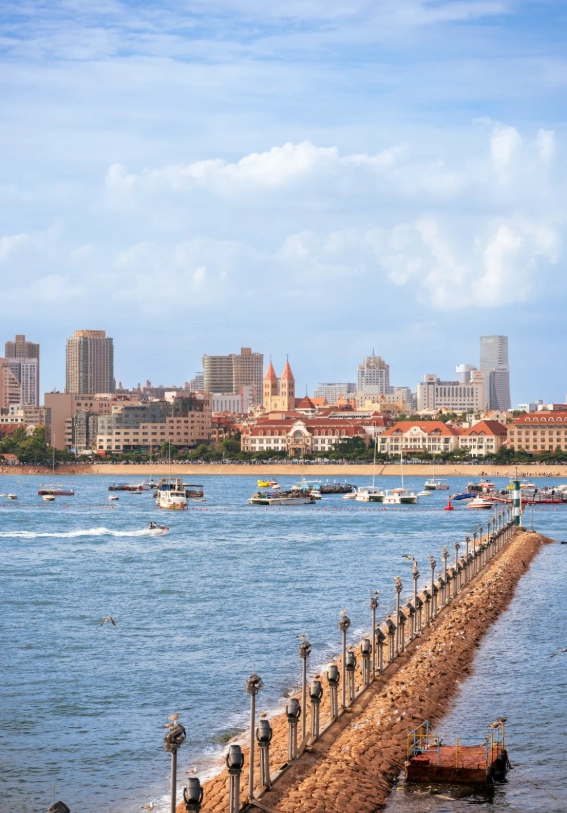
Days 8 to 10: Qufu, Zibo and the Exit
Qufu is the reason I push people past the coastal cities, because the Temple, Mansion and Cemetery of Confucius form a UNESCO World Heritage site that gets a fraction of the crowds of Beijing's big-ticket attractions. The combined San Kong ticket usually sits around ¥140. The cemetery sits about 1.5 kilometres north of the temple — take a taxi rather than walking it in summer heat.
Zibo is the wildcard. The city went viral for its charcoal-table barbecue, and it is genuinely good: you get a small grill in the middle of the table, a stack of thin pancakes, raw scallions and a dish of sauce, and you build your own wrap. Budget ¥60 to ¥100 per person with drinks. Zhoucun Ancient Town on the edge of the city is a half-day walk through old commercial architecture.
If you only have 72 hours: land in Qingdao, do Old Town and Badaguan on day one, take the morning train to Tai'an and ride the cable car up Mount Tai on day two, then spend day three in Jinan before flying out. It is rushed, but it is a complete Shandong trip and it fits comfortably inside the window.
Where to Stay in Shandong Without Burning Visa Hours
Location beats luxury here. A cheap room next to a metro station saves you more sightseeing time than a suite twenty minutes out of town. Prices below are typical mid-season estimates and they climb hard during the May Day and National Day holidays.
| Hotel | City | Area | Est. Price Per Night | Best For |
|---|---|---|---|---|
| The St. Regis Qingdao | Qingdao | May Fourth Square | ¥1,400-2,200 | Couples, harbour views, high-floor comfort |
| Shangri-La Qingdao | Qingdao | Fushan Bay | ¥900-1,500 | Families, first-timers who want everything handled |
| InterContinental Qingdao | Qingdao | Olympic Sailing Center | ¥800-1,400 | Runners, sea-view morning walks |
| Atour Hotel (central Qingdao branches) | Qingdao | Old Town or May Fourth Square | ¥350-600 | Solo travelers, consistent mid-range quality |
| Hyatt Regency Jinan | Jinan | Lixia District | ¥700-1,200 | Base for Baotu Spring and Daming Lake |
| Atour Hotel (Jinan city centre branches) | Jinan | Near Daming Lake | ¥350-550 | Walkable sightseeing on a budget |
| Independent guesthouses on Hongmen Road | Tai'an | Hongmen trailhead | ¥200-450 | Night climbers who want to start at 10pm |
Two practical notes. First, near Hongmen the guesthouses fill up on weekends with Chinese hikers, so book a fortnight ahead if your Mount Tai day lands on a Saturday. Second, luggage storage matters more than you think when you are moving cities every other day — the big chains all hold bags after checkout, smaller guesthouses sometimes cannot, so ask before you book.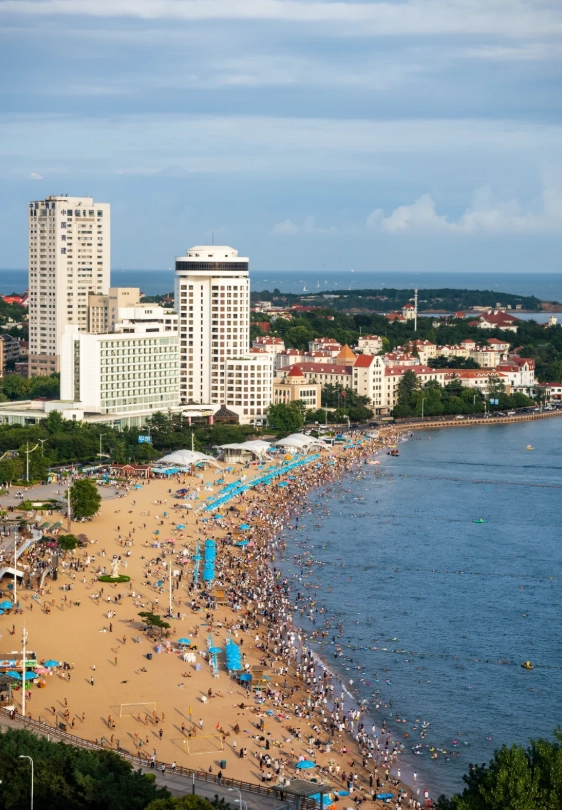
How Do You Pay, Navigate and Book Tickets in Shandong?
Almost every friction point for foreign travelers in Shandong comes down to three things: money, maps and reservations — and all three are solvable before you board your flight.
Paying With Alipay or WeChat Pay as a Foreigner
Link your international card to Alipay or WeChat Pay before you leave home, because the in-app verification step is far easier to fix while you still have reliable internet. Both apps now accept foreign Visa and Mastercard for daily spending, and both work at everything from metro gates to street stalls.
- Cash is still legal tender, but small vendors often cannot make change for a ¥100 note
- Hotels and mid-range restaurants generally take UnionPay, and many take Visa or Mastercard
- Noodle shops, market stalls and taxis effectively assume QR payment
- Carry ¥200 to ¥300 in small notes for day one, in case your card verification gets flagged
Why Google Maps Fails in Qingdao
Google Maps is not reliable inside mainland China — the map data is offset and the transit layer is years out of date, which is how visitors end up walking the wrong way down a one-way street. Use Apple Maps, which handles Chinese addresses well in English, or Amap, which now offers a usable English mode. Baidu Maps is excellent but almost entirely in Chinese.
DiDi has an English interface and accepts international cards, and it is how I move around Qingdao after dark. The trick is the address. Always have your destination written in Chinese characters on your phone so you can show the driver — a pin on a foreign map app means nothing to them.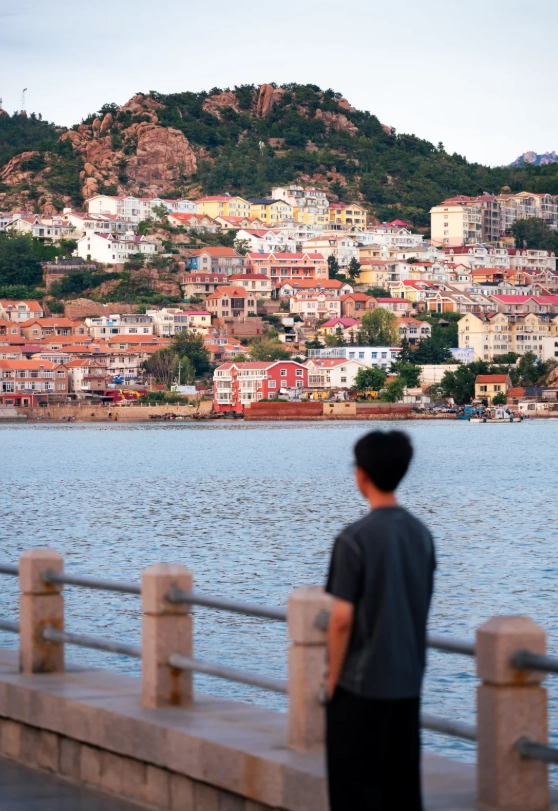
Booking Attraction Tickets With a Passport
Most Shandong attractions now require a timed reservation with your passport number, and the official booking channels are WeChat mini-programs that run entirely in Chinese. Yes, that is annoying, and yes, it trips up experienced travelers too — I have fumbled through the Mount Tai ticketing mini-program myself more than once.
Here is the workaround I give every client. If the mini-program will not accept your passport number, stop fighting it and use Trip.com or Klook, which take international cards and issue a confirmation you can show at the gate. If you are already in town, the hotel front desk will usually make the booking for you in about two minutes. And carry your physical passport — a photo on your phone will not get you through the turnstile.
What to Eat in Shandong and What It Really Costs
Shandong cooking is the backbone of northern Chinese cuisine, and it leans on lard, stock and salt in ways that surprise visitors expecting light stir-fries. Here is what to order and roughly what it costs.
- Qingdao: spicy stir-fried clams, Spanish mackerel dumplings, and raw draft beer straight from the brewery. ¥80-150 per person at a market kitchen with drinks
- Jinan: braised pork belly over rice, the savoury corn-flour soup called tian mo, and flaky scallion pastries. ¥30-60 per person
- Tai'an: simple noodle bowls and grilled skewers near the trailhead — eat before you climb, not after
- Qufu: Confucius family cuisine is elaborate and expensive; the street-level smoked tofu and griddle pancakes are the better value
- Zibo: charcoal-table barbecue with pancakes and scallions. ¥60-100 per person
Vegetarians, take note: Shandong kitchens use meat stock in dishes that look vegetarian on the menu. The reliable option is a Buddhist restaurant near a temple, and Qufu has several.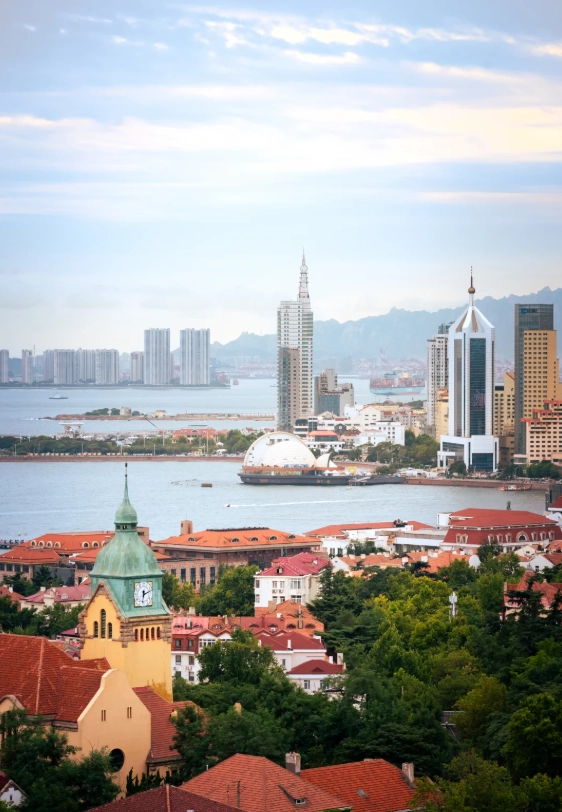
Six Mistakes That Burn Your 240 Hours
Every one of these has cost someone a day of their trip in front of me. The clock is generous, but it is not infinite.
- Booking a return ticket to the country you came from. This is the number one refusal, and it happens at the counter, not at check-in.
- Treating 240 hours as ten full sightseeing days. Rail transfers, hotel changes and airport time eat two to four hours each time you move.
- Wandering outside the designated stay area. Confirm the current list before you build a multi-province plan.
- Relying on Google Maps for walking directions. You will end up on the wrong side of a divided road more than once.
- Skipping police registration in an apartment or homestay. Hotels handle it; private rentals do not.
- Cramming four cities into three days. Shandong is bigger than the map suggests, and the trains are fast but the stations are not central.
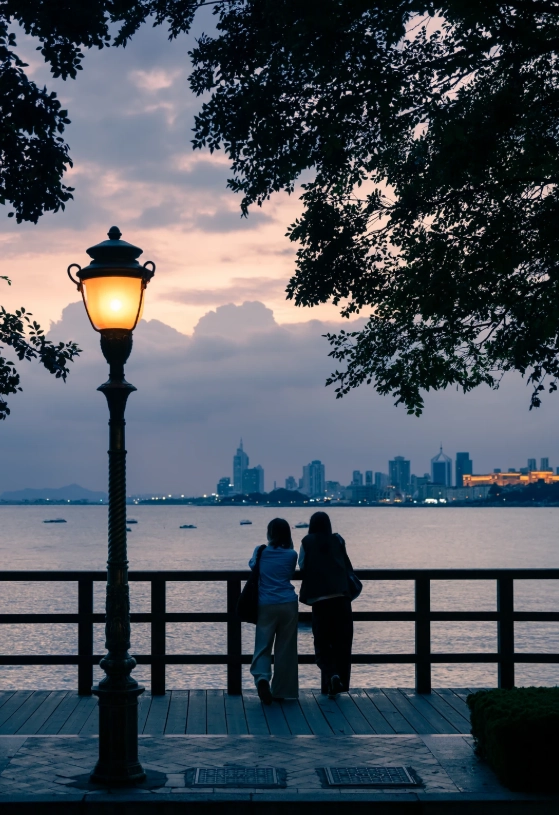
Pro Tip: Build one buffer half-day into your itinerary near the end. Weather cancels cable cars on Mount Tai more often than anyone admits, and a spare afternoon is the difference between a rushed trip and a good one.
Questions Travelers Keep Emailing Me
Can I fly into Jinan and leave from Qingdao under the Shandong 240-hour visa-free rule?
Entering and exiting through different designated ports is allowed, and plenty of travelers do exactly that. What is not allowed is flying back to the country you arrived from, or stepping outside the designated stay area. Keep both of those straight and your routing is flexible.
My onward flight is more than 240 hours after I land. Will they still let me in?
No. The officer reads the date on your ticket, not your intentions. If your departure sits outside the window, either move the flight earlier or apply for a proper visa before you travel. Overstaying even briefly triggers fines that run into the hundreds of RMB per day, and it can complicate future entries into China.
Do I need a VPN in Shandong, and will hotel Wi-Fi hold up?
Install and test your VPN before you board, because most providers are hard to reach once you are inside the country. Hotel Wi-Fi is generally stable and fine for email and Apple services, but Google, Instagram and WhatsApp will not load without one. A local tourist SIM bought at the airport with your passport is a solid backup.
Is climbing Mount Tai at night safe for a solo traveler?
The classic Red Gate route is lit and busy, so you are rarely alone even at 2am. The real risk is the steps themselves — uneven, often damp, and unforgiving in the dark. Bring a proper headlamp rather than relying on your phone, and if you are traveling alone, start between 10pm and midnight when the flow of other climbers is thickest.
Can I add Beijing or Shanghai to a Shandong visa-free trip?
Do not assume it. The 240-hour policy ties you to a designated stay area, and while Shandong's own area is generous, cross-province movement depends on the rules in force on your travel dates. Check the National Immigration Administration site, or ask your airline's visa desk, before you book anything non-refundable.
Verified and fact-checked by the editorial team. Policy details, ticket prices and transit schedules change without notice — confirm the current rules with the National Immigration Administration and the relevant attraction's official booking channel before you travel.
No comments yet.