 Qiang Huang
My calves were still shaking when the train slid out of Tai'an.
An hour before that, halfway up the Eighteen Bends, a client stopped dead on a step, looked at me, and asked whether this counted as "the real Mount Tai." It does. It also counts as roughly 1,600 steps of wet granite, and we still had Qufu to walk the following morning.
That is the trap hiding inside 3 days in Shandong. I have planned this trip for people who booked Qingdao, Mount Tai, and Qufu in one breath, and I have watched them burn nine hours of it on station benches with a suitcase wedged between their knees. The province is enormous. Jinan to Qingdao alone swallows two hours of rail.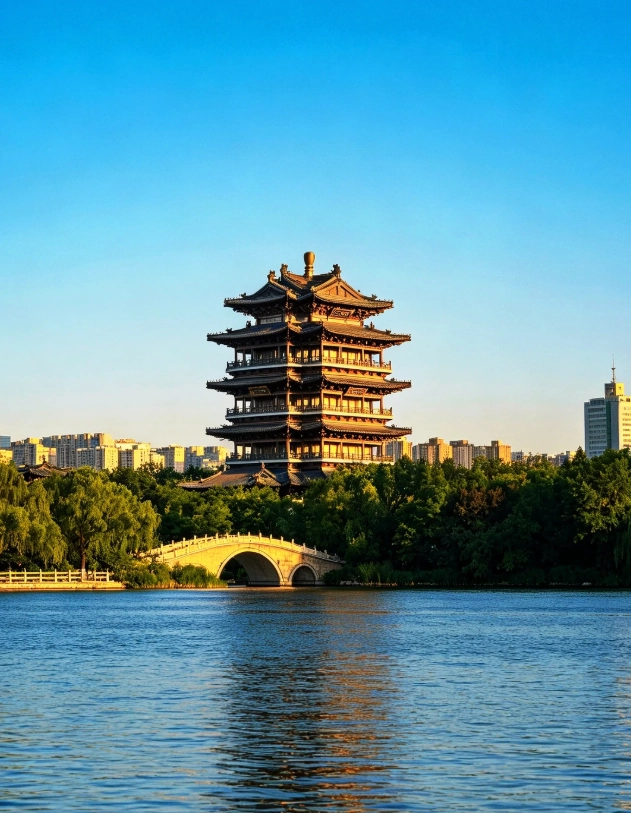
The verdict, up front: drop Qingdao. Stay on the Jinan–Tai'an–Qufu corridor and let the high-speed line do the heavy lifting. Twenty minutes from the capital to the mountain. Another thirty to Confucius' hometown. Under ninety minutes of total train time for the entire trip.
One more thing before you scroll. Reserve your Mount Tai entry slot before you book anything else. Every other piece of this plan can flex by an hour. That slot cannot.
The Route, Sketched Out
- Why This Rail Line Beats Every Other 3-Day Plan
- How Do You Book Shandong High-Speed Trains as a Foreigner?
- Day 1 — Jinan: Springs, Snack Alleys, and the Light After Four
- Day 2 — Mount Tai Without Wrecking Your Legs
- Day 3 — Qufu: The Confucius Sites and the Detour to Skip
- Payments, Maps, and Getting Online in Shandong
- Shandong 3-Day Costs at a Glance
- Plan B for Rain, Heat, or Dead Legs
- What Travelers Ask Me Before Booking
Why the Jinan–Tai'an–Qufu Line Beats Every Other 3-Day Shandong Plan
Shandong runs from the Yellow River plain out to the Yellow Sea, and the three names on every foreigner's list sit at wildly different distances from one another. Qingdao hugs the coast, two hours east of the capital. Mount Tai sits dead center. Qufu is tucked away in the southwest, close to the Henan border.
What most itineraries quietly ignore is that Jinan, Tai'an, and Qufu were strung onto a single rail line on purpose. The capital, the sacred mountain, and the hometown of China's most famous philosopher are all stops on the same corridor, and the trains between them run every twenty or thirty minutes for most of the day.
That matters more than it sounds. On a three-day trip, transit time is the thing that kills you. A plan that requires two long transfers leaves you with one real day of sightseeing. This one leaves you with three.
Pro Tip: Flying into Qingdao Jiaodong International instead of Jinan? There is a direct high-speed train into Jinan in roughly two hours, with onward connections to Tai'an. Just do not try to sightsee Qingdao the same day you land — the airport sits close to an hour from the old town, and the metro ride in will finish you off.
The alternative, and I will say this plainly, is to give Qingdao all three days and skip everything else. Zhanqiao Pier at dawn, the villa lanes of Badaguan, the Tsingtao Brewery Museum, and Laoshan if your legs are fresh. That is a genuinely great trip. It is simply a different one, and trying to bolt it onto Mount Tai produces the exact itinerary I described at the top — three cities, no memories, and a lot of platform coffee.
How Do You Book Shandong High-Speed Trains as a Foreigner?
China's high-speed network is the single easiest thing about traveling here — but only if you book through the right door.
There are two doors worth knowing. The official one is China Railway's official 12306 booking platform, which now runs an English interface and accepts international credit cards. The friendlier one is Trip.com, which charges a small booking fee and will hold your hand through seat selection in English.
- Your passport is your ticket. There is no paper ticket to collect at most stations — your reservation is tied to the passport number you entered when booking.
- Scan your passport at the manual lane, not the automated gates. The self-service gates reject most foreign passports, and the queue behind you will not be sympathetic.
- Arrive 40 minutes before departure. Security lines at Jinan West and Tai'an get genuinely long on Friday afternoons and holiday weekends.
- Platforms typically stop accepting passengers a few minutes before departure. If you are still on the escalator when the board flashes, you have probably missed it.
- Second class is perfectly comfortable for these short hops. First class buys you a wider seat and a quieter carriage, nothing more.
Insider Advice: Do not confuse Jinan with Jinan West. The old Jinan Railway Station is downtown and close to Daming Lake; Jinan West is a huge modern hub about 40 minutes out of the center, and it is where most high-speed trains to Tai'an and Qufu actually leave from. Book from the right station or you will start Day 1 with a sprint.
Day 1 — Jinan: Springs, Snack Alleys, and the Light After Four
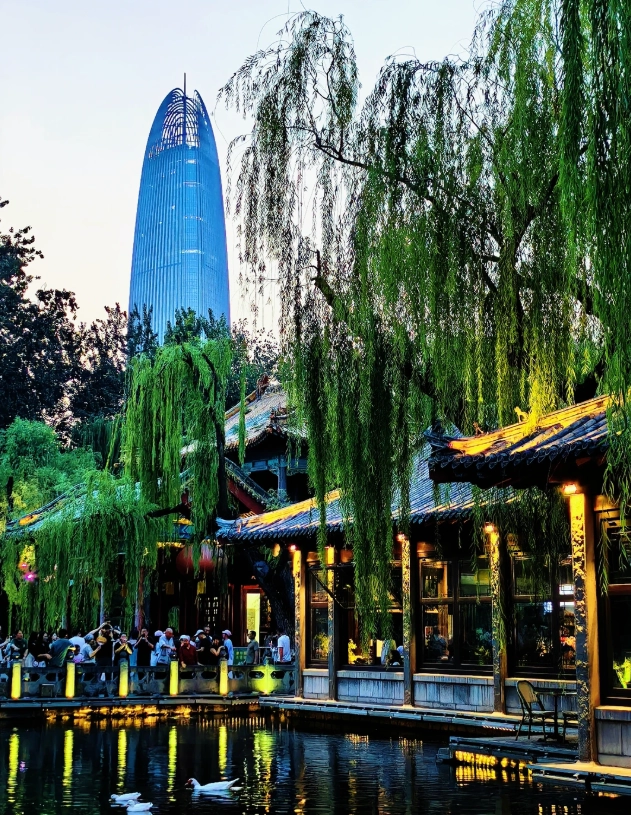
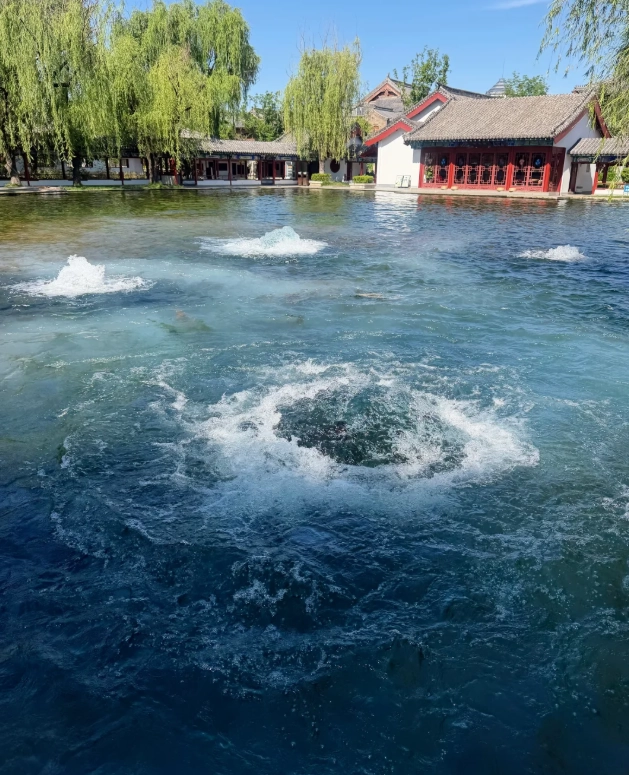
Jinan is called the City of Springs, and for once the nickname is not marketing. The city sits on a limestone aquifer that pushes water up through the pavement in more than a hundred places, and locals still line up with buckets at the free public taps.
Most visitors give Jinan a rushed afternoon and regret it. Give it a full day and start slow — you have a mountain to climb tomorrow.
Baotu Spring Without the Crowd
The spring pool at Baotu is at its best in the last two hours before closing, not at opening.
Every guidebook tells you to arrive at eight in the morning. I send clients at four in the afternoon. The tour buses have cleared out by half past three, the low sun hits the water at an angle that actually photographs, and you can hear the spring bubbling instead of forty selfie sticks clicking at once.
The address is No. 1 Baotuquan South Road in Lixia District. Entry runs around 40 RMB for adults, roughly half price for students and children, and free for visitors over 60 who show a passport. Opening hours shift with the season — the gate typically closes somewhere between six and seven in the evening, and last entry is a while before that, so check the board at the entrance rather than trusting a website.
Getting there is where Jinan tests you. The metro was built to serve the high-speed stations rather than the old town, so a DiDi is the sane move. From downtown Jinan Railway Station it is about fifteen minutes and 15–20 RMB. Show the driver 趵突泉东门 — the east gate — and walk in from there.
One physical detail nobody mentions: the stone paving around the main pool gets slick from spray, and the handrails are only on one side. If you are traveling with a parent, put them on the rail side.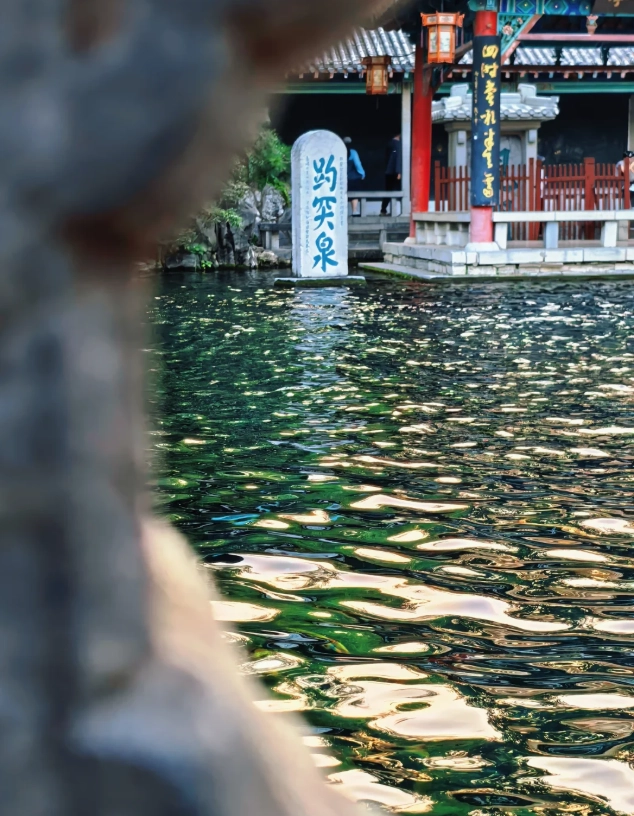
Daming Lake and the Kuanhouli Food Run
Daming Lake dropped its entry fee, which is exactly why locals flood it on weekends — go on a weekday evening.
The lake is a twenty-minute walk north of Baotu Spring, and it is enormous: a proper urban water park with lotus beds, a restored old street called Baihuazhou at its southern edge, and boat rides for a small extra fee. Entry is free. That single word explains the crowds.
For dinner, walk south to Kuanhouli 宽厚里, a rebuilt alley of food stalls and small restaurants just below the spring quarter. It is touristy, and I will not pretend otherwise — but it is touristy in a pleasant way, and it is the fastest place to try three or four Shandong snacks in one sitting. Furong Street, a few blocks north, is the older and scruffier snack alley, best for grilled skewers and stinky tofu after dark.
If you want the meal locals actually eat, look for a Chaoyixing 超意兴 branch. It is a Jinan chain, there is one on almost every block, and the routine is simple: point at a slab of braised pork belly, they ladle it over rice, and you pay under 20 RMB. No English menu, no problem. Pointing works.
Where to Sleep in Jinan
Base yourself in the old town near Daming Lake, not out at Jinan West Station — that 40-minute commute will eat your evening.
The international chains cluster around Quancheng Road and the newer commercial districts, which puts you a short DiDi ride from the springs. Boutique guesthouses hide in the lanes around Baihuazhou. What you want is a 24-hour convenience store within a three-minute walk and a front desk that can book things for you in Chinese.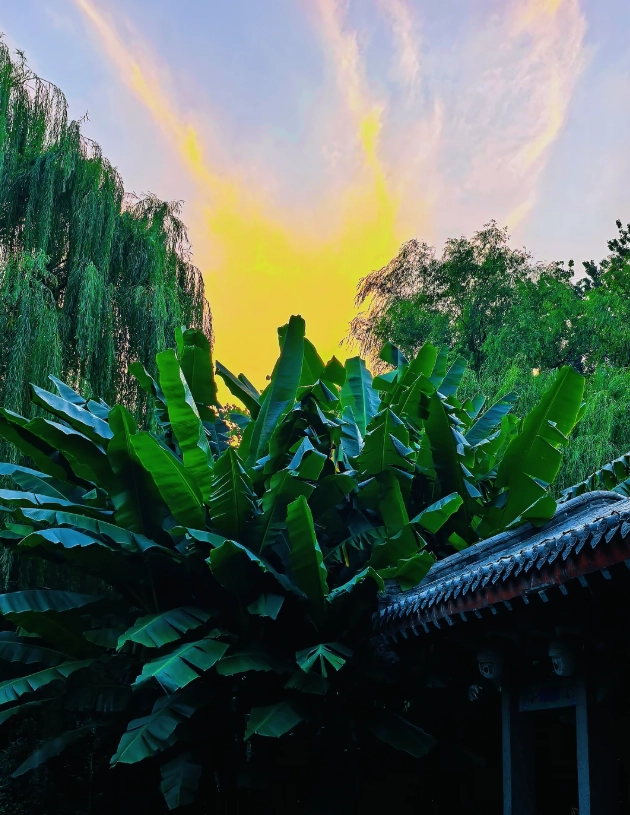
| Base | Best For | Typical Nightly Rate | The Catch |
|---|---|---|---|
| Jinan old town, near Daming Lake | Springs, food alleys, first night | 400–800 RMB | About 40 minutes from Jinan West Station |
| Jinan West Station area | Early trains, one-night stopovers | 300–500 RMB | Almost nothing open after dark |
| Tai'an downtown | Mount Tai climbing, cheap beds | 250–500 RMB | Functional rather than charming |
| Mount Tai summit | Sunrise without a night climb | 600–1,200 RMB | Thin walls, cold rooms, limited food |
| Qufu old town | Confucian sites on foot, quiet evenings | 250–500 RMB | Very little nightlife |
Day 2 — Mount Tai: How Do You Climb Taishan Without Wrecking Your Legs?
Mount Tai is the most climbed mountain in China, and its UNESCO World Heritage listing reflects both sides of it — the sacred mountain of emperors and a genuinely rugged granite massif. Pilgrims have been walking up it for three thousand years. You have one day.
Choosing Your Route Up
There are three ways up, and the one you pick decides whether Day 3 feels like a holiday or a physiotherapy appointment.
- The full pilgrim's climb from Red Gate, Hongmen 红门, to the summit: four to six hours and somewhere north of 6,000 steps. Beautiful, brutal, and only worth it if the climb itself is the point.
- Shuttle bus from Tianwaicun 天外村 up to the Mid-Heaven Gate, then walk the Eighteen Bends to the top: about 90 minutes of steep stairs. This is the route I put most clients on.
- Shuttle bus plus cable car: roughly half an hour, no shame attached, and the right call if anyone in your group has knee trouble.
The middle option gives you the part that matters — the Eighteen Bends are the postcard, the near-vertical staircase you have seen in every photo of Mount Tai — without spending your entire morning on switchbacks. Buy the entry ticket and the shuttle separately or as a package at the base; bring your passport, because it is checked against your reservation.
Approximate figures, and please confirm on the official Taishan Scenic Area channel before you travel, since prices and shuttle timetables shift with the season: mountain entry sits around 115 RMB in peak season with a discount in winter, the Tianwaicun shuttle is roughly 30 RMB each way, and the cable car runs about 100 RMB one way.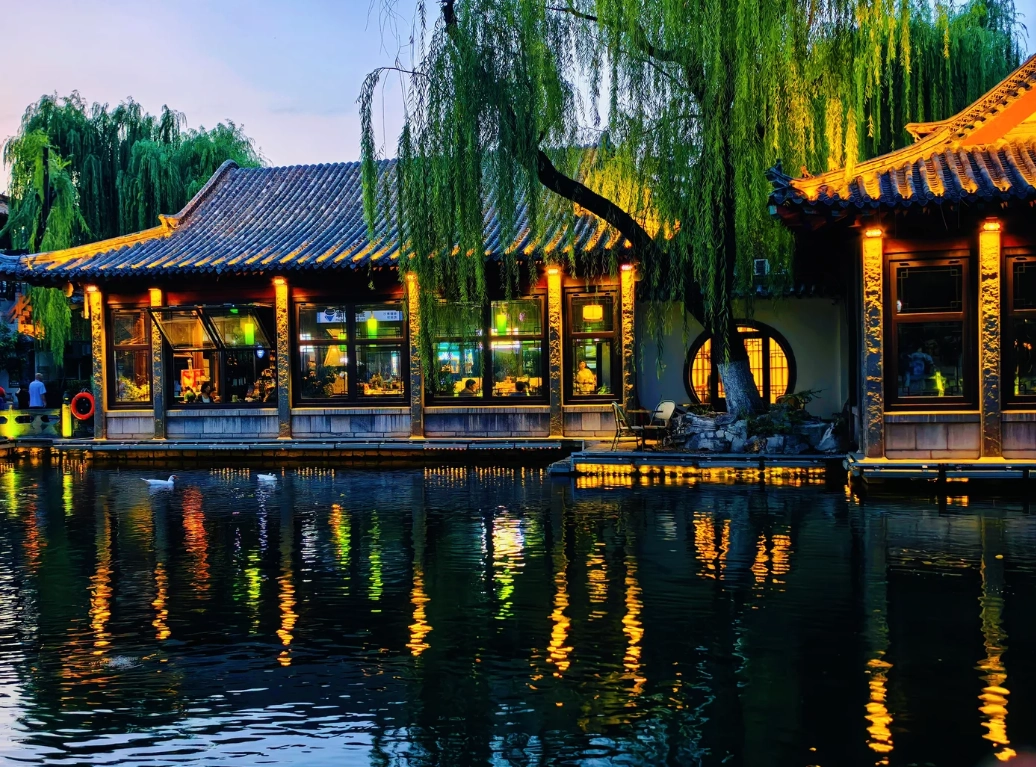
Sunrise, Cable Cars, and the Weather Trap
The summit runs 8–10°C colder than the town below, and the wind up there makes it feel worse than the number suggests.
Every summer I watch people reach the top in a T-shirt, take one photo with chattering teeth, and immediately queue for the coat rental stalls. Rent the padded coat at the top for a few dozen RMB, or bring a proper shell layer and a hat. This is the single most common mistake I see on this mountain.
The cable car shuts down in high wind, and the last descent of the day leaves well before dusk. Check the board at the lower station on your way up — the timing moves with the season, and getting stranded at the South Heaven Gate at nightfall is not the adventure you want. Toilets at the summit are limited and the queues get long right after sunrise, so plan accordingly.
Pro Tip: The taxi drivers waiting outside Tai'an high-speed station will quote you 150 RMB for the ride to the Red Gate trailhead. A metered DiDi covers the same distance for roughly 25–35 RMB. Walk a hundred meters away from the exit doors before you open any ride app — the app pins get confused by the crowd right at the gate.
My honest opinion on sunrise: skip it. A few thousand people share that view on a summer morning, and you will have started climbing at eleven at night to earn it. Climb in daylight, take the cable car down before the last one leaves, and sleep in a real bed in Tai'an or push on to Qufu that evening.
Day 3 — Qufu: The Confucius Sites and the Detour Most People Skip
Qufu is small, calm, and almost entirely about one family. The Kong clan lived here for more than two thousand years, and the town still revolves around their temple, their mansion, and their cemetery.
The Three Confucian Sites
The Temple, the Mansion, and the Cemetery share one combo ticket, and the Cemetery sits a 20-minute walk north of the other two — so do them in order and save your legs.
The combined ticket covers all three and runs somewhere around 140 RMB. Start at the Temple of Confucius, which opens in the morning and is the most architecturally impressive of the three. There is usually a short ritual performance at the gate near opening time; ask your hotel for the current schedule, because it gets cancelled in bad weather and the timing drifts through the year.
The Kong Family Mansion is directly next door — you can walk between them in two minutes. Then take a pedicab or a short taxi ride north to the Cemetery of Confucius, a walled cypress forest the size of a small park where Confucius himself is buried. It is quiet, mossy, and far larger than people expect. Bring mosquito repellent in the warm months. I am not exaggerating; the shade and standing water make it a genuinely buggy walk.
Qufu East Station is where the high-speed trains stop, and it sits about 15 km east of the old town. There is no metro. A taxi into town runs roughly 30–40 RMB and takes twenty minutes. Do not walk out of the station looking for a bus unless you have a lot of patience and a translation app.
Nishan Sacred Land — Worth the Detour?
On a three-day trip, no — and I will tell you why.
Nishan 尼山 is Confucius' birthplace, about 30 km southeast of Qufu, and the site has been developed into a large cultural park with a 72-meter statue and an evening light show. It is impressive. It also needs half a day minimum once you count the drive each way, and it will cost you another 100-plus RMB per person on top of everything else.
If you have a fourth day, go. On a tight three-day corridor, spend that half-day sitting in the Cemetery instead, or take an earlier train back to Jinan and eat a proper Shandong dinner. Your call, but I know which one I would pick.
What Is the Best Way to Pay, Navigate, and Get Online in Shandong?
Almost every friction point on this trip comes down to three apps and one cable — sort them before you fly, not after.
Set up Alipay or WeChat Pay and link an international card while you are still at home. Both accept Visa and Mastercard now, and both are how you will pay for DiDi rides, museum tickets, and street food. Keep 500–800 RMB in cash as a floor. Ticket offices, chain convenience stores, and high-speed rail counters all take cash; a noodle stall might hand you change in candy because they have run out of small notes.
Google Maps is not usable for navigation inside China. Apple Maps works reasonably well for driving and walking, and AMap now offers an English-friendly version that handles transit far better. Whatever you use, save your hotel's name and address in Chinese characters on your phone so you can show it to a driver without a conversation.
Install a VPN before departure, not after arrival — the app stores you need are the ones you cannot reach once you land. Apple Translate and Baidu Translate both handle menu photos decently, and the camera mode is the feature you will use most.
Finally, check your visa situation properly rather than trusting a forum post. The National Immigration Administration publishes the current visa-free transit and unilateral visa-free arrangements, and the rules have been changing often enough that last year's blog post is worthless.
And yes — booking a Mount Tai slot through a WeChat mini-program that is entirely in Chinese is a nightmare, even for me. Do not fight it. Hand your phone to the hotel receptionist with a smile, or use Trip.com, which accepts foreign cards and shows you the same inventory in English.
Shandong 3-Day Costs at a Glance
Two things surprise my clients about this table: how cheap the trains are, and how expensive a bed on top of the mountain is.
| Item | Approx. Cost per Person | Notes |
|---|---|---|
| High-speed rail, Jinan West to Tai'an | 25–35 RMB | Second class, about 20 minutes |
| High-speed rail, Tai'an to Qufu East | 30–45 RMB | Second class, about 30 minutes |
| Mount Tai entry | About 115 RMB peak | Cheaper in winter, passport required |
| Shuttle bus, Tianwaicun to Mid-Heaven Gate | About 30 RMB | Runs with daylight hours only |
| Cable car, Mid-Heaven Gate to South Heaven Gate | About 100 RMB one way | Suspended in high wind |
| Baotu Spring, Jinan | About 40 RMB | Half price for students and children |
| Three Confucian Sites combo, Qufu | About 140 RMB | Covers Temple, Mansion, Cemetery |
| Mid-range hotel, Jinan | 400–800 RMB per night | Double room, old town |
| Mid-range hotel, Tai'an or Qufu | 250–500 RMB per night | Double room |
| Meals | 80–200 RMB per day | Street food sits at the low end |
| DiDi rides | 15–40 RMB per hop | Consistently cheaper than station taxis |
Prices move with the season and with policy, so treat these as planning figures and confirm the big-ticket items — mountain entry and the Confucian sites — on the day.
Plan B for Rain, Heat, or Dead Legs
Rain on Mount Tai is not a minor inconvenience — wet granite on the Eighteen Bends is genuinely dangerous, and the cable car often shuts in the same weather.
If the forecast turns, swap Day 2 and Day 3. Qufu's temple and mansion are largely covered walkways and courtyards, and they handle rain far better than a staircase. The Cemetery will be muddy, but it is flat.
- Shandong Museum in Jinan: free entry, passport reservation required, closed on Mondays. An excellent half-day shelter with a serious collection of Han dynasty material.
- Confucius Museum in Qufu: modern, air-conditioned, and a good indoor backup if the temple day gets washed out.
- The teahouses and small restaurants around Kuanhouli in Jinan: nobody rushes you, and refills are free.
- If the heat is the problem rather than the rain, flip your day entirely — springs and alleys in the early morning, long lunch indoors, mountain or temple after four.
And if your legs give out entirely, take the cable car up Mount Tai and spend the saved energy wandering the summit plateau. Nobody hands out medals for walking.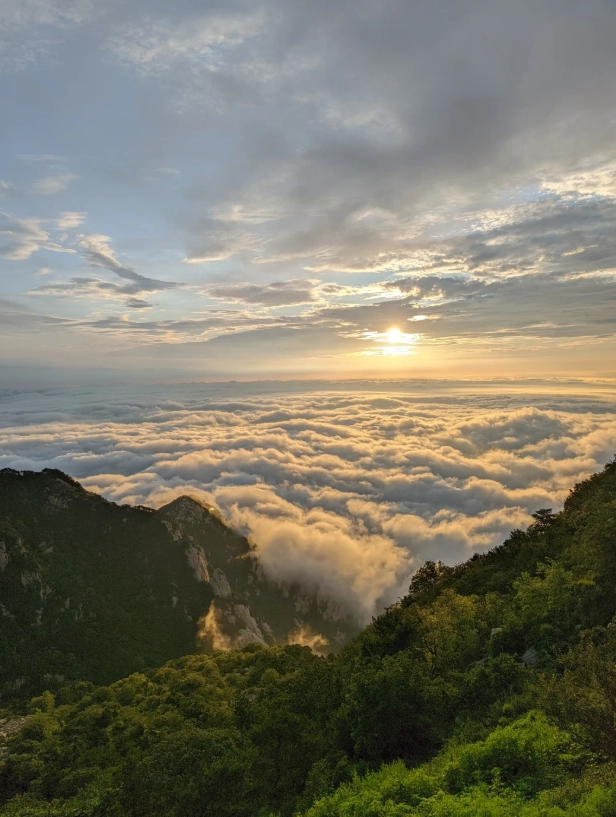
Shandong in 3 Days: What Travelers Ask Me Before Booking
Verified and fact-checked by the editorial team. Prices, opening hours, and shuttle timetables in Shandong change with the season and with local policy, so confirm the big-ticket items on official channels before you travel.
No comments yet.