 Qiang Huang
480 yuan for a train ticket. My client nearly handed over her card. Then I grabbed her elbow.
A man in a red vest near the Jinan West exit had quoted her a "VIP express fare" to Qingdao. Same train I take twice a month. Same second-class carriage. The real price was 122 yuan, and it took me forty seconds to buy it on the official app while he watched.
That price gap is the whole story of Shandong budget travel. The province is not expensive. It is simply under-translated. Almost every English guide I find online for this region is either stale or written by someone who never left the airport shuttle. Meanwhile, Shandong is the cheapest province I guide in across all of eastern China — and the reason is the rail network. It is so dense, so fast, and so cheap that you can base yourself in one city and day-trip to three others.
Before you scroll, take this one thing with you: buy every long-distance ticket on the official 12306 app, not through a reseller. The English interface works, your passport is your ID, and you skip the markup entirely. If the app fights you, Trip.com is a fine fallback — just accept the small booking fee.
Now let me show you the numbers.
What I Cover Below — Tap to Jump
- Why Shandong Is the Cheapest Province I Guide In
- How Much Does Shandong Budget Travel Actually Cost Per Day?
- Getting Around Shandong Cheaply: High-Speed Rail vs. Slow Trains
- Where to Sleep for Under 150 RMB a Night
- What to Eat in Shandong for Under 30 RMB a Meal
- My 5-Day Shandong Budget Itinerary
- What Is the Confucius Temple Ticket Really Costing You?
- Shandong Budget Travel Mistakes I See Every Week
- Straight Answers to the Questions I Get Most
Why Shandong Is the Cheapest Province I Guide In
The core reason is geography, not luck. Shandong sits on the Beijing–Shanghai high-speed corridor, which means two of China's busiest rail lines run straight through it. Competition between those lines keeps fares low and departures frequent. I have never once failed to find a seat on the same day.
Compare that with, say, Yunnan or Sichuan, where you often burn an entire travel day just to move between two cities. Here, Jinan to Qingdao is under two hours. Jinan to Qufu is about forty minutes. You lose no time, and lost time is the most expensive thing on any trip.
There's a second reason most visitors miss. Shandong's biggest attractions are either free or genuinely cheap.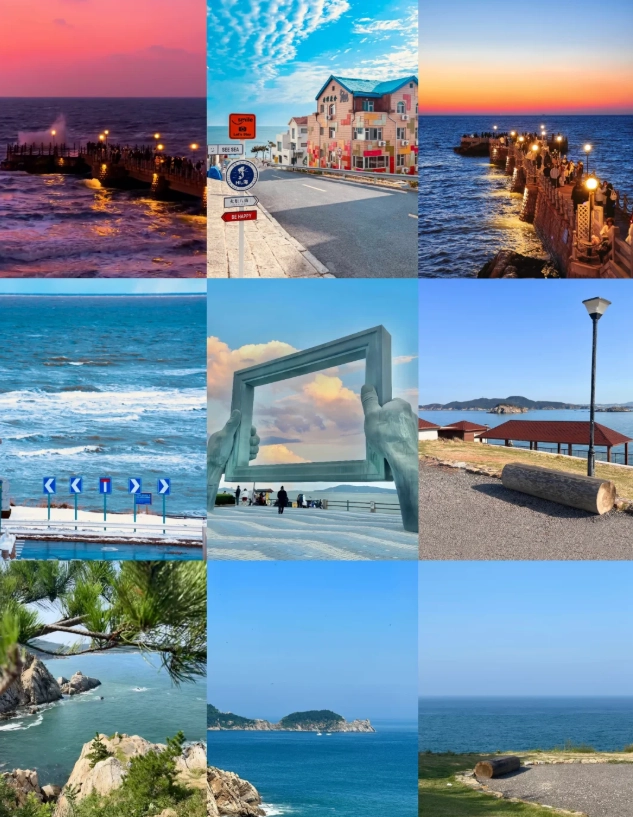
- Zhanqiao Pier and the Badaguan old-town streets in Qingdao — free, no ticket, open all day
- Daming Lake park in Jinan — free for the public areas, a small fee for some inner gardens
- Shandong Museum in Jinan — free entry, but you must reserve a slot in advance with your passport
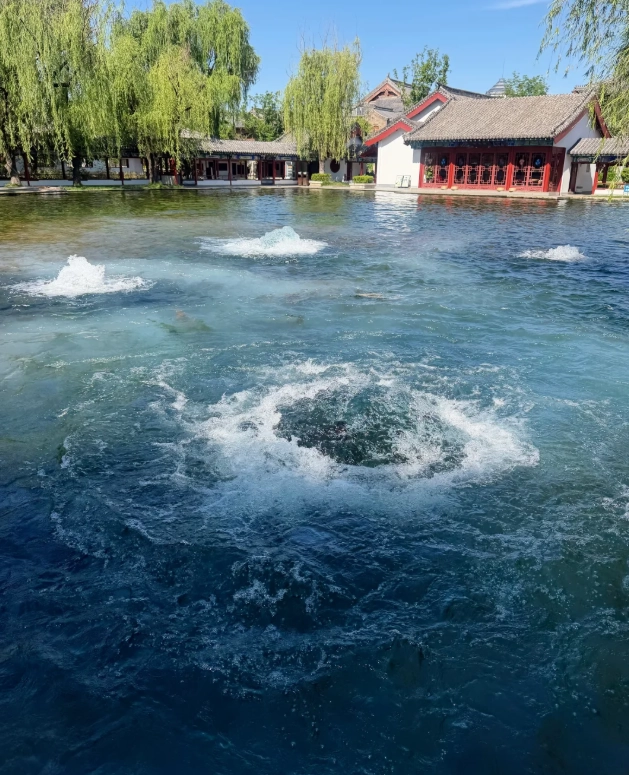
- Baotu Spring in Jinan — around 40 RMB in high season, less in winter
- The "Three Confucius Sites" combined ticket in Qufu — roughly 140 RMB for all three
Notice what's missing from that list. There is no 300 RMB theme park, no mandatory shuttle bus fee, no "foreigner surcharge." That last one is a myth, by the way — I hear it constantly and it has never once been true in this province.
How Much Does Shandong Budget Travel Actually Cost Per Day?
A realistic shoestring day lands between 220 and 370 RMB. That's roughly 30 to 50 US dollars at current rates, and it includes a bed, three meals, local transport, and one paid attraction.
| Spending Category | Shoestring (RMB/day) | Comfortable (RMB/day) | What Actually Drives the Number |
|---|---|---|---|
| Hostel or budget hotel bed | 55–90 | 120–220 | Qingdao doubles in July and August |
| Three meals | 60–90 | 150–220 | Breakfast from a street stall runs 8–12 RMB |
| Intercity high-speed rail | 60–130 | 60–130 | Fixed price, no dynamic surge |
| Metro, bus, shared bike | 10–20 | 40–70 | Taxis add up fast at night |
| Attraction tickets | 40–140 | 40–140 | Mostly flat, no surge pricing |
| Daily total | 225–470 | 410–780 | Exchange rates shift — recheck before you fly |
What the table can't tell you is where the leakage happens. It's never the big line items. It's the 45 RMB airport express you didn't need, the bottled water bought at a scenic-spot kiosk instead of a convenience store two blocks away, and the taxi you took because you didn't realize the metro ran until 10:30 pm.
Insider Advice: I tell every client to screenshot their hostel's address in Chinese characters before leaving the hotel. If your phone dies or your data drops, you can still show a driver. English addresses mean nothing to most local cabbies.
Getting Around Shandong Cheaply: High-Speed Rail vs. Slow Trains
How to book Chinese train tickets with a passport
Your passport is your ticket — there is no paper ticket anymore. You tap the passport itself at the gate, or scan the QR code inside the official 12306 app.
- Download the 12306 app and switch the language to English in settings
- Register with your passport number — the verification can take a few hours, so do this before your trip
- Add your passport as the passenger, not your name typed manually
- Arrive at the station 30 minutes early; the passport scan lane is slower than the national ID lane
Here's the part that trips people up. You cannot buy a ticket for a friend using your account unless their passport is verified on it. If that fails, walk to the manual ticket counter with everyone's passports in hand — it always works, and staff at major stations can handle basic English or use a translation app.
High-speed versus slow trains — what the price difference actually buys you
The G-series high-speed trains cost roughly double the K-series sleepers on the same route. On Jinan to Qingdao, that's about 122 RMB versus 55 RMB.
Take the slow train only if you have time to burn and genuinely enjoy watching wheat fields. The G-train saves you around three hours. On a five-day trip, that's half a day of sightseeing — worth far more than the 67 RMB you saved.
One exception. Overnight sleepers between Jinan and coastal cities make sense if you'd otherwise pay for a hotel night. I've done it. The bunks are narrow and the corridor lights stay on, so bring an eye mask.
Where to Sleep for Under 150 RMB a Night
Hostels in Shandong are clean, cheap, and heavily used by domestic travelers, which means they're held to a decent standard. What they are not is English-friendly at the front desk. Assume zero English and prepare accordingly.
| Area | City | Typical Nightly Rate | Best Suited To | Key Detail to Know |
|---|---|---|---|---|
| Quancheng Road / Kuanhouli area | Jinan | 55–90 RMB dorm bed | Solo backpackers | Walk to Baotu Spring in about 20 minutes |
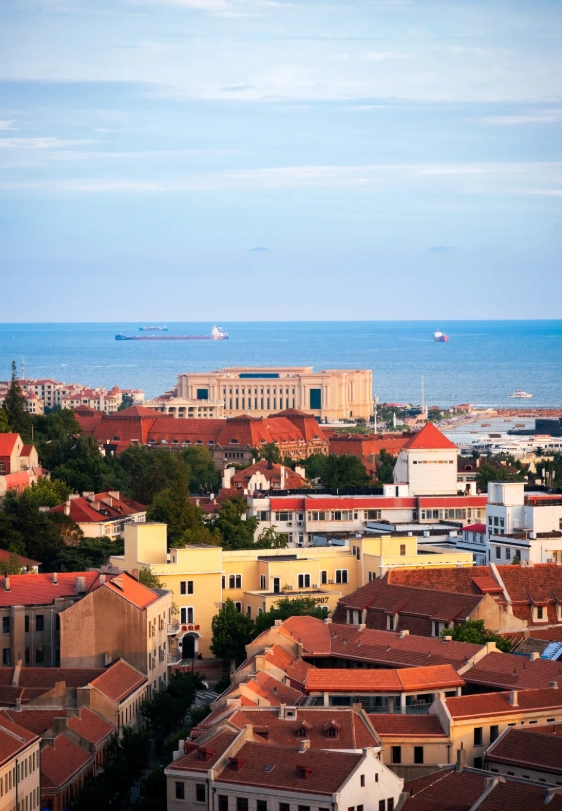
| Old Town, Shinan District | Qingdao | 70–120 RMB dorm bed | Backpackers, photographers | German-era streets, easy walk to the pier |
| Drum Tower Street area | Qufu | 120–180 RMB private room | Couples, history buffs | Walking distance to the Confucius Temple gate |
| Near Jinan West Railway Station | Jinan | 90–150 RMB private room | One-night transit stops | Convenient but zero atmosphere |
Two things I check before booking anything. First, does the room have a window? Plenty of cheap Chinese budget rooms don't, and you will not sleep well in a sealed box. Second, is there an elevator? A fifth-floor walk-up with a 20 kg backpack is a genuinely bad start to a holiday.
Wi-Fi is universal in Shandong hostels and usually stable. Soundproofing is not. If you're a light sleeper, ask for a room away from the stairwell and bring earplugs — I now carry them on every single trip.
What to Eat in Shandong for Under 30 RMB a Meal
Shandong food is salty, savory, and built for working people. This is not delicate Cantonese cuisine. Portions are large and prices are low, which makes eating here one of the great bargains of the province.
Jinan: breakfast for the price of a coffee back home
Look for a tianmo stall in the morning. It's a thick, peppery millet porridge, usually served with a sesame flatbread. A bowl plus bread costs about 8 to 12 RMB.
For lunch, hunt down bazi rou — braised pork belly over rice. It's rich, soy-forward, and slightly sweet. Expect 20 to 28 RMB for a full plate. I eat this at least twice every time I pass through.
Most of these shops are cash-free. Alipay or WeChat Pay only. Set both up before you fly, linked to an international card.
Qingdao: clams and bagged beer
The local ritual is a plate of stir-fried clams with a plastic bag of draft beer. Yes, a plastic bag. It costs around 10 to 15 RMB for a bag, and the clams run 30 to 45 RMB a plate at a basic dapaidang street stall.
Skip the tourist seafood restaurants along the pier. I've watched visitors pay 400 RMB for a meal that costs 90 RMB three streets inland. Walk ten minutes away from the water and the price halves.
Qufu: the honest truth about Confucian cuisine
Confucian family cuisine is a genuine regional tradition, but it is not cheap. Banquet-style menus run well over 100 RMB per person and often need to be ordered in advance.
For budget travelers, the smarter move is the street food around the temple entrance — stuffed pancakes, fried dough, and noodle bowls for 10 to 20 RMB. Eat those, and save your money for the ticket.
My 5-Day Shandong Budget Itinerary
This route runs Jinan, then Qingdao, then Qufu, and it follows the rail line so you never backtrack. Total transport cost for the whole trip sits around 250 RMB.
Day 1 and 2 — Jinan
Start at Baotu Spring early. Gates open around 7 am in high season, and I mean it — be there by 7:30. By 10 am the tour groups arrive and the spring viewing platforms become a scrum of selfie sticks.
After that, walk north to Daming Lake. It's a 25-minute stroll or a 12 RMB taxi. The lake is free and the willow-lined paths are where locals actually hang out. Grab lunch nearby, then spend the afternoon at Shandong Museum — free, but reserve your slot in advance and bring your passport.
Day 2, take the metro or a 30 RMB taxi to Thousand Buddha Mountain. Tickets are around 30 RMB. Climb in the morning before the heat builds.
Day 3 and 4 — Qingdao
The high-speed train from Jinan to Qingdao takes about 1 hour 45 minutes. Book it the night before on 12306.
Qingdao Station sits directly on Metro Lines 1 and 3, and the connection from the platform to the metro is entirely indoors — a blessing when it rains.
Spend Day 3 walking the Old Town and Zhanqiao Pier. Free, and best photographed before 9 am when the light is soft and the pier isn't packed. Day 4, head to the Tsingtao Beer Museum — roughly 60 RMB — then wander Badaguan's quiet streets in the late afternoon.
One caution. Qingdao's summer humidity is brutal, and the sea fog can roll in and erase your view in twenty minutes. Always have a museum or a coffee shop as your backup plan.
Day 5 — Qufu
From Qingdao, ride back through Jinan and connect to Qufu East. Total time is around four hours. From Qufu East station, it's roughly 25 to 35 RMB by taxi to the old town, or about 30 minutes on a local bus.
Spend the day inside the Confucius Temple complex. It is vast, mostly unshaded, and you will walk several kilometers. Bring water from a convenience store, not from the vendors inside.
What Is the Confucius Temple Ticket Really Costing You?
Buy the combined "Three Confucius Sites" ticket rather than three separate ones. It covers the Temple, the Cemetery, and the Kong Family Mansion, and it works out cheaper than buying individually. Expect somewhere in the region of 140 RMB, though official pricing does get adjusted — confirm at the gate or on the official ticketing channel before you commit.
The complex is part of a UNESCO World Heritage listing, and honestly, that designation undersells it. I've walked the Cemetery's pine avenues in autumn fog and had the entire path to myself for twenty minutes. That doesn't happen at the big-name sites elsewhere in China.
Reservations are required in peak season. The official WeChat mini-program is entirely in Chinese, and yes, it's a nightmare to navigate even for me. Do what I tell my clients: hand your passport to your hotel receptionist and ask them to book it. It takes them ninety seconds. Alternatively, Trip.com sells the same ticket in English for a small service fee.
Children under a certain height and seniors above a certain age typically enter free or at a discount with ID — the thresholds are posted at the gate, and staff will check passports for foreign visitors.
Shandong Budget Travel Mistakes I See Every Week
The single most expensive error is relying on Google Maps. It is unreliable inside China for walking directions and public transport. Use Apple Maps, or download Amap's English-friendly international version. Both handle Chinese addresses far better.
- Arriving without Alipay or WeChat Pay set up — many small restaurants and stalls take nothing else
- Assuming credit cards work everywhere — outside international hotels, they mostly don't
- Booking attractions on the day — peak-season slots sell out, and reservations need passport details
- Skipping a VPN setup before departure — install and test it at home, not after you land
- Ignoring the visa-free transit rules — the window keeps expanding, and the National Immigration Administration publishes the current eligible-country list
Language is the other quiet cost. Very few people outside hotels speak English. Download a translation app with offline Chinese before you leave, and learn three phrases: hello, thank you, and "how much." It changes how people treat you.
Pro Tip: Cash still works in Shandong. Keep 200 RMB in small notes as an emergency backup. I've been stranded at a rural bus stop with a dead phone battery and a 10 RMB note saved the day.
Straight Answers to the Questions I Get Most
Is 300 RMB a day enough for Shandong budget travel without feeling miserable?
Yes, comfortably, as long as you stay in dorm beds and eat where locals eat. The trap is Qingdao in July and August, when hostel prices spike and a 300 RMB day becomes tight. Shift your coastal days to June or September and the same budget buys you noticeably more.
Can I pay for hostels and trains in Shandong with a foreign credit card?
International cards work on Trip.com, on 12306 through some foreign card gateways, and at large chain hotels. They fail at small guesthouses, family-run inns, and almost every street food stall. Link your card to Alipay or WeChat Pay before you arrive — that single step removes about 80 percent of payment friction.
How do I reserve Confucius Temple tickets without reading Chinese?
Two workable routes. Ask your hotel front desk to book through the official mini-program using your passport number — it takes them seconds. Or buy through Trip.com in English and accept the small service fee. Don't show up hoping to buy at the gate during peak season.
Is Shandong safe for a solo female traveler on a tight budget?
Street safety is genuinely strong here, including at night. The realistic risks are different ones: unlicensed drivers approaching you outside stations, overpriced seafood near Qingdao's waterfront, and scam "tea ceremonies" in tourist zones. Fix your transport through the official app and eat a few streets back from any major attraction.
What's the cheapest way to get from Jinan to Qingdao?
The K-series slow train at roughly 55 RMB, but it eats three extra hours. Unless you're on a very long trip, take the high-speed G-train at around 122 RMB. Your time in Shandong is worth more than the 67 RMB difference.
Verified and fact-checked by the editorial team. Prices, opening hours, and reservation policies in China change frequently — confirm current details through official ticketing channels or your hotel before you travel.
No comments yet.