 Jing Song
Booked the wrong station again.
It happens every winter. Last January I had a couple standing at Changchun West with tickets for a train that had already rolled out of Changchun Station twenty-five minutes earlier. Same city. Two stations. Zero sympathy from the gate staff.
So let's fix the parts of a bullet train to Jilin that actually break. The trains themselves are superb — 300 km/h, spotless, cheaper than a decent dinner back home. Everything around them is where foreign travelers lose money and hours: which station, which app, which lane at the gate.
The short version: you arrive at Jilin Station, not Jilin West. The shuttle from Changchun takes roughly 40 minutes. Your passport is your ticket. And you cannot reserve a seat without the passport number you'll be traveling on.
That's the skeleton. Here's the rest, in the order you'll need it.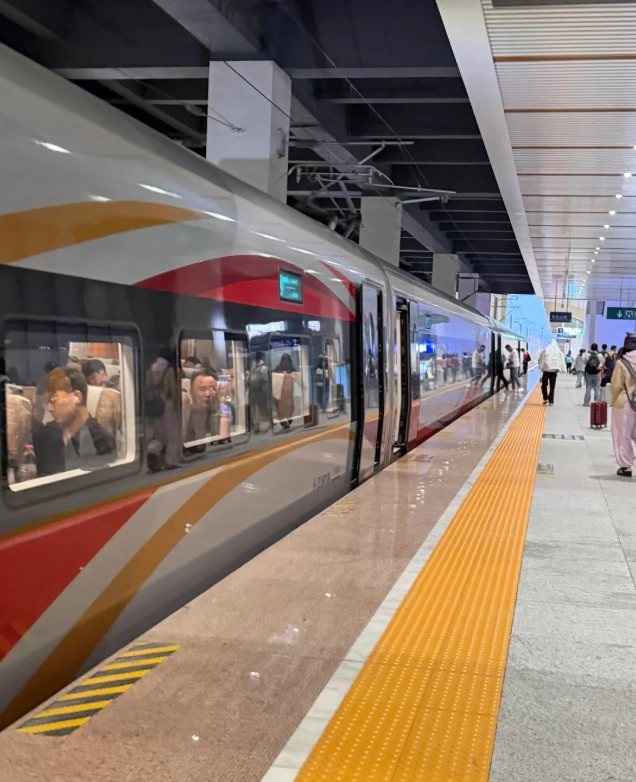
Jump to what you need
- Why the Train Beats Flying to Jilin
- Which Station Actually Takes You to Jilin
- How to Book as a Foreigner
- Fares and Travel Times From Major Cities
- Timing Your Trip Around Rime Ice Season
- A 24-Hour Jilin City Plan Around Your Train
- Where Else the Rails Take You in Jilin Province
- Mistakes I Watch Travelers Make
- Questions Travelers Actually Ask Me
Why the Train Beats Flying to Jilin
The best argument for the rail route is that Changchun Longjia International Airport sits directly on the Changchun–Jilin intercity line. Follow the signs from baggage claim toward the railway station inside the airport complex, and you can be rolling toward Jilin City without ever setting foot in downtown Changchun. Most travelers never realize this and instead pay for a 90-minute highway transfer.
Jilin City is not a dead end either. Long-distance G trains on the Beijing–Harbin corridor stop here, which means you can ride from the capital in a single morning and step off 15 minutes from the Songhua River.
Where the train loses is late at night. If you land after the last intercity departure, you're looking at a taxi or an overnight in Changchun. And if your real destination is Beidahu or Songhua Lake ski resorts, a resort shuttle or a private transfer can be less hassle than hauling ski bags through two stations.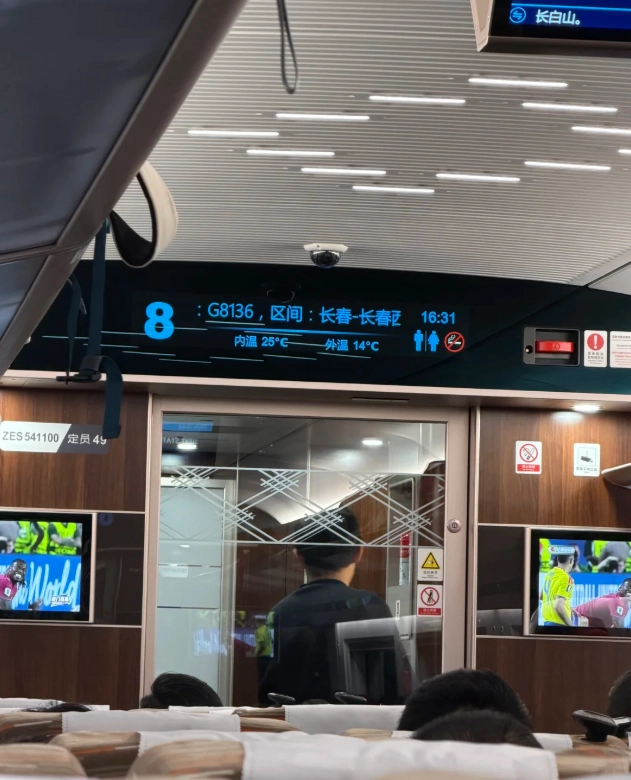
Which Station Actually Takes You to Jilin
Jilin Station — The Only One You Should Book
Jilin Station sits in Changyi District on the north edge of downtown, and it handles every high-speed service into the city. Taxi to the riverfront takes 10 to 15 minutes and costs roughly ¥15 to ¥20. Show the driver your hotel name in Chinese characters and you're done.
Here's the thing nobody mentions in English guides: Jilin City has no metro. Not one line. Your options are city buses, taxis, or DiDi through the Alipay mini-app. Buses are cheap and frequent but the route maps are Chinese-only, so for a short trip I just book a car.
The station itself is easy — bilingual signage, escalators to the departure hall, a security check at the door, and a left-luggage counter in the station area if you want to dump bags before a river walk.
One warning. Old maps sometimes throw up a "Jilin West" label. That's a heritage railway building from the 1920s, not your arrival point. If any booking screen offers you a station with 西 in the name, stop and check.
Changchun Station vs Changchun West — The Trap That Costs You the Train
Changchun runs two major railway stations about 15 km apart, and your ticket names exactly one of them. Changchun Station is downtown. Changchun West is the newer long-distance hub on the far side of the city. Cross-town in traffic eats 30 to 40 minutes, which is precisely how people miss a 40-minute train.
Rough rule from my own bookings: short intercity C trains to Jilin usually leave from Changchun Station, while long-distance G trains often leave from Changchun West. Never assume. Read the ticket.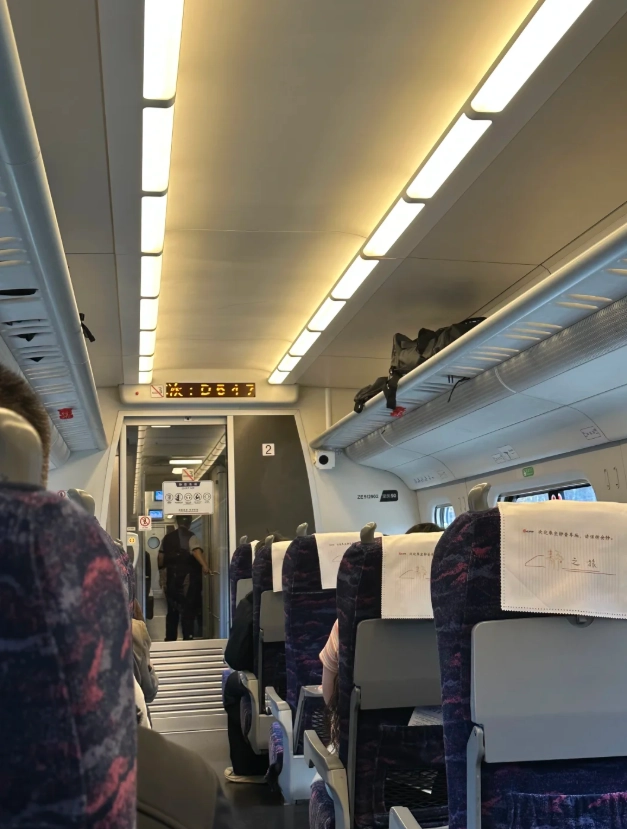
Pro Tip: Compare the Chinese characters, not the English. 长春站 and 长春西站 differ by a single character, and 西 means West. If your hotel is downtown and your ticket says 长春西站, budget a taxi, not a stroll.
How to Book a Bullet Train to Jilin as a Foreigner
12306, Trip.com, or the Ticket Counter?
China Railway's own platform at www.12306.cn now runs an English interface and accepts passport registration — that's where I start every booking. The presale window opens roughly two weeks before departure, and rime-season weekend services from Changchun do sell out, especially Friday evenings and Sunday afternoons.
Payment is where it gets messy. 12306 has become far friendlier to foreign cards than it used to be, but failed transactions still happen. When that occurs, I switch to Trip.com or Klook. You pay a small service fee for a fully English booking flow, and honestly, on a rushed trip that fee buys peace of mind.
Ticket windows at the station accept cash in RMB. International credit cards at the counter are hit and miss — assume they won't work and carry a few hundred yuan in cash as backup.
And yes, wrestling a WeChat mini-program in pure Chinese to grab a seat is a nightmare even for me. Hand your passport to your hotel front desk and let them do it. That's not laziness, that's efficiency.
| Booking Channel | English Support | Foreign Cards | Best For |
|---|---|---|---|
| 12306 official site and app | Yes, full English interface | Usually works, occasionally fails | Lowest price and widest seat choice |
| Trip.com | Yes, fully English | Reliable | First-timers and tight schedules |
| Station ticket window | Limited, staff rarely speak English | Unreliable | Last-minute changes, cash payments |
| Hotel front desk | Depends on the property | N/A, they pay and you reimburse | Anyone overwhelmed by the apps |
Passport Rules, Seat Classes, and Luggage Reality
There is no paper ticket anymore — your passport is the ticket, and the gate reads it. Lay it flat on the scanner. If the machine blinks red, walk to the staffed lane at the side; a human clears you in seconds. This happens more often with passports than with Chinese ID cards, so don't panic.
Keep the passport in your jacket pocket, not in the suitcase in the overhead rack. You'll need it again at your destination gate, and digging through luggage in a crowded vestibule is miserable.
On seat class: second class is 3+2 seating and completely fine for a 40-minute hop. First class gives you 2+2 and more shoulder room — worth it only on the six-hour run from Beijing. Business class shows up on some long-distance G trains and costs multiples of second class.
Luggage has no realistic weight limit, but there are no porters either. A 24-inch case fits the overhead rack. Anything bigger goes in the racks at the car ends, which turn into a scrum the moment your stop is announced. Board early if you're carrying a big bag.
Free hot water dispensers sit at both ends of every car — bring tea or instant noodles like the locals do. Dining cars only appear on long-distance services.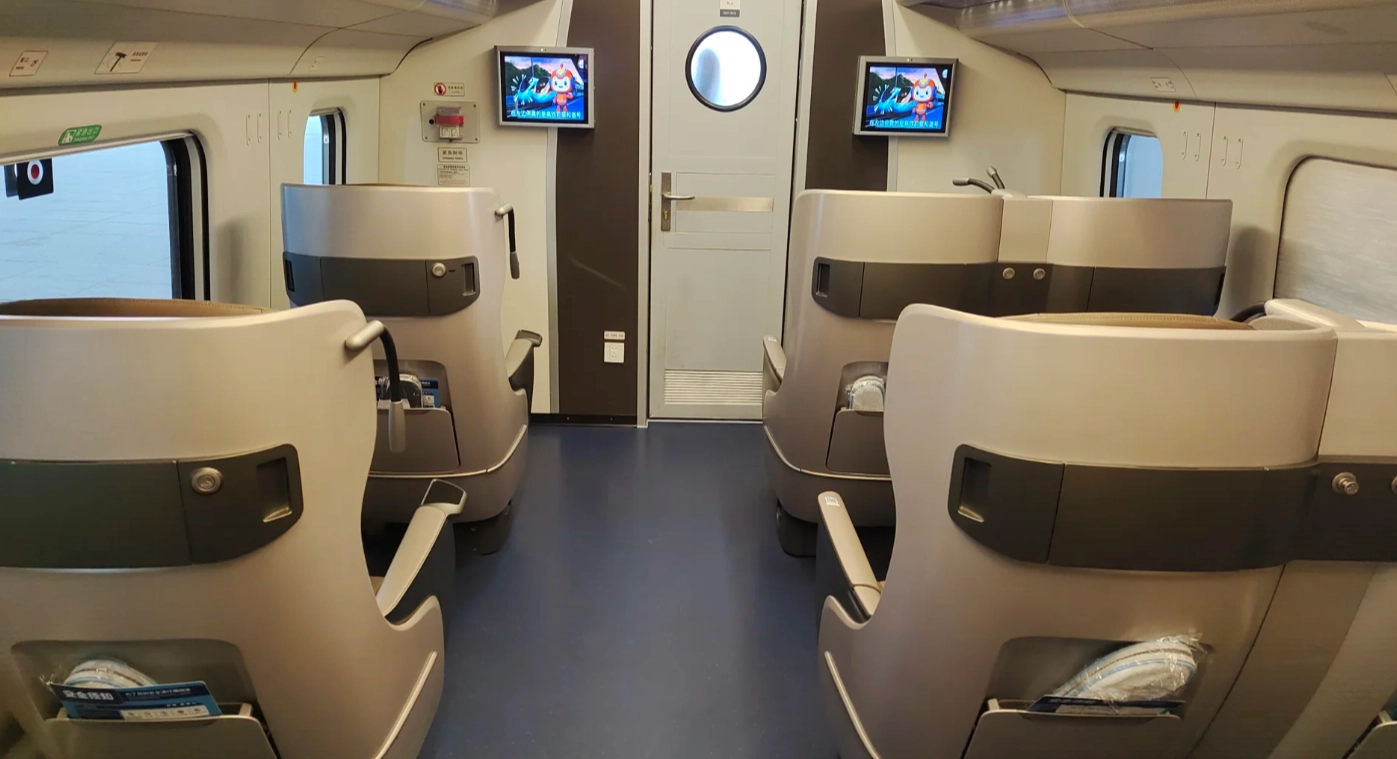
Bullet Train to Jilin: Fares and Travel Times From Major Cities
| Route | Typical Journey Time | Approx. Second-Class Fare | Notes |
|---|---|---|---|
| Changchun Station to Jilin Station | 30 to 45 minutes | ¥30 to ¥35 | The workhorse route, departures every 20 to 40 minutes |
| Changchun West to Jilin Station | 35 to 50 minutes | ¥35 to ¥45 | Fewer departures, confirm which Changchun station you booked |
| Longjia Airport to Jilin Station | About 40 minutes | ¥30 to ¥40 | Station is inside the airport complex, no city transfer needed |
| Harbin West to Jilin Station | 1 hour 40 minutes to 2 hours | ¥120 to ¥160 | Direct, no Changchun change required |
| Shenyang North to Jilin Station | 2 to 2.5 hours | ¥170 to ¥210 | Good overnight stopover city |
| Beijing Chaoyang to Jilin Station | 5.5 to 6.5 hours | ¥550 to ¥700 | Overnight sleeper services also run on this corridor |
| Yanji West to Jilin Station | 1 hour 40 minutes to 2 hours | ¥110 to ¥150 | The Korean-Chinese food corridor |
| Jilin Station to Changbaishan Station | 2.5 to 3 hours | ¥150 to ¥200 | Gateway for Changbai Mountain, then bus or taxi onward |
Treat every number above as a planning figure, not a promise. Fares shift with train type, seat class, and season, and schedules get adjusted. The only source I trust on the day is the official China Railway booking platform at 12306.cn, where you can filter by departure station and see live seat availability.
What the ride actually feels like: quiet, warm in winter, and surprisingly scenic once you leave Changchun behind — flat farmland giving way to low hills as you approach Jilin City. Bring a window seat on the left if you're heading east in the morning.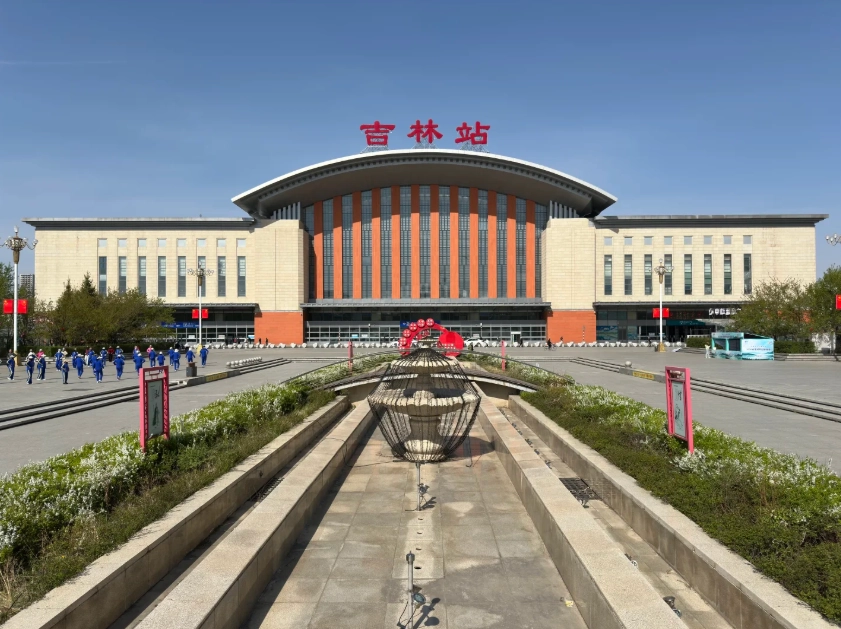
Timing Your Trip Around Rime Ice Season
Rime ice forms only on specific mornings, and no booking app will promise it to you. The conditions are narrow: an overnight temperature of minus 20 or colder, heavy humidity rising off the unfrozen Songhua River, no wind, and a clear sky. Miss any one of those and you get a grey, ordinary morning.
The window runs from late December through mid-February. Prime light is roughly 7:00 to 9:30 a.m. After 11 a.m. the crystals have burned off and the light goes flat.
You have two ways to see it. Wusong Island near Wula Street lies about 40 km and an hour by car north of the city — you need an early start, a hired car, and a gate ticket bought on arrival. Or you can walk the free riverfront rime along Songjiang Middle Road and the Linjiangmen Bridge area right in the city.
Here's my unpopular opinion after too many 5 a.m. drives: on a strong rime morning, the city riverfront delivers most of the experience for none of the hassle. Check the rime forecast the night before, look out your hotel window at dawn, and decide then. Don't pre-book an expensive car for a morning that might not deliver.
Insider Advice: At minus 25, phone batteries collapse in minutes. Keep your phone in an inside jacket pocket next to a power bank, and wear gloves you can operate a touchscreen with. I've watched travelers miss their entire photo window because their phone died at the gate.
A 24-Hour Jilin City Plan Built Around Your Train
Assume you arrive on an early train and leave the next morning. This is the sequence I run with clients, with the transit times that matter.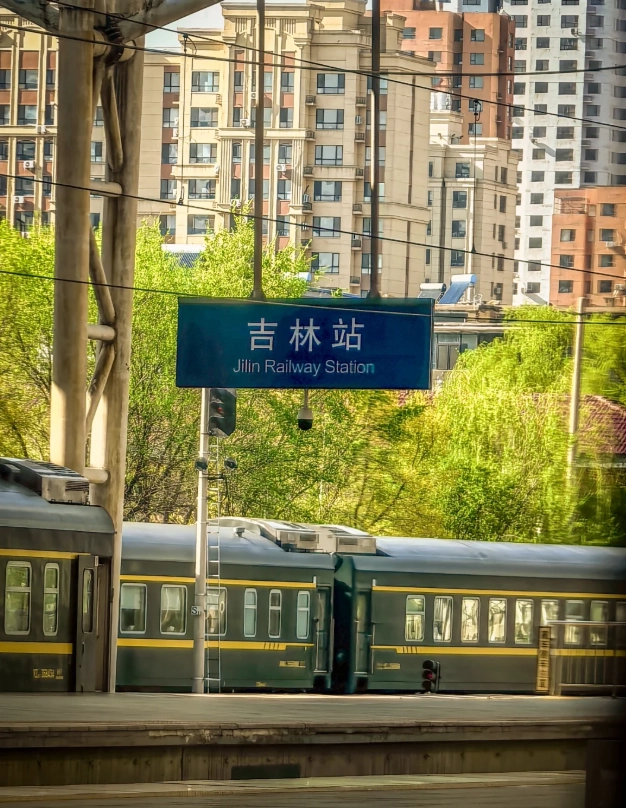
- 06:30 — Taxi to the riverfront. From most downtown hotels it's 10 to 15 minutes and under ¥20. Ask for Songjiang Middle Road.
- 07:00 to 09:00 — Rime walk along the Songhua. Free, and the light is at its best. Walk west toward the Linjiangmen Bridge.
- 09:30 — Breakfast. Order jianfen, a fried starch noodle dish served with sesame paste and garlic. It costs pocket change and it's the local breakfast. Small shops near the river do it best.
- 11:00 — Beishan Park. Entry to the park is free, with small fees for some temple halls. A 10-minute taxi from the riverfront. Allow 90 minutes to climb slowly.
- 13:00 — Lunch on Songhua Lake fish. Locals talk about the four famous varieties of the lake. Steamed preparations are the safest order if you don't handle spice well.
- 15:00 — Jilin City Museum and the meteorite. The city is home to one of the largest meteorite falls ever recorded, and the main mass is displayed here. This is also my Plan B for a blizzard or a brutal cold snap.
- 17:00 — Century Square at dusk. A 15-minute taxi from the museum. Watch the river turn blue-grey as the lights come on.
- 19:00 — Dinner, then DiDi back to the hotel. Skip the taxi rank outside the station at peak hours; the queue is chaotic and drivers prefer app bookings.
If you're squeezing this into a four-hour layover between trains, store your bags at Jilin Station, take a taxi straight to the riverfront, walk 40 minutes, eat jianfen, and come back. It's tight but doable, and far better than sitting in a waiting hall.
If the weather turns — and in January it will — swap the outdoor blocks for the museum, a teahouse, or a long lunch. Nobody enjoys a forced march at minus 25.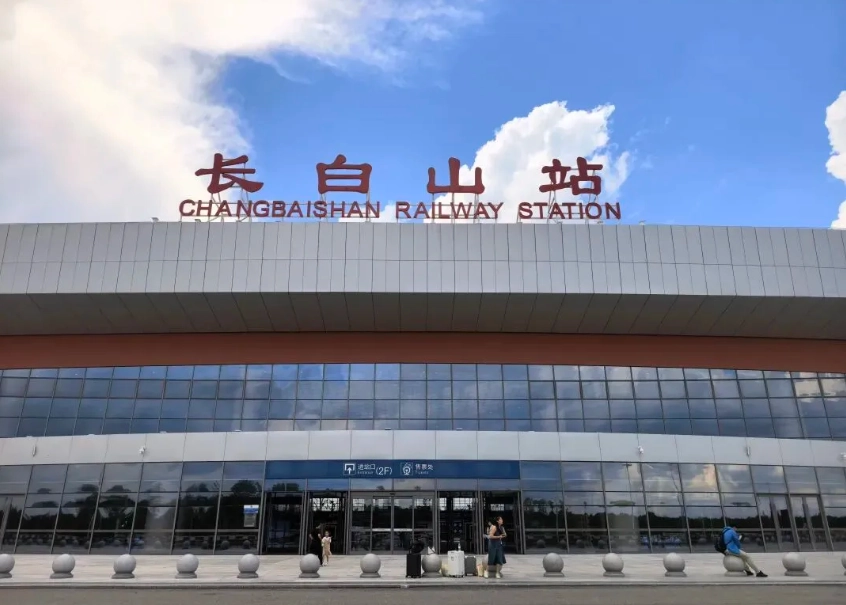
Where Else the Rails Take You in Jilin Province
Jilin Station is a genuine hub, not a terminus. From here the network fans out across one of China's most underrated provinces.
- Yanji West — roughly two hours east, in the Yanbian Korean Autonomous Prefecture. Cold buckwheat noodles, charcoal barbecue, and rice wine. Come hungry.
- Changbaishan Station — two and a half to three hours, then a bus or taxi up to Changbai Mountain. Summer and autumn are the reliable seasons for the crater lake; winter access depends on snow clearing.
- Tonghua and Ji'an — slower connections, but this is the route to the UNESCO World Heritage listing of the Capital Cities and Tombs of the Ancient Koguryo Kingdom. Very few foreign visitors make it here, and that's exactly why I send the curious ones.
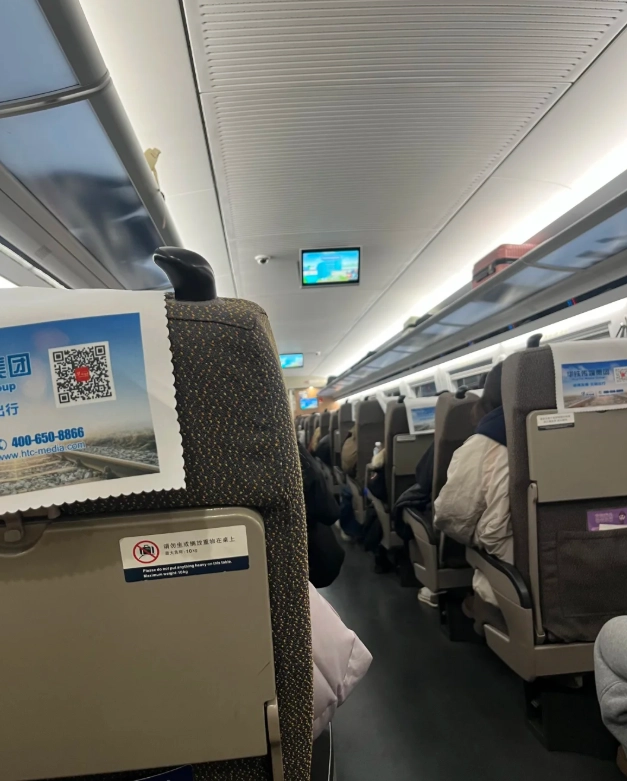
Mistakes I Watch Travelers Make With the Bullet Train to Jilin
Every one of these has cost someone a day of their holiday. Read them once and you'll skip the tuition fee.
- Booking Changchun West while staying downtown. The cross-town transfer is longer than the train ride itself.
- Trusting Google Maps. It is unreliable inside mainland China for transit and walking directions. Use Apple Maps, or Amap, which handles English search reasonably well.
- Arriving 15 minutes before departure. Security, ticket checks, and finding your platform take longer than you think. First-timers should aim for 45 to 60 minutes early.
- Accepting help from a stranger at the station. If someone offers to buy your ticket for a fee and asks for your passport, walk to the official counter instead.
- Assuming taxis take Visa. They don't. Set up Alipay or WeChat Pay with your international card before you land, and keep some cash for backup.
- Forgetting the return leg. Around Spring Festival and peak rime weekends, outbound seats vanish first. Book both directions the moment your dates are fixed.
- Skipping a VPN. Install and test it before departure, not after arrival. You'll want it for email, maps, and translation.
On entry rules, check the National Immigration Administration before you build an itinerary around visa-free transit. Eligibility depends on which port you land at, which province you intend to stay in, and where you fly out to — the rules are generous but not universal.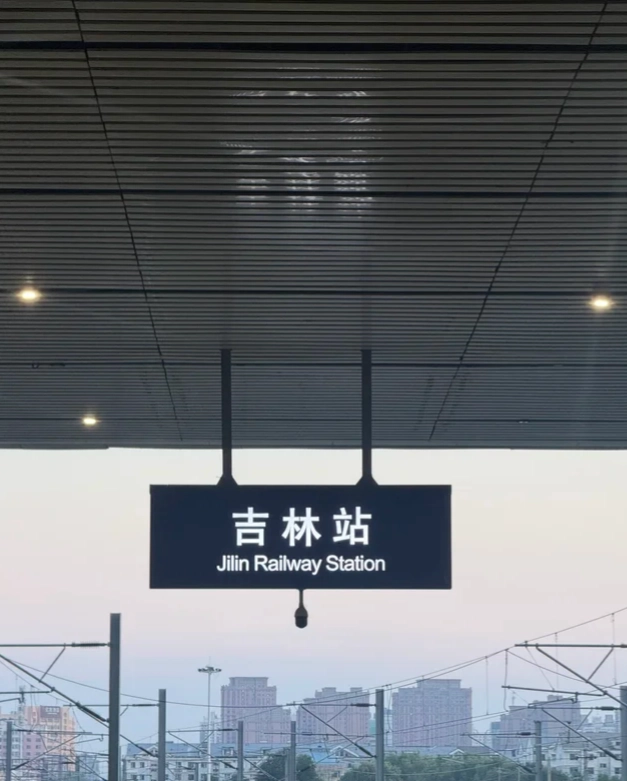
Bullet Train to Jilin: Questions Travelers Actually Ask Me
Verified and fact-checked by the editorial team.


No comments yet.