 Hui Lin
Quick Navigation
I’ve lost count how many tourists I’ve seen melting under the Datong sun. Wrong timing can ruin your entire Yungang experience. Let me save you the trouble.
The best time to visit Yungang Grottoes isn’t just about weather—it’s about avoiding the crowds that block your view of those stunning Buddha statues. Most guidebooks tell you “spring or autumn.” But here’s the catch: within those seasons, specific weeks are golden, and others are still packed. After guiding hundreds of groups here, I’ve nailed down the exact window.
So here’s the straight answer: aim for mid-October (the week after National Day holiday), and get there by 8:30 AM. That’s the sweet spot. Now let’s break down why.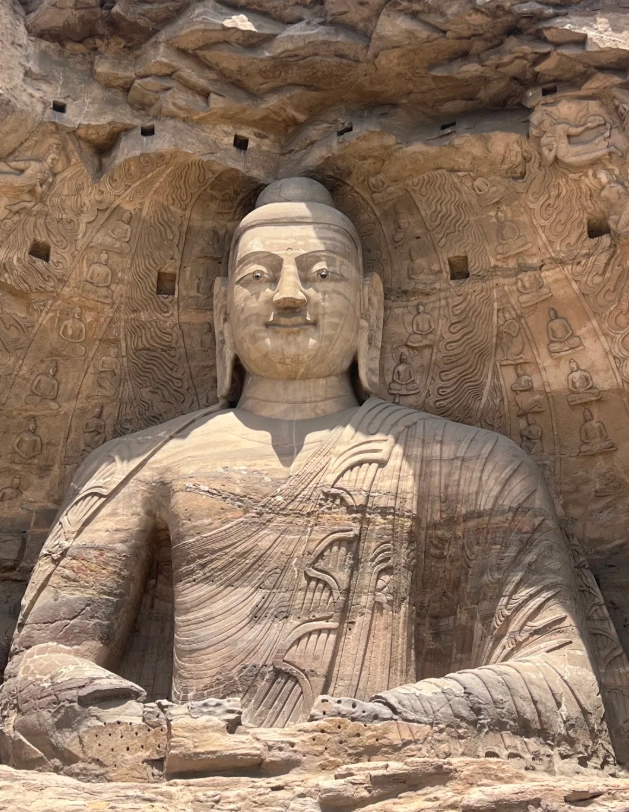
Why Timing Matters More Than You Think
Yungang Grottoes isn’t just a museum you can breeze through. It’s an open-air site with 252 caves spread over 1 km. The main walkway is exposed—little shade. On a summer noon, temperatures hit 35°C and the sun reflects off the sandstone, making it feel like an oven. Add shoulder-to-shoulder crowds, and you’ll be miserable regardless of how impressive the sculptures are.
Also, the cave interiors are sensitive. Allowed visitor numbers are capped during peak seasons to protect the frescoes. But in practice, on busy days you’ll still queue 20 minutes for cave 5 and 6. I’ve seen people spend more time waiting than admiring.
Best Season to Visit Yungang Grottoes
Two seasons stand out, but one is clearly superior.
Spring (March–May)
March is still chilly (5–15°C). By April, things warm up. Dust storms can hit, especially in late March. May is lovely—temperatures 18–25°C, flowers blooming. However, May 1st week (Labour Day holiday) is a nightmare: domestic tourists flood in. Avoid May 1–5 at all costs. If you come mid-May, weekdays are calm.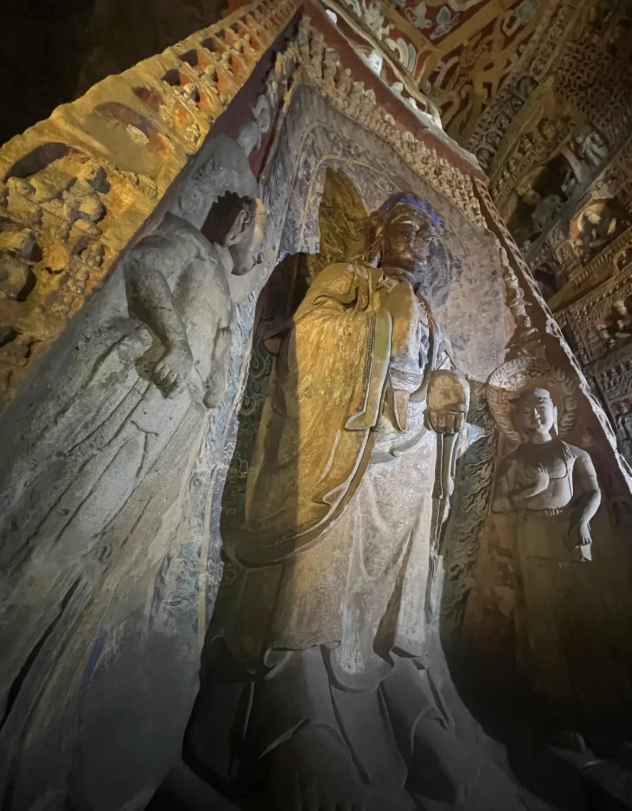
Autumn (September–November)
This is my #1 recommendation. September is warm but not hot. The real gold is from October 10 to late October. The National Day holiday (Oct 1–7) is insane—booked out days in advance. After that, tourist numbers drop dramatically, the weather is crisp (10–20°C), and the golden sunlight hits the caves perfectly for photos. By mid-November it gets cold again, so aim for the window between Oct 10 and Nov 5.
| Season | Pros | Cons | Rating (my scale) |
|---|---|---|---|
| Spring (Mar–May) | Mild, flowers | Dust storms early, Labour Day crowds | ⭐⭐⭐⭐ |
| Autumn (Sep–Nov) | Perfect temps, low crowds after Oct 7, golden light | Late November cold | ⭐⭐⭐⭐⭐ |
| Summer (Jun–Aug) | Long daylight | Heat, crowds, expensive hotels | ⭐⭐ |
| Winter (Dec–Feb) | Cheap, no crowds | Freezing wind, some caves closed | ⭐⭐ |
Worst Times to Avoid
#1: Chinese National Day holiday (Oct 1–7). I once brought a group on Oct 2. We waited 40 minutes just to get through the entrance ticket check. Inside, you couldn't take a photo without strangers in the frame. Caves that normally allow 5 minutes felt rushed. Avoid at any cost.
#2: Summer weekends (July–August). Domestic tourists and school groups swarm. Plus, the heat is nasty—I’ve seen people faint. If you must go in summer, do a weekday, and arrive right at opening (8:30 AM). Leave by noon.
#3: Late December to January. Datong is freezing (below -10°C often). The wind slices through the grottoes. Many outdoor corridors are slippery with ice. Some caves with sensitive wall paintings are closed for preservation. Not worth the ¥20 saving.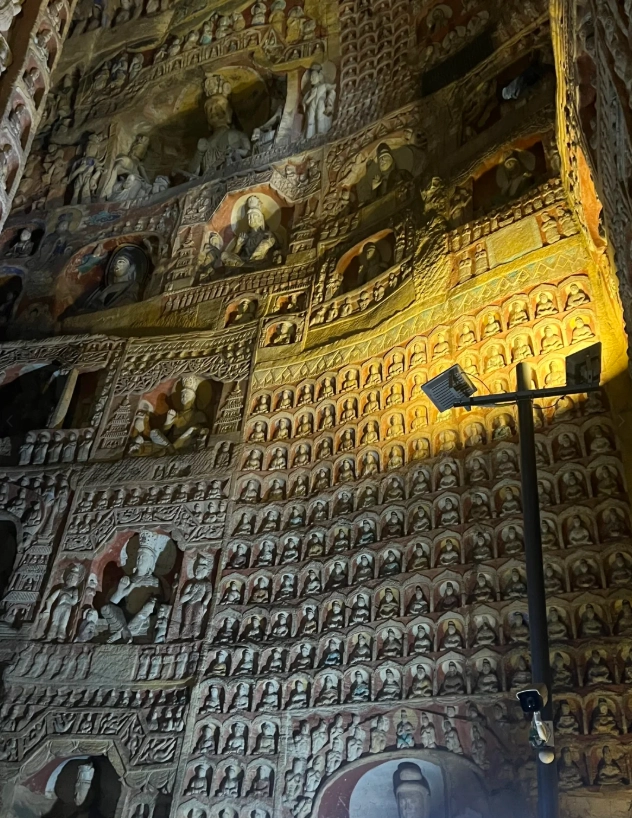
What About Summer and Winter?
Let’s be honest. Summer (June–August) is hot and crowded. But if your schedule is fixed, here’s how to survive: book the first entry slot (8:30 AM), head straight to caves 5–10 (the best ones), and be done by 11 AM. Afternoon is brutal. Winter (December–February) is only for photographers who love empty scenes. The low-angle winter sun creates dramatic shadows on the carvings. But wear thermal underwear, a down jacket, hat, gloves, and a scarf—you’ll need every layer.
Best Time of Day for Photos and Comfort
Light is everything at Yungang. The grottoes face east and south. Morning light (8:30–10:30 AM) illuminates the facades and the giant Buddha in cave 5 directly. Afternoon light from the west is harsher and creates glare on the sandstone. For photographers: golden hour (around 4:30 PM in autumn) is also beautiful, but you need to be near caves 20–45 to catch the western glow. However, security starts gently shooing people out from 5:15 PM (winter) to 5:45 PM (summer). Plan accordingly.
My personal routine for a half-day visit: Arrive 8:15 AM, buy ticket (or show your pre-booked QR code), use the restroom before entering (the ones inside are far and often have queues). Spend 8:30–10:30 on caves 5–13. Break for water and a snack. Then explore caves 16–45 from 10:45 to 12:00. By noon, you’ll have seen the highlights and be ready to leave before the crowds peak.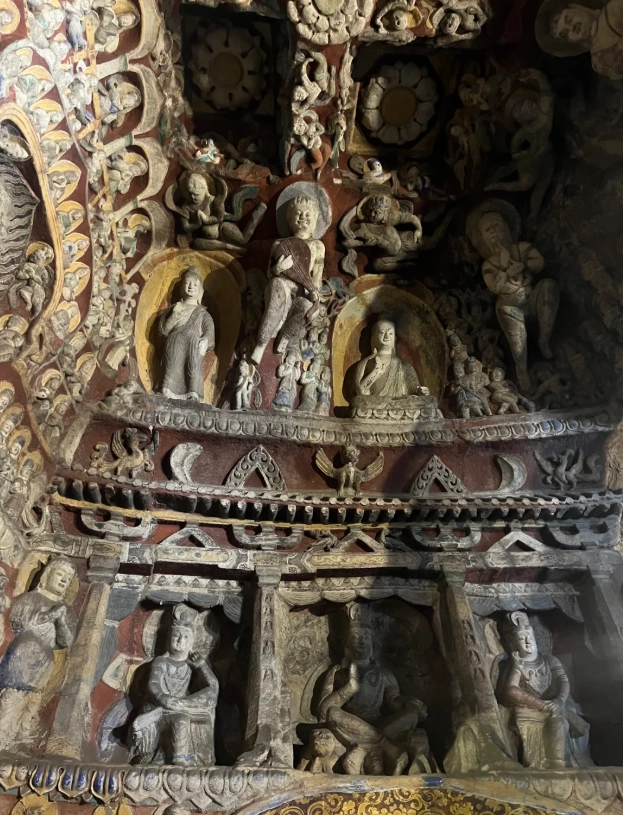
How Many Days Do You Need?
For Yungang alone, half a day (4–5 hours) is sufficient for most visitors. But if you’re traveling from afar, I recommend staying one night in Datong. This gives you time to also visit the Hanging Temple (Xuankong Si) and Datong Ancient City Wall. Day 1 morning: Yungang Grottoes. Afternoon: Hanging Temple (1 hour drive). Day 2: Datong city attractions (Huayan Temple, Shanhua Temple). That’s a solid 2-day itinerary.
Practical Tips for Your Visit
- Book in advance: Use the WeChat mini-program “云冈石窟” (Yungang Grottoes) to reserve tickets. Even in low season, weekends can sell out. Foreigners without WeChat can ask hotel staff to book or buy at the on-site counter (but risk long queue).
- Transport: From Datong Railway Station, take bus No. 3 direct to the grottoes (¥2, 40 min). Taxi from city center costs about ¥30–40 (20 min). I prefer taxi—less hassle.
- What to bring: Sunscreen, a hat, refillable water bottle (there are free water stations inside), and comfortable walking shoes. No drone allowed.
- Photography: Flash is forbidden inside caves to protect pigments. Use a fast lens or high ISO. Tripods are allowed only with a special permit—don’t bother.
- Language: Most signage has English. Audio guides are available at the entrance (¥20, deposit required). I’d skip the audio guide and instead download a history podcast before coming—the official guide is dry.
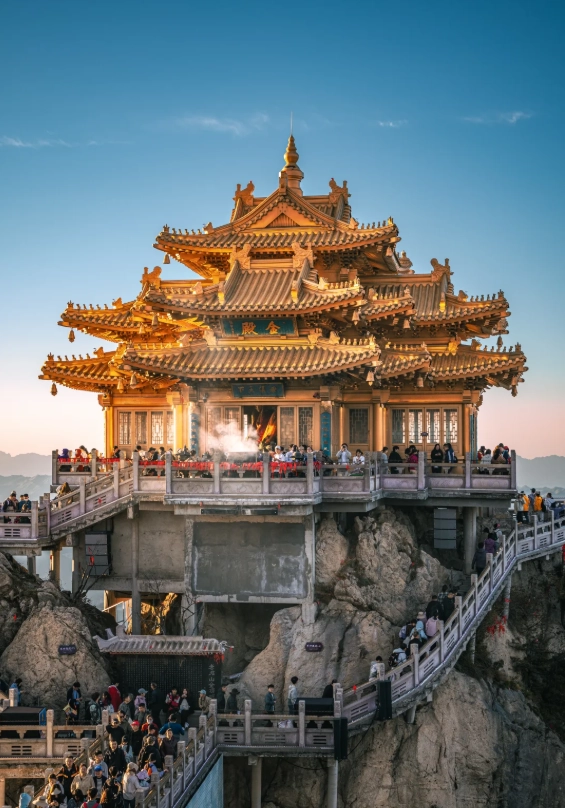





What an experience! I came with my elderly mother and we booked a guide at the gate, which turned out to be the best money we spent. She timed our visits to stay in the shade, told us which caves had the best airflow, and shared stories that made the whole site come alive for my mom. The wooden walkways hugging the cliff are really something — you can almost imagine the monks walking there centuries ago. It’s hot and dusty in summer, but totally manageable if you go early and take breaks. I left feeling deeply grateful and impressed. Highly, highly recommend.
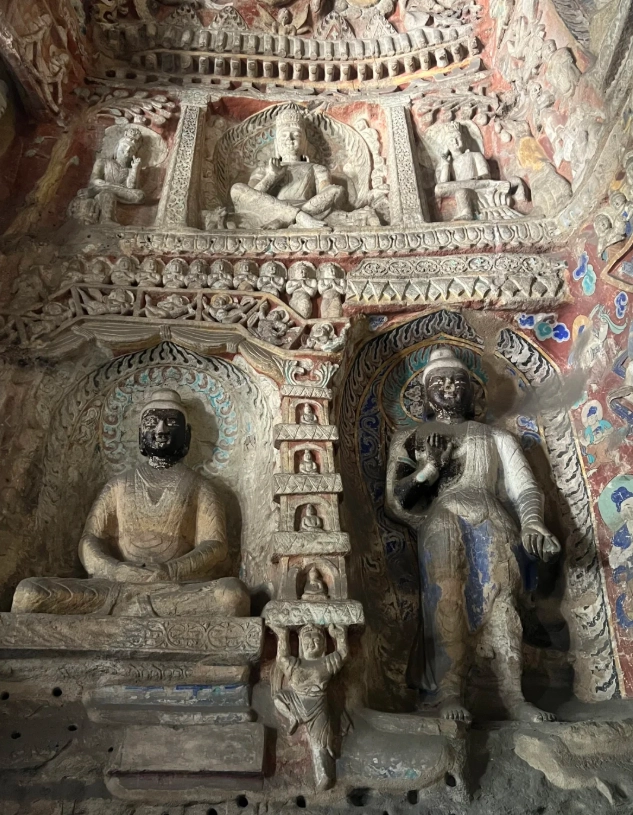
I’ve visited a lot of UNESCO sites, and this one genuinely surprised me. The thousands of carved Buddhas climbing the cliff face are just incredible. Even when the main area got busy, I walked toward the eastern end and found quiet pockets where I could sit and just take in the atmosphere. There’s a tiny tea stall under a tree down there too, which was a lovely break. Don’t bother with the electric cart — walk instead. You get a better sense of how the whole cliff was carved. This is the kind of place that reminds you why you travel.
Do yourself a favor: arrive right at opening time. I got there around 7:20 and had the whole place nearly to myself for the first hour. Walking up to Cave 20 and seeing that giant seated Buddha in the soft morning light gave me chills. No heat, no crowds, just me and 1,500 years of art. Cave 6 is absolutely insane with detail — I honestly couldn’t believe what I was looking at. The bus from Datong was super easy and cheap. I spent four hours here and could easily have stayed longer. Bring a hat and your own water. Absolutely one of the best things I’ve done in China.
This is a solid 4-star experience. The sheer scale of the carvings, especially in Cave 5 and Cave 6, is breathtaking. I went in the early afternoon, and yes, it was hot and crowded, but not unbearable if you’re prepared. The museum near the entrance is actually really good for context. My biggest issue was the shuttle from the parking lot to the site — it was chaotic and there was no clear queuing. Also, water fountains are almost nonexistent, so bring extra bottles. Worth it, but you’ll enjoy it more if you hire a guide or at least read up before you go.
I really wanted to love this place, and the carvings are undeniably amazing, but my visit didn’t live up to the hype. I got there around 10am and it was already packed. The larger caves felt stuffy and hot with all the bodies pressing through, and I kept getting pushed along before I could really look. The site itself is beautiful, but I spent more time dodging tour groups than actually enjoying the Buddhas. Maybe if I’d come earlier or had a guide it would have been better. As it was, I left a little disappointed.