 Gang Zheng
Thirty-four degrees. Ninety percent humidity. That was Shenyang at nine in the morning, and my shirt was already glued to my back.
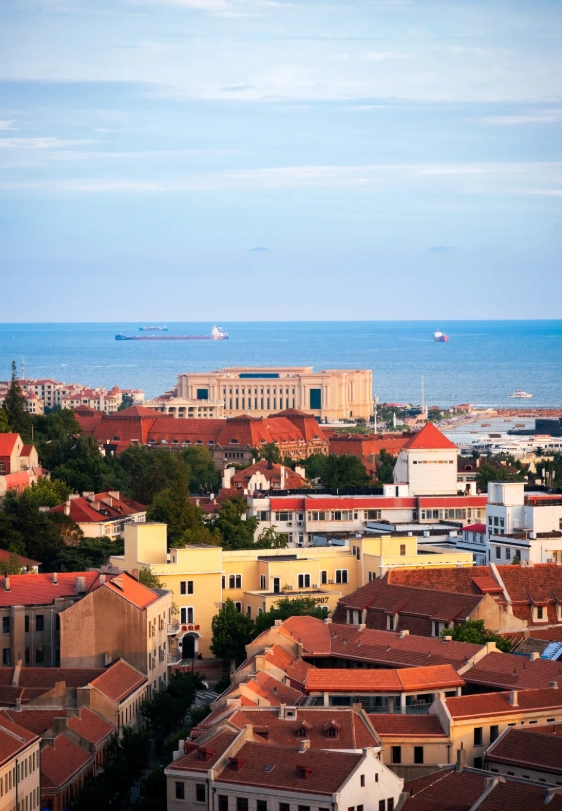
Then the train slid into Dalian and the air changed — sea breeze, twenty-six degrees, old men slapping cards on folding stools outside a Russian-era bank building.
Same province. Two completely different summers.
Most travelers treat Liaoning as a transit province on the way to somewhere else. That is exactly why it works. This Liaoning summer travel guide comes from routes I have walked with clients, trains I have booked at midnight, and ticket windows I have got stuck at while an international card refused to cooperate.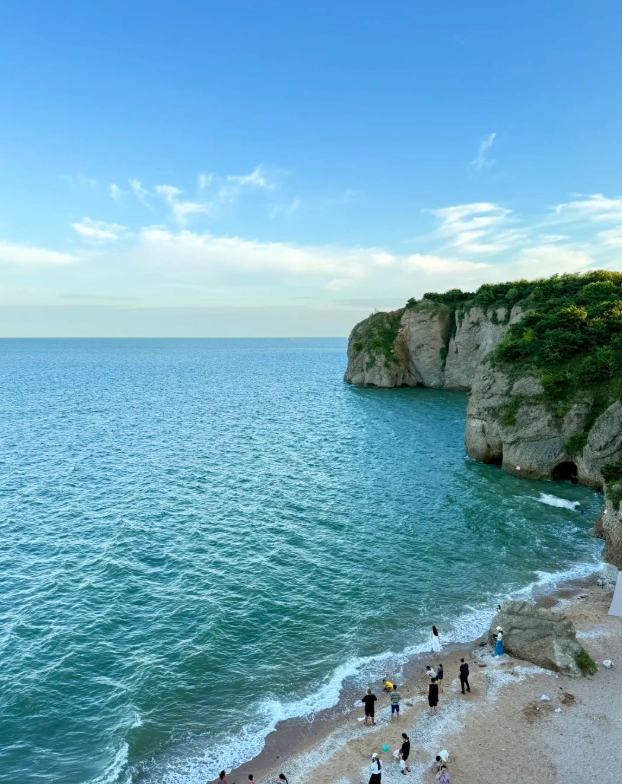
The real trap here is not the heat. It is the digital wall. Museum slots vanish days ahead, booking mini-programs ask for a Chinese ID number you do not have, and a three-day plan that bounces between Dalian, Shenyang and Dandong will leave you spending your holiday inside railway stations.
So here is the short version before you scroll. Base yourself in Dalian for the coast. Give Dandong two nights for the border river. Keep Shenyang as a two-night city stop on the way in or out. Book high-speed rail seats and museum entries through Trip.com or the official railway platform using your passport number — never at the station counter on the day.
Now the useful part.
What You Will Find In Here
- Why Liaoning Beats the Usual Summer Destinations
- How to Move Around Liaoning Without a Car
- Dalian: Your Coastal Base Camp
- Dandong: The Border City Most Tourists Skip
- Shenyang: Imperial History and Free Museums
- A 7-Day Liaoning Summer Itinerary That Will Not Exhaust You
- Practical Tips Foreign Travelers Get Wrong in Liaoning
- FAQ: Liaoning Summer Travel Questions I Get Every Week
Why Liaoning Beats the Usual Summer Destinations
The coast is genuinely cool, the crowds are domestic rather than international, and a seafood dinner costs roughly a third of what the same shellfish costs in Shanghai.
Liaoning also does not pretend to be a resort province. It is a working coastline with fishing harbours, shipyards and a border river. Some of that is gritty. Some of it is beautiful. None of it feels staged for tourists.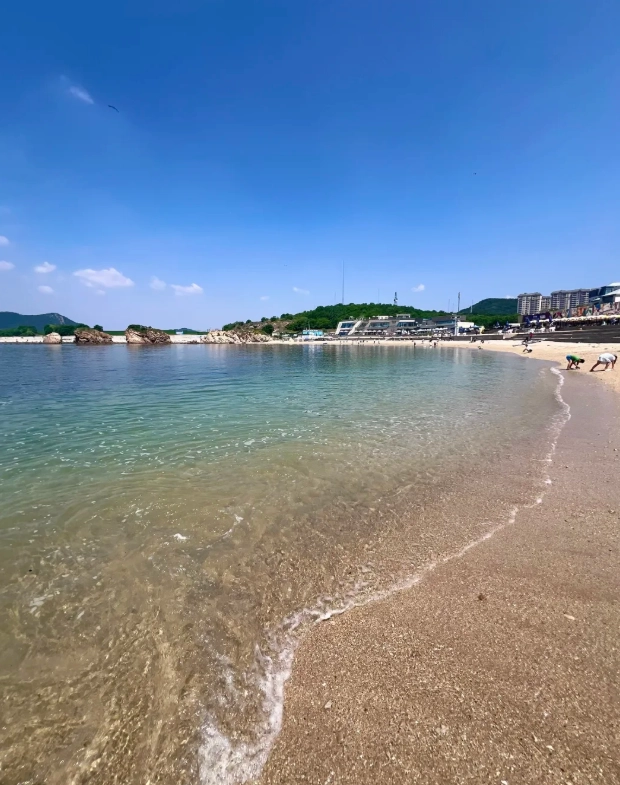
What the Heat Actually Feels Like, City by City
Dalian runs four to six degrees cooler than Shenyang on the same afternoon, and Dandong is cooler still but far wetter. That single fact should shape your entire route.
- Dalian: 25 to 29°C in July and August, humid, with a sea breeze that picks up after 3 p.m. Nights rarely drop below 20°C.
- Shenyang: 30 to 35°C and sticky. The brutal window is noon to 4 p.m., when the concrete radiates heat back at you.
- Dandong: Comfortable temperatures, but July and August are the rainy season. Afternoon downpours are normal, not exceptional.
- Benxi and Anshan mountains: Noticeably cooler, especially inside Benxi Water Cave, which holds around 12°C all year.
I always tell my clients to schedule indoor and shaded things before noon and save the water for late afternoon. The order matters more than the destination.
Why 4 p.m. Is the Real Start of a Liaoning Beach Day
Almost every itinerary you will find online sends you to the beach at ten in the morning. That is the worst possible timing.
Here is what actually happens. Tour buses unload at Tiger Beach between 9:30 and 11:30. The sand at that hour is hot enough to sting bare feet. The water in June is still cold enough to make locals wince, and most of them do not swim seriously until July. The sun between 11 a.m. and 3 p.m. will burn you faster than a Mediterranean beach, because the humidity stops you noticing that you are cooking.
Locals show up around 4:30 p.m. The water has had all day to warm up, the light turns golden and side-on, and the buses are long gone.
Pro Tip: Check the tide before you commit to a beach. Dalian's bay beaches are tidal, and at low tide you may walk 150 metres through ankle-deep water before it gets deep enough to swim. The tide shifts by roughly an hour each day, so ask your hotel reception to check it for you in a Chinese weather app.
How to Move Around Liaoning Without a Car
High-Speed Rail, Flights and the 12306 Booking Trap
Liaoning's high-speed rail network is fast enough that you never need to rent a car, and cheap enough that flying between these cities makes no sense.
Trains run on time, seats are assigned, and your passport acts as your ticket at the gate. You tap the passport on the reader, the gate opens, you walk to the platform. No paper required.
Booking is where people stumble. The official China Railway platform, 12306, now has a full English interface and accepts foreign passports, but the registration step trips people up more often than the ticket-buying itself. If it fights you, book through Trip.com instead — same trains, small service fee, and your passport number is all you need.
One mistake I see constantly: Dalian has two major stations. Dalian Station sits downtown near the Russian Street area. Dalian North is the high-speed hub, about 30 minutes away by metro. Check which one your ticket lists before you leave the hotel, or you will be watching your train pull out from the wrong district.
Arrive 25 to 30 minutes before departure. Security and passport checks are quick, but the walk to the platform is longer than you expect.
Didi, Metro and the Google Maps Problem
Google Maps does not work reliably in mainland China, and this is the single most common reason foreign visitors get lost in Liaoning.
Use Apple Maps if you carry an iPhone — it handles Chinese addresses reasonably well. Otherwise download Amap, the international version of the local mapping app Gaode. It reads English and gives accurate bus and metro routes.
For taxis, use Didi through the Alipay mini-program in English. It shows the fare upfront and the driver gets your pin, which removes the language problem entirely. Street taxis are fine too, but have your destination written in Chinese characters on your phone before you get in.
| Route | Best Option | Typical Duration | Typical Cost | Notes |
|---|---|---|---|---|
| Dalian to Dandong | High-speed rail from Dalian North | About 2 hours | Roughly 100 to 150 RMB, second class | Confirm the station name; Dalian Station and Dalian North are 30 minutes apart |
| Dandong to Shenyang | High-speed rail | About 1.5 hours | Roughly 70 to 100 RMB, second class | Frequent departures through the day |
| Shenyang to Dalian | High-speed rail | 2 to 2.5 hours | Roughly 120 to 180 RMB, second class | Fares vary by train type; verify on 12306 |
| Dalian Station to Jinshitan | Metro Line 3 | About 50 minutes | Under 10 RMB | The cheapest coastal trip you will take |
| Shenyang to Benxi | High-speed rail plus taxi | About 1.5 hours in total | About 30 RMB plus taxi fare | The taxi to the water cave takes 40 minutes |
Metro systems in both Dalian and Shenyang have English ticket machines and accept the Alipay transport QR code. Dalian Metro Line 2 stops at the airport and at Xinghai Square. Line 3 runs from Dalian Station out to Jinshitan. In Shenyang, Line 2 connects the airport with Shenyang North Railway Station.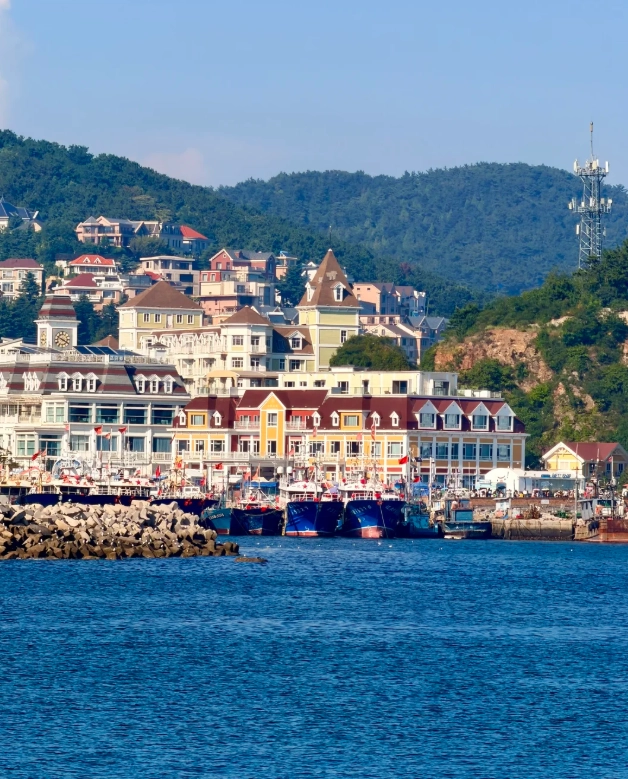
Dalian: Your Coastal Base Camp
Binhai Road, Tiger Beach and the Beaches Locals Actually Use
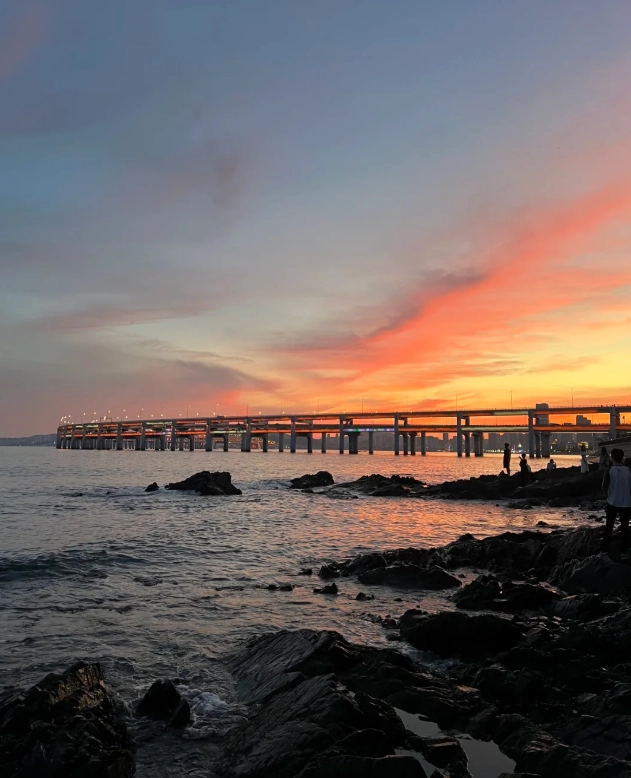
Dalian's coastline is its whole personality, and the Binhai Road boardwalk is where you should spend your first evening. The road runs for dozens of kilometres along the cliffs, and the best walking section sits between Fujiazhuang and Yanwoling — wooden planks, sea on one side, pine trees on the other, and almost no shops, so carry water.
Tiger Beach is the famous one, and the marine park beside it charges a real ticket with a real queue. The free beach next to it is decent but packed between ten and two. I usually send clients to Fujiazhuang instead, which is easier to reach by bus and taxi and has a wider sand shelf.
Jinshitan, also called Golden Pebble Beach, is a 50-minute ride on Metro Line 3 from Dalian Station. The draw is the rock formations in the geological park, which carry an entrance fee, plus a quieter stretch of coast. Give it half a day and go early.
Xinghai Square is free and worth an evening. The fountain runs around 7:30 p.m. in summer and the bridge lights come on shortly after. It is also where locals fly kites, rollerblade and take wedding photos in absurd heat.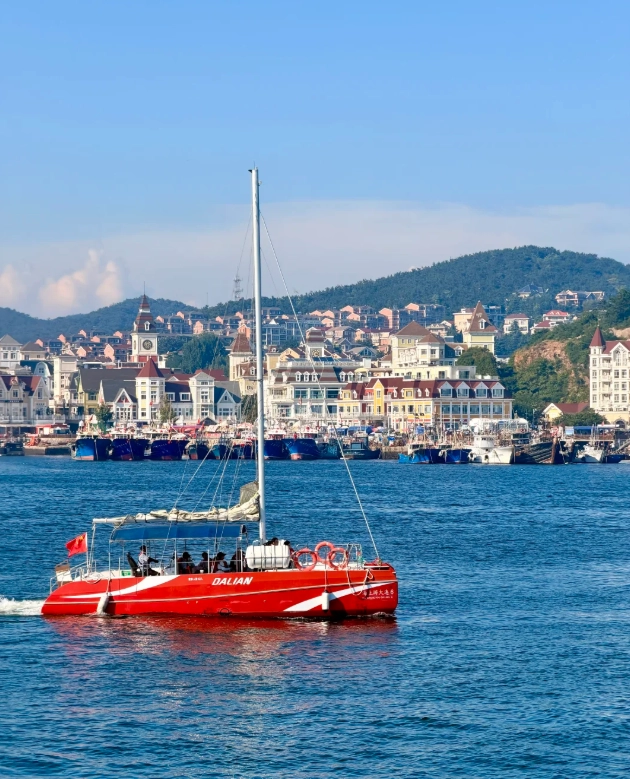
Insider Advice: Skip the seafood restaurants on Russian Street. I have watched visitors pay three times the normal price for the same scallops you can buy two streets inland. Walk ten minutes away from any beach or tourist street, look for plastic stools and a tank of live shellfish, and you have found the right place.
What to Eat in Dalian, and How to Order It
Order seafood by weight, and confirm the price per jin before anything touches the pan. That one sentence will save you more money in Dalian than any coupon.
- Grilled squid skewers: Sold everywhere along the coast after 5 p.m. Cheap, smoky, brushed with a sweet-savoury sauce.
- Menzi: A chewy sweet potato starch jelly, fried on a griddle and topped with sesame paste and garlic. Usually under 20 RMB.
- Sea intestine dumplings: A Dalian speciality. The texture surprises first-timers; the flavour is clean and briny.
- Sea urchin and abalone: Best in late summer. Ask to see them alive before they cook.
A solid seafood dinner for two lands somewhere between 200 and 400 RMB depending on what you order. Payment is almost always Alipay or WeChat Pay. Cash works, but expect a puzzled look while someone hunts for change. Visa and Mastercard are accepted at international hotels and essentially nowhere else. English menus are rare — pointing at a tank works perfectly.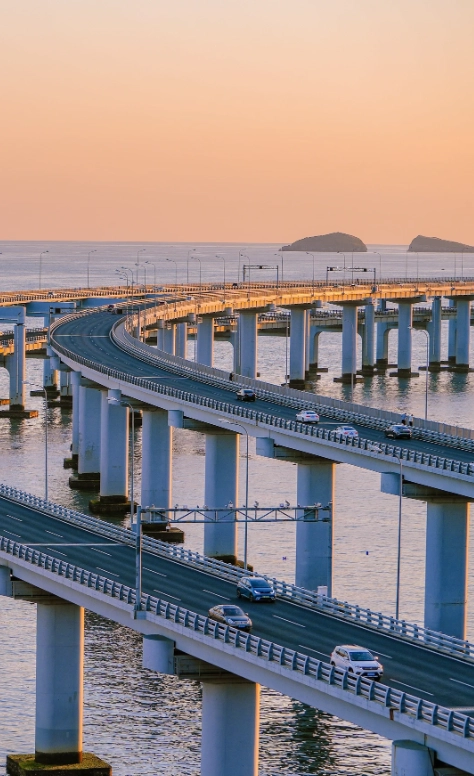
Where to Sleep in Dalian
| Area | Best For | Nightly Range | Walk to Water | Watch Out For |
|---|---|---|---|---|
| Xinghai Square and Xinghai Bay | First-timers, families, evening walks | Roughly 500 to 900 RMB | 5 to 15 minutes to the bay promenade | Rates spike during events at the convention centre |
| Zhongshan Square and Russian Street | Architecture, metro access, restaurants | Roughly 300 to 700 RMB | 20 to 25 minutes to the nearest beach | Street noise and tourist-priced restaurants |
| Fujiazhuang and Binhai Road West | Beach-first stays, slower pace | Roughly 350 to 800 RMB | 3 to 10 minutes | Fewer dinner options; taxi needed at night |
| Jinshitan Resort Area | Resort hotels, quiet mornings | Roughly 600 to 1200 RMB | 5 to 20 minutes | About 50 minutes from downtown by metro |
Two practical notes. International-brand hotels around Xinghai and Zhongshan will have English-speaking front desks and stable Wi-Fi. Smaller properties often do not, so message them through Trip.com before booking and ask directly. Then request a higher floor away from the street — Dalian's summer nights are loud with traffic and late-night barbecue crowds, and Chinese hotel windows are not built for silence.
Dandong: The Border City Most Tourists Skip
Dandong is the only place in China where you can stand on a bridge, look across a river, and watch North Korea going about its morning. It is a two-hour train ride from Dalian and worth every minute.
The Yalu River Broken Bridge, Tickets and Timing
Go to the Broken Bridge between 4 p.m. and 6 p.m. The light falls on the far bank, the crowds thin out, and the bridge itself is illuminated after dark.
The bridge is the half that survived bombardment in the 1950s, now a pedestrian viewing platform with the severed end hanging over the water. Tickets sit in the low tens of RMB for adults, with discounts for children and seniors on production of a passport or ID. Buy at the gate or check Trip.com for current pricing, because it shifts.
Short river cruises leave from the dock near the bridge and run roughly 60 to 100 RMB depending on length. You pass close to the North Korean shoreline at Sinuiju. Photography from the Chinese side is normal and permitted, and locals do it constantly. Do not attempt anything beyond that. Border security here is serious and unglamorous.
For a half-day trip, take a taxi 40 minutes northeast to Hushan Great Wall, the eastern end of the Ming Great Wall. It is steep, there is almost no shade, and the steps are uneven. Go before 10 a.m. or after 4 p.m.
Dandong's food leans Korean-Chinese. Cold buckwheat noodles, grilled yellow clams and kimchi-style side dishes appear on almost every menu. The city is also famous for strawberries, but only in spring.
Shenyang: Imperial History and Free Museums
Mukden Palace and the UNESCO Listing
Shenyang Imperial Palace, also called Mukden Palace, is the early Qing court — smaller and rougher than Beijing's Forbidden City, and far easier to actually see. It forms part of the UNESCO World Heritage listing of the Imperial Palaces of the Ming and Qing Dynasties.
Tickets run around 50 to 60 RMB for adults, with free or reduced entry for young children and seniors holding ID. Confirm current pricing and opening days on Trip.com before you travel, because the palace closes on certain weekdays in slower seasons.
Be at the gate for opening, usually 8:30 a.m. in summer. By 10:30 the courtyards fill with tour flags and selfie sticks, and the halls become hard to enjoy. Two hours is enough.
The Liaoning Provincial Museum is free, requires a passport-based reservation, and closes on Mondays. Its calligraphy and painting collection is the reason to go. The 9.18 Historical Museum is also free and also closed Mondays — a heavy, well-made museum about the 1931 invasion.
For dinner, Laobian Dumplings on the Zhongjie pedestrian street is a Shenyang institution. It is touristy, and the dumplings are still good. Afterwards, join locals for chicken racks, the city's late-night obsession, sold from small shops with plastic tables outside.
A 7-Day Liaoning Summer Itinerary That Will Not Exhaust You
Day by Day, With Transit Times
This route runs south to east to north, which matches the rail lines and keeps your longest transfer at two hours.
Day 1 — Dalian arrival. Land and take Metro Line 2 or a Didi to your hotel near Xinghai Square. Check in by 3 p.m. and rest through the hottest hour. At 5:30 p.m. walk the Xinghai Bay promenade, then eat seafood ten minutes inland from the water.
Day 2 — Dalian coast. 8:30 a.m. Metro Line 3 from Dalian Station to Jinshitan, about 50 minutes. Spend the morning on the rocks and the coast. Head back downtown by 2 p.m. and stay indoors until 4:30 — this is not laziness, it is the difference between enjoying the evening and being wiped out. Swim at Fujiazhuang from 4:30, then catch the fountain at Xinghai Square around 7:30.
Day 3 — Dalian to Dandong. 8 a.m. high-speed train from Dalian North, roughly two hours. Afternoon at the Broken Bridge from 4 p.m., then walk the riverside promenade as the lights come on.
Day 4 — Dandong. 7:30 a.m. taxi to Hushan Great Wall, 40 minutes each way. Back in the city by 1 p.m. for Korean-Chinese lunch and a hotel break. River cruise at 4 p.m.
Day 5 — Dandong to Shenyang. Morning train, about 90 minutes. 2 p.m. at Mukden Palace with a pre-booked slot. Evening on Zhongjie for dumplings and chicken racks.
Day 6 — Shenyang. 9 a.m. Liaoning Provincial Museum, booked in advance with your passport. Afternoon at the 9.18 Historical Museum, or Beiling Park if you need green space and quiet.
Day 7 — Benxi day trip or departure. 7 a.m. train to Benxi, about 30 minutes, then a 40-minute taxi to Benxi Water Cave. Inside it holds around 12°C, so bring a light jacket even though it is 32°C outside.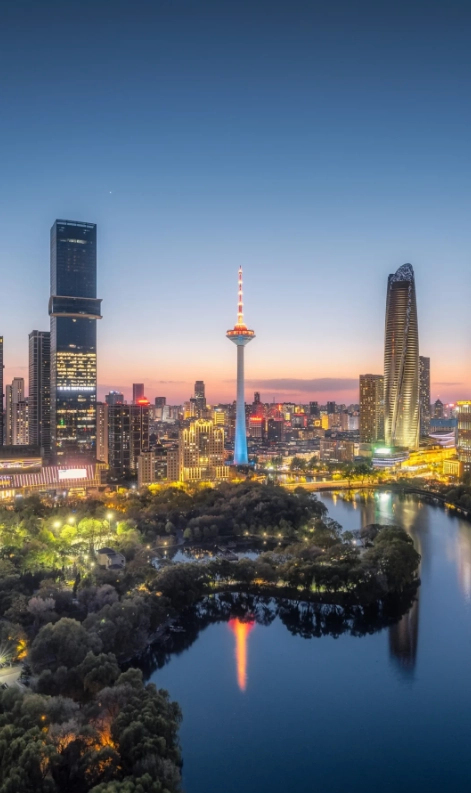
Rain Plan B and the 24-Hour Version
July and August bring afternoon thunderstorms, especially around Dandong, so build one indoor option into every day.
- Dalian rain: Dalian Natural History Museum near Xinghai Square, or a long lunch in the Russian Street area.
- Shenyang rain: Liaoning Provincial Museum, the indoor halls of Mukden Palace, or the 9.18 Historical Museum.
- Dandong rain: The Broken Bridge has covered sections, but the cruise may be cancelled. Have a Korean-Chinese restaurant picked out as backup.
If you have exactly 24 hours in Dalian, do this. 7 a.m. walk Xinghai Square before the heat. 9 a.m. join the Binhai Road boardwalk at Fujiazhuang and walk 40 minutes. Noon, seafood lunch inland. 2 p.m. back to the hotel to shower and nap. 5 p.m. Tiger Beach for the light. 7:30 dinner, then the Xinghai fountain. It is a full day, and nothing on it involves standing in the sun at noon.
Practical Tips Foreign Travelers Get Wrong in Liaoning
Payment, VPN and Passport Booking
Set up Alipay and WeChat Pay with your international card before you fly, not after you land. Both accept foreign cards now, but verification sometimes needs a day to clear.
- Cash: Still legal tender and still accepted, but small vendors may struggle to make change for a 100 RMB note. Carry smaller notes.
- Cards: Accepted at international hotels, big department stores and almost nowhere else. Do not plan around your Visa.
- VPN: Install and test it at home. Google, Instagram and WhatsApp are blocked on Chinese networks.
- Translation: Apple Translate and Baidu Translate both work well. Download the offline Chinese pack.
- Reservations: Most museums and major sites require a passport-based booking, often through a WeChat mini-program. If the interface defeats you, Trip.com and Klook are the English-friendly route.
- Entry rules: Visa and visa-free transit policies change, so check the National Immigration Administration before booking flights.
- Emergency numbers: 110 for police, 120 for ambulance, 119 for fire.
Pro Tip: Your passport is your train ticket, your museum entry and your hotel registration all at once. Keep it on you, keep a photo of the data page on your phone, and never leave it in a checked bag. Losing it means a trip to the exit-entry office instead of the beach.
FAQ: Liaoning Summer Travel Questions I Get Every Week
Verified and fact-checked by the editorial team.


No comments yet.