 Ming Yang
Quick Navigation
I've lost count of how many times I've guided groups through the gates of Shangri-La. But one thing always makes me wince—seeing tourists shivering in July because they followed generic advice. Here's the truth: timing in Shangri-La is everything. The best windows are April–May and September–October. Miss those, and you'll either get soaked by monsoon rains or gasp for breath in -10°C wind. Let me break down exactly when to book your flight—and how to avoid the rookie mistakes that even experienced travelers make.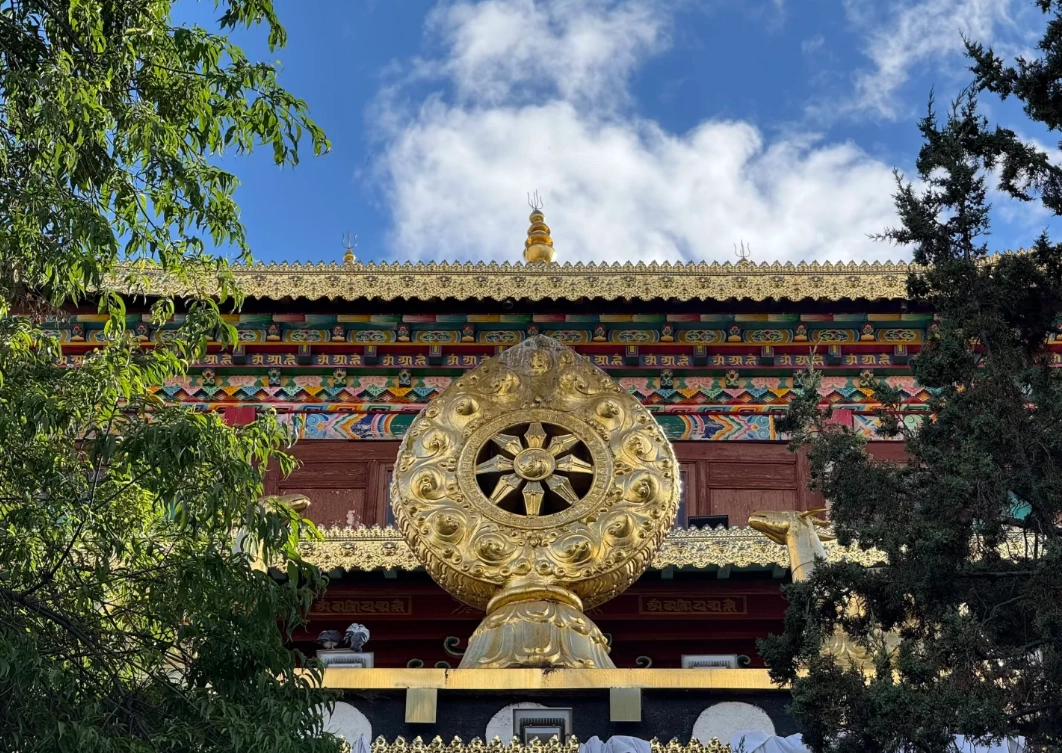
Why Timing Matters in Shangri-La
Altitude is the elephant in the room. At 3,450 meters (11,300 ft), the weather here flips fast. Spring and fall offer the most stable conditions: clear skies, moderate temps, and fewer crowds. Summer brings heavy rain—I've seen roads wash out near Pudacuo. Winter is brutally cold but stunningly beautiful if you pack right.
Most online guides tell you "June–August is fine." They're not entirely wrong—but they're not guiding you through the mud either. I always say: come in spring for flowers, fall for photos, summer for frustration, winter for adventure.
Spring (April–May): Flower Paradise
This is my personal favorite. From mid-April, rhododendrons and azaleas explode across the hills. Temperatures hover around 10–18°C (50–64°F) during the day—perfect for hiking. But here's the catch: mornings are still freezing (0–5°C). Pack layers.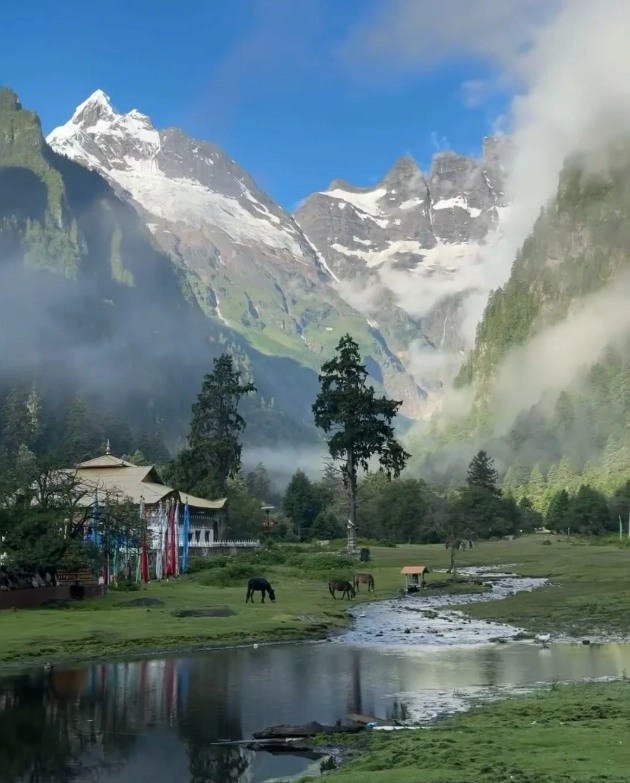
What to do in spring
Visit Pudacuo National Park before 9am. The mist lifts over Shudu Lake around 8:30, revealing mirror reflections of the mountains. Tickets are ¥140 (about $20) and require advance booking via Trip.com or WeChat—yes, you need a passport to register. Avoid weekends when domestic tour buses swarm.
Pro tip from my last trip: The wooden walkway near the lake gets slippery after rain. Wear grippy shoes. And don't bother with the sightseeing bus after 11am—the queue is 40 minutes long.
Another highlight: Songzanlin Monastery (the "Little Potala Palace"). Admission is ¥90, and you can reach it by taxi from the old town for about ¥15. I always tell my groups to go around 3pm—the sunlight hits the golden roofs perfectly, and the crowds thin out.
Spring also means Dukezong Ancient Town is less crowded. Stroll the stone streets after 7pm when the prayer flags flutter in the dusk. Just be aware: many restaurants close by 9pm. I recommend Horsepen Yunnan Restaurant (No. 48 Jinsha Road) for authentic yak hotpot—about ¥80 per person, cash only.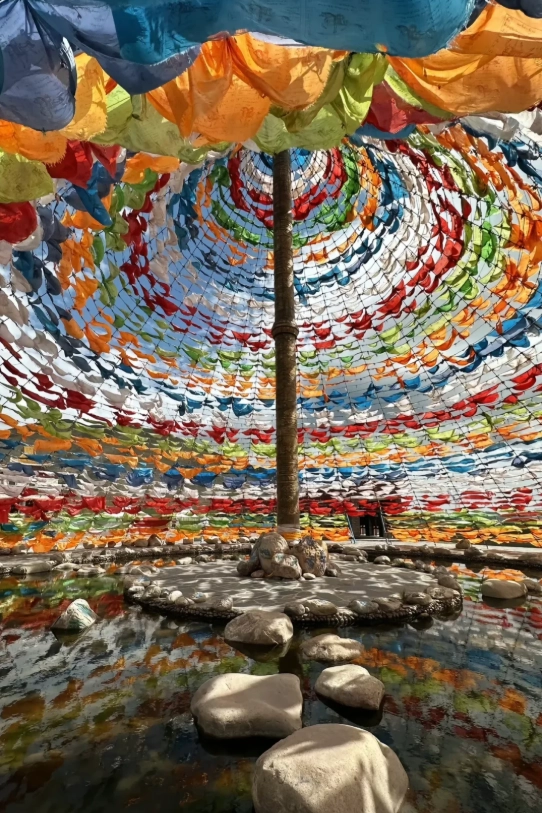
Fall (September–October): Golden Days
Fall is the second golden window. September offers crisp air and golden meadows; October paints the forests in red and yellow. Daytime temps are 12–20°C (54–68°F). But here's the secret: October is China's National Holiday week (Oct 1–7). Avoid it unless you love shoulder-to-shoulder crowds. Instead, aim for mid-September or late October.
Why fall beats summer
Visibility. In summer, you often can't see the top of Kawa Karpo because of clouds. In autumn, the Himalayan peaks are crystal clear. I once had a client cry from the beauty—no joke.
Pudacuo in autumn: The lakes are less murky, the leaves are vibrant, and the wildlife (like black-necked cranes) gathers in the wetlands. Go on a weekday; I usually arrange a private car from the old town (¥200 round trip) to avoid the shuttle bus hassle.
But a word on payments: Even in 2024, most local shops only take WeChat Pay or Alipay. Make sure your international credit card is linked beforehand—Apple Pay rarely works here. I've seen tourists stuck buying bottled water because they only had cash and the vendor had no change. Always carry small bills (¥10, ¥20).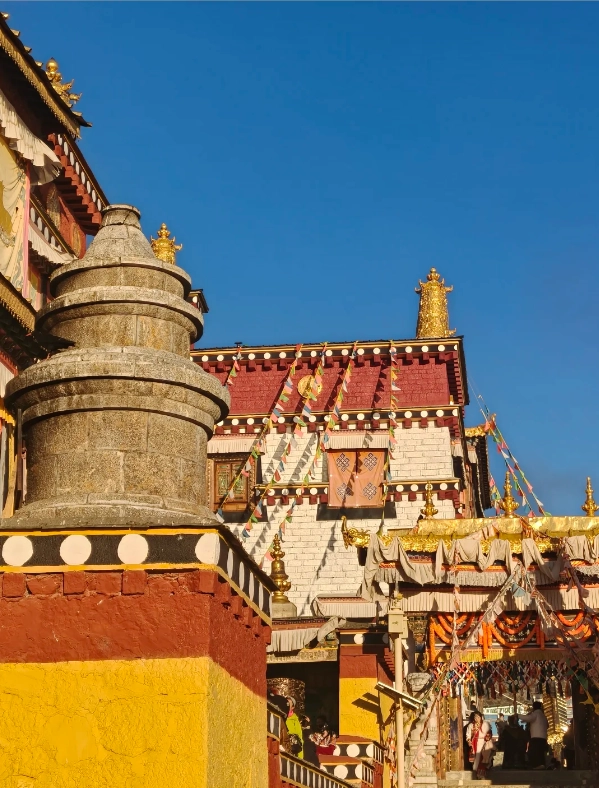
Summer (June–August): The Rainy Truth
Let's be honest: summer in Shangri-La is hit-or-miss. June starts the monsoon; July and August bring daily downpours that turn trails into mud pits. Yes, the grasslands are green, but you'll spend half your time dodging puddles. And the crowds—oh, the crowds. July is peak domestic tourism. I've seen queues at Songzanlin snaking for 200 meters.
If you must come in summer, book everything—hotels, park tickets, even taxis—in advance. Use Trip.com for English-friendly booking. Also, bring a good umbrella and waterproof shoes. And never rely on Google Maps; it's blocked and unreliable. Instead, download Apple Maps (works offline for driving) or the AMap Global app (English interface).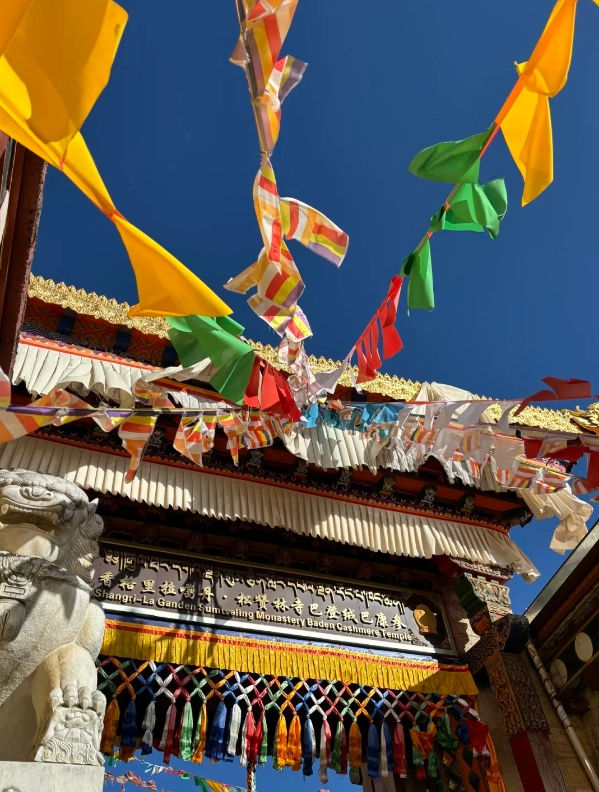
Winter (November–March): Snowy Solitude
Winter is for the brave. Temperatures drop to -10°C at night, and snow blankets the town. But if you want the monasteries dusted in white without the crowds, this is your season. November and March are the best months—less harsh, still beautiful.
Important tip: Many hotels use underfloor heating, but some older guesthouses don't. Ask before booking. I usually recommend Songtsam Retreat (about ¥800/night) for reliable heating and English-speaking staff. They also offer oxygen canisters at check-in.
Winter also means some attractions close early. Pudacuo opens at 8:30 but closes at 4pm in winter (last entry 2:30pm). Call ahead or check their official WeChat account—yes, it's in Chinese, but your hotel can help.
Monthly Weather Breakdown
| Month | High/Low (°C) | Rainfall (mm) | Best For | Crowd Level |
|---|---|---|---|---|
| January | 6 / -8 | 10 | Snow scenes | Low |
| February | 8 / -5 | 15 | Same | Low |
| March | 12 / -2 | 25 | Early spring | Medium |
| April | 16 / 2 | 40 | Flowers | Medium |
| May | 18 / 5 | 60 | Peak spring | High |
| June | 20 / 8 | 110 | Summer start | High |
| July | 21 / 10 | 150 | Rainy | Very High |
| August | 20 / 9 | 130 | Still rainy | High |
| September | 18 / 6 | 80 | Golden autumn | Medium |
| October | 15 / 3 | 40 | Peak autumn | Very High (holiday) |
| November | 11 / -2 | 20 | Late autumn | Low |
| December | 7 / -7 | 10 | Winter | Low |
Insider Tips: Payments, Navigation & Booking
Payments
Assume your credit card won't work. All major attractions accept WeChat Pay and Alipay; some accept cash. But many small shops, taxi drivers, and food stalls in Dukezong take only mobile payments. Before you leave, set up Alipay with your international card (Visa/Mastercard). I've used it seamlessly for four years. Also, carry about ¥500 in small bills for emergencies.
Navigation
Google Maps is useless here. It's blocked and often shows wrong locations. Use Apple Maps (pre-loaded offline maps) or download AMap Global (it has an English toggle). For taxis, show the driver the Chinese address: e.g., Pudacuo National Park: 普达措国家公园. For ride-hailing, download Didi (English version) and link Alipay.
Booking attractions
Almost every major site requires advance reservation. For Pudacuo and Songzanlin, book on Trip.com (English) or ask your hotel to book through their WeChat. You'll need your passport number. Walk-up tickets are rarely available—especially during May and October holidays. I once saw a family turned away at Pudacuo because they didn't book. Don't risk it.
Altitude adjustment
Don't fly into Shangri-La directly from sea-level. I always recommend a stopover in Kunming or Lijiang for two days to acclimate. Symptoms hit hardest the second day. Pack acetazolamide (Diamox) from your doctor, and buy oxygen cans at any pharmacy in town (about ¥30). Avoid alcohol and heavy meals for the first 48 hours. And listen to your body—I've had to cancel tours because tourists insisted on hiking with a headache.





Finally an honest seasonal guide. I've used it twice — once in fall and once in spring. The fall route gave me crisp air and golden forests; the spring trip gave me fresh green valleys and fewer tourists (except around the monastery). The guide's basic itinerary and length-of-stay advice made both trips smooth. If you're indecisive, just read this — it gives you reasons to come back for the other season too.
I almost booked for fall but this guide convinced me to try spring instead. It was the right call. End of April, the meadow around Napa Lake was a carpet of yellow and purple flowers. The snow melt made the waterfall in Yubeng thunder. The guide's packing list for muddy trails was exactly right — I would've ruined my only sneakers. A friend went in fall and said the colors were beautiful, but spring here is underrated.
This guide was spot on. I visited in late October following the fall recommendation. The golden birch trees near Napa Lake looked unreal, with yaks grazing on the wetlands. The 'insider tip' about shooting at sunrise before the tour groups arrived was worth the early wake-up. I shot fog rolling over the Ganden Sumtseling Gompa — pure magic. 5 stars.
Solid breakdown of the trade-offs. The comparison chart was easy to read. I went in early May because of the spring section. The azaleas at the Songzanlin Monastery were stunning. Only downside: it didn't mention how many direct flights and sightseeing buses get filled up during Golden Week. Avoid that if you can. Otherwise, a great starting point.
I used this guide for a late September Trip to Shangri-La. Honestly, it made fall sound incredible, but when I got to Pudacuo the leaves were still mostly green. The guide said 'late September to mid-October' but I think another week would have been better. Still the weather was crisp and the guide's advice on bringing layers was spot on, so that saved me. Just felt a bit oversold.