 Hua Sun
Twelve hours on a hard sleeper. That is what it finally took for me to stop treating Liaoning as a transit province.
Most travelers sprint from Beijing to Harbin and never get off the train here — a mistake I have watched smart, well-read people make for years.
So here is the honest version of things to do in Liaoning, written by someone who books these routes for a living. The real obstacle is never the sights. It is the logistics. Your international card gets declined at the ticket window. Google Maps draws a river where a road should be. And those three-day itineraries floating around online will wreck your knees by day two.
The single most useful thing I can hand you up front: pick two cities, not five. Shenyang for imperial history, Dalian for the coast. High-speed rail connects them in roughly two hours. Book every major site the night before on Trip.com — passports are required for entry, and walk-up tickets are a gamble you do not need to take.
Short version of everything below. Tap what you need.
What's Inside — Tap to Jump
- Why Liaoning Beats the Usual Northeast Route
- Things to Do in Liaoning, City by City
- Getting Around Liaoning Without a Car
- What to Eat in Liaoning
- Where to Stay in Liaoning
- A 4-Day Liaoning Itinerary That Actually Works
- The Mistakes Foreign Visitors Keep Making
- Liaoning Travel Questions I Get Every Week
Why Liaoning Beats the Usual Northeast Route
Liaoning squeezes four completely different trips into one province, and that is exactly why it confuses first-timers.
You get the birthplace of the Qing dynasty in Shenyang. You get a working coastline in Dalian, with sandy bays and old tram lines. You get a live international border in Dandong, where you can stand on a bombed-out bridge and look straight across the Yalu River. And you get karst caves and tidal wetlands in Benxi and Panjin that almost nobody outside China talks about.
Here is the part I rarely see mentioned: prices drop by roughly a third compared to Beijing or Shanghai. A solid mid-range hotel in Shenyang runs well under what a mediocre one costs near Wangfujing. Taxis start around ¥8 to ¥9. You can eat extremely well for ¥60 a head.
The catch is that English signage thins out fast once you leave the airport. That is the trade-off. Fewer tourists, less hand-holding.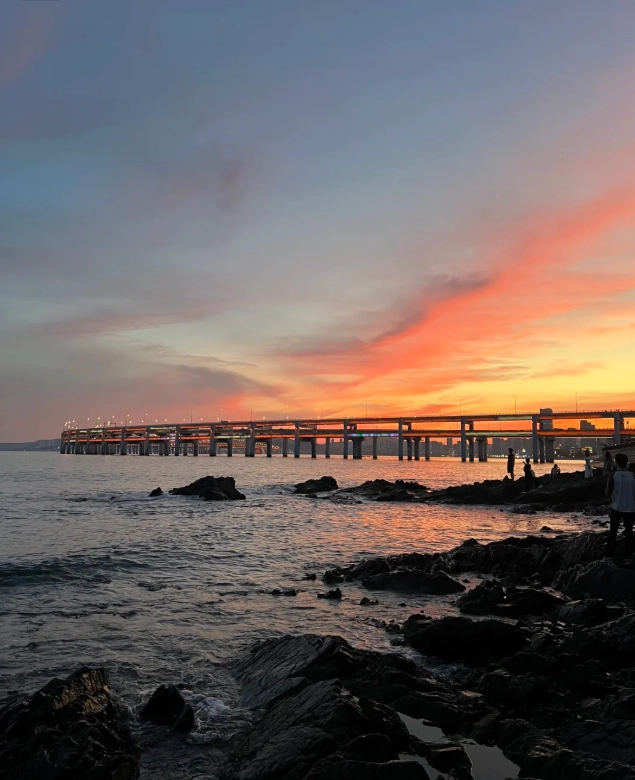
Things to Do in Liaoning, City by City
Shenyang: Where the Qing Dynasty Started
Mukden Palace is the reason most people come to Shenyang, and it is genuinely worth it — but only if you time it right.
This is the smaller, older predecessor to Beijing's Forbidden City, and it is part of the UNESCO World Heritage listing for the Imperial Palaces of the Ming and Qing Dynasties. You can read the official inscription through the UNESCO World Heritage Centre if you want the historical framing before you go.
Address: 171 Shenyang Road, Shenhe District. The nearest metro is Line 1 to Zhongjie Station, then a ten-minute walk. Taxi drivers know it as 沈阳故宫.
Adult tickets sit around ¥60. Children and seniors typically get reduced or free entry depending on height and age, and you will need your passport at the gate. Booking happens through the official WeChat mini-program or through Trip.com. Do it the night before.
Insider Advice: I take every single client here between 3:00 PM and 4:30 PM, never at midday. The tour buses unload at the Zhongjie entrance from about 10:00 AM to 2:00 PM, and you will be shuffling through courtyards shoulder to shoulder. By late afternoon the light turns golden on the yellow roof tiles and the crowd thins by more than half.
Two other stops in Shenyang deserve your time. The Zhang Xueliang Residence, a five-minute walk from the palace, tells the story of the warlord era in a way no museum label can. Budget around ¥40 to ¥50. And Beiling Park, the tomb complex of Hong Taiji, is where locals actually spend their weekends — you pay a small park fee plus a separate ticket if you want into the tomb core.
The 9.18 Historical Museum is free but requires advance reservation and is closed one weekday per week. Check before you go. It is heavy, well made, and I would not bring young children.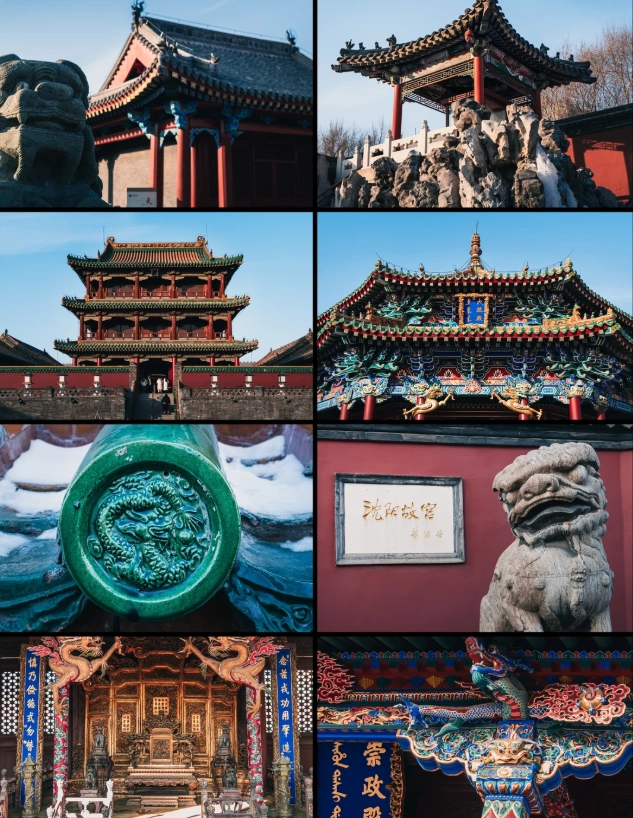
Dalian: The Coast That Feels Like Another Country
Dalian is where Chinese families go on holiday, which means the infrastructure is excellent and the tourist traps are also excellent.
Xinghai Square is the obvious stop, and it is free. Here is what nobody tells you — it is nearly pointless in the daytime. Go after 7:00 PM when the fountain and the ring of buildings light up and the sea breeze actually makes the walk pleasant.
Binhai Road, the coastal route, is the real highlight. Skip the hop-on-hop-off sightseeing bus. Instead, take a Didi to Yanwoling and walk east along the cliff path for about forty minutes. Go before 8:00 AM. I have done this at 7:00 AM in July and had entire viewpoints to myself.
Old Tram Line 201 still runs through the city center with vintage cars. Fares are a couple of yuan, and it is a genuinely charming way to cross town. Zhongshan Square, ringed by century-old bank buildings, is a fifteen-minute stop and worth the detour.
One honest warning: the Russian Style Street is a souvenir corridor with almost nothing authentic left. I would skip it entirely and spend that hour eating seafood instead.
Dandong: The Border Everyone Underestimates
The Yalu River Broken Bridge is the single most photogenic man-made structure in the province, and it costs about ¥30.
You walk out onto a span that was partially destroyed during the Korean War and stops mid-river. The far bank is North Korea. Bring your passport — it is not always checked, but it can be.
Most visitors take a photo and leave. Do not. The river cruises that run from the pier give you a completely different angle on the far shore, and they usually cost well under ¥100. Confirm current pricing and departure times at the pier, since schedules shift with the season.
Hushan Great Wall, about thirty minutes by car from the city, is the eastern terminus of the Ming Great Wall. It is steep, the steps are uneven, and the reward at the top is a view over farmland and river that no photograph prepares you for. Wear real shoes.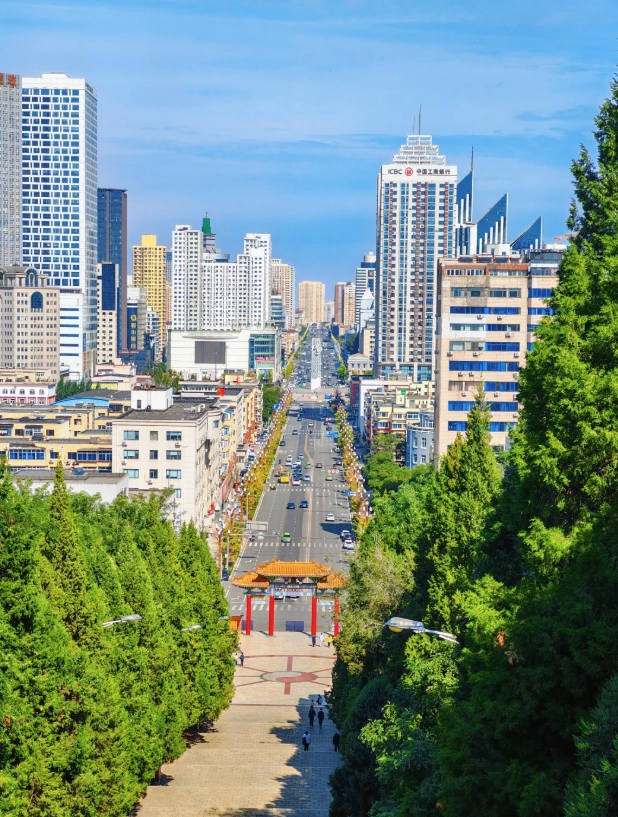
Benxi and Panjin: For Travelers Who Have Already Seen the Big Cities
Benxi Water Cave is a boat ride through a flooded cavern, and the temperature inside hovers near 10°C year-round regardless of the summer heat outside.
Bring a jacket in July. I am not exaggerating. Tickets run roughly ¥120 to ¥150 depending on season. The site is about forty minutes by car from Benxi city, and I would not attempt it without booking a car or joining a day tour.
Panjin's Red Beach is a coastal wetland that turns crimson from mid-September through mid-October. Outside that window it is just marshland. Time your trip or skip it.
Getting Around Liaoning Without a Car
The high-speed rail network here is genuinely world-class, and it makes a car rental unnecessary for almost every itinerary.
Book through China Railway's official 12306 platform or Trip.com. Your passport is your ticket — you scan it at the gate, no paper required. I always tell clients to book on Trip.com if the Chinese interface intimidates them, because the small booking fee buys a lot of peace of mind.
| Route | Best Option | Travel Time | Est. Cost | Notes |
|---|---|---|---|---|
| Shenyang to Dalian | High-speed rail | About 2 hours | ¥120 to ¥180 | Frequent departures all day |
| Shenyang to Dandong | High-speed rail | About 1 hour 20 minutes | ¥60 to ¥90 | Arrive before noon for the bridge |
| Dalian to Dandong | High-speed rail | About 2 hours 40 minutes | ¥110 to ¥160 | Fewer daily departures |
| City center to Mukden Palace | Metro Line 1 | About 15 minutes | ¥2 to ¥4 | Exit toward Zhongjie, then walk |
| Dalian center to Jinshitan | Metro Line 3 | About 50 minutes | Under ¥10 | Scenic above-ground stretch |
Metro fares in Shenyang and Dalian are cheap enough that you should not overthink it. Buy single tickets at the machine with cash or scan the QR code in Alipay. If the machine rejects your card, which happens, walk to the staffed window and hand over cash.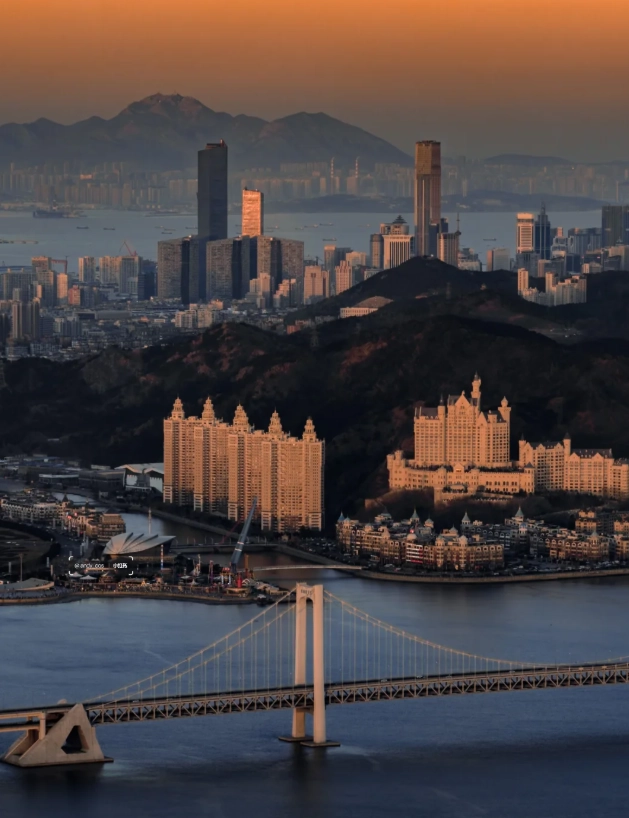
For taxis, use Didi inside the Alipay app. It has an English interface and shows the fare upfront. Street hailing works too, but you will need the Chinese address written down.
Pro Tip: Google Maps is effectively unusable inside mainland China. Apple Maps works reasonably well and shows English place names. For metro navigation, download Amap and switch it to English mode — it is far more accurate for walking directions than anything else available.
What to Eat in Liaoning
Northeast Chinese food is heavy, sour, generous, and absolutely not designed for delicate palates.
In Shenyang, the classic is Laobian Dumplings near Zhongjie. It is a heritage brand, which means it is also a tourist stop — expect a wait of around twenty minutes at peak dinner hours. A meal runs ¥60 to ¥90 per person. My order every time: the pork and cabbage boiled dumplings plus a cold cucumber dish to cut the richness. They have picture menus, which solves the language problem instantly.
Xita, the Korean district, is where I actually eat. Grilled meat, cold noodles, and kimchi stew, all within a few blocks. Cash is accepted but awkward. Alipay or WeChat Pay is the norm, and virtually no small restaurant takes a physical foreign credit card.
Dalian is a seafood city. Look for sea urchin, abalone, and yellow croaker. Order by weight and confirm the price per jin before you commit — this is the one place where visitors genuinely get overcharged if they do not ask first.
Dandong's signature is the yellow clam, usually stir-fried with garlic and chili. It is cheap, it is everywhere, and it goes perfectly with cold beer.
Where to Stay in Liaoning
In both Shenyang and Dalian, the right neighborhood matters more than the star rating.
In Shenyang, stay near Zhongjie or along Qingnian Avenue. Zhongjie puts you within walking distance of the palace and dozens of restaurants. Qingnian Avenue is more modern, with malls and metro access, and a taxi to the palace costs around ¥15.
In Dalian, choose between Zhongshan Square for architecture and transit, or Xinghai Square for sea views. Zhongshan is better for first-timers. Xinghai is better if you want to walk to the waterfront each morning.
- Mid-range business hotels: roughly ¥300 to ¥600 per night, higher during the summer coastal peak
- Budget chains like Hanting and Home Inn: roughly ¥150 to ¥280, small rooms but reliable Wi-Fi
- Luxury options near Xinghai Square: ¥900 and up, with English-speaking front desks
Two things to verify before booking anywhere in the province. First, whether the front desk has any English — this is not guaranteed outside five-star properties. Second, whether there is an elevator, because some older boutique conversions do not have one. If you are carrying a large suitcase up four flights of stairs, you will remember it.
Almost all hotels will store your luggage after checkout at no charge. Use that. It is one of the genuinely convenient things about traveling here.
A 4-Day Liaoning Itinerary That Actually Works
Four days is the honest minimum for Shenyang plus Dalian, and trying to squeeze in Dandong on top will ruin the whole trip.
Day 1 — Shenyang, Imperial Core
Morning at the Zhang Xueliang Residence. Lunch near Zhongjie. Mukden Palace from 3:00 PM onward. Dinner at Xita. Total walking is manageable, maybe 6 kilometers.
Day 2 — Shenyang, Then Train to Dalian
Beiling Park early, before 9:00 AM, while the light is soft and the locals are doing tai chi. Back into the city for a late lunch, then a mid-afternoon high-speed train to Dalian. You will arrive in time for dinner.
Day 3 — Dalian Coastline
Early walk on Binhai Road starting around 7:00 AM. Late breakfast. Rest at the hotel through the hot middle of the day — this is not laziness, it is strategy, because the coast bakes from noon to 3:00 PM. Then Zhongshan Square in the afternoon and Xinghai Square after dark.
Day 4 — Trams and Departure
Ride Tram 201, wander the old streets, and eat a long seafood lunch. Fly out of Dalian Zhoushuizi or take the train back.
Rainy day Plan B: In Shenyang, swap outdoor stops for the Liaoning Provincial Museum, which is free and needs a reservation. In Dalian, the Natural History Museum and the cluster of coffee shops around Zhongshan Square will carry you through a wet afternoon comfortably.
The Mistakes Foreign Visitors Keep Making
The number one mistake is assuming you can just show up and buy a ticket.
Major sites in Liaoning now run on timed reservations, and your passport number goes into the system. Yes, navigating the WeChat mini-program in pure Chinese is a nightmare even for me. Do not panic. Hand your passport to your hotel receptionist and they will sort it in two minutes, or use Trip.com, which handles foreign passports properly.
The second mistake is carrying only a physical credit card. Outside of international hotels and a handful of upscale restaurants, your Visa will be refused. Set up Alipay or WeChat Pay with your foreign card before you land, and keep a few hundred yuan in cash as backup.
The third mistake is trusting the online itineraries that list six attractions per day. Chinese cities are larger than they look on a map, and the distances between sights eat hours. Two solid stops per day beats five rushed ones every time.
On visas, the 240-hour visa-free transit policy covers Shenyang and Dalian for eligible nationalities. Rules and eligible country lists change, so verify your specific case through the National Immigration Administration before booking flights.
Liaoning Travel Questions I Get Every Week
Does the 240-hour visa-free transit policy actually apply to Shenyang and Dalian?
Both cities are designated entry points under the expanded transit policy, which allows eligible passport holders a longer stay without a visa when transiting to a third country. The list of eligible nationalities and the exact documentation requirements are revised periodically, so check the National Immigration Administration site rather than a blog post. Bring a confirmed onward ticket to a third country — immigration officers do ask.
Can I use my foreign credit card for things to do in Liaoning, like museum tickets and taxis?
Almost never at the point of sale. Ticket counters, taxis, and small restaurants run on Alipay and WeChat Pay. Link your international card to Alipay before departure and you will be fine for roughly 95 percent of transactions. Keep cash for metro machines and the occasional older vendor who does not use QR codes.
How do I book Mukden Palace tickets without a Chinese ID number?
Trip.com accepts passport numbers for this and most other Liaoning attractions. The official WeChat mini-program also works but the interface is Chinese-only. If you are stuck, ask your hotel front desk — this is a routine request and they will handle it quickly.
What is the best season for outdoor things to do in Liaoning?
Late September through mid-October is the sweet spot. Panjin's red wetlands peak, Benxi's hills turn, and the coastal heat in Dalian has broken. Summer along the Dalian coast is pleasant but crowded with domestic tourists, and January is genuinely brutal — I have stood at Beiling Park in minus 20°C and would not recommend it to anyone who is not properly equipped.
Is Liaoning safe for solo travelers?
Street crime is rare, and I have never had a client report a serious incident. The real risks are mundane. Watch for overcharging at seafood restaurants that price by weight, and avoid unlicensed drivers loitering outside train stations who approach you directly. Use Didi instead. Late-night walking in central Shenyang and Dalian feels perfectly normal.
Verified and fact-checked by the editorial team. Prices, opening days, and reservation policies in China change frequently — confirm details through official channels before you travel.

No comments yet.