 Tao Xu
Quick Guide to This Page
I’ve shuttled between Shenzhen and Zhuhai more times than I can count—sometimes for work, sometimes for a quick weekend escape. And every time I see first‑timers sweating at the ferry terminal, I wish I could hand them this guide. The ferry is hands‑down the most scenic and convenient link between these two Pearl River Delta giants. But between the digital ticketing maze and the language barrier, it can feel like a puzzle. Let me walk you through it, step by step—starting with the thing that trips up most foreigners: the terminal itself.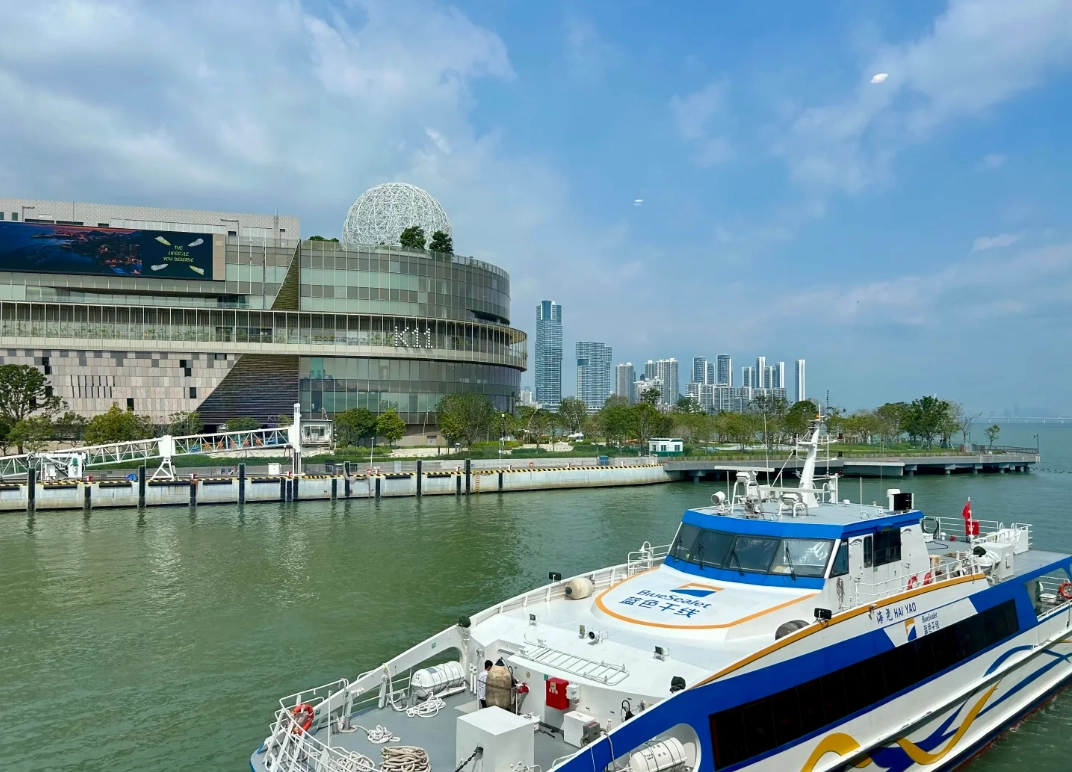
What to Expect at Shenzhen Shekou Ferry Terminal
Shekou Ferry Terminal is the main departure point for fast ferries to Zhuhai. It’s located in Nanshan District, about a 30‑minute taxi ride from Luohu or Futian. If you’re coming from the airport, take the Metro Line 11 to Nanshan Station, then switch to Line 2 or a taxi—total time around 45 minutes. The terminal is modern, well‑signposted in English, and has free Wi‑Fi (but you’ll need a Chinese phone number to log in—so grab a SIM card or use a travel eSIM with VPN before you arrive).
Navigating the Terminal like a Pro
Don’t come too early. The terminal is small—you can clear security and find your gate in 5 minutes. Arrive 20‑30 minutes before departure, not more. The waiting area has a few convenience stores and a 7‑Eleven, but no fancy lounges. Bathrooms are clean, but the one near the ticket counters gets crowded; use the one upstairs near the boarding gates. Pro Tip: If you need cash, there’s an ATM inside the terminal that accepts international cards—but most vendors prefer WeChat Pay or Alipay. I always tell my clients to have both apps set up with their international card before arrival.
Tickets and Payment – A Foreigner’s Guide
You can buy tickets at the counter, but the online route is safer. Tickets for the Shenzhen to Zhuhai ferry cost around 130–160 RMB for a standard one‑way (about $18–$22). Children under 1.2m get a half‑price ticket. You can pay at the counter with WeChat, Alipay, or cash—but not international credit cards. That’s a big gotcha. So I always recommend booking via Trip.com or Klook in advance. Both accept foreign cards and send you a QR code that you scan at the terminal to board. Insider Advice: If you use the official Chinese mini‑program on WeChat, it’s in Chinese only. Save yourself the headache—use Trip.com’s English site. And remember, you’ll need your passport number to book—they check it against your boarding pass.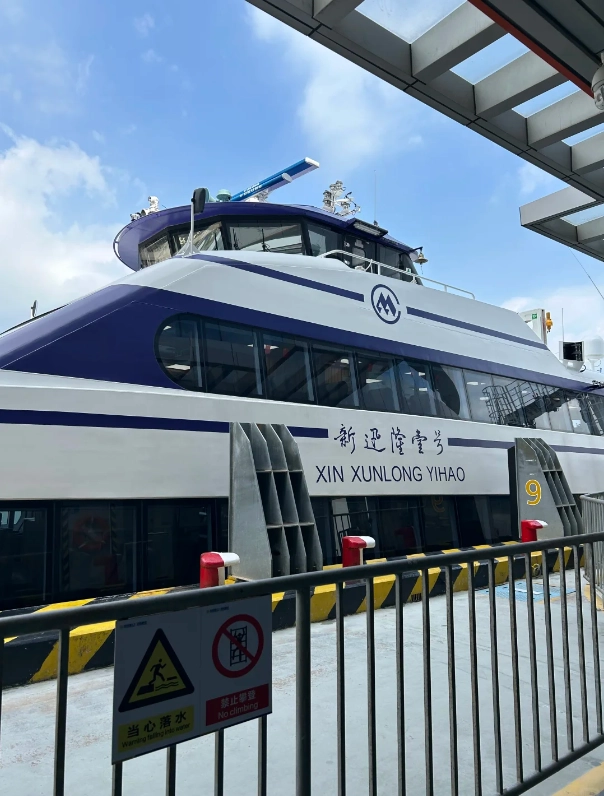
The Ferry Ride: Schedule, Duration, and Views
Ferries run every 30 minutes from 7:30 AM to 9:30 PM, roughly. The crossing takes about 60 minutes—smooth 90% of the time, though if a typhoon is brewing, brace for bumpiness. I’ve seen many first‑timers get seasick on rough days. If you’re prone to motion sickness, grab a seat midship and keep your eyes on the horizon. The boats are clean, air‑conditioned, and have a small snack bar selling drinks and instant noodles (cash only, weirdly).
How to Book Your Shenzhen to Zhuhai Ferry Tickets Online
Booking online is straightforward once you know the steps. Go to Trip.com, search “Shenzhen to Zhuhai ferry,” select Shekou as departure, Jiuzhou as arrival, and pick your date. You’ll see a list of times and prices. Click “Book,” enter your passport details, and pay with your card. You’ll receive a confirmation email with a QR code. Save it to your phone—no need to print. At the terminal, scan that code at the automatic gates. I always book at least a day ahead, especially on weekends, because seats sell out fast. One more thing: The last ferry is usually around 8:30 or 9:30 PM—don’t assume a late‑night option. Check the schedule on Trip.com before you plan your evening.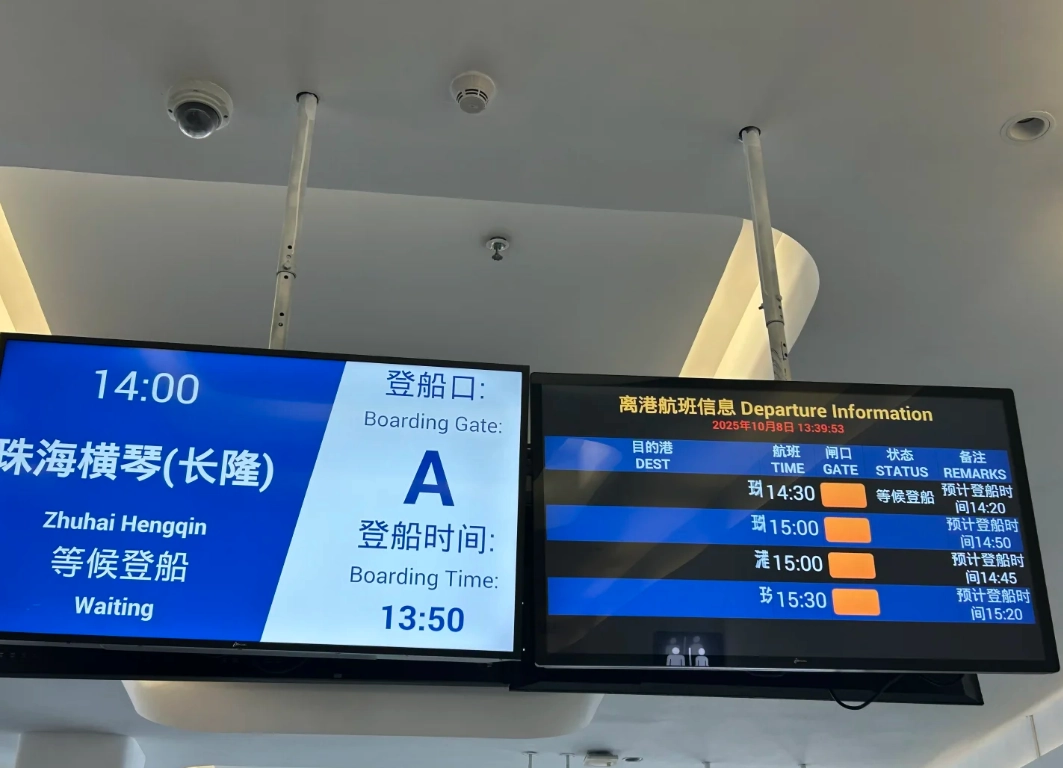
Here’s a quick snapshot of the ferry schedule during my last trip:
| Route | First Departure | Last Departure | Frequency | Duration | Adult Price (approx) |
|---|---|---|---|---|---|
| Shekou → Jiuzhou | 7:30 AM | 9:30 PM | Every 30 min | 1 hour | 145 RMB |
| Jiuzhou → Shekou | 7:30 AM | 9:30 PM | Every 30 min | 1 hour | 145 RMB |
Arriving at Zhuhai Jiuzhou Port – What Next?
Jiuzhou Port is a 15‑minute taxi ride from Zhuhai’s city center. The terminal is smaller than Shekou, and the taxi queue can be long if you arrive with a full boat. I usually walk out of the terminal and use Didi (the Chinese Uber) to avoid the line. The app works with an international card if you set it up—or ask your hotel concierge to book a car. The ride to the famous Lover’s Road or Gongbei border crossing to Macau costs about 20–30 RMB. Pro Tip: If you’re heading to Macau, don’t take the ferry all the way—take a bus or taxi from Jiuzhou Port directly to the Gongbei checkpoint. It’s faster than going to the Macau ferry terminal.
Shenzhen to Zhuhai Ferry vs. Other Options: Which Is Best?
You have three ways to cross the delta: ferry, bus, or driving via the Hong Kong–Zhuhai–Macau Bridge. Let me break it down honestly—I’ve used all three.
- Ferry: 1 hour, 145 RMB, scenic, comfortable. Best if you’re already near Shekou or Nanshan. Downside: limited luggage space and no late‑night runs.
- Bus: Direct buses from Shenzhen Luohu or Futian to Zhuhai Gongbei take about 2.5 hours and cost around 100 RMB. They can get stuck in traffic, especially on weekends. Good budget option, but less comfortable.
- Bridge shuttle: You can take a bus from Shenzhen to the Hong Kong–Zhuhai–Macau Bridge and then cross into Zhuhai. This involves two border checkpoints (HK and Macau/Zhuhai) and takes over 3 hours. Only recommended if you want to visit Macau on the same trip.
For most travelers, the ferry wins for convenience and speed. But if you’re staying in Luohu, the bus might save you a transfer. I always tell my groups: take the ferry unless you have heavy luggage or are traveling late at night.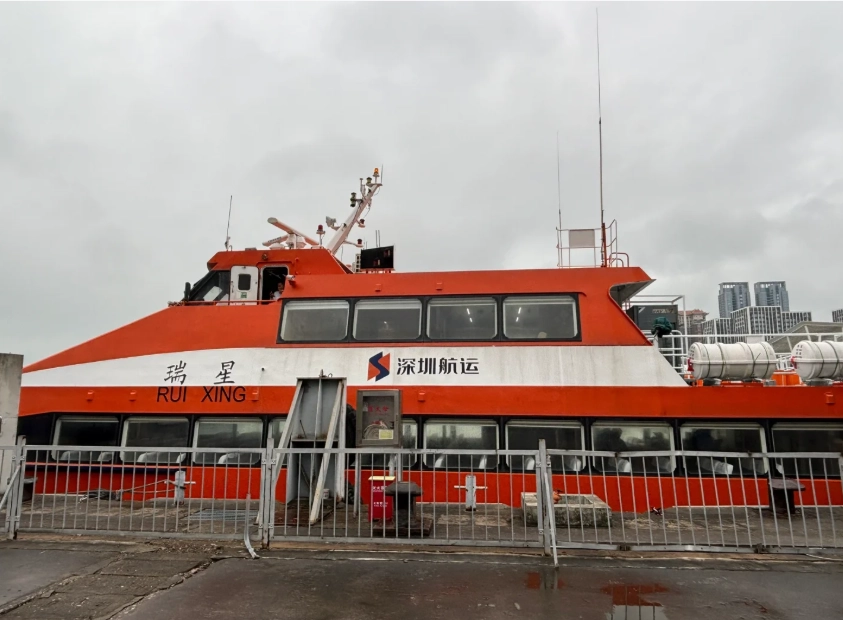
Insider Tips for a Smooth Ferry Experience
Here are a few more things I’ve learned the hard way:
- GPS traps: Google Maps won’t show real‑time ferry schedules. Use Apple Maps or Baidu Maps (with Chinese) for navigation. I keep Baidu Maps handy for local bus stops.
- Payment at snack bar: The onboard snack bar only takes cash (RMB). Bring small bills—they often don’t have change for 100s.
- Reserved seating: Your ticket doesn’t assign a seat; it’s open seating. If you’re traveling with a group, send one person ahead to grab four seats together.
- Luggage limit: There’s no official weight limit, but overhead racks are small. Pack light if you can.
- Weather cancellations: During typhoon season (June–September), ferries can be cancelled on short notice. Check the weather and have a backup plan—like the direct bus.
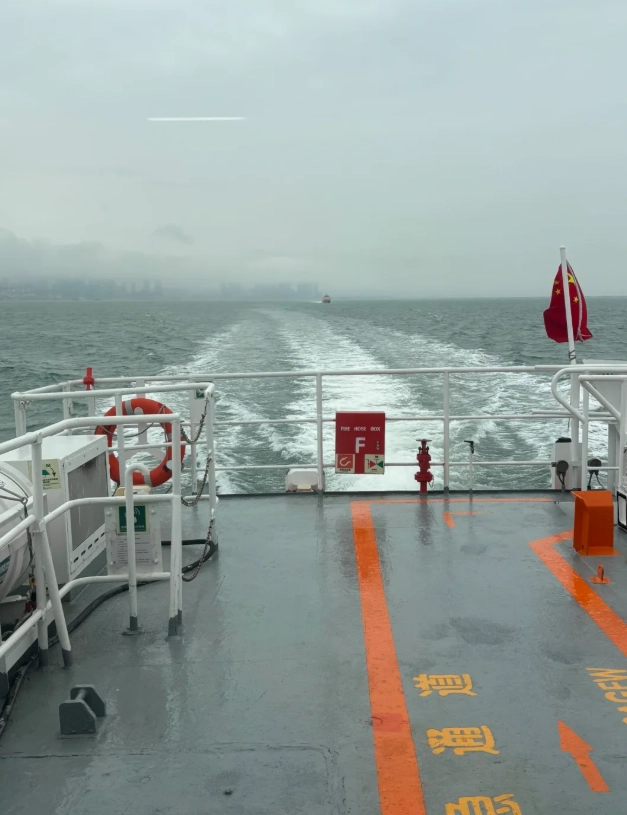








A reliable option, just not amazing. The ferry was on schedule and the staff were friendly, but the boat felt cramped and the windows were too dirty to enjoy the view. The online check‑in process was confusing and I nearly missed the boarding call. It’s fine if you need to get from point A to B quickly, but don’t expect a luxury experience. Perfectly functional – four stars.
Love this ferry service! I take it regularly for weekend trips to Zhuhai. The online booking is easy, the seats have enough legroom, and there’s even a small duty‑free shop at the terminal. The best part is arriving right in Jiuzhou Port, which is super convenient for the city center. Highly recommended for both tourists and locals who want a hassle‑free crossing.
Decent experience overall, but I wouldn’t call it amazing. The ferry arrived on time and the journey was comfortable enough, but the interior felt a bit dated and the air conditioning was way too cold. Also, some passengers were talking loudly on the phone the whole time and no crew member said anything. Gets the job done, but for the price I expected a bit more polish. A solid three.
Took the afternoon ferry from Shenzhen to Zhuhai and was pleasantly surprised. The check-in was quick, boarding was efficient, and the ride was very stable even though the sea was a little choppy. The staff were polite and helped with luggage. My only complaint is the snack selection onboard is pretty limited and overpriced. Still, it’s the fastest way across the delta - five stars for practicality.
Super smooth ride and the views of the delta are gorgeous. The terminal in Shekou is modern and well-organized, and the boat itself was clean with comfy seats. Only downside? It’s a bit pricey compared to the bus, but for saving two hours I’d still choose this every time. Absolutely recommend for anyone short on time but wanting a bit of scenery.