 Ting Chen
Quick Navigation
You've seen the photos — razor-sharp peaks piercing a deep blue sky, glaciers tumbling down into misty valleys. But let me tell you, nothing prepares you for standing in front of Meili Snow Mountain. It's almost surreal. I've been guiding here for years, and every time I see that first glimpse, it still gets me.
Here's the catch: most foreign visitors mess up their trip. They follow generic blog advice, end up staring at clouds, or waste hours on the wrong side of the mountain. I'm writing this to make sure you see the real Meili — and actually enjoy the journey.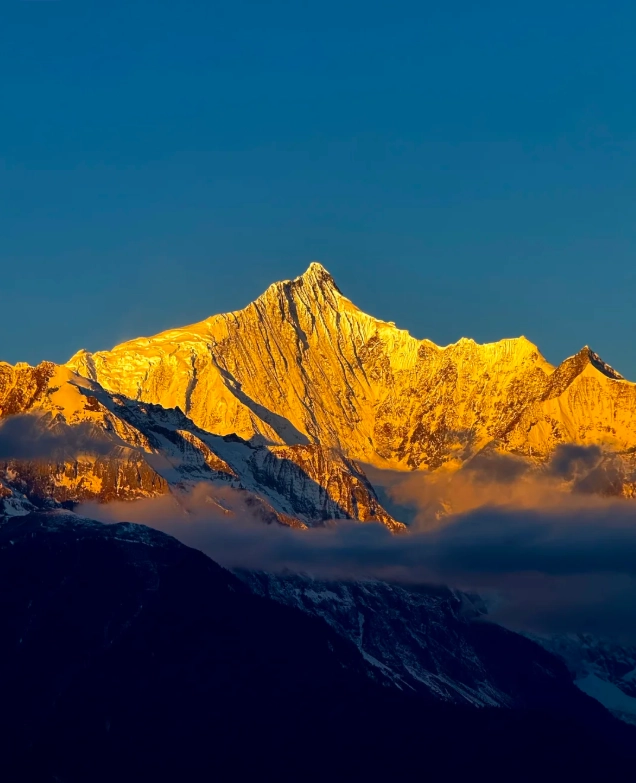
Why Most Tourists Get It Wrong (and How You Won't)
The biggest mistake? Assuming you can just show up and see the mountain. Meili is notoriously shy. The weather in this part of Yunnan changes fast — I've had clients wait three days only to see fog. And many travelers underestimate the logistics: high altitude, long drives, and digital payments that don't work with international cards.
Here is what I always tell my clients: “Prepare for the mountain to hide, but be patient. When she shows herself, it's worth every minute.” To maximize your chances, you need to know exactly when to go, where to stand, and how to get there without stress.
How to Actually Get There
Fly to Shangri-La, then drive
Your best bet is to fly into Diqing Shangri-La Airport (DIG). From there, it's about a 4-hour drive to Feilai Temple — the main viewing platform for Meili. You can book a private car through your hotel or use Didi (China's Uber) for around ¥400-500. Alternatively, there are daily buses from Shangri-La to Deqin County (about ¥65, 4 hours), then a 30-minute taxi to Feilai.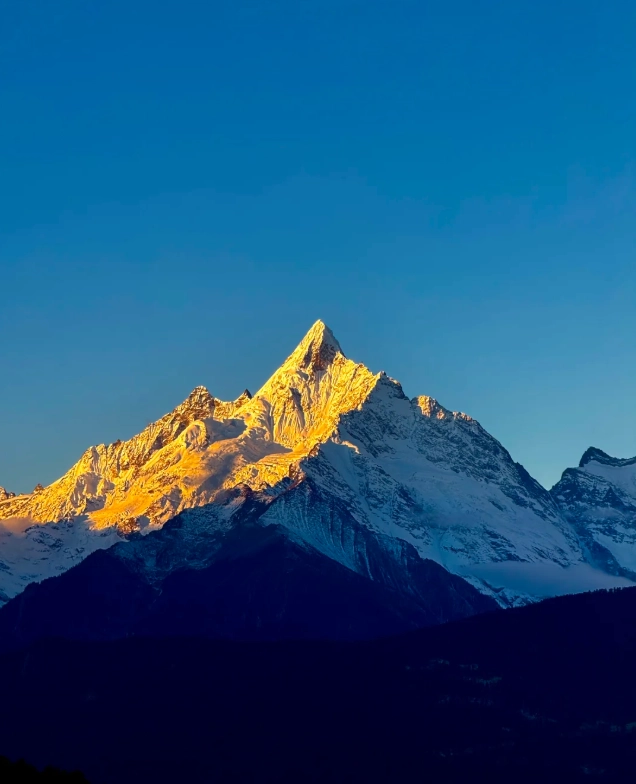
Or fly to Kunming and take the train
If you're already in China, consider the high-speed train from Kunming to Lijiang (3 hours), then a 3-hour drive to Shangri-La. Total travel time is longer but scenic. Once in Shangri-La, follow the same route as above. Warning: The road from Shangri-La to Deqin winds through mountains — altitude sickness can hit. Bring Diamox if you're prone to it.
Payment and booking
Almost no one in this region accepts international credit cards. You'll need Alipay or WeChat Pay, both of which work with foreign Visa/Mastercard if you link them properly. For booking buses or cars, I recommend Trip.com — it's foreigner-friendly and accepts international cards. For the bus from Shangri-La to Deqin, you can buy tickets at the station with cash (bring small bills).
Best Time to Visit: When the Mountain Shows Up
October to November and March to April are your golden windows. The monsoon season (June-September) brings heavy clouds, and winter (December-February) is bitterly cold but often clear. I've had amazing views in January, but temperatures drop to -15°C at night. Spring and autumn offer mild weather and higher probability of clear skies.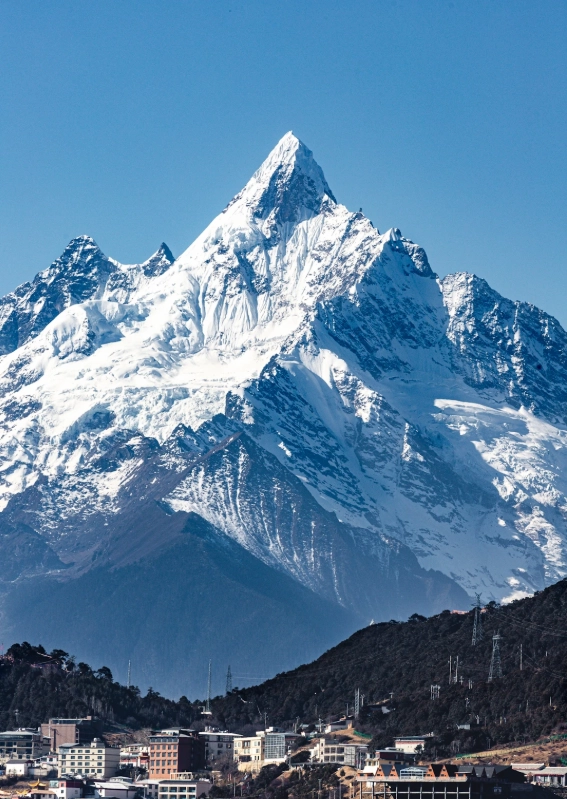
If you only have one shot, aim for late October. The autumn colors in the valleys are stunning, and the air is crisp. Avoid Chinese public holidays (especially National Day in early October) when domestic tourists flood the area.
Key Viewing Spots: Where to Point Your Camera
Feilai Temple (飞来寺) — The Classic View
This is the easiest and most iconic spot. It's a small temple on a cliff directly facing the main peak, Kawagebo. The viewing platform is free, but the nearby observation deck (if you walk 200m south) charges ¥40 — totally worth it for the unobstructed sunrise view. Best time: sunrise (around 7:30 am in spring). Get there by 6:45 to claim a good spot. Pro tip: the left side of the deck has fewer people and catches the first golden light.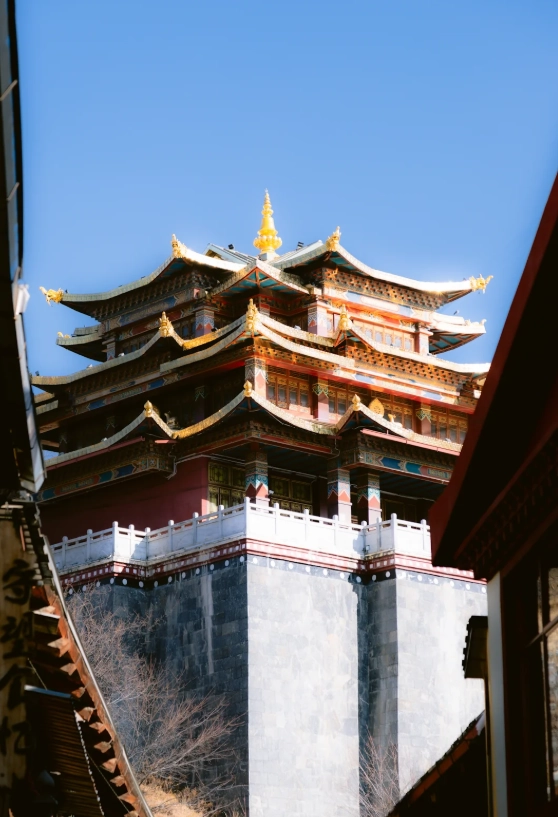
Yubeng Village (雨崩村) — The Hiker's Reward
If you have 3-4 extra days, hike into Yubeng. This tiny village nestled at the foot of the glacier offers an intimate experience. You can reach it by taking a bus from Deqin to Xidang (西当, ¥20, 1.5 hours), then a 6-hour hike or a ¥200 ATV ride into the village. Once inside, you'll find a few guesthouses (like Yubeng International Youth Hostel — ¥80-150 per night, basic but cozy). Don't expect luxury: limited electricity, shared bathrooms, and no cell signal in some areas. Bring a power bank and a headlamp.
From Yubeng, you can hike to the glacier (冰湖) or the sacred waterfall (神瀑). Both are strenuous day hikes — start early, carry plenty of water and snacks. The terrain is rocky and steep; proper hiking boots are non-negotiable.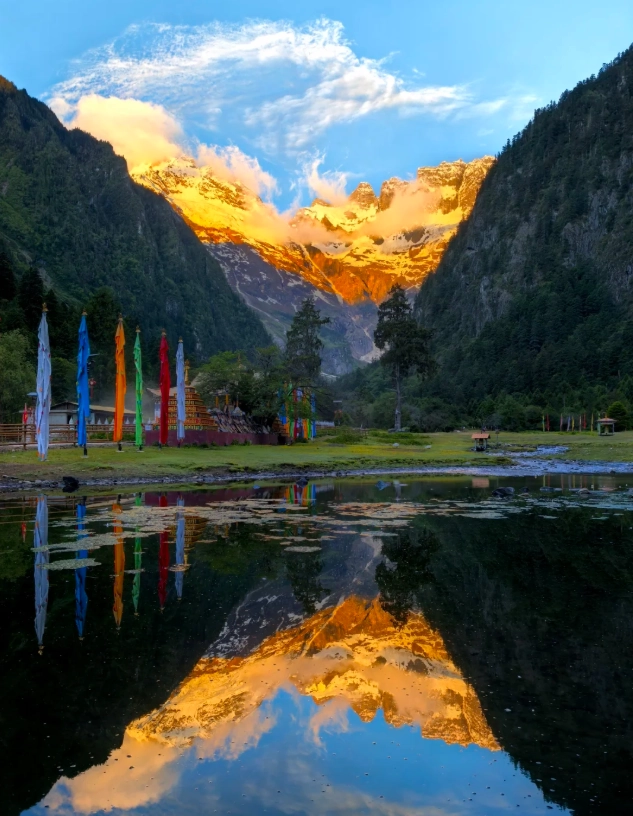
Mingyong Glacier (明永冰川) — Close-up of the Ice
Accessible by a 2-hour drive from Deqin, then a 1-hour hike (or horse ride for ¥150) from the entrance. The glacier has retreated significantly in recent years, but you can still touch the ice in winter. Entrance fee: ¥55. The walk is well-maintained but tiring at 3,100m elevation. Bring warm layers even in summer — the glacier wind is biting.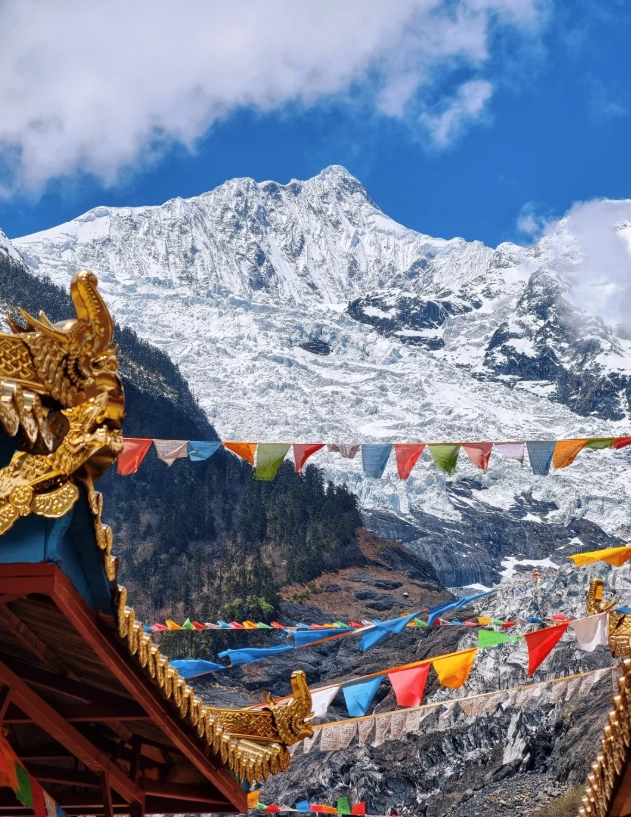
| Spot | Distance from Feilai | Entrance Fee | Best for |
|---|---|---|---|
| Feilai Temple Deck | 0 km | ¥40 (optional) | Sunrise panorama |
| Yubeng Village | 1.5h drive + 6h hike | ¥55 (entrance pass) | Trekking & immersion |
| Mingyong Glacier | 2h drive | ¥55 | Close-up glacier views |
Practical Tips for Foreign Travelers
Yes, the digital infrastructure here can be a headache for foreigners. But with a bit of preparation, you'll be fine.
- Payment: Link your Visa/Mastercard to Alipay or WeChat Pay before you go. Most guesthouses, restaurants, and even ticket booths accept only QR code payments. Carry some cash (¥500-1000) as backup — small shops in Yubeng might prefer cash.
- VPN: Install a reliable VPN on your phone before arriving in China. Google, Instagram, and WhatsApp won't work without it. I recommend Astrill or ExpressVPN.
- Translation: Download Baidu Translate or Apple Translate offline packs for Mandarin. Even basic Mandarin phrases like “多少钱” (how much) and “谢谢” (thank you) go a long way.
- Health: Altitude sickness is real above 3,000m. Deqin county sits at 3,500m, and passes on the road go over 4,000m. Acclimatize in Shangri-La (3,300m) for at least one night before heading further. Drink lots of water, avoid alcohol, and consider taking acetazolamide (Diamox) if you're sensitive.
- Accommodation: In Feilai, I recommend Meili Snow Mountain View Hotel (¥300-600 per night) — it has rooms facing the mountain, reliable hot water, and English-speaking staff at reception. In Yubeng, don't expect luxury; Yubeng Shangri-La Guesthouse is clean and the owner speaks basic English.
Frequently Asked Questions
Verified and fact-checked by the editorial team.






If you come with the right mindset, MeiLi will blow you away. I was worried about the weather but ended up with three mornings of clear skies. The local tibetan culture around the mountain is so rich — I joined a kora (circumambulation) with some pilgrims and it was a spiritual experience beyond just the views. The only downside is the long drive from Kunming (two flights + a 4-hour car ride). Totally worth the effort though. Life-changing stuff.
Hands down the most majestic mountain I've ever seen. Spent three days around the area — drove up from Shangri-La and stayed at a guesthouse in Deqin. The sunrise show is a must: get there by 5:45am and claim a spot. The glaciers at Mingyong are accessible via a scenic cable car and a short walk, though the altitude hit me harder than expected. Pro tip: carry a flask of ginger tea; it helps with the cold and altitude. I'd go back in a heartbeat.
A solid 4 out of 5. The scenery is breathtaking when it cooperates — we saw the 'holy light' around 6:30am from the Feilai Temple viewpoint and it was magical. However, the crowds even in shoulder season were surprising, and the road to Deqin is narrow with some nerve-wracking switchbacks. The accommodation was basic but clean. Just manage your expectations: you might not see the full mountain, and that's okay. Bring patience and layers.
Beautiful mountain range but honestly a bit overhyped for the price. The entry fee is steep (150 RMB per person) and you still need to pay extra for shuttles if you go to the Mingyong glacier. We arrived on a partly cloudy morning and only caught a glimpse of the main peak. The rest of the time it was just rock and snow mixed with clouds. If you can't guarantee clear weather, the experience might fall flat. Also, the toilets near the viewing platforms were pretty rough.
We got lucky with clear skies and saw the golden sunrise on Kawagebo peak — absolutely unreal. The hike was tough at high altitude but the views made every heavy breath worth it. A few tips: bring extra oxygen cans and start hydrating a day before. The local guides were super helpful with pacing. Highly recommend booking a room with a view up in Feilai Temple area. One of the best travel experiences of my life.
I've been to many scenic spots in China, but Meili Snow Mountain tops them all. The drive from Shangri-La was long but every bend revealed a postcard view. We stayed at a local Tibetan guesthouse and the host made us butter tea—such a warm touch. Sunrise was perfect, no clouds at all. Felt like the mountain gods were smiling at us. Unforgettable.
If you're a photographer, this is heaven. I spent three hours on the observation deck at Feilai Temple just watching the light change. The snow-capped peaks are incredibly close. Only downside: the hike to the glacier was closed due to a landslide, so we missed that part. But the main view alone earns a five-star rating from me.
Absolutely magical! We stayed at Deqin town and drove up before dawn. Watching the first rays hit the peak of Kawagebo left me speechless—pure gold against a deep blue sky. The whole experience felt spiritual. Bring warm clothes, the wind is biting. 10/10 would do it again tomorrow.
The scenery is undeniably epic, but the infrastructure around Feilai Temple feels a bit overpriced and crowded. I paid almost 200 RMB for a basic room with no heating—had to sleep in my down jacket. That said, the morning panorama of Kawagebo peak was worth the discomfort. Just wish the local guesthouses would offer better value for money.
We waited three mornings for the 'Golden Mountain' sunrise and only caught a glimpse on our last day. The view was breathtaking when it finally appeared, but the constant cloud cover was really frustrating. Also, the entry fee felt a bit steep for what you actually get if the weather doesn't cooperate. Glad I came, but wouldn't rush back.