 Ting Chen
- Why Altitude Is Your Biggest Problem (and How to Fix It)
- Top Things to Do in Shangri-La – My Personal Picks
- How to Get to Shangri-La (and Avoid Costly Mistakes)
- Where to Stay: Best Areas and Hotels for Foreigners
- What to Eat in Shangri-La – Local Dishes You Must Try
- Payment, Internet, and Navigation – The Real Deal
- Frequently Asked Questions from First-Timers
Shangri-La (also known as Zhongdian) sits at 3,300 meters. I've brought dozens of groups here, and every time, the same scene repeats: tourists gasping for air, clutching their chests, wondering why their “perfect plateau trip” feels like a marathon.
Let me cut through the noise. The single biggest mistake? Ignoring altitude acclimatization. Second? Trusting Google Maps with directions (it's a mess here). Third? Thinking you can pay everywhere with plastic.
This guide is based on real guiding experiences — I've made these mistakes myself so you don't have to. I'll cover exactly how to prepare, what to see, where to eat, and what headaches to avoid. No fluff.
Why Altitude Is Your Biggest Problem (and How to Fix It)
Altitude sickness is not a joke. I've seen people with severe headaches, vomiting, and even one case of pulmonary edema. The key is not to rush.
How to Acclimate Properly
- Fly into Kunming (1,900m) or Lijiang (2,400m) first, spend one night there. Then take the bus or drive to Shangri-La. The 4-hour drive from Lijiang to Shangri-La gains altitude gradually, which helps your body adjust.
- Do not fly directly to Shangri-La from sea level. If you must, plan two full days of rest before any hiking.
- Drink lots of water, avoid alcohol and heavy meals on day one. I always tell my clients: “Eat light, walk slow, sleep early.”
- Diamox (acetazolamide) works. Get a prescription from your doctor before you leave. Start taking it two days before arrival.
- Oxygen cans are sold everywhere in town — about 20–30 CNY each. Keep one in your pocket for emergencies.
Top Things to Do in Shangri-La – My Personal Picks
Most tourists rush through the highlights. My advice: pick two or three spots and savor them. Here are my favorites:
1. Pudacuo National Park
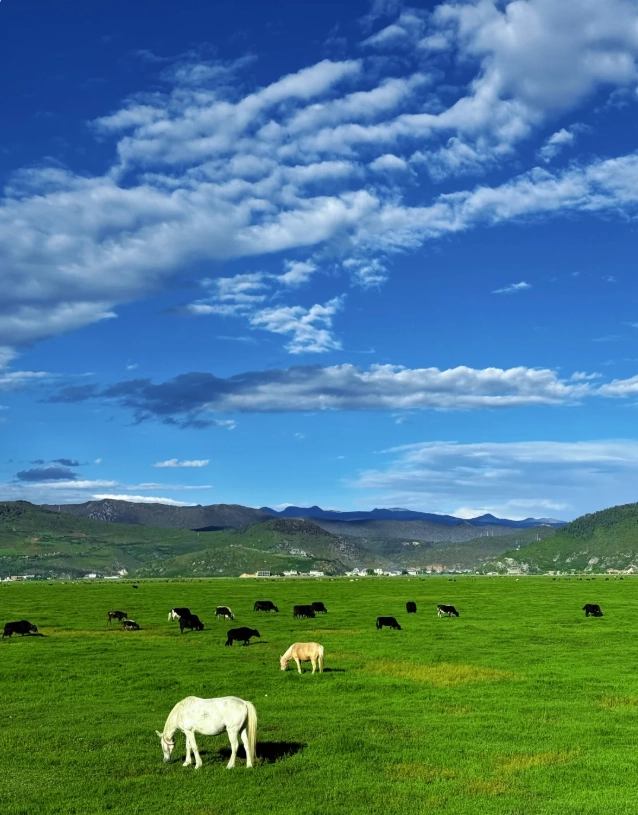
The crown jewel of Shangri-La. Crystal-clear lakes, vast grasslands, and alpine forests. Entry is 138 CNY (adult) — you must book online in advance via Trip.com or the official WeChat mini-program (painful to navigate in English, so ask your hotel to help). Bring your passport for registration.
- Opening hours: 08:00–16:00 (last entry at 15:00). Summer is best; in winter, some trails close.
- Getting there: Take bus #1 from the old town (20 min, 2 CNY). Or hire a taxi for about 80 CNY one way.
- My insider tip: Go as early as possible — before 08:30 to avoid the tour group crowds. The light on Shudu Lake is magical at 09:00.
2. Ganden Sumtseling Monastery (Songzanlin)
The largest Tibetan Buddhist monastery in Yunnan. Often called the “Little Potala Palace.” Entry is 90 CNY. Book in advance on Trip.com. Wear respectful clothing, and don't point your feet at statues.
- Getting there: Take bus #3 from the old town (30 min, 2 CNY). Taxi costs around 50 CNY.
- Best time: Sunset — the golden roofs reflect beautifully. Beware that monastery closes at 18:00, so arrive by 16:00.
- Watch out: The 143 steps to the main hall will leave you breathless at this altitude. Take breaks.
3. Dukezong Ancient Town
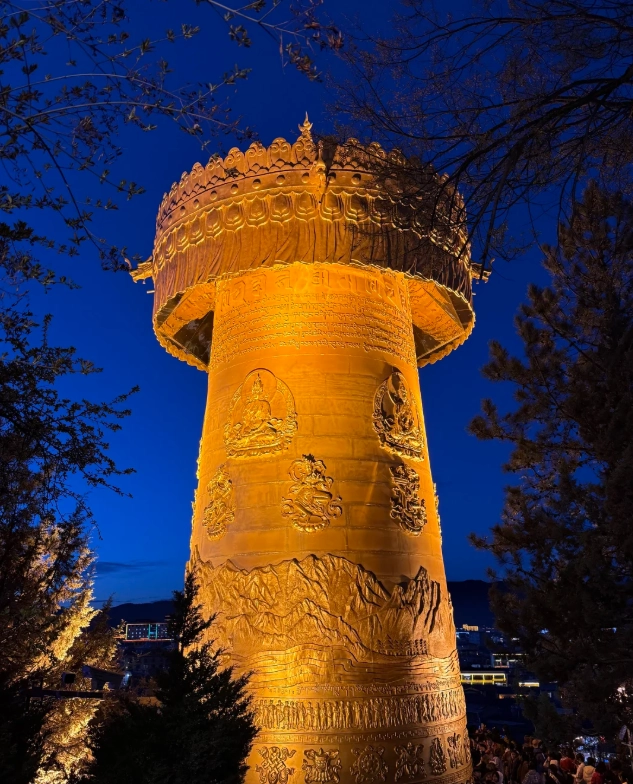
The old town with the world's largest prayer wheel. Free to enter. Climb up to the Grand Prayer Wheel — it takes about 10 minutes of slow walking. Spin it clockwise three times for good luck.
Don't miss: The night view from the top. The town lights up like a jewel box. Go around 19:30 before sunset.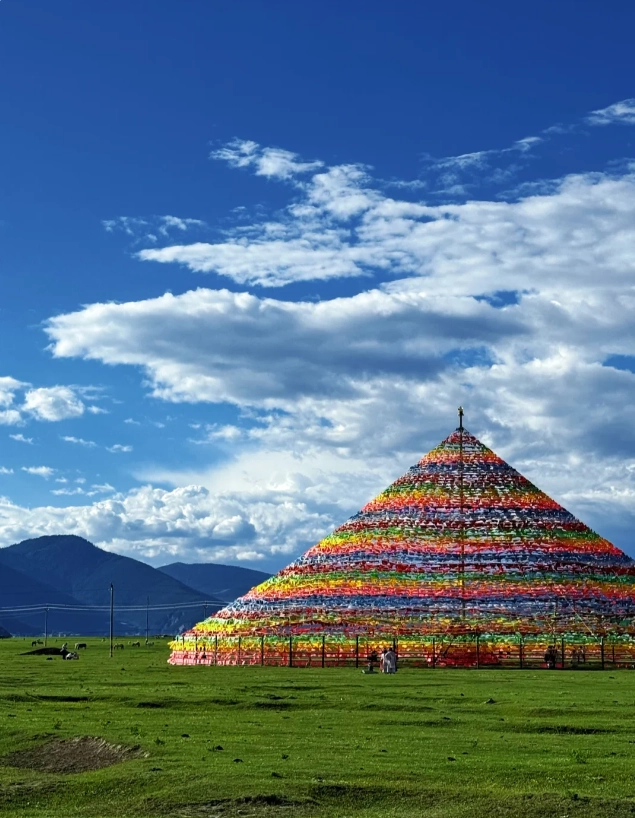
How to Get to Shangri-La (and Avoid Costly Mistakes)
| Route | Duration | Cost (approx.) | Notes |
|---|---|---|---|
| Fly from Kunming | 1 hour | 600–1,200 CNY | Check altitude risks; use a direct flight (no stopover in Lijiang) |
| Bus from Lijiang | 4 hours | 70 CNY | Scenic route, I prefer this for acclimatization |
| Private car from Lijiang | 3.5 hours | 500–700 CNY | Book via Ctrip or ask your hotel; flexible stops |
Important: Google Maps doesn't work well here. Use Apple Maps (it uses Gaode data) or download a local map on AMap Global. For taxis, I recommend using Didi (DiDi Global app works with international cards). Show the driver the Chinese address on your phone.
Where to Stay: Best Areas and Hotels for Foreigners
I always recommend staying in or near Dukezong Old Town for easy access to restaurants and the prayer wheel. But be warned: buildings are traditional wooden structures, so soundproofing is poor. Bring earplugs.
| Hotel | Price/night (CNY) | Highlights | Best For |
|---|---|---|---|
| Songtsam Retreat | 1,500–2,500 | Oxygen supply, English-speaking staff, Tibetan decor | Luxury travelers |
| Jin Jiang International Hotel | 400–800 | Western amenities, reliable Wi-Fi, elevator | Business / comfort |
| Old Town Hostel | 80–150 | Budget, Social, Basic wifi | Backpackers |
What to Eat in Shangri-La – Local Dishes You Must Try
The food here is a blend of Tibetan and Yunnan flavors. Don't expect spicy Sichuan food — it's more about yak butter, barley, and hearty stews.
Top Picks
- Yak meat hotpot – Rich, savory, perfect for cold nights. Go to Langkazhuoma Restaurant (地址: 建塘镇独克宗古城达拉廊12号). A portion costs around 120 CNY for two. They have picture menus. I always order the mushroom platter too.
- Zanba (roasted barley flour) – A staple. Mix it with butter tea and sugar. It's an acquired taste, but try it at least once.
- Butter tea – Salty and buttery. I love it, but many tourists find it heavy. Ask for a small cup first.
- Yak yogurt – Thick and tangy. Available in many shops near the prayer wheel. 10 CNY per cup.
Payment: Most restaurants only take WeChat Pay / Alipay. Cash is accepted but change may be scarce. International credit cards? Forget it except in top hotels. Make sure your Alipay is linked to your international card.
Payment, Internet, and Navigation – The Real Deal
This is where most foreign travelers get stuck. Let me save you the frustration:
- Payment: 90% of places only accept mobile payments (Alipay/WeChat Pay). I've seen tourists forced to borrow cash from strangers. Get Alipay Tour Pass (Tour Card) — it's a prepaid card designed for tourists, linked to your foreign bank. Works everywhere. You can top up at convenience stores.
- VPN: You need a VPN to access Google, Instagram, WhatsApp, etc. Install it before you leave your home country. I recommend ExpressVPN or NordVPN.
- Translation: Download the Baidu Translate app (works offline with camera translation). Apple Translate also works offline for Chinese. Many locals don't speak English beyond basic greetings.
- Navigation: As I said, Apple Maps is your friend. For public transit, use the app Baidu Maps (English interface available).
Frequently Asked Questions from First-Timers
Verified and fact-checked by the editorial team. This content has been fact-checked to ensure informational precision.






I’m usually skeptical about online travel guides, but this one changed my itinerary completely. The altitude sickness section convinced me to book an extra acclimatization day in Deqin, and I’m so glad I did—I woke up feeling fresh while others around me were popping headache pills. The crowd section also saved me from the midday chaos at Dukezong Old Town; I went at dusk instead and got that golden-hour glow with hardly any tourists. Seriously, this article is gold.
Hands down the best travel tips I’ve read on Shangri-La. I’ve been planning my trip for months and none of the other blogs mentioned the specific tea house where you can get free ginger tea for altitude prevention. Also, the tip about taking the back trail to avoid the main queue at Pudacuo National Park worked perfectly. My legs were sore but the scenery was totally worth it. Five stars—would recommend to anyone heading to Yunnan.
This article is an absolute lifesaver! I followed the hydration and slow ascent advice before my trip, and I was the only person in my group who didn’t get sick. The crowd management tips were spot-on—I visited the Songzanlin Monastery at 7:30am like it suggested, and I had the whole place almost to myself. Felt the silent morning mist and heard monks chanting… pure magic. Thank you for writing this!
Overall a solid guide, especially for first-timers to Shangri-La. I appreciated the clear breakdown of symptoms vs. prevention for altitude sickness—that chart was super helpful. The crowd tips were decent, though I wish they’d included a few more restaurant recommendations for beating the lunch rush. One thing that threw me off: the article mentioned 'avoid the main square after 10am' but didn’t say where to go instead. Still, it saved me from a headache on my second day, so four stars from me.
I really wanted to like this article, but it felt a bit too generic for me. The altitude sickness tips were just the usual 'drink water, go slow' stuff that you find on every blog. I was hoping for some local remedies or lesser-known hacks. Plus, the crowd avoidance strategies only mentioned 'go early' and 'skip peak season'—nothing about specific hidden spots or timing for the popular monasteries. It’s fine as a quick overview, but if you’ve already done basic research, you won’t get much new here.
I’ve been to Shangri-La twice, and this article still gave me new ideas. The tip about using a portable oxygen canister before hiking the high-altitude lakes was a game changer — my partner usually struggles, but this time she was fine. Also loved the suggestion to stay in a local guesthouse instead of a hotel for better altitude adaptation. Five stars, will share with friends!
Perfect guide for first-timers! The section on slow acclimatization in Dukezong Old Town really worked for me — I spent my first day just wandering the cobblestone alleys and sipping butter tea. No headaches at all. The crowd-avoidance strategy of visiting Pudacuo National Park on a weekday was genius. We had the lakeside trails all to ourselves. Highly recommend!
Honestly, I was a little disappointed. The article mentions 'beat altitude sickness' but doesn’t really go into specific medication or oxygen levels — just generic stuff like rest and hydration. Also, the crowd tips didn’t help me much; even going early, the main square was packed. Maybe it’s outdated? It’s fine for a basic intro, but I wouldn’t rely on it.
Decent tips overall, but I felt the crowd-beating part was a bit generic. Basically just says 'go early' and 'avoid weekends', which you can find anywhere. The altitude sickness advice was solid though — I used the gradual ascent suggestion and felt fine. Still, I was hoping for more hidden gems or lesser-known spots. Not bad, just not super detailed.
This article saved my trip! I followed the advice about taking it slow on day one and drinking loads of ginger tea — no altitude sickness at all. The tip about which trails to hit early morning to avoid crowds was spot on. We had the whole Songzanlin Monastery almost to ourselves at 7am. Absolutely worth the read if you’re heading to Shangri-La!