 Ting Chen
Quick Navigation
- What Makes Yubeng Village So Special?
- The Brutal Truth: The Hardest Part of Visiting Yubeng
- Who Should Visit Yubeng? (And Who Should Skip)
- How to Get to Yubeng Village (Step-by-Step)
- Best Time to Visit Yubeng Village (Avoid the Crowds)
- Essential Tips for Foreign Travelers
- What to Pack for the Yubeng Trek
- Yubeng Village FAQs
I still remember my first trip to Yubeng Village back in 2015. I was guiding a small group, and we got caught in a sudden hailstorm on the way in. One of my clients looked at me, soaking wet, and asked, "Is this really worth it?" By the end of the trek, she was already planning her return. Yubeng is like that—it demands a lot, but rewards you tenfold.
If you're wondering whether Yubeng Village is worth visiting, the short answer is: yes, but only if you're prepared. It's not a casual day trip. You need decent fitness, flexible plans, and a tolerance for some discomfort. But if you're after raw, untouched Himalayan beauty and a genuine Tibetan village experience, nowhere else compares.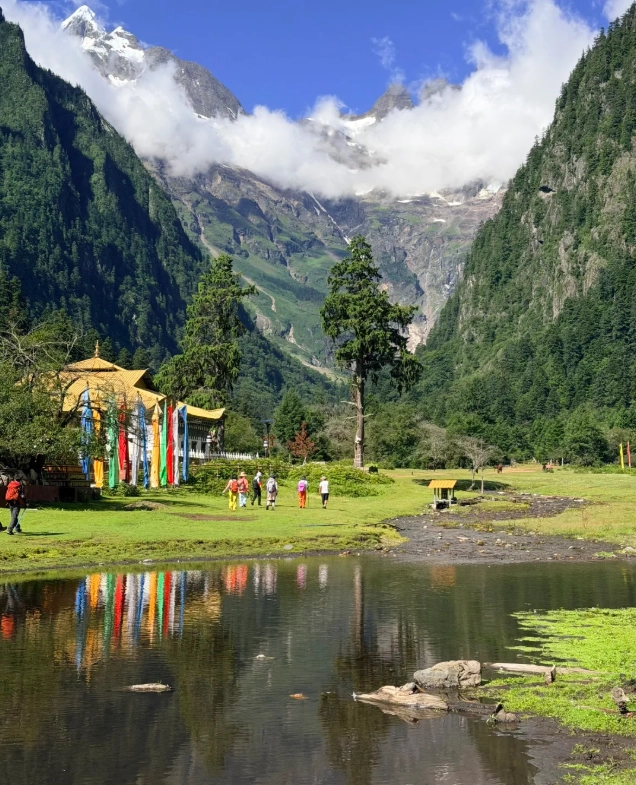
What Makes Yubeng Village So Special?
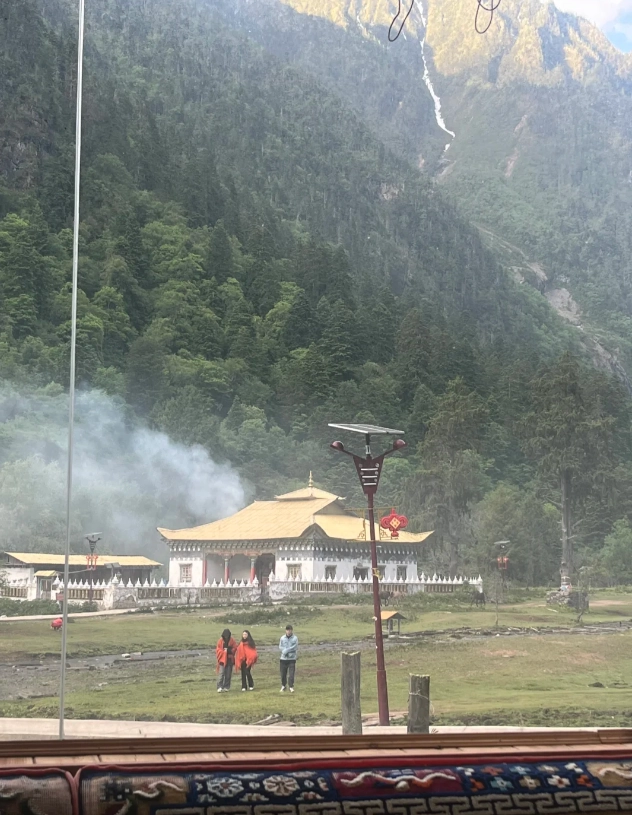
Yubeng sits in a valley at 3,000 meters altitude, surrounded by snowy peaks and pristine forests. There are no roads into the village—you either hike or ride a horse. This isolation is its charm. The air smells of pine and yak dung. At night, the stars are so bright you feel like you can touch them.
The Iconic Sights
The two main treks here are: Xiaonong Base Camp and the sacred waterfall at Shenpu. Xiaonong takes you to the foot of a massive glacier tongue—you'll hear ice cracking and see waterfalls cascading from the melt. The waterfall at Shenpu is considered holy; locals believe the spray can cleanse your bad karma. Both require a full day each.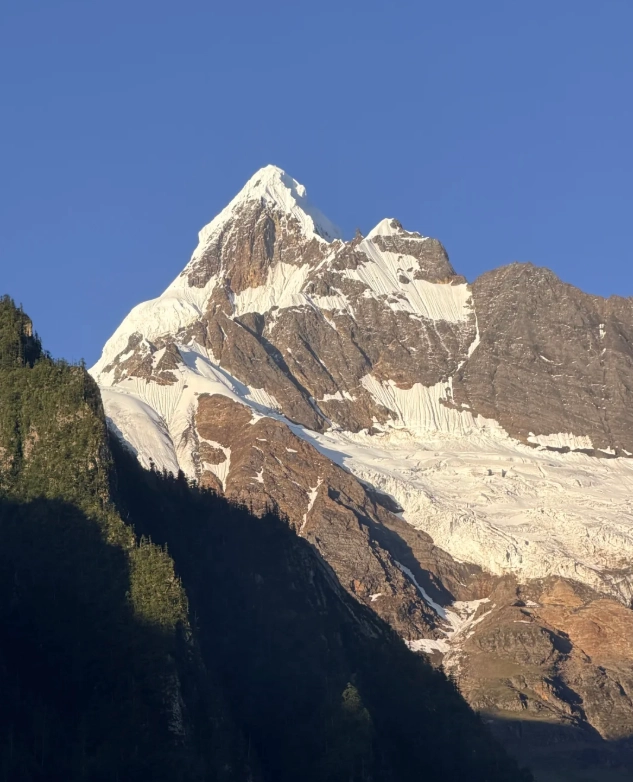
The Brutal Truth: The Hardest Part of Visiting Yubeng
Let's be real: getting to Yubeng is a pain. First, you need to reach Shangri-La (by flight or bus from Kunming/Lijiang). Then you drive 4 hours to Feilaisi, a small town with a view of Meili Snow Mountain. Next morning, another 1-hour drive to the trek starting point at Xidang. From there, it's a 6-8 hour hike (or 4-5 hours on horseback) down a steep, rocky path into the valley. And yes, the way out is uphill—easily 5-7 hours.
Altitude sickness is real. Many people get headaches, nausea, or worse. I once had a client who descended 400 meters in the first hour of the uphill exit because she felt dizzy. We had to rest for half an hour at a yak shed before continuing.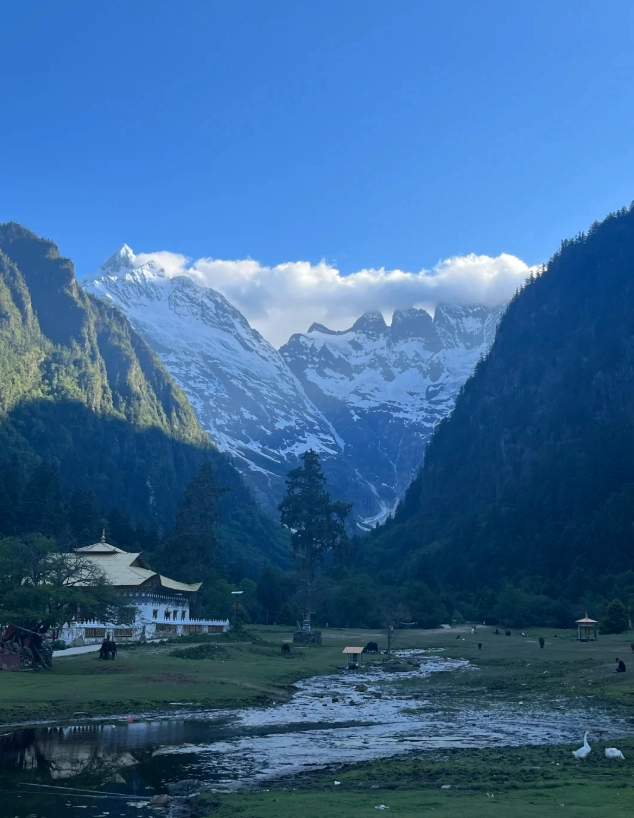
Who Should Visit Yubeng? (And Who Should Skip)
This trek is for you if:
- You're an experienced hiker or comfortable with 5-8 hours of walking on uneven terrain.
- You want to experience Tibetan culture authentically—villagers still use horses for transport.
- You're okay with basic accommodations (shared bathrooms, no hot water in some guesthouses).
Skip Yubeng if:
- You have mobility issues or knee problems (the descent is brutal on joints).
- You expect luxury: the nicest guesthouse here equals a 2-star hotel in the city.
- You only have 2-3 days for Yunnan—better spend it on Tiger Leaping Gorge or Lijiang.
How to Get to Yubeng Village (Step-by-Step)
From Shangri-La
Book a shared minibus (from the ticket office near Dukezong Old Town) to Feilaisi. It costs about 60 RMB per person, takes 4 hours. Feilaisi is a one-street town with dozens of guesthouses and restaurants. Spend the night here to see sunrise over Meili Snow Mountain—it's worth it.
From Feilaisi to Xidang (Start of Trek)
Take another minibus (20 RMB) from Feilaisi to Xidang. The road is winding but scenic. At Xidang, you'll buy the entrance ticket to Yubeng (55 RMB, cash only—don't rely on mobile payment here). Then you begin the trek.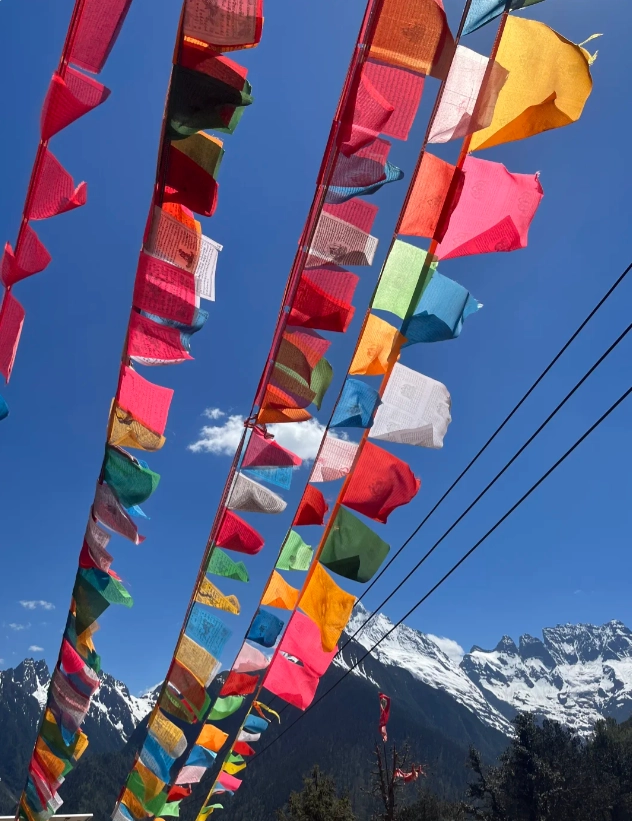
Navigation Warning
Google Maps is useless here. Download AMap (Gaode) Global or use Apple Maps which has decent offline coverage for the main road. For the actual trail, just follow the crowds or hire a local guide (150-200 RMB per day).
Best Time to Visit Yubeng Village (Avoid the Crowds)
The optimal window is mid-October to early November. Weather is stable, skies are clear, and autumn colors paint the valley gold. May to June is also good, with blooming rhododendrons. July and August bring monsoon rain—trails become slippery, and leeches appear. December to March sees heavy snow that can block the path; only experienced mountaineers should attempt winter treks.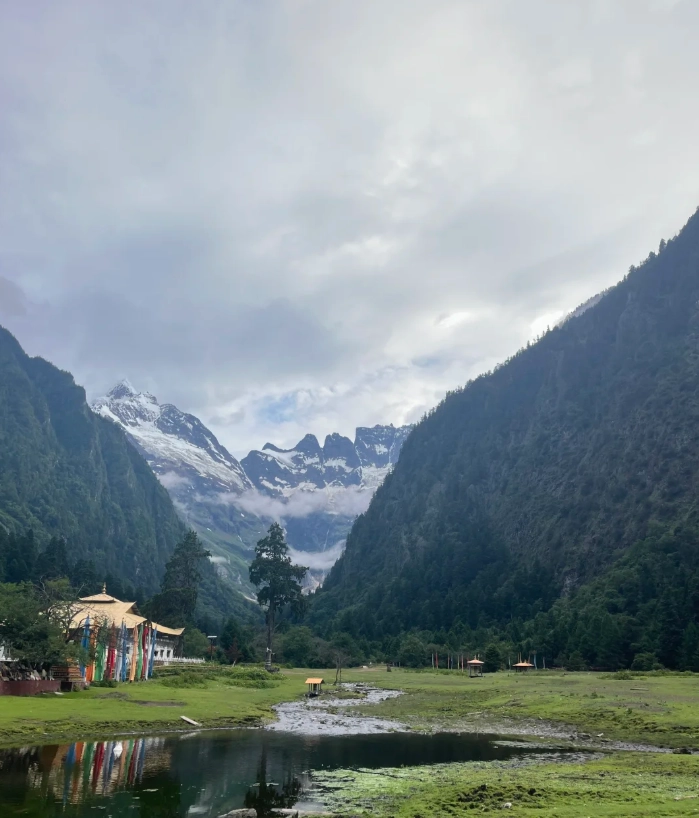
Essential Tips for Foreign Travelers
Payment
Bring plenty of cash (RMB). Most guesthouses, small shops, and horse handlers only accept cash. Alipay and WeChat Pay work at the ticket booth and some larger inns, but your international card is useless. There are no ATMs in Yubeng—the nearest one is in Feilaisi.
Booking & Reservation
You don't need to book Yubeng entrance online—just show up. But for accommodation, reserve through Trip.com (English-friendly) or have a Chinese friend use Ctrip. Popular guesthouses like "Yubeng No. 1" and "Shanshui Inn" fill up weeks ahead in peak season. Provide your passport number for the booking.
Language & Connectivity
Download a translation app like Baidu Translate or Apple Translate beforehand. The villagers speak a Tibetan dialect and basic Mandarin. English is almost nonexistent. For internet, buy a local SIM card at Kunming airport (China Telecom has best coverage in Yubeng). Activate your VPN before leaving the city—most VPNs get blocked once you're in the mountains.
What to Eat
Meals in Yubeng are simple but filling: yak butter tea, Tibetan bread, stir-fried vegetables, and noodles with yak meat. At A'Ya Inn, their mushroom hotpot is legendary—ask for the "wild mushroom" option. Always carry snacks: trail mix, chocolate, and energy bars (available in Shangri-La).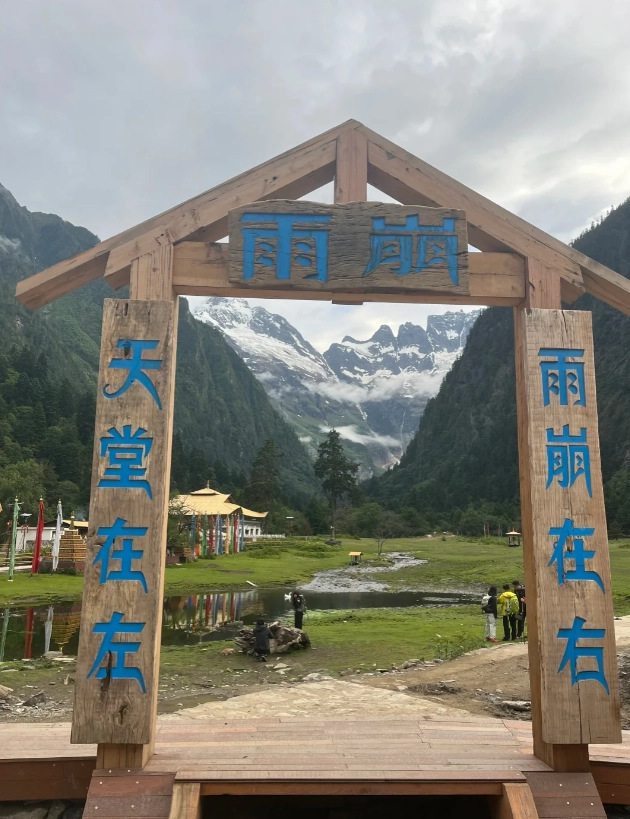
What to Pack for the Yubeng Trek
| Item | Why It's Important |
|---|---|
| Good hiking boots | Trails are rocky and muddy; ankle support prevents injury. |
| Waterproof jacket & pants | Weather changes fast—afternoon showers are common even in dry season. |
| Trekking poles | Save your knees on the steep descent; you can buy cheap ones at Xidang. |
| Headlamp | Power outages happen; also useful for early morning hikes. |
| Reusable water bottle + purification tablets | Tap water isn't safe; you can boil water at guesthouses but tablets are lighter. |
| Toilet paper & wet wipes | Public toilets have none. |
| Cash (RMB, small bills) | Essential for everything—keep minimum 500 RMB on you. |
| Altitude sickness medication | Preventive dose of Diamox starting two days before ascent. |
Yubeng Village FAQs
Verified and fact-checked by the editorial team. This content has been fact-checked to ensure informational precision.






Can't recommend it enough! I went solo and felt completely safe. The trail to the Sacred Waterfall was my favorite—so misty and spiritual. I loved that there's no Wi-Fi in most lodges; it forces you to disconnect and really soak in the silence. Met other hikers around the fire at night. Magical experience. Just book early because beds fill up fast.
Best decision I made this year. The article nailed it: first-timers need to be prepared, but the reward is huge. I did the Ice Lake loop and the view of the glacier from up close left me speechless. Sunset light hitting Meili Snow Mountain from the village was a postcard moment. Bring good boots and a rain jacket—totally worth every step.
Absolutely breathtaking! I've been to many hiking spots in China, but Yubeng is something else. The snow-capped peaks, the prayer flags, the sound of the river at dawn—pure magic. Locals were warm and the homestay owner made us tsampa for breakfast. If you love authentic mountain life, this is it. 5 stars, no doubt.
Beautiful scenery and super peaceful once you're inside the valley. The hike in is tough but doable (I'm an average hiker). Only downside: food options are limited and overpriced. Bring snacks. Also, the guide in the article was accurate—definitely avoid rainy season. Overall a solid 4-star trip for the untouched nature.
Honest opinion: the village itself is picturesque, but getting there is a serious challenge. The trail is rocky and steep, and if you're not used to high altitude, you'll be winded within minutes. Also, the guesthouses are basic—cold showers and thin mattresses. For the effort, I expected a bit more comfort. Wouldn't go again unless they improve the path.