 Ting Chen
Quick Navigation
I’ll never forget the first time I brought a group to Shangri-La. One guy asked me, “So, where’s the theme park?” It’s a common misunderstanding. Shangri-La isn’t a single attraction—it’s a high-altitude region in northwest Yunnan, packed with Tibetan monasteries, deep gorges, and alpine lakes. And getting there? That’s where most travelers stumble.
So, how to travel to Shangri-La without wasting time or getting sick? After dozens of trips, I’ve nailed down the smartest strategies. Here’s the bottom line: fly if you value time, but take the bus if you want to acclimatize gradually. Let me show you exactly what that means.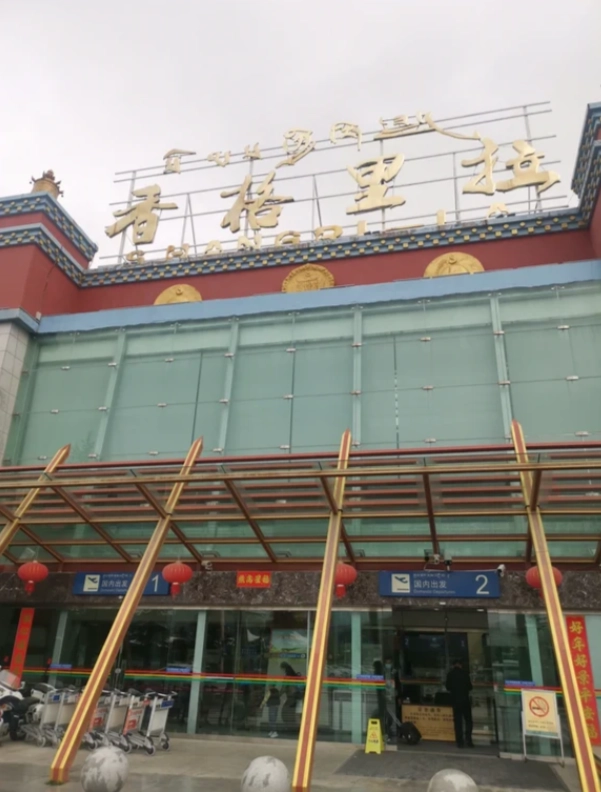
Getting to Shangri-La: Flight vs. Bus vs. Driving
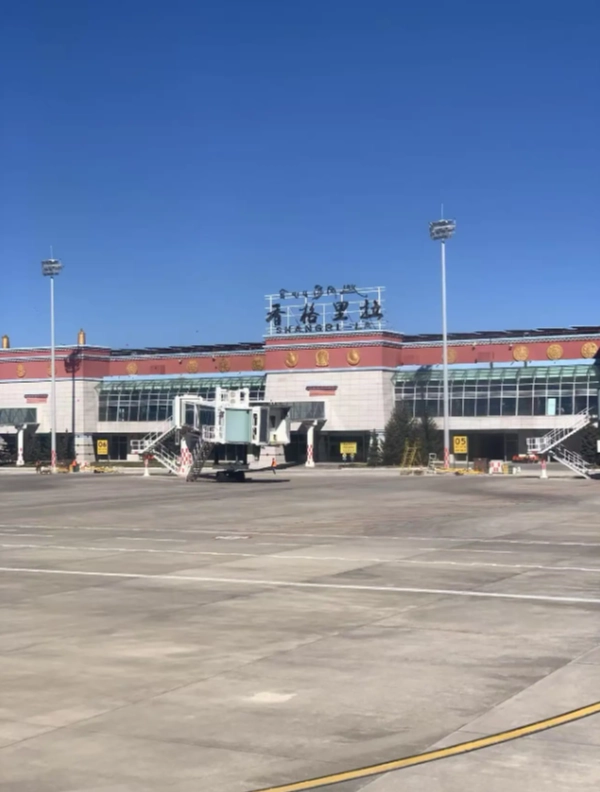
Your first big decision is how to get to the region. Most travelers start from Lijiang or Kunming. Shangri-La (also called Zhongdian) has its own airport (DIG), but flights are limited. Here’s a realistic comparison:
| Method | Duration | Cost (approx) | Best For |
|---|---|---|---|
| Flight from Kunming | 1 hour | ¥600–¥1200 | Travelers short on time (but watch altitude!) |
| Flight from Lijiang | 40 minutes | ¥300–¥800 | Connecting from Lijiang quickly |
| Bus from Lijiang | 4–5 hours | ¥100–¥150 | Budget-friendly & gradual ascent |
| Bus from Kunming | 10–12 hours (overnight) | ¥200–¥300 | Backpackers, scenic route experience |
| Private car/charter | 5–8 hours (Lijiang) | ¥800–¥1500 | Groups, flexibility, stops along the way |
My personal recommendation? If you’re flying in from elsewhere, take a flight to Kunming or Lijiang, then spend a day in Lijiang (altitude 2,400m) before continuing by bus to Shangri-La (3,300m). The slow ascent helps prevent altitude sickness.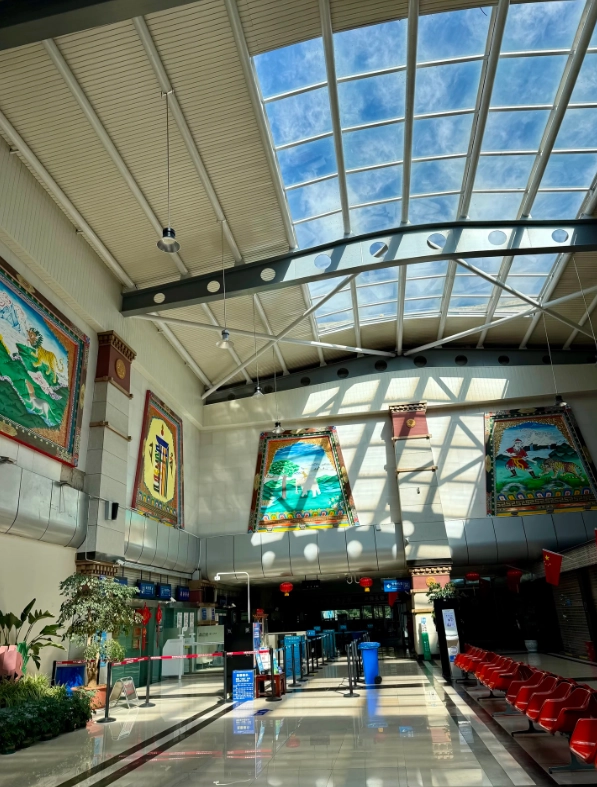
What about driving yourself?
Self-driving is possible with a Chinese driver’s license (or an International Driving Permit recognized by China—check before you go). The roads are winding and often foggy. I’ve seen too many rental cars stuck in ditches. If you’re not an experienced mountain driver, hire a local driver instead. Your hotel can arrange one for around ¥500–¥800 per day.
Navigating Altitude Sickness
This is the #1 issue for foreign travelers in Shangri-La. At 3,300m, your body needs time to adjust. I’ve had guests who flew in from sea level and collapsed by noon. Here’s how to avoid that:
- Don’t fly directly from low altitude. If you must fly, spend at least 24 hours somewhere above 2,500m first (Lijiang works).
- Day 1: rest. Arrive and do nothing strenuous. Take a slow walk around the old town, drink lots of water, and avoid alcohol.
- Medication: Get Diamox (acetazolamide) from a doctor before you leave. It’s a game-changer. You can also buy “Gao Yuan Kang” (Red Ointment) at local pharmacies—it helps with mild symptoms.
- Oxygen canisters: Available at convenience stores for ¥20–¥30. Not a cure, but gives you quick relief.
- If symptoms are severe (vomiting, confusion): Descend immediately. The nearest lower-altitude city is Lijiang (2,400m).
Pro Tip: A lot of guidebooks say “stay hydrated,” but they forget to tell you that tap water in Shangri-La is not safe to drink. Always buy bottled water or boil it. Also, the dry air at altitude will dehydrate you faster—carry a reusable bottle.
Booking Tickets & Permits
Most major attractions in Shangri-La require advance booking via WeChat mini-programs—a nightmare in Chinese. But here’s the workaround: use Trip.com (English interface) or ask your hotel to help. For example, Pudacuo National Park requires a ticket + shuttle bus combo (¥138). Book at least 1 day ahead.
Some remote areas (like the Deqin region near Meili Snow Mountain) require a police permit. Your hotel can usually arrange this with a copy of your passport. Do not assume you can just show up—I once had a group turned away at a checkpoint.
Payment note: Most businesses accept Alipay or WeChat Pay, but international credit cards are rarely accepted. Carry some cash (¥500–¥1000) for small vendors and taxi drivers. ATMs in Shangri-La are scarce; withdraw in Lijiang or Kunming.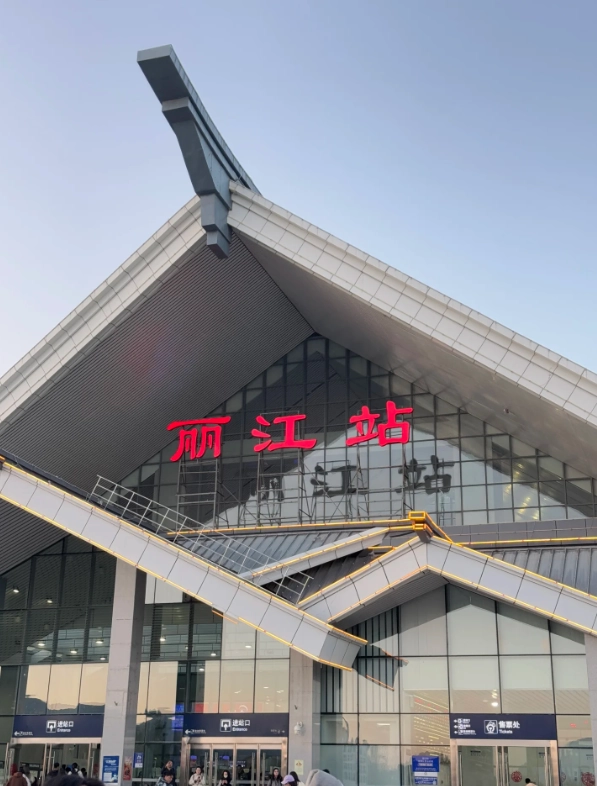
Where to Stay in Shangri-La
The old town (Dukezong Ancient Town) is the most convenient base. Here’s a quick comparison of accommodation styles:
| Type | Examples | Price Range (per night) | Best For |
|---|---|---|---|
| Boutique guesthouse | Zhongdian Songtsam, Shangri-La Wonderland | ¥400–¥1200 | Couples, comfort seekers |
| Hostel | Glacier Yarjung Hostel, Old Town Hostel | ¥80–¥150 (dorm) | Solo backpackers |
| Mid-range hotel | Jinmao Hotel, Songtsam Linka Resort | ¥300–¥600 | Families, groups |
| Homestay in village | Napa Lake area, Benzilan | ¥200–¥400 | Immersive cultural experience |
Most guesthouses have heating (it gets cold at night, even in summer) and Wi-Fi (though spotty). Check if your accommodation has staff who speak English. I usually recommend Songtsam series—they have excellent service and can arrange tours.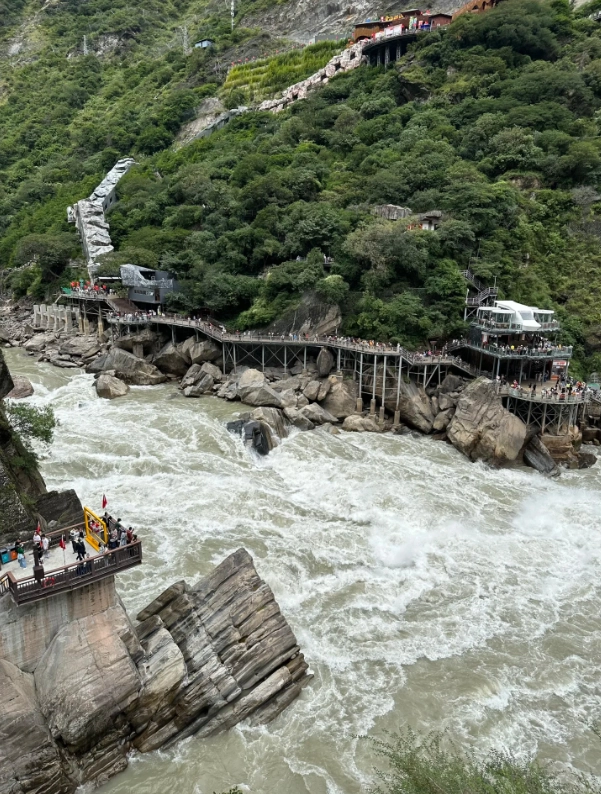
What to Pack
Besides the obvious (warm layers, sunscreen, comfortable shoes), there are a few things most guides won’t list:
- Power bank: Electrical outlets in old-style guesthouses may be limited.
- Toilet paper: Public restrooms often run out. Carry a small pack.
- VPN: Google Maps, Instagram, WhatsApp all blocked without one. Install a reliable VPN before you arrive.
- Offline map: Use Apple Maps (it works okay) or download GoogMaps offline in Lijiang before heading up.
- Adaptor: China uses two- and three-pin flat sockets (Type A/I). Your hotel might have universal ones, but better safe.

Insider Routes to Avoid Crowds
Pudacuo National Park gets packed by 10 AM. The secret? Go to Bitahai Lake within the same park—it’s less visited and just as beautiful. Another hidden gem: Napa Lake (free, no ticket needed), especially in summer when wildflowers bloom.
For the famous Songzanlin Monastery (Little Potala Palace), arrive at 8 AM, right when it opens. The main hall fills up fast with tour groups. Also, don’t skip the walkway behind the monastery—it offers a panoramic view without the crowds.
If you have time, head to Meili Snow Mountain (4-5 hours drive). The sunrise at Feilaisi viewpoint is worth the trip. But check the weather—clouds often hide the peak. I always tell my clients to allocate at least 3 days for that side trip.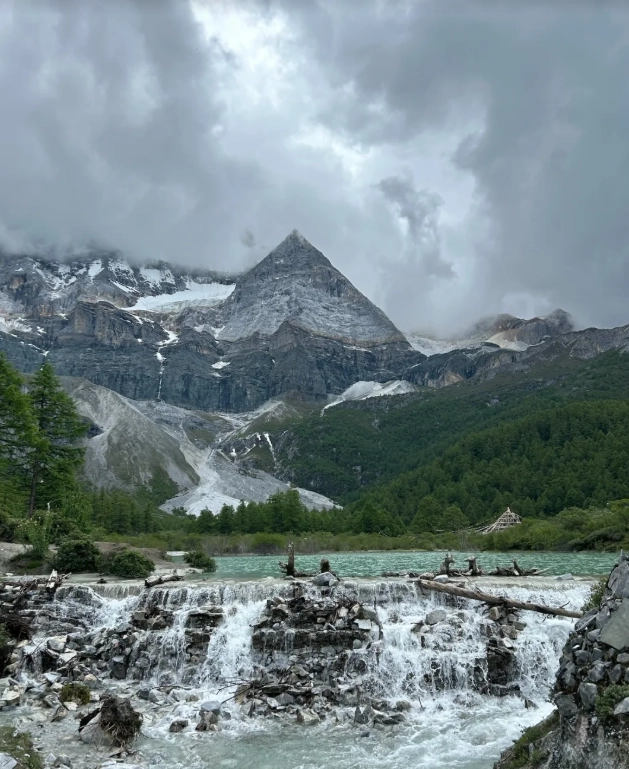






I’ve been living in Yunnan for six years and still picked up new tips from this article! The advice on the best time to visit to avoid crowds (early May and late October) is spot-on. I used the suggested phrasebook of basic Tibetan greetings and locals really appreciated the effort. The map links and hotel recommendations were accurate and saved me hours of scrolling. A must-read for any foreigner heading to Shangri-La.
As a solo female traveler, I found this guide incredibly reassuring. The section on safety and transportation options gave me confidence to book my trip. The tip about hiring a local guide for the Tiger Leaping Gorge hike was brilliant—I ended up having the best day with a Tibetan guide who shared stories I’d never find in any book. Every detail felt carefully researched. Thank you!
This is exactly the kind of article I was looking for! The insider tip about taking the overnight bus from Kunming to save money and see the scenery was golden. I followed the packing advice and my 3-layer jacket saved me from the unpredictable rain. The local tea house recommendation near the old town was a real gem. Highly recommend for budget-conscious travelers who want a genuine experience.
Pretty solid starting point for anyone completely new to Shangri-La. I appreciated the clear breakdown of bus vs. flight options, and the warning about altitude sickness is spot-on. What kept it from a 5 for me is the lack of cultural etiquette tips—things like how to behave in monasteries or bargaining in local markets would have made it truly complete. Still, a helpful guide overall.
Honestly, I found this article a bit generic. It covers the basics like altitude and transportation, but I was hoping for more off-the-beaten-path recommendations. The tips about local food were okay, but nothing I couldn’t find in a free blog. Felt like a quick read rather than an insider guide. For a foreigner with some experience in China, it’s a bit too surface-level.