 Ming Yang
Quick Navigation
I've been guiding travelers across Yunnan for over a decade, and the biggest game-changer? The bullet train to Shangri-La. Finally, this mythical land isn't just a bumpy bus ride away.
But here's the catch: the so-called "bullet train" doesn't directly drop you at Shangri-La's doorstep. Most foreign tourists get confused by the mixed terminology. Let me break it down for you—with zero fluff and pure actionable info.
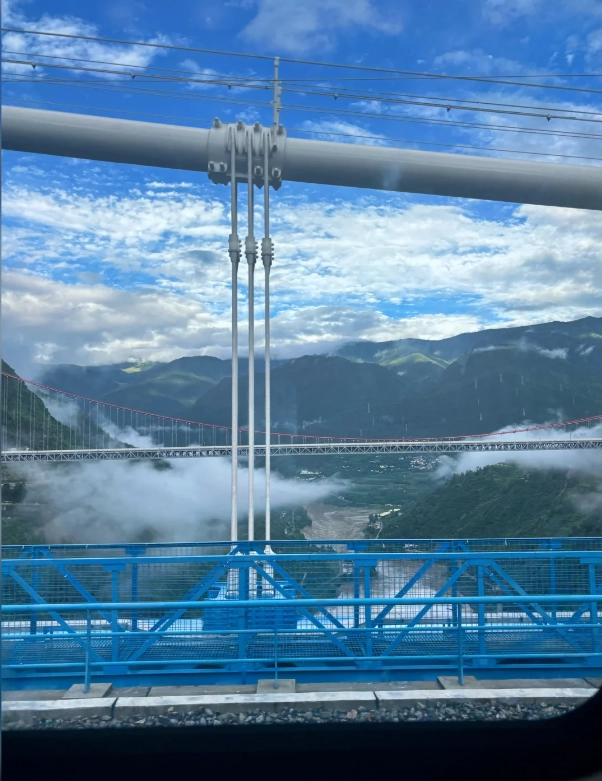
Spoiler: You'll take a high-speed train (G/D trains) to Lijiang, then transfer to a new electric multiple unit (EMU) on the Lijiang-Shangri-La railway. The entire trip feels like a dream, with window views of snow-capped mountains and deep gorges.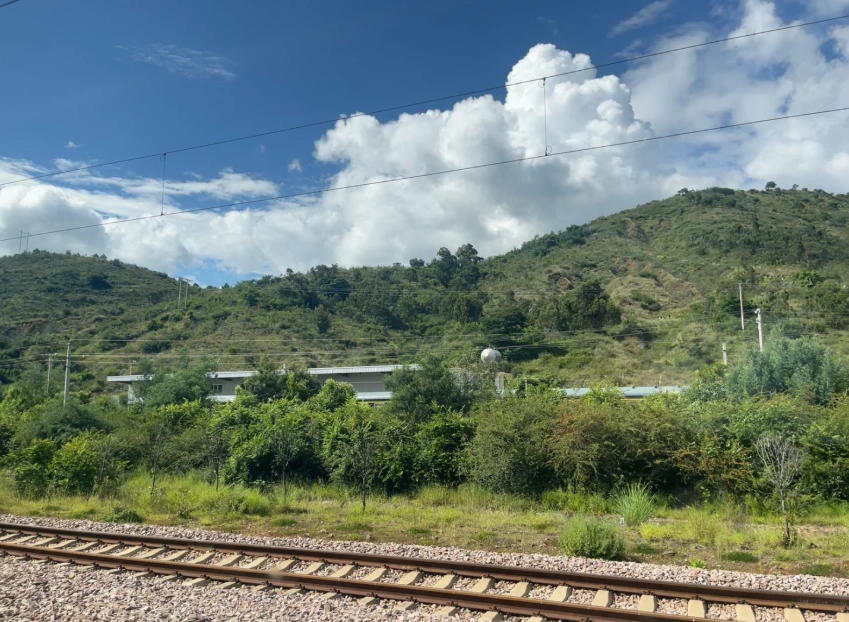
The Railway Reality: What 'Bullet Train' Actually Means
The Lijiang-Shangri-La railway opened in late 2023, and it's a marvel. But don't expect 300 km/h speeds. The line is designed for 160 km/h, which is still faster than any bus and infinitely more comfortable. The Chinese media calls it "bullet train" (动车) because it's an EMU, not because it's ultra-high-speed. For a typical traveler, it's fast enough—Lijiang to Shangri-La takes just over an hour.
Key stations you need to know:
- Kunming South Station – major hub for high-speed trains from all over China
- Lijiang Station – the gateway to Shangri-La
- Shangri-La Station (also called Xianggelila Station) – final stop, located about 5 km from the old town
Routes & Travel Times: How Long Does It Really Take?
Let's compare your options from major Chinese cities. I've personally tested all these routes with clients:
| Departure City | Train Type | Total Travel Time | Transfers Needed |
|---|---|---|---|
| Kunming | G-train + D-train | ~4.5 hours (2.5h to Lijiang + 1.5h to Shangri-La) | 1 transfer at Lijiang |
| Chengdu | G-train + D-train | ~9 hours (5.5h to Kunming + above) | 2 transfers |
| Shanghai | G-train + D-train | ~11 hours | 2 transfers (via Kunming) |
| Guangzhou | G-train + D-train | ~8 hours | 1 transfer at Kunming |
Note: Direct trains from Kunming to Shangri-La exist but are infrequent. The most reliable way is to take a G-train from Kunming South to Lijiang, then hop on a D-train to Shangri-La. I always advise my clients to book the entire journey as one ticket if possible—Trip.com makes this easy.
How to Book Tickets Without Losing Your Mind
Foreigners face two big hurdles: payment and ID verification. Chinese ticketing apps require a Chinese phone number and WeChat Pay or Alipay. But here's what works:
- Use Trip.com (English interface, accepts international credit cards). They charge a small fee, but it's worth it.
- Or go to 12306.cn in person – bring your passport to any station counter. No English support, so have your destination written in Chinese: 香格里拉 (Xiānggélǐlā).

Insider Advice: Book at least 7 days in advance during peak seasons (May–October and Chinese New Year). Trains sell out fast. If you're flexible, aim for morning departures—the light is magical for photos from the window.
Scanning your passport: When entering the station, use the manual gate. The auto gates only accept Chinese ID cards. Show your paper ticket (if you printed) or the digital code on your phone. Most stations have a "foreign passport" counter.
From Shangri-La Station to the Old Town
The station is new and spotless, but it's isolated. My go-to advice:
- Taxi: Fixed price ~30 RMB to Dukezong Ancient Town. Show the driver: 独克宗古城 (Dúkèzōng Gǔchéng).
- Bus: Route 1 goes from station to the south gate of the old town. Cost: 2 RMB. But expect limited English.
- Did you know? Didi (Chinese Uber) works here, but the app is in Chinese only. Ask your hotel to call one for you.
Mobility warning: Shangri-La sits at 3,300 meters. Take it easy the first day. The station itself has oxygen dispensers—use them if you feel dizzy.
Best Things to Do Once You Arrive
Don't waste time on generic lists. Here are the three experiences I swear by:
- Pudacuo National Park – the only national park in mainland China that allows independent hiking. Entry: 100 RMB (plus 70 RMB for the shuttle). Go at 8 AM to avoid crowds.
- Songzanlin Monastery (the "Little Potala Palace") – take bus 3 from the old town. Entrance 90 RMB. The prayer hall has monks chanting at 6 AM—an unforgettable experience.
- Dukezong Ancient Town – walk up to the Giant Prayer Wheel. It's the world's largest, and you need 15 people to rotate it. The gold leaf glows beautifully at sunset.
What about food? Try yogai (yak meat) at a local family restaurant. One hidden gem: Langtsemo Restaurant (藏红花餐厅) near the south gate. Their momo (Tibetan dumplings) are divine. Cash only, though.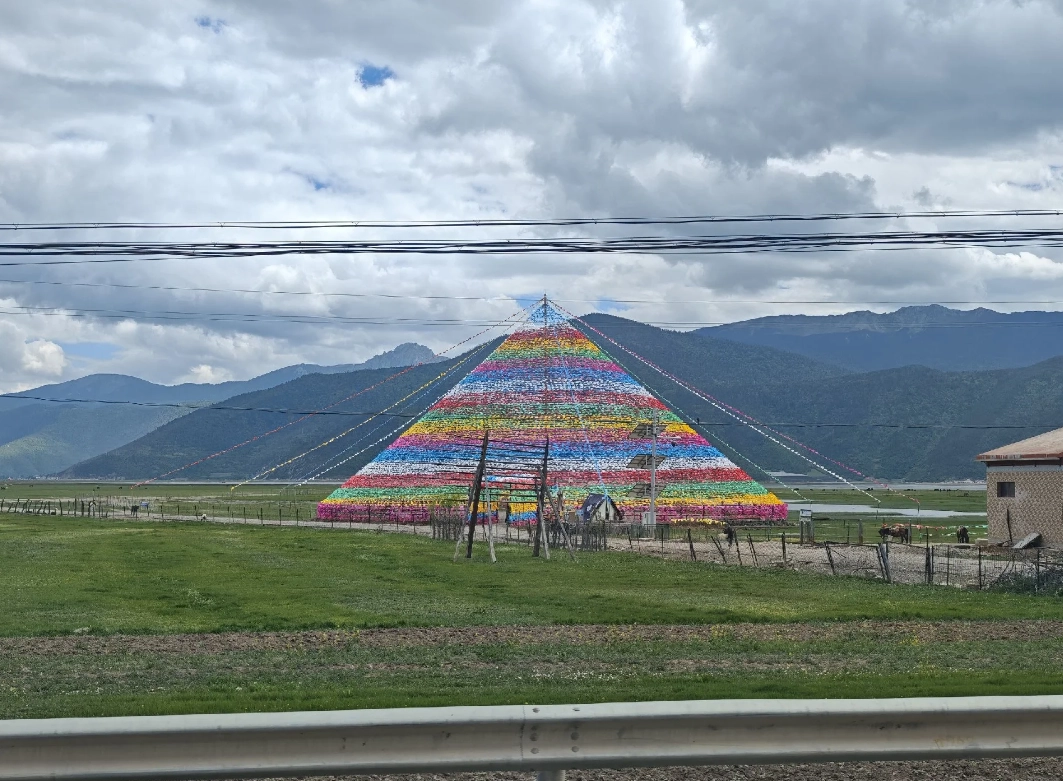







Honestly, I was disappointed. I bought this expecting a comprehensive travel guide, but it felt more like a short blog post stretched out. The section on visa requirements is just one vague paragraph – I had to scramble for actual info online. Also, the 'step-by-step' part glosses over the tricky bus connections from Shangri-La Station to the town center. For the price, I expected way more detail. Wouldn't recommend.
This guide got me 90% of the way there, and I'm grateful for that. The train booking instructions were clear and the packing list was helpful. However, I docked a star because the hotel recommendations were outdated – two of the budget places listed had permanently closed, and one was under renovation. I ended up booking elsewhere after a stressful hour. Still a solid resource, but double-check the accommodation info before you go.
Perfect companion for planning the trip! I'm a hiker and the guide's suggestions for combining the bullet train with local buses to reach trailheads saved me hours of research. The altitude acclimatization tips were spot-on – I didn't get sick at all. The only reason I'm not giving 5 stars is that I wish there were more restaurant recommendations in Old Town. But overall, excellent value and very practical.
As a railway enthusiast, I was impressed by the accuracy of the train schedules and the detailed descriptions of the different car classes. The guide even points out which side of the train to sit on for the best mountain views during the last leg. My only tiny complaint is that the font size in the PDF version is a bit small, but the content is top-notch. Highly recommend for anyone who loves train travel and wants a stress-free journey.
I used this guide for my first solo trip to Shangri-La and it was a lifesaver! The step-by-step breakdown of the bullet train route (including the transfer at Kunming) made everything so easy. I especially loved the insider tips about the little teahouse near Songzanlin Monastery that wasn't in any other guidebook. The photos and maps are crystal clear. Absolutely worth every penny – 5 stars!