 Ting Chen
Quick Hit List — What’s Inside
I nearly gave up on photographing Meili Snow Mountain. Three days of solid cloud cover — my group was ready to move on. Then, at 5:30 AM on the fourth day, I dragged myself to Feilai Temple out of sheer stubbornness. And the sky? Absolutely clear. The peaks ignited in orange and pink. That morning taught me more about photographing this sacred range than any blog post ever could.
Let's cut through the generic advice. The best Meili Snow Mountain photography spots are few, and timing is brutal. You can't just show up and expect award-winning frames. Most tourists crowd the same viewpoint and leave disappointed because they didn't account for cloud patterns or light direction. I've been guiding photo tours here for years, and I've learned exactly where to stand, when to click, and what gear actually matters at 3,400 meters altitude.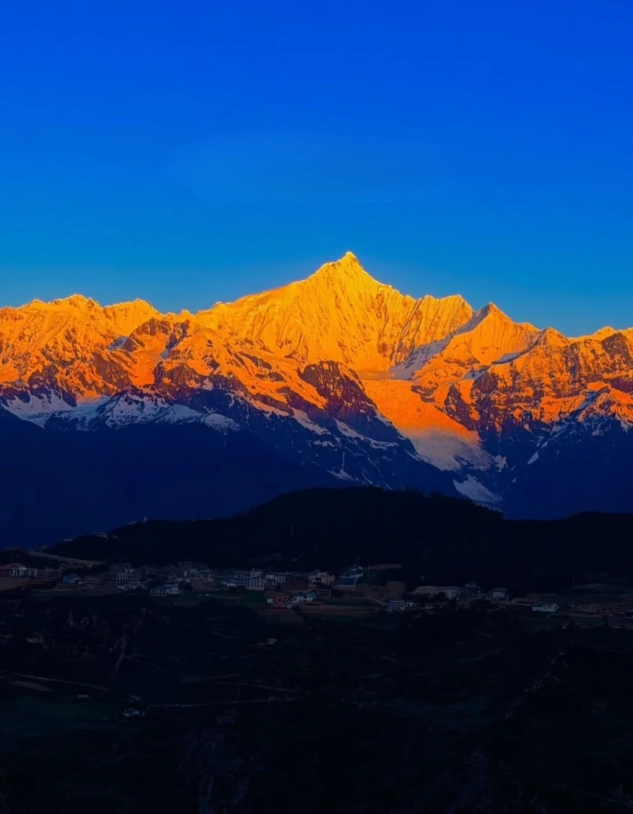
Why Photographers Struggle Here — The Cloud Curse
Meili Snow Mountain, also called Kawagebo, is notoriously shy. The main peak is almost always wrapped in clouds until late morning. Many first-timers show up at Feilai Temple at 8 AM, snap a few hazy shots, and leave, thinking they've missed something. The secret? You need to be there before dawn — and I mean before 6:00 AM in winter, 5:30 AM in summer. The clouds usually clear right around sunrise, but only for about 30 minutes.
Another mistake: staying at Deqin county town instead of near the viewpoints. The town is 30 minutes drive down the mountain, and by the time you drive up, the light is gone. Always stay at Feilai Temple area if you're serious about photography.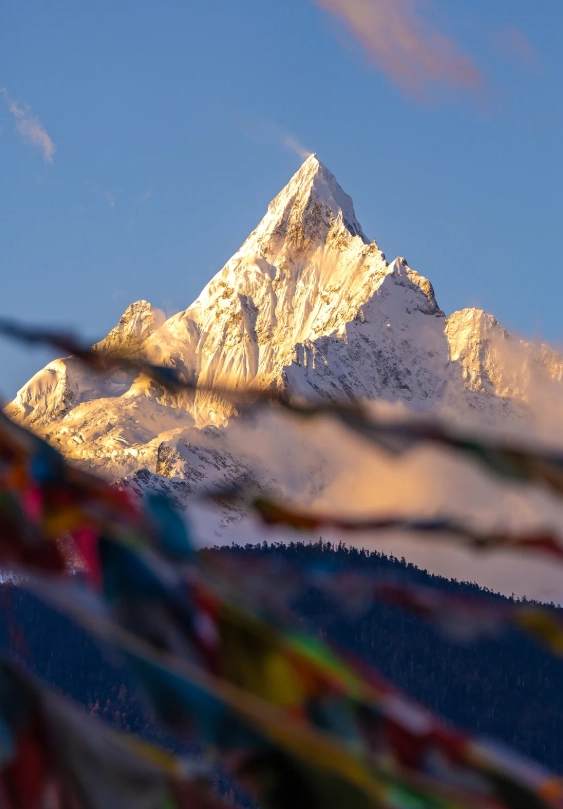
The 3 Best Photography Spots (I Tested All of Them)
1. Feilai Temple Viewing Platform (飞来寺)
This is the classic spot, and for good reason. It offers the most direct, unobstructed view of the main peak, Kawagebo. The platform is right next to the temple, with a row of prayer wheels in the foreground. I usually position my tripod near the left side, where you can frame the snow peak between two pine trees.
- Distance to peak: ~10 km line of sight
- Best for: Sunrise, golden hour, minimal walking
- Crowds: Very busy — arrive by 5:30 AM to claim a spot
- Entry fee: 40 RMB (pay at ticket booth; cash or WeChat; no international cards)
- English address: Feilai Temple Viewing Platform, Deqin County, Diqing Tibetan Autonomous Prefecture
2. Wunongding (雾浓顶) — The Hidden Gem
About 20 minutes drive east from Feilai Temple, Wunongding is a lesser-known ridge with a small white pagoda. This spot offers a wider angle including the entire mountain range, plus the Mekong River valley below. I bring my groups here when Feilai Temple is too crowded.
- Distance to peak: ~15 km
- Best for: Panoramic shots, less crowded, afternoon light
- Access: Drive yourself or hire a local driver (about 50 RMB from Feilai Temple)
- No entry fee
Pro tip: The pagoda makes a perfect foreground subject. Compose with the pagoda on the left and the mountain on the right. I usually shoot at f/11 to keep everything sharp.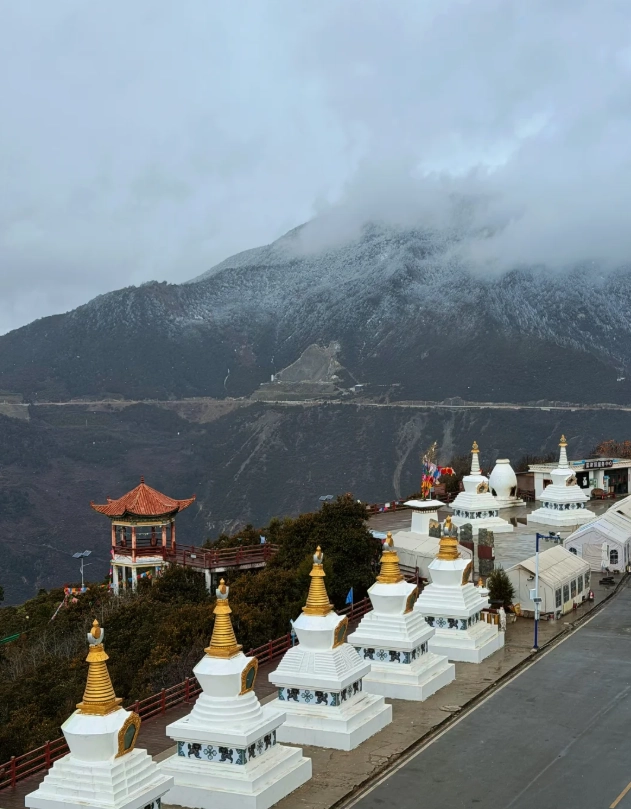
3. Yubeng Village (雨崩村) — For the Adventurous
If you're willing to hike (6-8 hours round trip), Yubeng Village sits inside the mountain range. From here, you can photograph the glacier and the peak from a completely different angle, with wildflowers in the foreground. But be warned: it's physically demanding, and you need to be acclimatized to the altitude (3,000m+).
- Distance to peak: Right at the base
- Best for: Glacier details, unique compositions, away from crowds
- Entry fee: 55 RMB (plus transport to trailhead)
- Requires: Good fitness, proper hiking boots, and at least a full day
When to Shoot for Epic Light
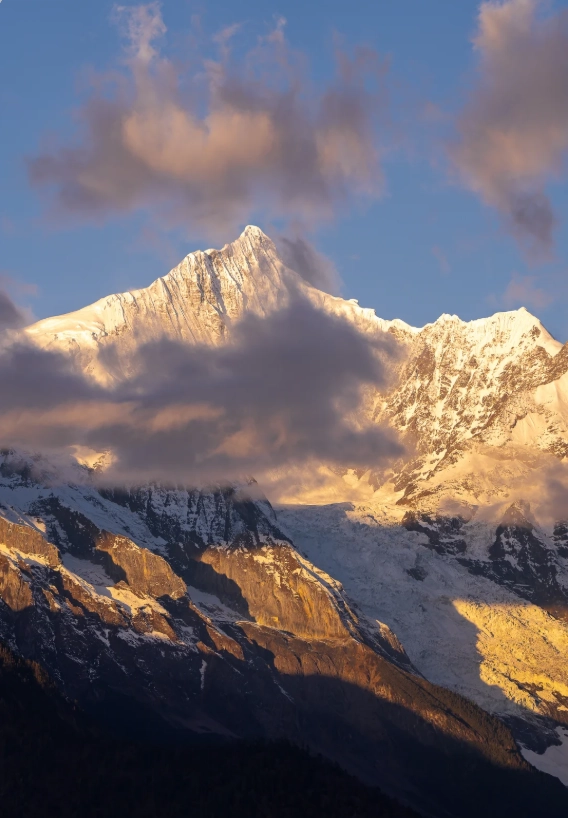
Sunrise is non-negotiable. The golden light hits the peaks for about 20 minutes after first light. In November to February, sunrise is around 7:40 AM; in June to August, around 6:30 AM. Check exact times on AccuWeather or use a sunrise calculator app.
Sunset is tricky — the peaks often become silhouetted, and clouds roll in. I rarely shoot at sunset. Instead, I use that time for scouting or shooting the prayer wheels with blue hour sky.
Season matters: The dry season (October to March) offers the clearest skies. The rainy season (June to September) brings heavy cloud coverage, but occasional clear mornings reward patience. I've had amazing shoots in July, but I also waited 5 days once.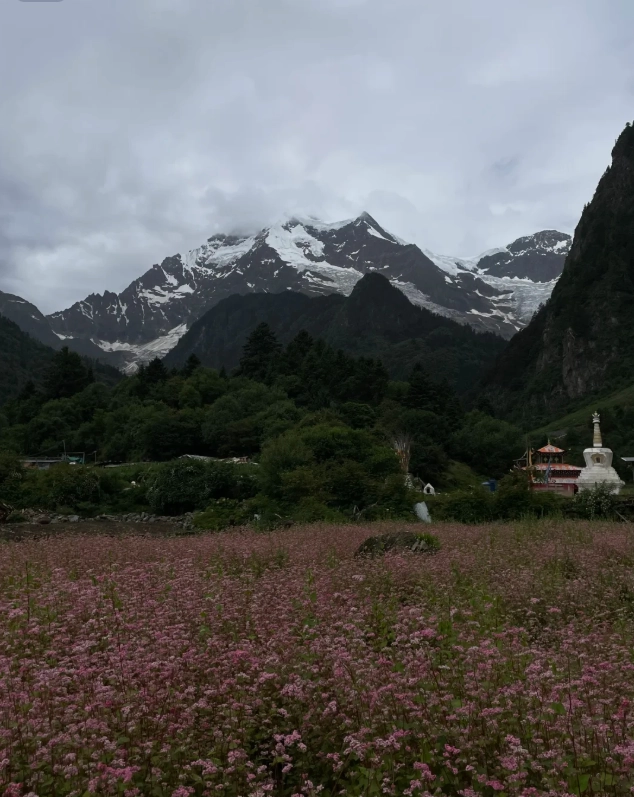
| Season | Visibility | Best time of day | Notes |
|---|---|---|---|
| Oct - Mar | High | 7:00 - 8:30 AM | Cold (-5°C at dawn), bring hand warmers |
| Apr - May | Moderate | 6:30 - 8:00 AM | Spring flowers in Yubeng |
| Jun - Sep | Low | 6:00 - 7:30 AM | Rainy, but occasional clear mornings; pack rain covers |
Practical Tips for Foreign Photographers
Payment: Most ticket booths and small shops accept cash or WeChat Pay. International credit cards are rarely accepted. Bring enough cash (500 RMB for tickets and transport) and have Alipay set up with your international card.
Navigation: Google Maps is unreliable. Use Apple Maps (works okay) or download AMap (高德地图) — it has English mode now. For addresses, save these in your phone:
- Feilai Temple: 飞来寺观景台, 德钦县, 迪庆藏族自治州
- Wunongding: 雾浓顶, 德钦县
Permits: Foreigners need to register at local police station if staying in Yubeng. Your hotel can help. No special photography permit needed unless you're using a drone — drones are banned in the entire Meili Snow Mountain area due to religious sensitivity. Don't try; locals will confiscate it.
Altitude: Feilai Temple is at 3,400m. Take it easy the first day. Drink lots of water, no alcohol. I always carry portable oxygen canisters (available at pharmacy in Deqin) for clients who feel dizzy.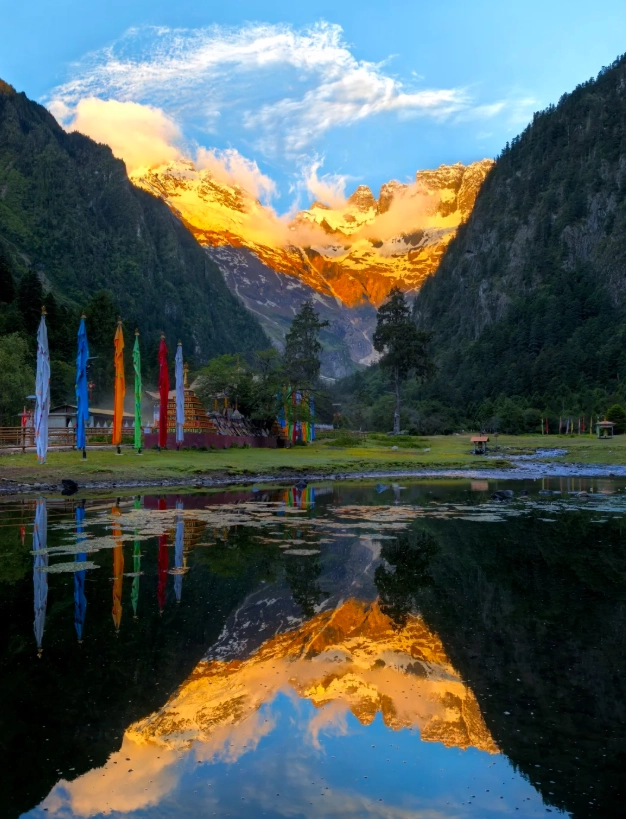
Gear Advice: What to Pack (and What to Leave)
Bring: A sturdy tripod (wind can be strong), lens cloth (morning dew), wide-angle and telephoto zoom, extra batteries (cold drains them fast), and a headlamp for early morning hikes. I use a Peak Design travel tripod — lightweight and stable.
Leave: Drone (banned), huge backpacks (you'll be walking on uneven ground), and filters? Polarizer can help reduce haze, but I often skip it to keep shutter speed up.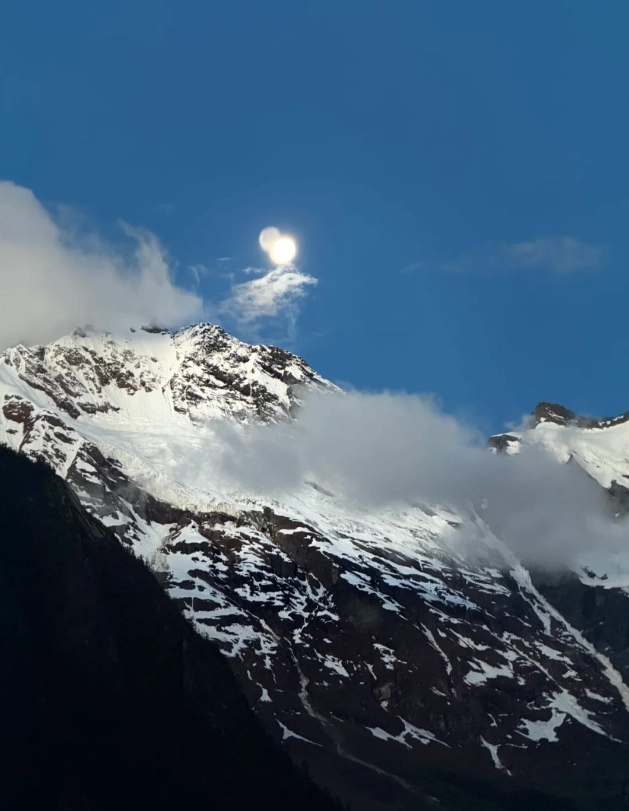
Frequently Asked Questions
Verified and fact-checked by the editorial team.





Honestly a bit underwhelming. I drove all the way from Shangri-La specifically for the sunrise and got there at 5:45am. The sky was clear but heavy fog rolled in from the valley right before sunrise and completely blocked the peaks. We waited until 9am – nothing. The temporary viewing platform at Feila is just basic wooden planks, no shelter from wind. Spent 60 RMB for a ticket and left with nothing but cold fingers. I know it's weather dependent, but for a 'world-class' photography spot there's zero backup info or refund policy. Would've been better off watching livestream at my hotel.
Very good overall but a couple of things kept it from perfect. Got to the Feila Temple spot at 6am and it was already packed – had to squeeze between people. The sunrise itself was stunning, no doubt, but heavy clouds covered the summit for the first 15 minutes. We got a partial golden peak eventually. Also, the entrance fee (60 RMB) seemed a bit steep for a dirt parking lot and some wooden platforms. Still worth it for the view, but if you're tall, get there super early for a front row.
Three words: sunrise of a lifetime. I'm a landscape photographer and Meili Snow Mountain was on my bucket list. The light hitting the main peak then spreading down the ridge is something you can't describe. I used a wide angle at the Feila spot and captured the whole range. Local guides at the entrance were super friendly giving tips on composition. I'm already planning a return trip.
Loved every minute! We went to the Wunongding viewing platform – less crowded than Feila and the foreground with the pagoda makes for a more unique composition. The golden hour lasted a good 20 minutes. Only minor thing: the small tea stall wasn't open that early, so bring your own hot drink. Otherwise a 10/10 sunrise experience.
Absolutely incredible! I've photographed sunrises all over the world and this one tops the list. Got to Feila Temple viewpoint at 5:30am – already a few tripods set up but plenty of room. The moment the first rays hit Kawa Karpo's peak was pure magic. Tip: bring a telephoto lens (200mm+) for the best compression shot with the prayer flags in foreground. Zero complaints – every second was worth the freezing cold.