 Wei Zhang
Let me be honest with you—I’ve been guiding groups in Jiuzhaigou for seven years, and I still see tourists making the same painful mistakes. They show up without a ticket (yes, it happens), they queue for hours under the sun, or they follow a 3-day itinerary that leaves them exhausted and broke. This guide is not a generic list of facts. It’s everything I wish you knew before stepping into this stunning national park.
Here’s the shortcut: buy your ticket online at least 3 days in advance, enter through the west gate (locals’ trick), and be on the first shuttle at 7:30 AM. That one move saves you 2 hours of waiting. Now let’s dive into the details.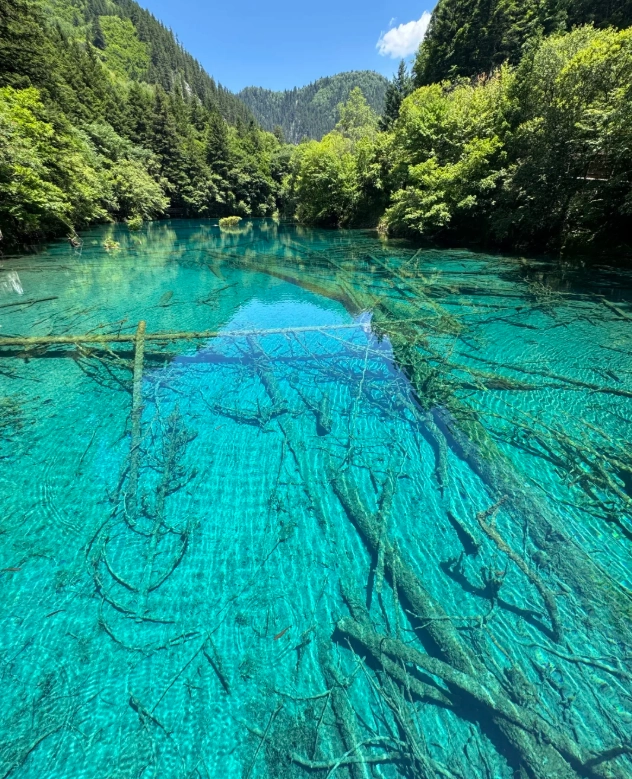
Best Time to Visit Jiuzhaigou (and When to Avoid)
Autumn (mid-October to early November) is the gold standard—the leaves turn fiery red and the lakes mirror the sky. But here’s the catch: October weekends are a zoo. I’ve seen shuttle queues snaking for 200 meters. If you can, go on a Tuesday or Wednesday.
Summer (June–August) is green and lush but rainy. July gets over 200 mm of rain. Trails can be slippery, and the water turns murky after heavy downpours. Spring (April–May) is hit-or-miss: some lakes are still frozen, and the color isn’t at its peak. Winter (December–March) is quiet and magical—the waterfalls freeze into ice sculptures, and you’ll have entire boardwalks to yourself. But many restaurants and hotels close, and the park might shut certain sections due to snow. If you want solitude, go in late February.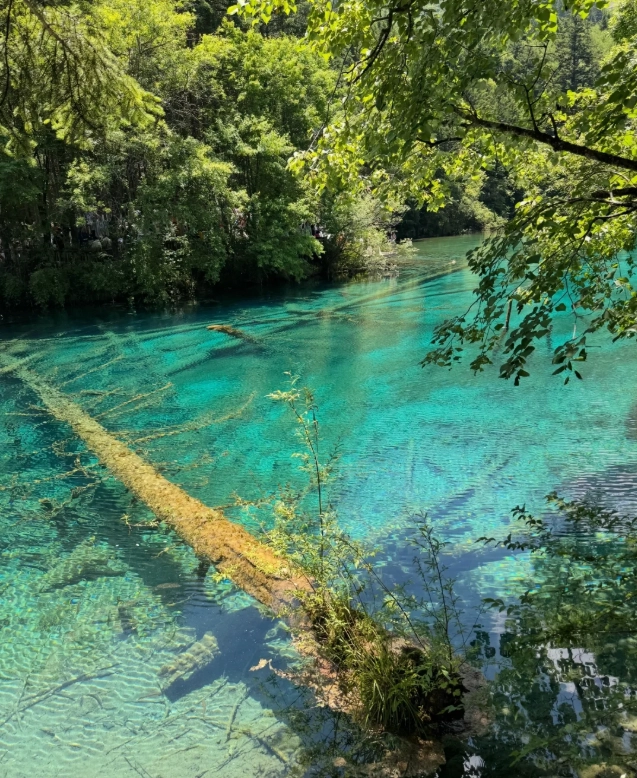
Getting to Jiuzhaigou: Flights, Buses, and the Long Drive
By Air
Jiuzhai Huanglong Airport (JZH) is the closest—about 1.5 hours by car from the park entrance. Flights from Chengdu, Beijing, or Xi’an take 1–1.5 hours. But here’s what no one tells you: the airport sits at 3,448 meters (11,300 feet). The moment you step out, altitude can hit you. I always tell my clients to take it slow, drink ginger tea, and avoid alcohol.
By Bus from Chengdu
It’s a 7–8 hour ride through winding mountain roads. Bus costs around 150–200 RMB (US$20–28) per person. The views along the Min River are gorgeous, but the road has many sharp turns—if you get carsick, sit in the front and bring motion sickness pills. The bus drops you at Jiuzhaigou Town (Zhangzha), which is a 10-minute taxi from the park gate. Taxis are unmetered, but I usually pay about 20 RMB.
By Car (Road Trip)
Driving from Chengdu to Jiuzhaigou via National Highway G213 takes about 8–9 hours. The road is well-maintained but prone to landslides after heavy rain. I’ve been stuck for 3 hours once due to a rock slide. Check weather and road conditions before driving. Rental cars with a driver cost around 800–1,200 RMB per day.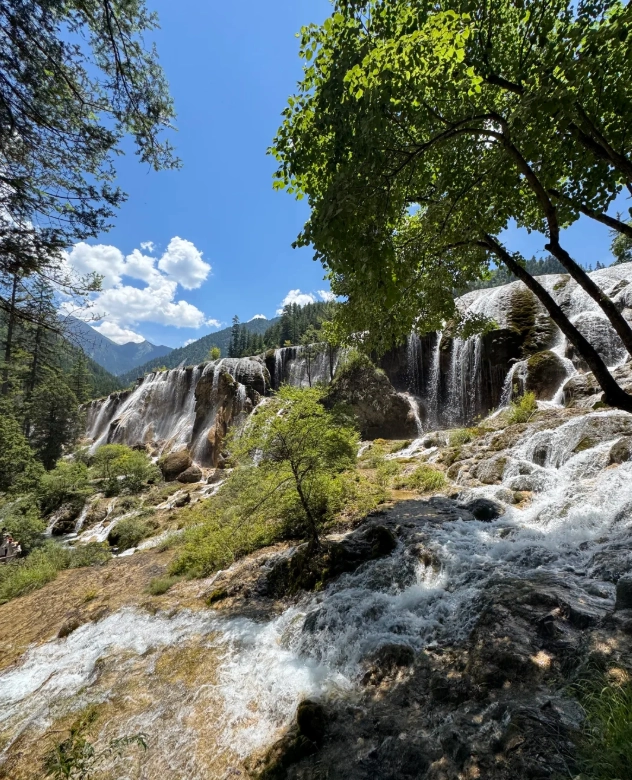
Tickets & Booking: The Digital Maze
Jiuzhaigou requires an advance reservation—you cannot buy tickets at the gate. The official channel is the Jiuzhaigou National Park WeChat mini-program (search 九寨沟 in WeChat). The entire interface is in Chinese, which is a nightmare for foreigners. Here’s how I help my guests:
- Ask your hotel concierge or a Chinese-speaking friend to book for you.
- Use a third-party site like Trip.com (they have an English interface).
- Or use Klook—they sell tickets with a small service fee.
Ticket Prices:
| Category | Peak Season (Apr–Nov) | Off Season (Dec–Mar) |
|---|---|---|
| Adult (entrance + shuttle) | 280 RMB (US$39) | 160 RMB (US$22) |
| Child (6–18 years) | 140 RMB (US$19) | 80 RMB (US$11) |
| Senior (60+) | 140 RMB (US$19) | 80 RMB (US$11) |
| Free (under 6) | 0 RMB | 0 RMB |
The shuttle bus inside the park is compulsory—you can’t walk the 30 km from the entrance to the farthest spot. The bus takes you to a central drop-off point (Rhino Lake), then you can hike or hop on and off.
Where to Stay: Zhangzha Town vs. Inside the Park
There is no accommodation inside the park (the only hotel inside was demolished years ago). Everyone stays outside. The two main areas: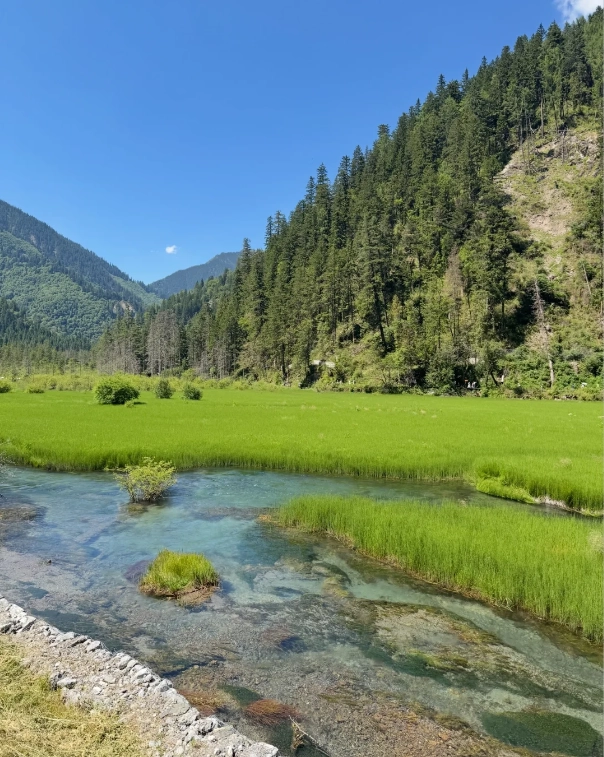
Zhangzha Town (Main Entrance)
This is the most convenient. You can walk to the gate in 5–10 minutes. Tons of restaurants, souvenir shops, and hotels. My recommended hotels:
- Holiday Inn Express Jiuzhaigou – Clean, English-speaking front desk, free Wi-Fi, breakfast included. About 350–600 RMB per night depending on season. Address: No. 1 Zhangzha Town. They arrange airport transfers for 200 RMB.
- InterContinental Jiuzhai Paradise – A massive resort with Tibetan-style architecture, multiple pools, and excellent service. 800–1,500 RMB. It’s a 10-minute drive from the park, but they have a shuttle.
- Home Inn Jiuzhaigou – Budget option, around 150–250 RMB. Basic but clean. The Wi-Fi can be slow.
Jiuzhaigou County (More Local Vibe)
About 40 km south of the park. Cheaper but you’ll need a taxi or bus to the entrance (40 minutes, 30–40 RMB). I only recommend if Zhangzha is fully booked.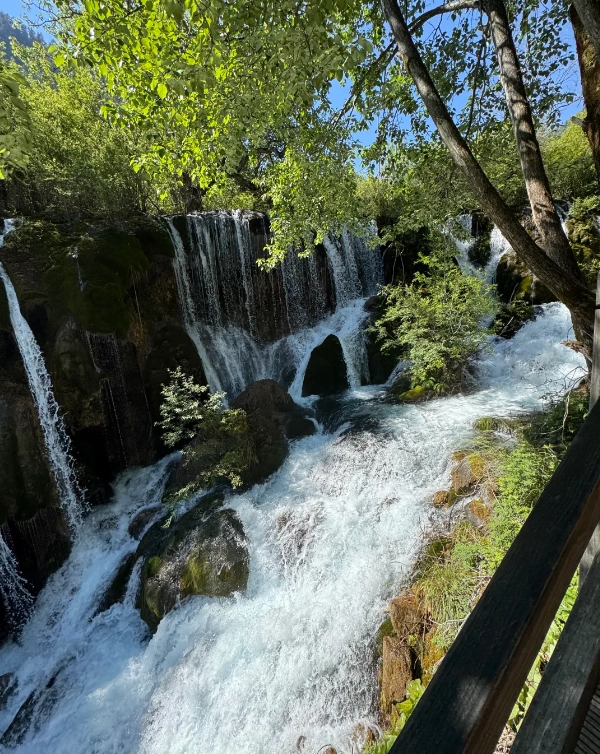
Note: Most hotels require a deposit for international credit cards. Carry some cash (CNY) for small shops.
Top Trails & Spots: What to See (and What to Skip)
The park is shaped like a Y. The shuttle takes you to the top of each branch. Here’s my recommended route: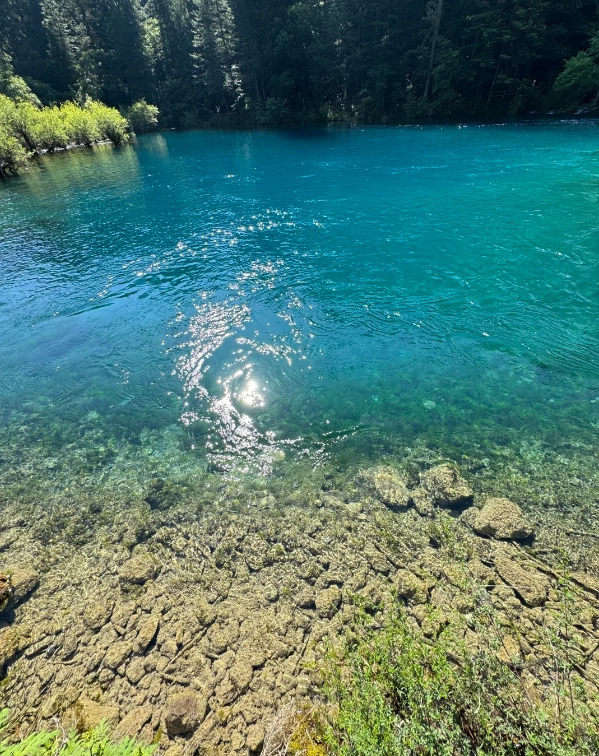
Morning: Original Forest on the Right Branch
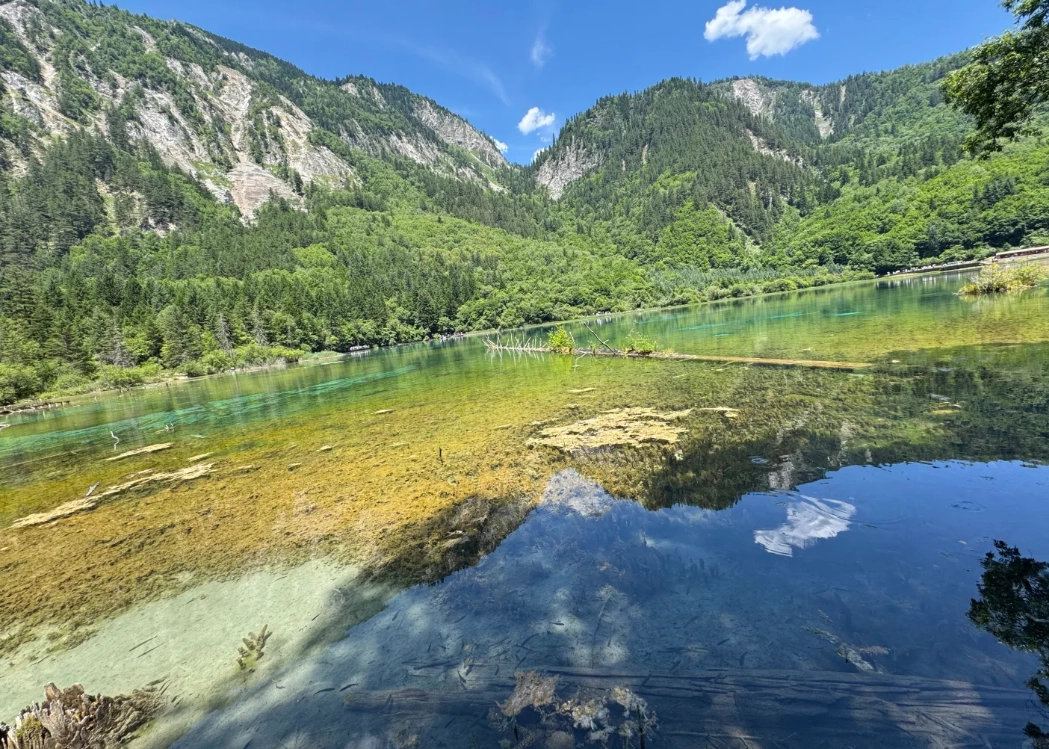
Take the first shuttle (7:30 AM) all the way to the end of the right branch—Original Forest. This is the highest point at 2,900 m. The air is crisp, and you’ll have the trail almost to yourself. Walk down for about 1 km to Grass Lake and then to Swan Lake. The boardwalk is easy. After about 1.5 hours, catch the shuttle down to Five Flower Lake—the most photographed spot in Jiuzhaigou. Get there before 10 AM to beat the crowds.
Midday: Long Lake on the Left Branch
Shuttle to the left branch’s end: Long Lake. It’s the largest lake, but honestly, it’s less colorful. Spend 30 minutes, then walk down 15 minutes to Five-Color Pond. This small pool is stunningly turquoise. I always take my group there just before noon when the sunlight hits the water perfectly.
Afternoon: Central Valley (Shuttle stops)
At around 1 PM, head back to the central valley. This area has the densest concentration of sights: Nuorilang Waterfall (the widest waterfall in China), Rhinoceros Lake, and Shuzheng Waterfall. You can hop on/off the shuttle at each. By 3 PM, the crowds thin out. I recommend spending your last hour at Tiger Lake—the reflections are magical in late afternoon.
Essential Tips for Foreign Visitors
- Altitude: The park averages 2,500–3,000 m. Symptoms include headache and fatigue. I carry Diamox (acetazolamide) for my groups—but check with your doctor first. Drink lots of water and avoid alcohol.
- Cash & Cards: Most ticket vendors and shops accept WeChat Pay or Alipay. International credit cards work at the big hotels and some restaurants, but always carry 500–1,000 RMB in cash for taxis and small food stalls.
- Food inside the park: There’s only one restaurant (at Nuorilang Center) serving overpriced Chinese set meals (60–80 RMB). Better to bring your own snacks: granola bars, nuts, and a sandwich. There are water refill stations at rest stops.
- Restrooms: They are public squat toilets, and they get messy by noon. Use the restroom at the entrance before boarding the shuttle. Carry your own toilet paper and hand sanitizer.
- Language: English signage is minimal. Download an offline translation app (like Google Translate) and save essential phrases like “Bathroom?” and “How much?”.
- What to wear: Layering is key. Morning temperatures can drop to 5°C even in summer, while afternoons reach 25°C. A waterproof jacket is essential for unpredictable rain.
FAQs: Real Questions from Travelers
Verified and fact-checked by the editorial team.





Exceeded every expectation! We spent two days here thanks to the article's advice to buy a multi-day pass. Day one we did the main loop, day two we explored the lesser-known Zechawa valley – way fewer people and equally breathtaking. The reflection of the mountains in the Mirror Lake at 8am was so clear I almost cried. Only tiny gripe: some food stalls near the exit were overpriced, but that's everywhere. 5 stars, no question.
Hands down the best natural park I've ever visited. Every turn feels like a postcard. The article's tip about using the Nuorilang transfer point saved us tons of time. I also loved how clean and eco-friendly everything was – plenty of bins and signs in English. The Pearl Shoal waterfall mist felt amazing on my face. If you're debating whether to go: just do it. You won't regret it.
Absolutely stunning! Five stars without hesitation. The colors of the Five Flower Lake literally looked like a painting – photos don't do it justice. Followed the article's advice to take the early bus to the top and walk down; we had the trail almost to ourselves for the first hour. The crisp mountain air and the sound of rushing water... pure magic. A once-in-a-lifetime place.
Pretty good overall! The turquoise water is unreal, and the boardwalks are well-maintained. Only gave it a 4 because we went in late autumn and some of the smaller waterfalls were dry – still gorgeous but not the full experience. The insider tips about wearing layers and bringing snacks were spot-on. Recommend going mid-week to avoid the worst crowds.
Honestly, I was a bit disappointed. The lakes are beautiful, no doubt, but the crowds were insane even on a weekday. The article's tip about going early? I arrived at 7am and still had to queue for an hour. Also, the shuttle bus system felt chaotic – way too many people per bus. For the pricey ticket, I expected better management. Wouldn't rush back.