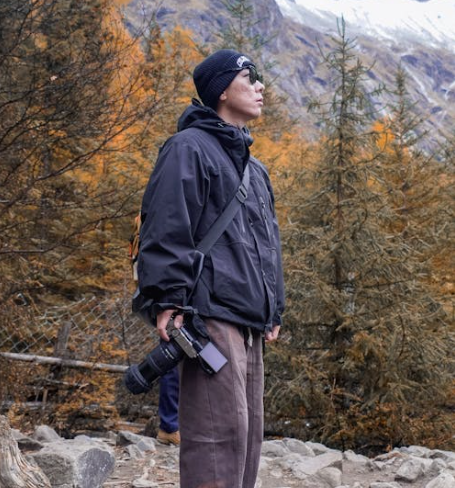
 Gang Zheng
Minus 28. Wind rolling off the Songhua River. A traveler in a thin fashion parka, hands jammed under her armpits, hopping from foot to foot outside Changchun Railway Station while her phone dies at 40 percent.
I have watched that scene play out more times than I can count. It almost never comes down to money or toughness. It comes down to three things that never made it into the bag.
So here is the whole point of this Jilin packing list, up front, before you scroll: you do not need the most expensive coat on the market. You need layers you can strip in ten seconds, because Jilin's indoor spaces sit at 22 to 25°C in January while the street outside sits at minus 20 — and you will cross that border five or six times a day.
Second rule, and this one genuinely surprises people: grip beats insulation. Polished ice on a Changchun sidewalk has put more of my clients on the ground than cold ever has.
Third, and it saves you real money: a lot of what you would buy at home is cheaper and better fitted after you land in China. More on that below.
Grab What You Need — My Quick Packing Index
- What Makes Packing for Jilin Different From Anywhere Else in China?
- Which Version of Jilin Are You Packing For?
- The Winter Layer System That Actually Works
- How Do You Keep Phones, Cameras and Batteries Alive in the Cold?
- What to Pack for a Jilin Summer and Shoulder Season
- Gear I Tell People to Leave at Home
- The Documents and Apps Checklist Before You Land
- Where to Buy Winter Gear in Jilin If You Arrive Unprepared
- Jilin Packing List FAQ
What Makes Packing for Jilin Different From Anywhere Else in China?
Jilin Province sits at roughly the same latitude as Marseille. Latitude lies. Siberian air pours down across the Northeast China plain every winter, and a normal January in Changchun runs near -9°C by day and -19°C at night. Add wind on an open square and the felt temperature drops well below that.
Three forces drive every packing decision here: dry cold, aggressive indoor heating, and ice. Get those three right and you will be comfortable in almost any Jilin itinerary. Get them wrong and no amount of cash fixes the trip.
The dry part is actually good news. At -15°C in Jilin you will feel less miserable than at -3°C in a damp coastal city, because there is very little moisture in the air to conduct heat away from your skin. That means a windproof shell matters more than a waterproof one. Most people over-buy waterproofing and under-buy wind protection.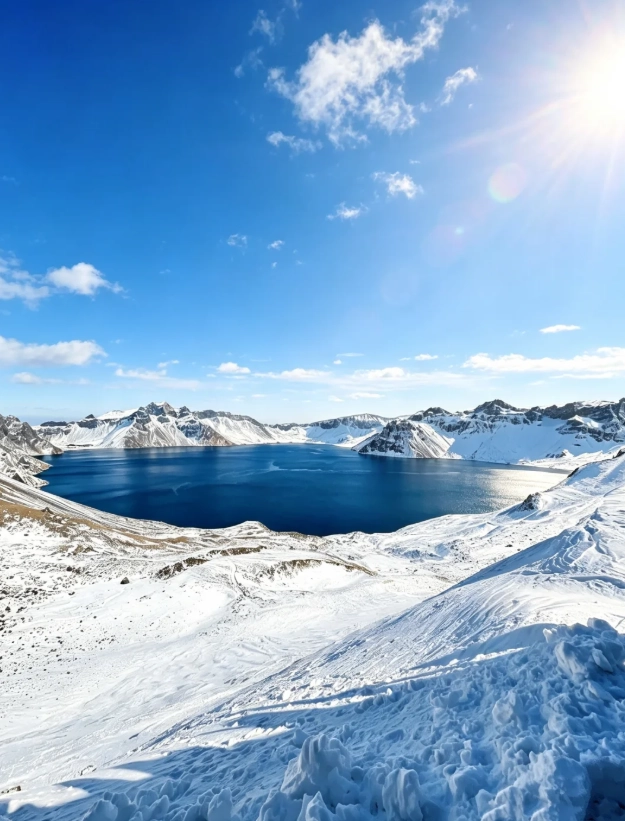
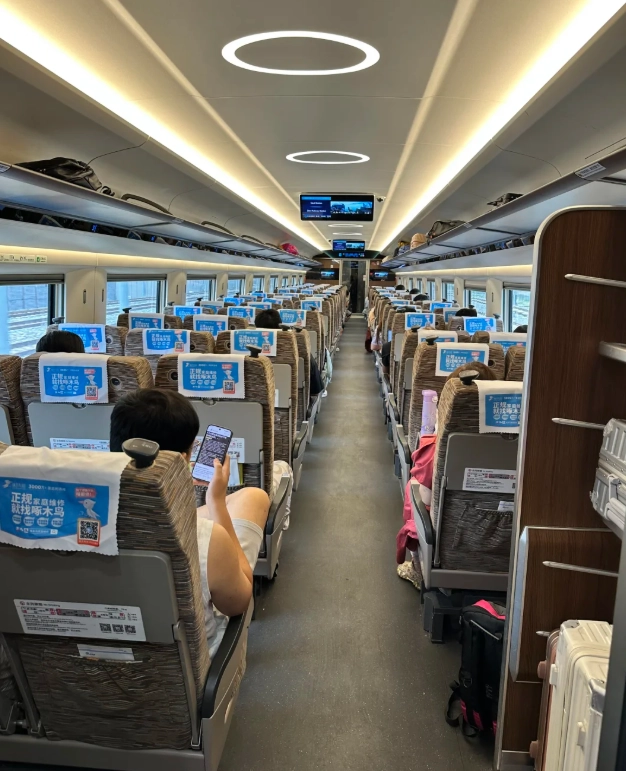
The heating is the part nobody warns you about. Chinese buildings are heated hard — your hotel room, the shopping mall, the noodle shop, the high-speed train carriage. All of them sit between 22 and 25°C. You will dress for the Arctic, then be asked to sit in a warm restaurant for forty minutes. Without a plan for shedding layers, you sweat, walk back into -18°C, and spend day two with a sore throat.
And the ice. Residential sidewalks in Changchun and Jilin City are not salted as aggressively as you might expect, and packed snow polishes into a glassy sheen overnight. I have seen more injuries from a two-meter walk to a taxi door than from any mountain trail.
Pro Tip: Download AMap Global or use Apple Maps before you land. Google Maps is unreliable inside China, and the address you copied from a blog will often be a decade out of date. Ask your hotel to type the destination in Chinese characters and screenshot it — showing a Chinese address on your screen to a taxi driver works far better than saying the English name out loud.
One more thing worth sorting before you pack. Entry rules for China change often, and several nationalities now qualify for visa-free entry or visa-free transit through major hubs. Check the current rules directly on the National Immigration Administration site rather than trusting a forum post. If your plan involves moving between Changchun, Jilin City and the Changbai Mountain area, book trains through the official China Railway 12306 platform or through Trip.com, which handles passport registration more smoothly for foreign travelers.
Which Version of Jilin Are You Packing For?
Jilin is not one climate. It is at least three, stacked on top of each other, and the difference between them decides whether you pack a puffer or a full expedition kit.
| Destination | Typical January Day / Night | What It Does to Your Packing | Best For |
|---|---|---|---|
| Changchun | -9°C / -19°C, colder with wind | City ice, heavy indoor heating, constant taxi-to-door transitions | Museums, food streets, short stopovers |
| Jilin City | -10°C / -20°C, river fog | Standing still outdoors at dawn for 40 to 90 minutes | Rime ice photography, Songhua River walks |
| Changbai Mountain summit area | -20°C to -35°C with strong wind | Full layering, goggles, zero exposed skin, altitude gain of about 1,000 m | Tianchi lake views, alpine scenery |
| Yanji | -6°C / -17°C | Similar to Changchun, plus long walking hours around food markets | Korean-Chinese food, border culture |
| Beidahu Ski Resort | -12°C / -22°C at base | Ski-specific gear or rental, goggles, spare glove liners | Skiing, snowboarding, snow play |
Changchun and Jilin City: Dry Cold With a Wind Problem
The cities are manageable with a solid three-layer system — the real enemy is standing still. Walking keeps you warm. Waiting does not. Rime ice viewing means arriving before sunrise and holding a camera position for an hour while your body cools down, and that is where people discover their boots and gloves were the weak link, not their coat.
Here is something most guides get wrong. Nearly every blog sends you to Rime Ice Island, a village more than 40 kilometers outside Jilin City that requires a pre-dawn drive and a paid viewing platform. I usually send people to the free riverside promenade along Songjiang Middle Road first. On a good morning the frost coating on the riverside trees is every bit as spectacular, you can arrive on foot, and when your fingers give up you can retreat into a warm café within three minutes instead of waiting for a driver in a frozen parking lot.
Rime ice is a weather event, not a fixture. It needs cold, humidity and still air at the same time. I have had guests book three nights and see it once. Pack for the possibility of seeing nothing, and you will enjoy the trip either way.
Changbai Mountain: Same Province, Different Planet
The summit area runs roughly 10 degrees colder than the towns at its base, and the wind multiplies that. The lake surface sits above 2,100 meters, and you reach it by shuttle bus followed by a small four-wheel-drive van that climbs a switchback road. The van ride is short and genuinely bumpy.
Two practical details that change what you pack. The north slope route uses the shuttle and jeep combination. The west slope route involves a long stair climb of well over a thousand steps, which is not something you want to attempt in stiff rental ski boots. Also, the summit is frequently closed for high wind or heavy snow, sometimes with no notice — build a spare day into your plan rather than a tight train connection.
Cultural travelers should know that Jilin also holds a UNESCO World Heritage listing — the Koguryo-era tombs and capital city sites near Ji'an — which is a completely different kind of day out and worth a slot if you have the time.
Yanji and the Korean Borderlands
Yanji is the sleeper highlight of a Jilin winter, and it needs almost nothing extra in your bag beyond what you packed for Changchun. What it does need is appetite and comfortable walking shoes, because the morning water market and the surrounding streets are best explored on foot over several hours.
Korean signage is everywhere, most shops run on Alipay and WeChat Pay, and English is less common than in Changchun. Have your hotel write your destination in Chinese before you head out.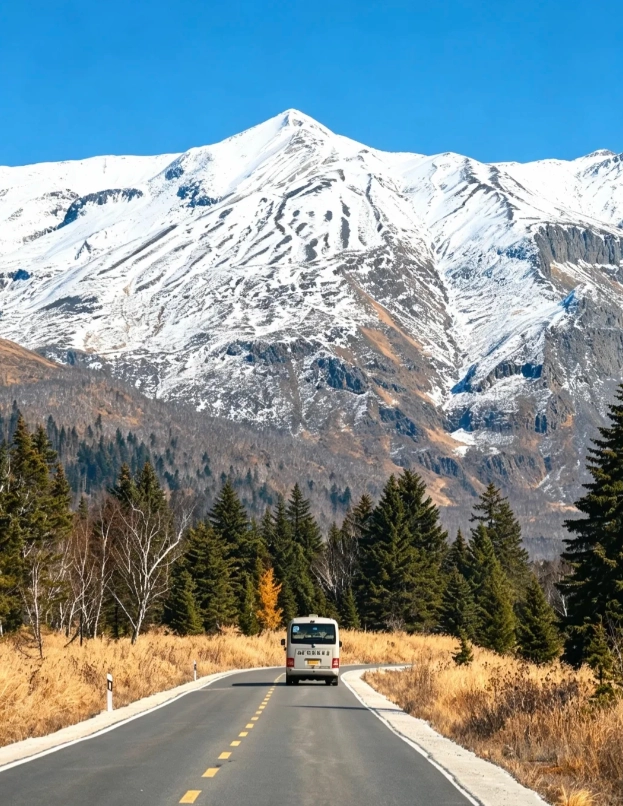
The Winter Layer System That Actually Works
Forget the single super-coat approach. Three thin layers outperform one thick one, every time, in a place where you move between -20°C and +24°C all day.
Base Layer: Ditch the Cotton
Merino wool in the 200 to 260 gsm range, or a quality synthetic, is the single most important purchase on this list. Cotton absorbs sweat and then holds it against your skin, which is the fastest route to being cold. Bring two or three sets. Merino resists odor well enough that you can wear a set twice, which cuts your luggage volume considerably.
Mid Layer: The Piece Most People Leave at Home
A fleece or a thin down sweater is the layer you will live in once you are indoors. This is the piece that makes the whole system work, and it is the one people forget because they assume the big coat does everything. In a heated restaurant you will be sitting in base layer plus mid layer, and you will look and feel completely normal.
Outer Shell: Wind Beats Waterproof
Go for a hooded down jacket in the 700 fill range with a wind-resistant face fabric, and prioritize one that reaches at least mid-thigh. A knee-length coat is dramatically better for rime ice photography and for the Changbai summit, because your thighs are the first thing to go numb when you stand still. Pit zips or a two-way front zipper are worth hunting for — they let you vent heat for thirty seconds without taking the coat off.
Boots, Socks and the Polished-Ice Problem
Buy boots for traction and fit, not for a temperature rating printed on a tag. Insulation is easy; staying upright is not. Two things matter more than anything else here:
- Detachable traction spikes that slip over your boots. These turn a lethal icy sidewalk into a normal walk. Pack them in checked luggage, not carry-on, since security may object to the metal points.
- Room to wiggle your toes. Boots that feel snug in a warm shop will cut circulation at -20°C. Size up half a size and add a felt insole, which costs a few RMB at any Chinese supermarket.
Socks: bring four or five pairs of merino wool. Never cotton. And do not double up on thick socks thinking it adds warmth — it usually just compresses your feet and makes them colder.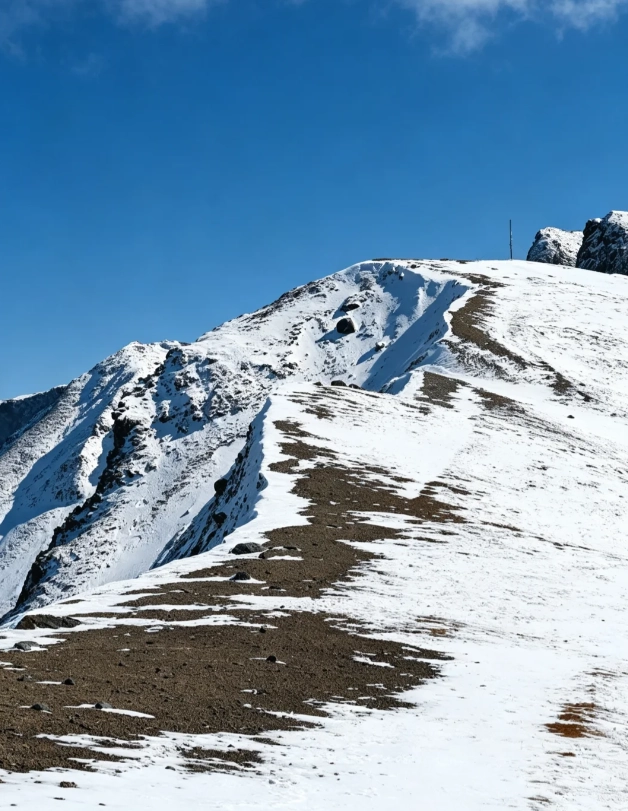
Hands, Head and Face: Where Frostbite Starts
Ears, fingertips, cheeks and nose lose heat fastest, and they are the parts people under-pack. A scarf is a poor substitute for a neck gaiter or balaclava, because it unwinds, slips, and leaves your cheeks exposed to wind.
- Thin liner gloves plus a pair of mittens. Mittens are warmer than gloves because your fingers share heat.
- A neck gaiter or balaclava that can be pulled over the nose on windy days.
- Wrap-around sunglasses. Snow glare at altitude is genuinely painful.
- Lip balm, heavy hand cream and eye drops. Dry cold plus indoor heating dehydrates skin fast.
- A pack of disposable face masks. They double as a windbreak for your cheeks and cost almost nothing at any convenience store.
How Do You Keep Phones, Cameras and Batteries Alive in the Cold?
Lithium batteries lose capacity fast below -10°C, and the fix is body heat, not a better device. A phone showing 40 percent will shut down mid-photo at -20°C. Keep it in an inner chest pocket, not an outer coat pocket, and keep your power bank there too.
The camera problem is different, and it is the one that ruins gear. Walking from -18°C outside into a +24°C hotel lobby causes instant condensation inside the lens and on the sensor. The solution costs about one RMB:
- Put the camera in a sealed ziplock bag before you step indoors.
- Let it sit sealed for 30 to 60 minutes while it warms to room temperature.
- Only then open the bag. No fogging, no sensor damage.
Insider Advice: Chinese civil aviation rules on power banks were tightened recently, and a valid CCC certification mark is now required for power banks carried on domestic flights. No-brand units bought from overseas marketplaces may be refused at security. Bring a recognizable brand, keep it in your carry-on, and confirm the current limit with your airline before you fly.
What to Pack for a Jilin Summer and Shoulder Season
Summer in Changchun and Jilin City is warm and humid, but Changbai Mountain at 2,000 meters stays cold enough to need a jacket in July. That single fact breaks more summer packing lists than anything else.
- A packable rain shell. Afternoon thunderstorms are common and arrive quickly.
- Quick-dry hiking trousers and a light fleece for the mountain sections.
- Insect repellent with DEET for the forest trails around Changbai Mountain.
- Sun protection — the altitude makes the UV stronger than the temperature suggests.
- Broken-in hiking shoes with ankle support for the stair routes.
September and October are the trickiest months. You can get 20°C at midday and close to freezing after dark, so the layer system from the winter section still applies — just with thinner pieces.
Gear I Tell People to Leave at Home
Roughly a third of what most people pack for a Jilin winter never gets used. These are the repeat offenders.
- Cotton jeans. They freeze, stay cold, and dry slowly. Wear them in the city if you like, but never on a mountain day.
- A heavy wool overcoat. Bulky, not windproof, and impossible to stuff into a daypack when you go indoors.
- A second and third pair of shoes. One pair of proper winter boots plus one pair of comfortable shoes for indoors is enough.
- An umbrella. Useless in horizontal wind-driven snow, and it will invert within a minute.
- Full-size toiletries. Hotels in Jilin reliably provide the basics, and liquids cost you luggage space.
- Your own skis or board. Unless you are staying a full week on the slopes, rental at Beidahu and the Changbai resorts is cheaper than the airline fee.
The Documents and Apps Checklist Before You Land
The digital side of a China trip fails or succeeds before you board, not after you arrive. Sort these at home, because several of them are painful to fix from inside the country.
| Item | Why It Matters in Jilin | Notes |
|---|---|---|
| Passport plus a photo of it | Required for hotel check-in, train travel and attraction booking | Hotels legally cannot check you in without the physical document |
| Entry permission or visa | Rules change frequently | Verify on the National Immigration Administration site before booking flights |
| Alipay or WeChat Pay linked to an international card | Many small shops and market stalls take no cash and no foreign cards | Set it up and test it before departure |
| AMap Global or Apple Maps | Google Maps is unreliable inside China | Save destinations as Chinese-character screenshots |
| VPN installed and tested | Needed for Google, Gmail and many Western apps | Install before you fly, not after |
| Offline translation pack | English is limited outside major hotels | Apple Translate or Baidu Translate with the offline package downloaded |
| Travel insurance with winter-sports cover | Ice falls and ski injuries are the two realistic risks | Confirm that skiing is not excluded |
I will be honest with you about one thing, because I deal with it every season: booking certain Changbai Mountain shuttles and some scenic-area tickets through Chinese-language mini-programs is a genuine headache, and it is a headache even for me. If you hit that wall, walk your phone to the hotel reception desk and ask the staff to complete the booking for you. They do it constantly, it takes two minutes, and it costs you nothing but a smile.
Where to Buy Winter Gear in Jilin If You Arrive Unprepared
Changchun is a genuinely good place to buy cold-weather gear, and plenty of travelers land in a light jacket and shop on day one. You will likely spend less than you would at home, and the clothing is cut for this climate rather than for a European winter.
- Ouya Mall in Changchun — an enormous shopping complex with dozens of clothing floors. Budget roughly 400 to 900 RMB for a decent down jacket, and 100 to 200 RMB for thermal underwear.
- Decathlon — reliable for base layers, gloves, fleece and traction spikes at fixed prices, with no haggling.
- Uniqlo — the easiest stop for heat-tech base layers in standard sizes.
- Any supermarket or convenience store — disposable hand warmers cost around 1 RMB each. Buy a pack of twenty. They are the cheapest comfort upgrade on this entire list.
Watch the sizing. A Chinese XXL sits closer to a Western L, and shoulder width is where the mismatch shows up first. Try before you buy, and do not assume the number on the tag translates.
At Beidahu and the Changbai resorts you can rent jackets, pants and boards on site. Quality varies by shop, and the fit is rarely flattering. My advice is to rent the bulky outerwear and bring your own gloves, goggles and a thin helmet liner, because those three items touch your skin and hygiene standards at rental counters are inconsistent.
Jilin Packing List FAQ
Do I need a -30°C expedition parka for a Jilin winter trip?
For Changchun and Jilin City, no — and buying one is the most common waste of money I see. A 700-fill hooded down jacket over a merino base layer and a fleece handles a normal January day comfortably, and it stays wearable in a heated restaurant. The expedition parka earns its price in exactly two situations: the Changbai Mountain summit area, and standing still for an hour at dawn photographing rime ice. If your itinerary skips both, put the difference into your boots instead.
Can I buy a proper winter coat after landing in Changchun instead of packing one?
Plenty of travelers do exactly this, and it often costs less than paying for an extra checked bag. Ouya Mall and Decathlon in Changchun cover everything from base layers to traction spikes in one afternoon. Two cautions: Chinese sizing runs small, so a Chinese XXL is closer to a Western L, and the first genuinely cold snap of the season can clear out the popular sizes in the cheaper stores. If you land in the middle of a cold spell, shop on day one rather than day three.
How do I stop my phone from dying while photographing rime ice at dawn?
Keep the phone in an inner chest pocket, not an outer coat pocket, and keep a power bank in the same place so both stay near body temperature. A phone showing 40 percent will shut down at -20°C, and no setting fixes that. For cameras, seal the body in a ziplock bag before you walk indoors and let it warm up for 30 to 60 minutes before opening the bag. That single habit prevents the lens fogging and sensor condensation that ends photography trips early.
Is Jilin safe for a solo traveler walking around at night in winter?
Street crime is not the thing to worry about here. Ice is. I have sent more people to a pharmacy for a sprained wrist than for anything else, and it always happens on a short walk between a restaurant and a taxi. Wear traction spikes after dark, take the lit main roads even if they are longer, and have your hotel write the address in Chinese on a card. Police emergency is 110 and ambulance is 120, and English-speaking hospital reception is not guaranteed, so carry a screenshot of your hotel address at all times.
What is the smartest packing strategy for a trip that mixes skiing and city sightseeing?
Treat them as two separate trips with two separate bags. Ski jackets, pants and boards rent fine at Beidahu and the Changbai resorts, so leave the bulky gear at home and rent on the mountain. Bring your own goggles, gloves and a thin helmet liner regardless, because those touch your face and hands and rental counters are inconsistent about cleaning them. Never wear ski boots into a city — the stiff soles are miserable on icy pavement and they will not fit in a taxi footwell.
Verified and fact-checked by the editorial team to ensure informational precision.



No comments yet.