 Yan Zhou
Sea fog killed my Monday. Then it killed my client's drone shot.
That was Qingdao, third week of April, and I had been careless enough to book the coastal day first. I have run spring trips across Shandong for years now, and the province still punishes anyone who treats spring as a single season. It isn't one. It's a five-week window with completely different weather at each end of it.
So these Shandong spring travel tips are the ones I hand clients before they board the train — which city to base in, which tickets swallow your passport number, how to book rail seats without a Chinese ID, and the two dates on the calendar that will wreck your trip if you ignore them.
Here's the conclusion first, because it's the part that matters: aim for the last week of April, start inland in Jinan, finish on the Qingdao coast, and never put Mount Tai on a weekend or a public holiday. Book rail seats roughly two weeks out. Pack for a fifteen-degree swing inside a single day. And assume fog will eat one morning of photography no matter what you plan.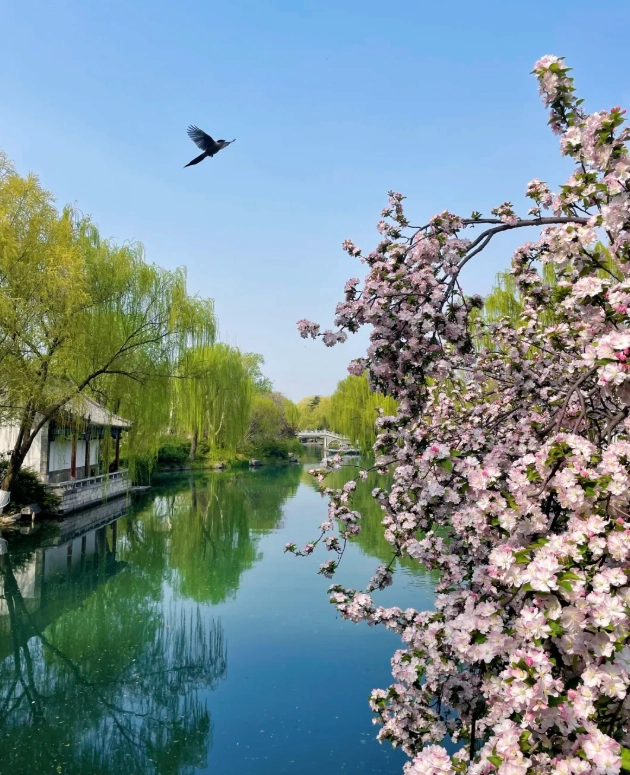
That's the short version. Here's the rest.
What's Inside — Skip to What You Need
What Makes Shandong Spring Travel Different From the Rest of China
Shandong crams three climates into one province. The coast behaves like cold sea — maritime, damp, slow to warm up. Jinan sits in a basin ringed by hills, so it heats fast and cools fast. The inland plains around Heze and Weifang warm earliest of all. Two cities three hours apart can feel like two different months.
I learned this on a mid-April run: 22°C and sunny in Jinan at lunchtime, then 11°C with a wet wind the next morning in Qingdao. Half my group had packed for the first city and spent the coastal days borrowing jackets. Layers aren't a cliché here. They're the whole strategy.
The Jinan Spring Myth Nobody Corrects
Baotu Spring is at its most dramatic in autumn, not spring. I know that contradicts nearly every spring guide written about Jinan, so let me explain. The springs are karst-fed, which means the underground water has to refill after the summer rains. In April you'll usually see them running, sometimes well, but the roaring multi-jet gush that appears in all the photos is a September and October event.
Does that mean skip Jinan? No. Go anyway, just recalibrate. Treat Baotu Spring Park and the Black Tiger Spring stretch as an easy two-hour city walk rather than the peak of your trip, and put your real energy into the blossoms and the food. If seeing the springs at full pressure is genuinely your reason for flying to Shandong, book for early autumn instead and thank me later.
Sea Fog Is Qingdao's Real Spring Weather
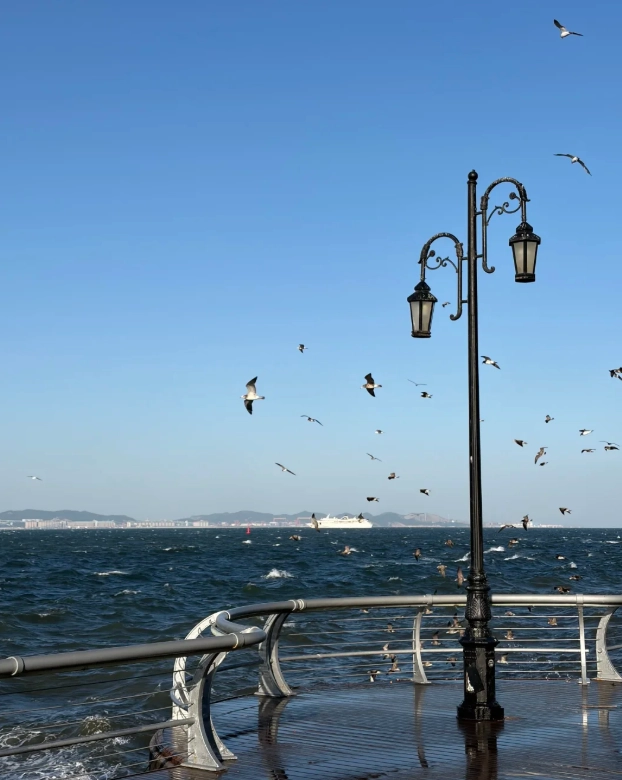
Qingdao's fog season runs roughly April through July, and it does not lift on your schedule. Locals call it hai wu, sea fog, and it rolls in overnight, sits thick and cold through the morning, then burns off somewhere between late morning and early afternoon. On a bad day it never lifts at all.
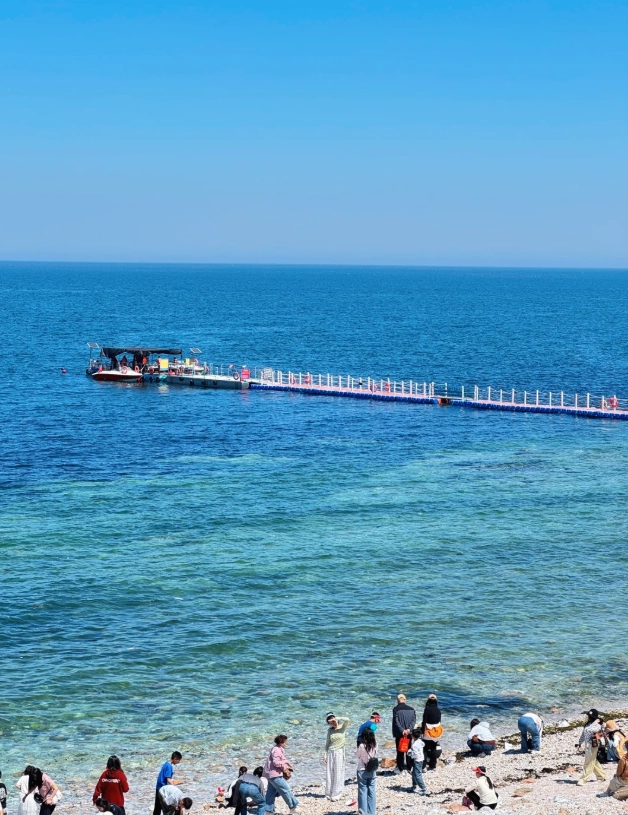
Practically, that means you should never book your coastal viewpoints for the morning. I put the old town, St. Michael's Cathedral and the Tsingtao Brewery Museum on Dengzhou Road into the fog window, then send people up Signal Hill Park or Little Fish Hill in the afternoon when the red roofs actually appear. Same day, same city, completely different photos.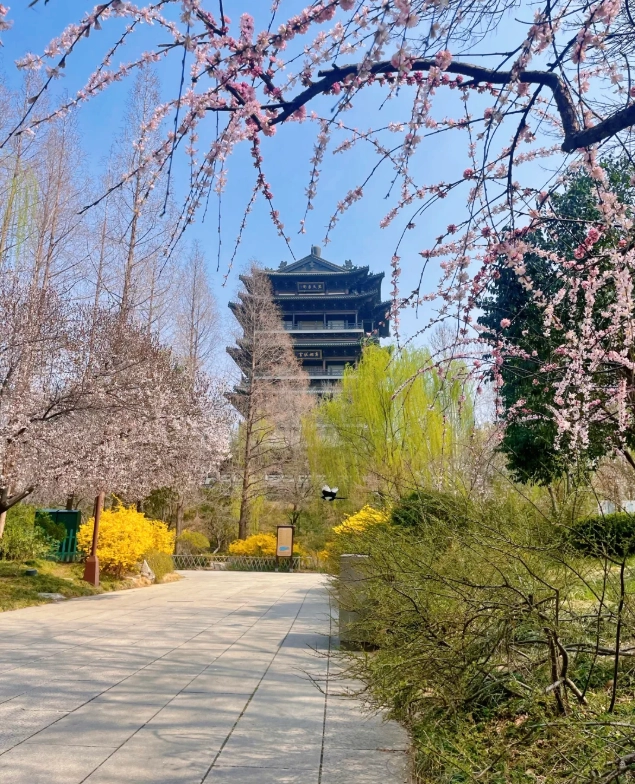
Pro Tip: I once stood on Signal Hill at 7 a.m. in mid-April and photographed nothing but milk for ninety minutes. The client was not impressed. If you only have one clear day in Qingdao, watch the evening forecast and swap your two days around. Flexibility beats a perfect itinerary here.
When Exactly Should You Go? A Month-by-Month Read for Shandong Spring Travel
Spring technically starts in March. The useful part starts in April. Here's how the season actually behaves, based on the trips I run and the complaints I hear afterward.
| Window | Typical Daytime Range | Crowds | What's Happening | My Read |
|---|---|---|---|---|
| Early to mid March | 5–15°C | Low | Bare trees, early plum and apricot blossom, cheapest hotel rates of the season | Fine for cities, too early for the coast |
| Late March to Qingming | 8–18°C | High | Qingming Festival holiday, families travelling, blossom season kicks off | Avoid the holiday itself; the week after it is excellent |
| Mid to late April | 10–22°C | Medium | Qingdao cherry blossoms, Heze peonies, Weifang kite festival | The sweet spot. Book rail seats early |
| May 1–5 | 14–25°C | Extreme | Labour Day holiday, the busiest domestic travel window of the Chinese year | Skip it, or hide in a small town |
| Mid to late May | 16–27°C | Medium | Warm coast, peony season ending, sea fog at its thickest | Great for Laoshan hiking, poor for coastal views |
Those ranges are rough provincial averages. The coast runs cooler and windier than the inland cities in every one of these windows.
Three Dates to Avoid and One to Chase
Skip Qingming weekend, skip May 1 to 5, and skip any Saturday on Mount Tai. Qingming is a three-day tomb-sweeping holiday in early April when half the country visits family graves and the other half visits scenic spots. May Day is worse — rail seats between Jinan and Qingdao can vanish within minutes of release, and hotel prices double without warning.
The date to chase is the second and third week of April. Blossoms peak, the crowds go back to work, rates drop after the holiday spike, and the fog hasn't thickened to its May levels yet. If you can only pick one ten-day window for a Shandong spring trip, that's the one.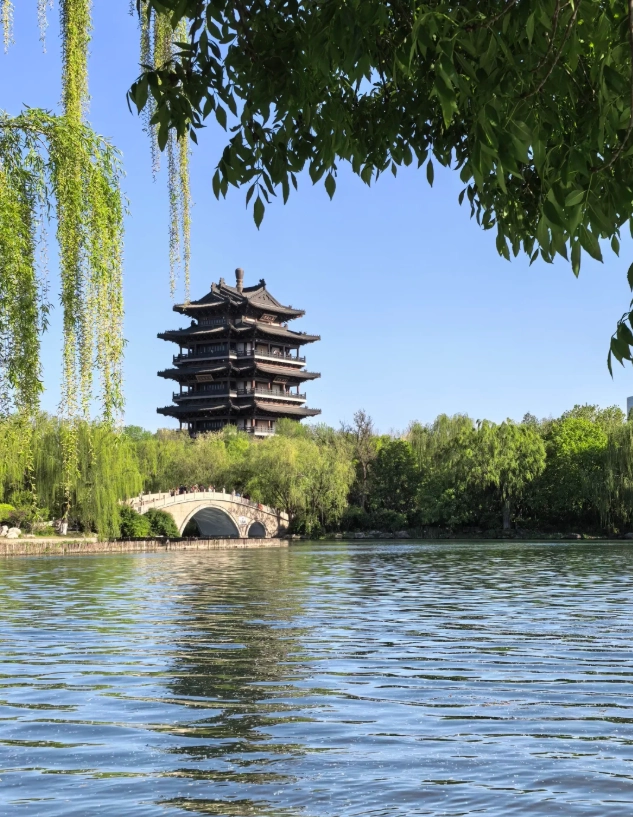
How to Build a Shandong Spring Itinerary That Doesn't Exhaust You
Most plans I see online squeeze Jinan, Tai'an, Qufu, Qingdao and Yantai into five days. People come home wrecked and remember train stations. The rail is fast, but the stations sit well outside the cities, and that dead time is what kills a trip.
The 7-Day Loop I Actually Run
Two nights Jinan, one night Tai'an, one night Qufu, three nights Qingdao. That's the spine. Here's how the days break down, and where I pad the schedule on purpose.
- Day 1 — Jinan arrival. Bags down, then Baotu Spring Park in the late afternoon when the tour groups thin out. Walk to Daming Lake for sunset; it's free and the light on the water is the best in the city. Dinner on Kuanhouli Alley, not Furong Street. Furong Street is a photo op. Kuanhouli is where the food is actually good.
- Day 2 — Jinan, slow morning. Qianfo Mountain if the weather is clear, Shandong Museum if it isn't. The museum is free, wants a reservation, and closes on Mondays. Afternoon train to Tai'an, roughly twenty minutes from Jinan West. Sleep at the foot of the mountain so you're not commuting at dawn.
- Day 3 — Mount Tai. Start early, take the mountain bus up to the mid-mountain cable car, walk the final stretch, and come down on your own legs if your knees allow it. The steps are steep and the polished stone gets slick after rain. This is a full day, not a half day.
- Day 4 — Qufu. Morning train to Qufu East, then the Temple of Confucius, the Kong Family Mansion and the Cemetery of Confucius. This is the UNESCO-listed trio and it deserves a full afternoon. Stay overnight — the town empties when the day-trippers leave and it becomes genuinely peaceful.
- Day 5 — Qingdao. Train east, then a slow afternoon in the old town: Zhanqiao Pier, St. Michael's Cathedral, the hills above. Nothing ambitious. Travel days need padding.
- Day 6 — Qingdao coast. Badaguan's villa streets and the seaside walk in the afternoon, Signal Hill Park for sunset. If it's cherry week, do Zhongshan Park early before the local crowds arrive.
- Day 7 — Laoshan or a slow finish. Laoshan is a full-day hike with sea views and Taoist temples. If your legs are done, do the Tsingtao Brewery Museum and the beer street instead, then fly out.
Both Mount Tai and Qufu's Confucian complex carry UNESCO World Heritage listing, which explains the ticket prices, the reservation requirements and the sheer volume of domestic tourists on any given weekend.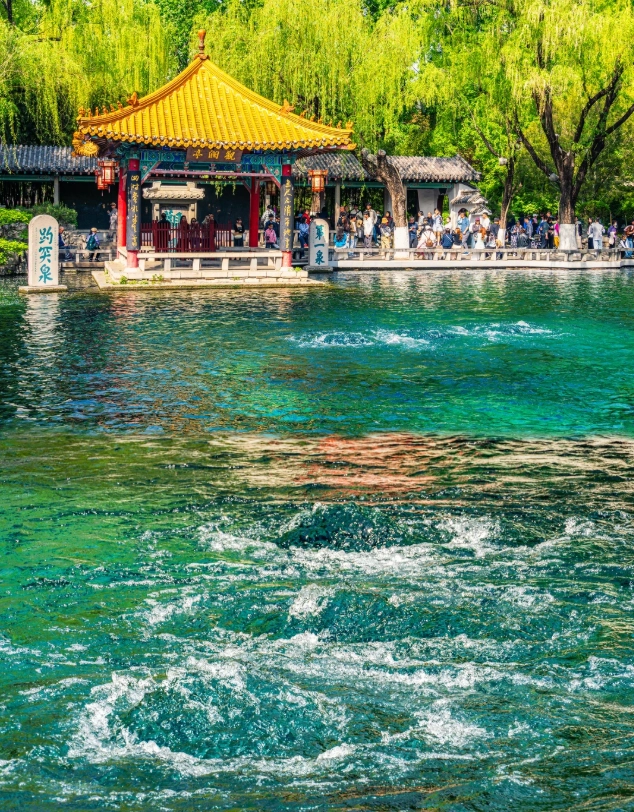
The Two-Base Alternative for Slow Travelers
If you hate repacking, base yourself in Jinan and Qingdao only. Jinan to Tai'an is short enough for a long day trip if you start early and accept a tiring finish. Qufu is technically doable as a day trip from Jinan, but I don't recommend it — you'll spend more time in station concourses than inside the temple courtyards, and the atmosphere that makes Qufu worth the trip only shows up after the buses leave.
Rain Plan B: What Spring Actually Does to Your Schedule
Spring rain in Shandong is usually a one- or two-day event, not a washed-out week. That's good news, because it means waiting it out in a city is a real strategy rather than a fantasy. The indoor options I actually rate:
- Shandong Museum in Jinan — free, reservation required, closed Mondays, and the Han dynasty gallery alone justifies the detour
- Tsingtao Brewery Museum on Dengzhou Road in Qingdao — the original brewery site, and the tasting at the end is included in the entry price
- The covered snack lanes around Pichai Yuan in Qingdao — touristy on the main lane, noticeably better one street over
- The Confucius Temple complex in Qufu — mostly roofed, and rain keeps the tour groups away
Shandong Spring Travel by Rail: Hops, Times and the Station Trap
High-speed rail is the reason this itinerary works at all. These are the hops you'll actually use.
| Route | Fastest Journey | Stations to Use | My Note |
|---|---|---|---|
| Jinan to Tai'an | 20–25 min | Jinan West to Tai'an HSR station | The HSR station sits on the west edge of town; budget another 20–30 minutes to reach the Red Gate trailhead |
| Jinan to Qufu | 35–45 min | Jinan West to Qufu East | Qufu East is roughly 15 km east of the Confucian sites; taxi or local shuttle from the exit |
| Jinan to Qingdao | 1 h 40 min to 2 h 30 min | Jinan East or Jinan station to Qingdao | Check which Jinan station your train leaves from. This one catches everybody |
| Qingdao to Weifang | 30–50 min | Qingdao North to Weifang North | Easy half-day add-on for the kite festival |
| Qingdao to Yantai | 1 h 20 min to 2 h | Qingdao North to Yantai | Push on to Weihai if you want a quieter coastline |
Journey times are approximate and vary by service type. Confirm times, seats and station names on the operator's own booking system before you commit to a plan.
The Station Trap That Costs Foreign Travelers an Hour
Shandong's cities have multiple high-speed stations and they are not interchangeable. Jinan West serves the Beijing–Shanghai corridor toward Tai'an and Qufu. Jinan East and the older Jinan station serve the line toward Qingdao. Book the wrong one and you're crossing a city at rush hour with luggage.
Qingdao is worse. Qingdao station sits in the old town, which is exactly where you want to be. Qingdao North is a metro ride away and manageable. Qingdao West is across the bay in Huangdao — a long, expensive taxi from anything worth seeing. I've had clients book into Qingdao West because it looked twenty minutes faster on paper, then spend ninety minutes getting to their hotel.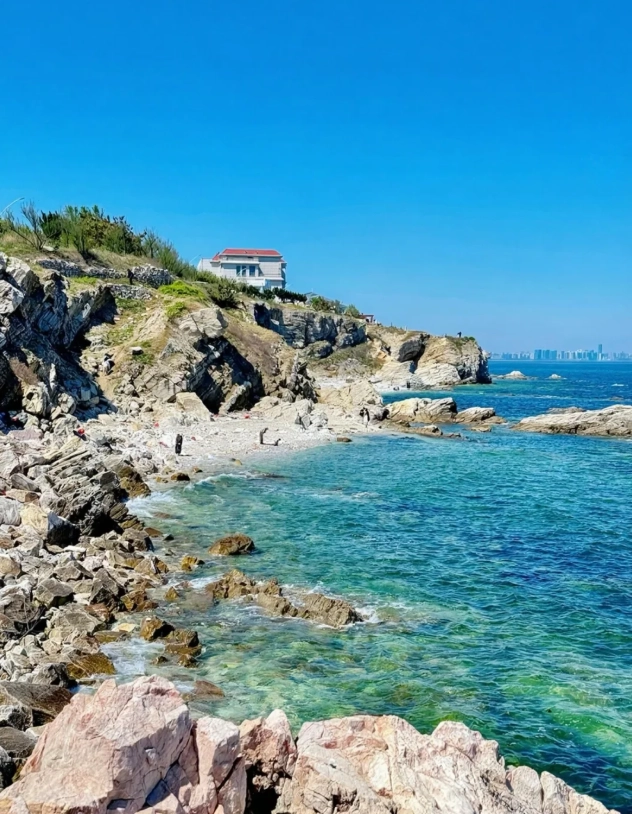
Pro Tip: Screenshot your train number, departure time and station name in Chinese characters before you leave the hotel. Showing that screen to a taxi driver solves most station confusion. English station names on your phone will not help you at a gate in Tai'an.
Spring Blossom Stops Most Shandong Travelers Miss
Everyone flies to Japan for cherry blossoms and skips this province entirely. Their loss, honestly.
Qingdao's Cherry Blossom Week
Zhongshan Park's cherry blossom avenue usually peaks in the first half of April, and entry is free. The exact week shifts with the weather, so ask at your hotel rather than trusting an old blog post. Weekends are genuinely packed — I've queued behind what felt like the entire city. Go at opening time on a weekday, shoot the avenue from the lower end looking uphill, and be out before the crowds arrive.
Heze Peonies — China's Actual Peony Capital
Heze grows the peonies that appear in every Chinese peony painting, and the season runs roughly mid-April into early May. Caozhou Peony Garden is the headline site, and in a good year it's overwhelming in the best way. What surprises people is how few foreign visitors make it out here — English signage is thin and staff rarely speak it.
Prepare accordingly. Have your hotel name and the garden's name written in Chinese on your phone. Book through a platform that handles foreign passports instead of trying to decipher a local mini-program at the gate.
Weifang's Kite Festival
Weifang calls itself the world kite capital and holds its international kite festival in April. The dates move year to year, so confirm locally before you build a whole trip around it. Outside festival week the kite museum and the workshops still fill a worthwhile half day. Weifang sits on the rail line between Jinan and Qingdao, which makes it an add-on rather than a detour.
How Do You Book Shandong Tickets Without a Chinese Phone Number?
This is the part that breaks people, and it has nothing to do with the sights. Nearly every major attraction in China now runs on real-name, timed reservations, and those systems usually live inside a WeChat mini-program written entirely in Chinese. Even I find some of them tedious.
You have three routes. Booking platforms aimed at foreign visitors are the easiest. Hotel front desks can usually book on your behalf if you hand over your passport and ask nicely. Official channels work too — they're just far less forgiving when something goes wrong.
Mount Tai Reservations
Mount Tai uses a timed, real-name reservation in peak season, and your passport is the ID. In April, walk-up tickets can be gone by mid-morning on a busy day, and I've watched would-be hikers get turned around at the Red Gate because they assumed they could just buy at the window.
Book a day or two ahead through an English-language platform and keep the confirmation screenshot. Bring the physical passport — a photo on your phone is not accepted at the gate. And remember the cable car and the mountain bus are separate purchases from the entry ticket, so budget for both.
High-Speed Rail on 12306
China Railway's official booking site, 12306.cn is the cheapest way to book and it does have an English version. You'll need your passport number, and seats are released on a rolling window of roughly two weeks before departure, which is exactly why May Day seats disappear so fast. Third-party platforms charge a small service fee but are far more forgiving when you need to change a date or a station.
One detail that trips up almost everyone: your passport is your ticket. There's no paper ticket to lose. You scan the passport at the gate, so keep it in your pocket rather than in your suitcase in the luggage rack.
What to Eat in Shandong in Spring
Lu cuisine is one of China's eight great traditions, and spring is when it finally stops being heavy. The seasonal ingredients are green, bitter and tender — Chinese toon sprouts, shepherd's purse, spring bamboo, and the first mackerel off the Yellow Sea.
The Qingdao Mackerel Ritual
April and May are mackerel season in Qingdao, and local custom says a son-in-law delivers a fresh mackerel to his wife's parents. The dumplings made from it — minced mackerel with a little pork fat and chives — are the best thing I eat in this province all spring. On the menu they appear as bayu jiaozi. Ask for them boiled or steamed rather than pan-fried; the fried version buries the fish under oil.
Jinan's Breakfast Trap
Order tianmo and don't be fooled by the name — it translates as "sweet foam" but it's a savoury millet porridge with peanuts, vermicelli and a peppery kick. Pair it with youxuan, a flaky scallion spiral pastry, and you've got the local breakfast for pocket change. Both are served before 9 a.m. and both are worth getting up for.
For something heavier, look for bazhi rou — braised pork belly over rice, served in tiny shops with no English menu. Point at whatever the person ahead of you is eating. It works every time.
Insider Advice: The Chinese review app Dianping is entirely in Chinese, but the photos and star ratings are readable without a word of the language. Filter for places with recent photos and a high rating, then show the address in Chinese to your taxi driver. That's how I find lunch in every city in Shandong.
Money, Apps and Packing for a Shandong Spring Trip
Set Up Payments Before You Fly
Link your international card to Alipay or WeChat Pay before you leave home, and treat cash as a backup rather than a plan. Shandong is close to cashless. Street stalls, temple ticket windows and taxis frequently cannot process a foreign physical credit card at all — the terminal simply doesn't recognise it. Keep a few hundred yuan in small notes for the rare exception, and expect to be asked for mobile payment almost everywhere.
- Navigation: Google Maps is unreliable in mainland China. Apple Maps works and is in English, and Amap is more accurate if you can tolerate a Chinese interface. For rides, DiDi runs through the Alipay mini-program with an English mode.
- VPN: Install and test it before you arrive, not after. Google, Gmail, WhatsApp and Instagram all need it, and the app stores in China won't let you download a new one.
- Translation: Download offline Chinese in Apple Translate or Baidu Translate. Camera-based menu translation is the single most useful feature on your phone here.
- Visa and entry rules: Transit and visa-free policies change often. Check the National Immigration Administration for the current published rules rather than a forum post from last year.
What Goes in the Bag
- A light down jacket or a warm mid-layer. The Mount Tai summit is dramatically colder than the town below, and the wind up there is not a joke.
- A windproof shell. Coastal Qingdao in April is windy in a way that makes 15°C feel like 8°C.
- Allergy medication if you're sensitive to pollen. April in Shandong is beautiful and absolutely brutal for hay fever.
- Shoes with actual grip. Mount Tai's stone steps are polished smooth by millions of feet and get slick when wet.
- A power bank. You'll be scanning QR codes, translating menus and showing addresses all day, and your battery will not survive it.
Shandong Spring Travel: Questions I Get Every April
I have five days. Should I stay in one city or move around?
Move, but only three times. Jinan for two nights, Tai'an for one, Qingdao for two is the tightest version that still feels like a holiday. The mistake I see most often is adding Yantai or Weihai to a five-day trip — you'll lose a full day in transit for a coastline that Qingdao already gives you.
Can I catch the Mount Tai sunrise in April without sleeping on the summit?
Technically yes, practically it hurts. Sunrise lands shortly after 5 a.m. in mid-April, and the climb from the Red Gate takes most people four to six hours. Sleeping at the foot and starting at midnight means arriving exhausted and frozen, and the summit runs several degrees colder than the town. If sunrise matters to you, sleep at the mid-mountain or near the top and take the cable car up the day before. Otherwise skip it and climb in daylight — the views are just as good and you'll actually enjoy them.
Qingdao was fogged in when I visited last time. How do I avoid that?
You can't dodge it completely between April and July, so plan around it instead. Coastal viewpoints in the afternoon, old town and museums in the morning. If you only have two days in Qingdao, don't pre-book a rigid schedule — keep the days flexible and swap them based on the evening forecast. Fog burns off more often than people expect, usually somewhere between late morning and early afternoon.
Do I need a Chinese phone number for a Shandong spring trip?
No, but you'll work harder without one. Hotel Wi-Fi plus a data eSIM covers almost everything, and the big booking platforms handle reservations without a local number. What you'll miss are the WeChat mini-programs locals use for restaurant queues and small attraction tickets. The workaround I give clients: hand your phone to the hotel front desk with the page open and ask them to help. Reception staff in Jinan and Qingdao do this constantly and it takes them two minutes.
What if the weather ruins the trip or someone gets sick?
Shandong's spring weather rarely ruins more than a day at a time, so the fix is usually a flexible plan rather than a cancelled trip. For medical issues, Jinan and Qingdao both have large hospitals with international departments, and Qingdao has foreigner-oriented clinics. Pharmacies sit on nearly every block and staff are used to customers pointing at boxes or showing a translated symptom on a phone screen. Buy travel insurance that covers domestic hospital visits before you fly — paying out of pocket is possible, but the paperwork is a headache you don't want on holiday.
Verified and fact-checked by the editorial team.

No comments yet.