 Qiang Huang
Quick Lookup
- What Exactly Is Three Lanes and Seven Alleys?
- Map Breakdown: Lanes, Alleys & Must-See Spots
- How to Get There (And Which Entrance to Use)
- Ticket Prices, Opening Hours & Booking for Foreigners
- My Recommended Walking Route (With Time Estimates)
- Hidden Gems Most Tourists Miss
- Payment, VPN & Navigation: What Actually Works
- Frequently Asked Questions
I still remember the first time I brought a group here. Three blocks in, half of them had vanished into souvenir shops, and the other half were arguing over which direction was "south." That's when you realize: a map of Three Lanes and Seven Alleys isn't just helpful—it's survival gear. This guide is the one I wish I'd had back then. I'll walk you through every alley, every ticket trick, and the exact spots where your phone battery will die (and how to prevent it).
Stick with me. By the end, you'll navigate this 40-acre maze like a local—and maybe even find a quiet corner where the only sound is the dripping of rain from ancient eaves.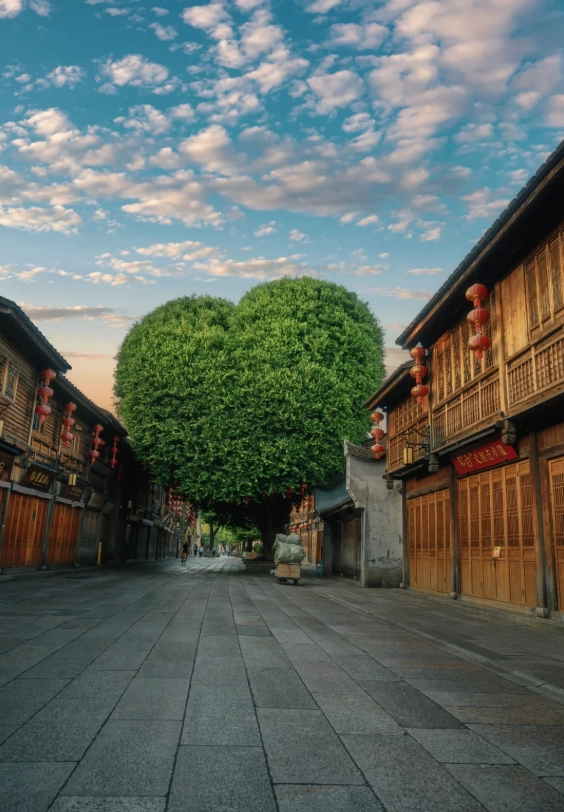
What Exactly Is Three Lanes and Seven Alleys?
Three Lanes and Seven Alleys (三坊七巷) is the best-preserved ancient neighborhood in China's southeastern city of Fuzhou. Think narrow cobblestone lanes, whitewashed walls, and courtyards that date back to the Ming and Qing dynasties. It's not a single street but a grid of three north-south lanes (Yijin Lane, Wenru Lane, Guanglu Lane) and seven east-west alleys (Yangqiao Alley, Langguan Alley, Ta Tower Alley, Huang Alley, Anmin Alley, Gong Alley, Jibi Alley). The whole area forms a giant chessboard.
The trick is that most tourists only walk the main drag—Nanhou Street—which is essentially the central spine. But the real magic is off that spine, in the quieter lanes where you can still see old ladies making fish balls or hear the click of mahjong tiles. I always tell my groups: if you only walk Nanhou Street, you've seen the stage but missed the play.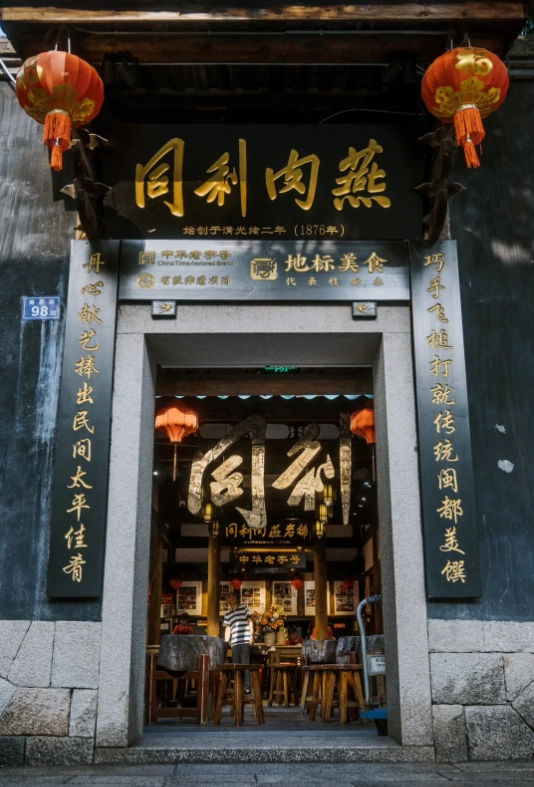
Map Breakdown: Lanes, Alleys & Must-See Spots
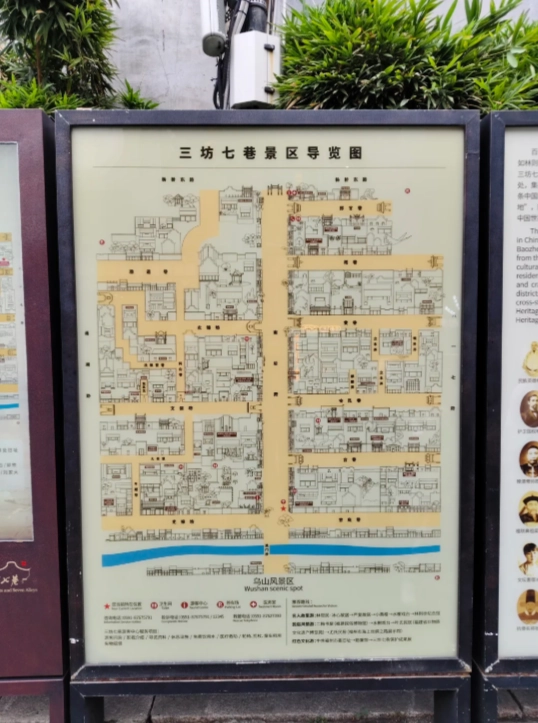
Let me give you a mental map. Imagine a rectangle. The southern border is Bayiqi North Road (八一七北路), the northern border is Yangqiao East Road (杨桥东路). Nanhou Street runs right through the middle. The three lanes are on the west side of Nanhou Street; the seven alleys are on the east side. Yes, it's asymmetric—that's part of the historical charm.
Here are the highlights you absolutely need to mark on your phone map (I use Apple Maps, by the way—Google Maps is a disaster inside China). I've listed them with their Chinese names so you can show them to a taxi driver:
| Feature | Name | Chinese Characters | Why Visit |
|---|---|---|---|
| Main Lane (West) | Yijin Lane | 衣锦坊 | Best preserved lane; home to the Water Pavilion Stage |
| Main Lane (Center) | Wenru Lane | 文儒坊 | Former residences of scholars, quieter |
| Main Lane (North) | Guanglu Lane | 光禄坊 | Famous for the Fushan Stone inscriptions |
| Alley (South) | Yangqiao Alley | 杨桥巷 | Now a modern road; only a small historic section remains |
| Alley (Historic) | Langguan Alley | 郎官巷 | Contains the former residence of Yan Fu, a famous translator |
| Alley (Center) | Ta Tower Alley | 塔巷 | Narrowest alley; has a small pagoda at the end |
| Alley (Hidden) | Huang Alley | 黄巷 | My favorite—very few tourists, beautiful old trees |
Pro tip: The alleys on the east side (like Huang Alley and Anmin Alley) are much less crowded than the lanes on the west. If you want a quiet afternoon tea, head to Huang Alley.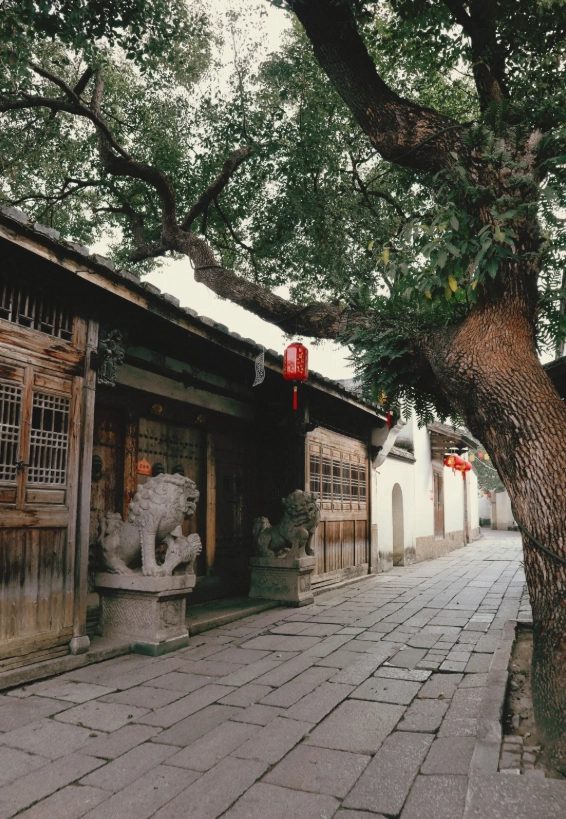
How to Get There (And Which Entrance to Use)
The main entrance is at the south end, near Bayiqi North Road. But here's the insider secret: don't start there. That's where every tour bus drops people off. Instead, take a taxi or DiDi to the north entrance on Yangqiao East Road. You'll enter near Guanglu Lane and walk south, against the crowd flow. This simple change saved me at least 40 minutes of shuffling behind selfie sticks.
If you're taking the subway (Fuzhou Metro Line 1), get off at Dongjiekou Station (东街口), Exit B. You'll pop out right on Nanhou Street, about halfway down. That's fine, but then start by going west into Yijin Lane first. Avoid the central Nanhou Street until the end.
Address for DiDi: 三坊七巷 (South Entrance: 八一七北路; North Entrance: 杨桥东路). Show this to your driver.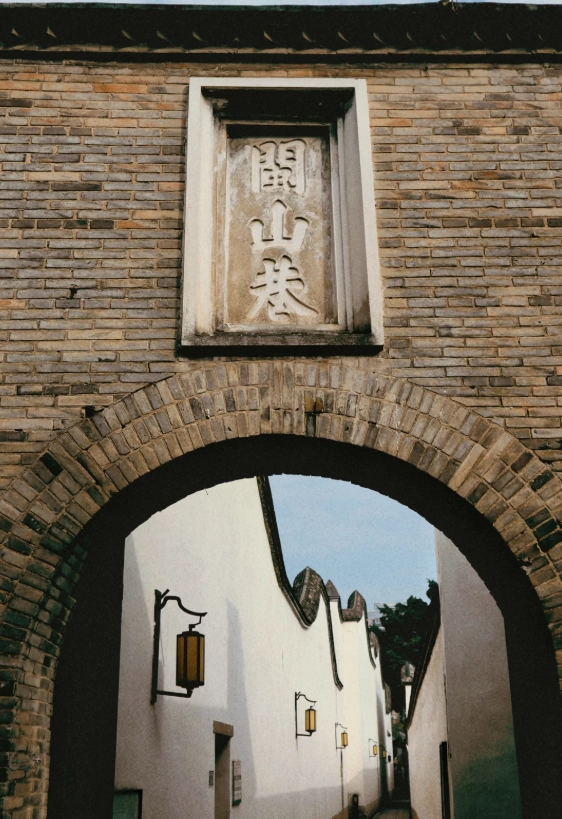
Ticket Prices, Opening Hours & Booking for Foreigners
Great news: the lanes and alleys themselves are free. You only need tickets for the individual historic houses that have been turned into museums. The most popular ones are the former residences of Lin Zexu, Yan Fu, and Bing Xin. Here's the breakdown:
| Attraction | Ticket Price (Adult) | Opening Hours | Notes |
|---|---|---|---|
| Lin Zexu Memorial Hall | 30 RMB | 08:30 - 17:00 (last entry 16:30) | Requires reservation often; buy on Trip.com with passport |
| Yan Fu Residence | 20 RMB | 09:00 - 17:00 | Usually no reservation needed, but bring passport |
| Bing Xin & Lin Juemin Home | 15 RMB | 09:00 - 17:00 | Small and often overlooked; good for a quick visit |
| Water Pavilion Stage | 10 RMB | 09:00 - 16:30 | Free on weekdays sometimes; check at entrance |
Now, the hassle: most ticket booths expect you to scan a QR code and book via WeChat mini-program. But if you don't have WeChat Pay set up, you can buy tickets in cash at the window (yes, cash works here, unlike many other attractions). I always bring 100 RMB in small bills just for this. Alternatively, use Trip.com or Klook—they sell combo tickets that skip the line. Just search "Three Lanes and Seven Alleys combo ticket."
For opening hours, note that the outdoor lanes are open 24/7, but shops start closing around 21:00. The best time to visit for photos is right after sunrise (around 07:00) before the crowds pour in. I once shot a wedding here at 06:30—I had the whole lane to myself.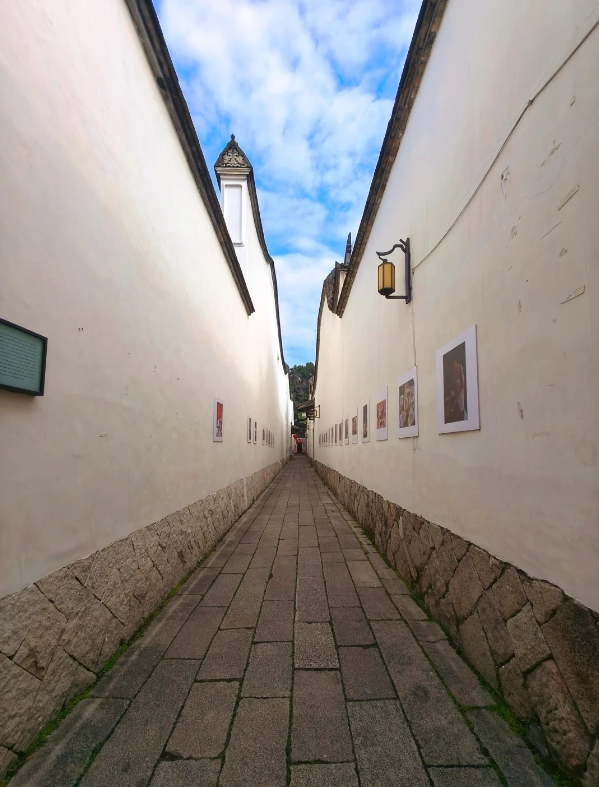
My Recommended Walking Route (With Time Estimates)
Assuming you have 3-4 hours (which is the sweet spot), here's the route I use for my private groups. We start at the north entrance and zigzag south.
1. Start at Yangqiao East Road North Gate (10 min)
Enter near the intersection of Yangqiao East Road and Nanhou Street. Immediately turn left into Guanglu Lane. This lane is wide and sunny in the morning. Look for the Fushan Stone—a massive rock with ancient carvings.
2. Weave through Wenru Lane (30 min)
Exit Guanglu Lane back to Nanhou Street, cross, and enter Wenru Lane. This is my favorite for architecture. The doorways have intricate brick carvings. Pause at the Wenru Lane Memorial Hall (free).
3. Cut to Yijin Lane (20 min)
From Wenru, take a shortcut through a tiny passage—ask a local for "Yijin Lane exit." You'll pop out at the Water Pavilion Stage. If there's a performance (usually at 10:00 and 15:00), stop and listen.
4. Walk South on Nanhou Street (40 min)
Now you're on the main drag. Sample street food: fish balls (鱼丸) and meat swallow soup (肉燕). I always grab a skewer of sugar-coated hawthorn from the old man near Ta Tower Alley. Don't buy the sealed boxes of snacks—they're overpriced.
5. Explore Ta Tower Alley and Langguan Alley (30 min)
On the east side, enter Ta Tower Alley. At the end, look up—you'll see a tiny pagoda tucked between buildings. Then backtrack a bit and go into Langguan Alley to visit Yan Fu's residence.
6. Finish with Huang Alley and Anmin Alley (20 min)
These two alleys at the southeast corner are the quietest. Huang Alley has a beautiful banyan tree that's over 200 years old. Sit on a stone bench and just breathe. Anmin Alley has a few artisan workshops where you can see lacquerware being made.
Total time: about 3 hours without lingering. Add 1 hour if you eat or shop. If you only have 1 hour (I see you, layover travelers), just walk Nanhou Street from north to south and dip into one alley—make it Langguan Alley.
Hidden Gems Most Tourists Miss
I've been guiding here for years, and I still discover new nooks. Here are three spots that rarely appear on online maps:
- The Rooftop Tea House. At 21 Nanhou Street, there's a souvenir shop with a narrow staircase. Go up two floors—there's a small tea house with a balcony overlooking the rooftops. No English menu, but just point at a tea jar. The view at sunset is unreal.
- The Underground Air Raid Shelter. Under the intersection of Nanhou Street and Anmin Alley, there's a decommissioned shelter now used as a cultural exhibition space. It's cool inside even on hot days, and often empty. Ask a shopkeeper for "the basement"—they'll point you.
- The Calligraphy Corner. In Wenru Lane, around the middle, there's a courtyard where an old man practices calligraphy on the ground with water every morning until 10:00. He lets you try if you show interest. No charge, but a small donation of 5-10 RMB is appreciated.
Payment, VPN & Navigation: What Actually Works
Let's talk about the elephant in the room: China's internet. Google Maps is blocked and shows positions with a big offset. Use Apple Maps instead—it uses local data and is fairly accurate inside China. For ride-hailing, download DiDi (it has an English version) and link your international credit card. But DiDi's English map is sometimes wonky; I keep a screenshot of the Chinese address ready.
You'll need a VPN before you arrive. I personally use ExpressVPN or Astrill—they work on both phone and laptop. Without a VPN, you can't access Google, Instagram, or WhatsApp. At the Three Lanes and Seven Alleys, free Wi-Fi is available at the tourist center on Nanhou Street (near the south entrance), but it's slow. Most cafes have Wi-Fi, but you'll need to ask for the password.
For payments, Alipay is king. Connect your foreign card to Alipay (the app now supports Visa and Mastercard). WeChat Pay also works but is less foreigner-friendly. Almost every shop here accepts Alipay. Cash works at larger stores and the ticket office, but smaller stalls may not have change. I always carry 200 RMB in small notes just in case.
Translation: I use Apple Translate's camera mode for menus. It's not perfect, but it gets the job done. The locals are friendly—if you look lost, a shopkeeper might walk you to where you need to go.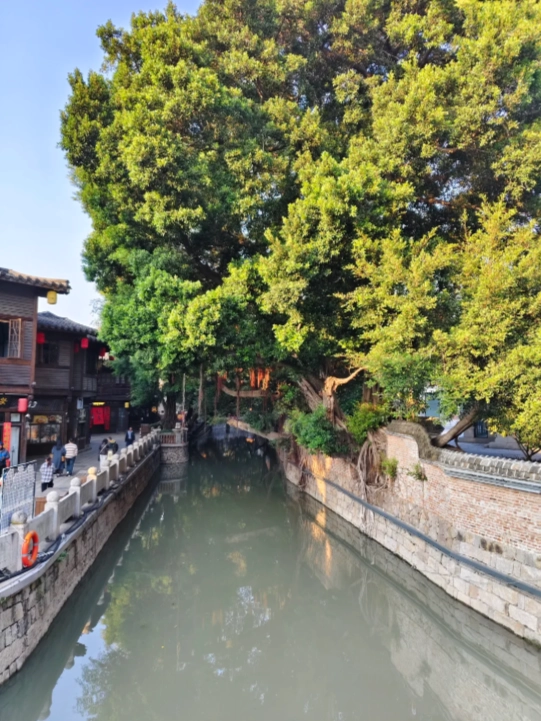
Frequently Asked Questions
Verified and fact-checked by the editorial team. This content has been fact-checked to ensure informational precision.






No comments yet.