 Fang Wang
What's Inside
I've dragged cameras up Yantai Mountain at least 30 times with clients from all over the world. And the same thing happens every time: they pull out their phones at noon, the light is harsh, and they wonder why their shots look flat. So let me save you that mistake. Here's exactly where to stand, when to click, and what to ignore.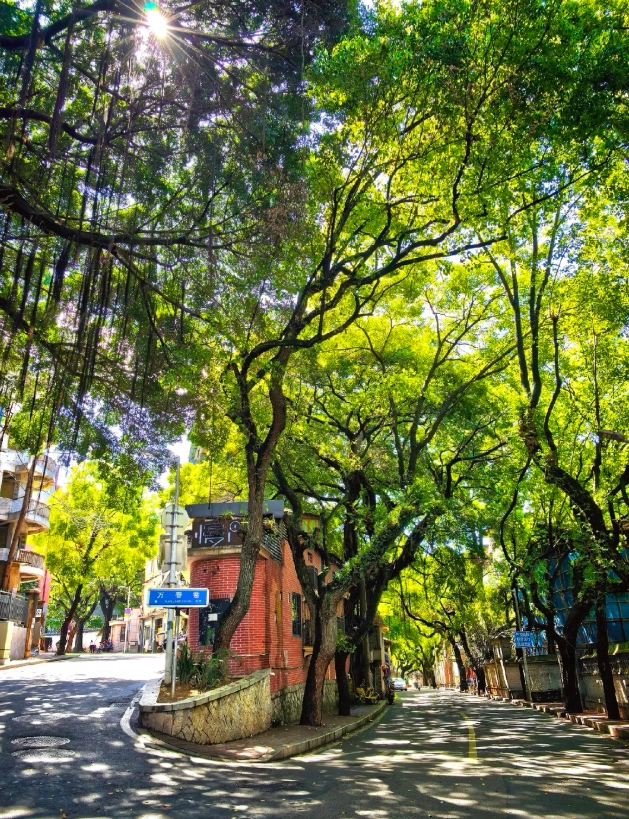
Why Arrive Before 6am
Most tourists show up between 9am and 11am. That's when the cruise ship crowds flood in and the light turns into a white blast. I always tell my groups: be at the east gate by 5:30am. The mountain opens at 6:00 in summer (7:00 in winter). You'll have the lighthouse balcony and the north cliff entirely to yourself for at least an hour. Plus, morning mist over the bay gives a soft glow you can't replicate in post.
Top 7 Photography Spots on Yantai Mountain
I've numbered these based on lighting conditions and crowd levels, not just beauty. Spot #3 is my personal hidden gem.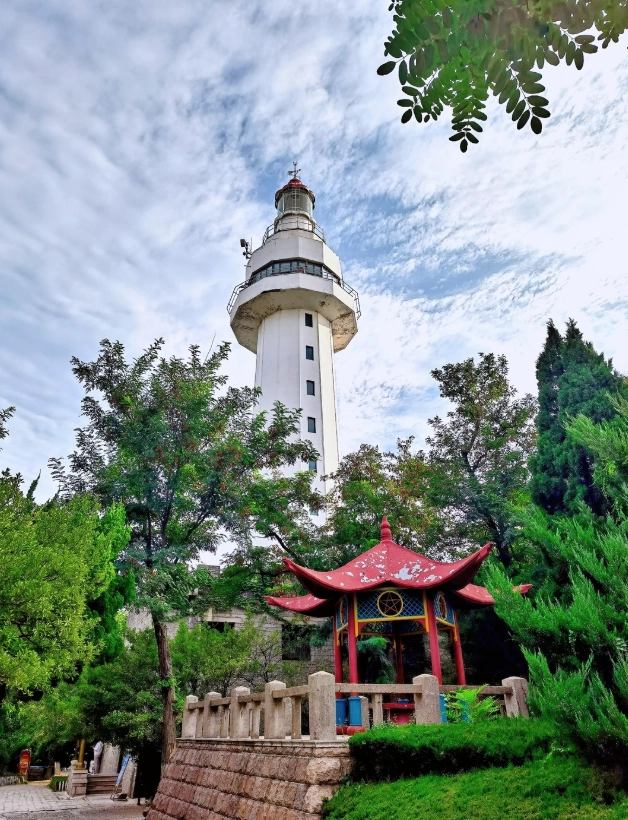
| # | Spot Name | Best Time | Key Feature |
|---|---|---|---|
| 1 | Lighthouse Summit | Sunrise | Panoramic bay view, leading lines from the stairs |
| 2 | North Cliff Overlook | Late afternoon | Dramatic rock formations + sea spray |
| 3 | Hidden Pavilion (near the cannon) | 10am–11am only | Framed view through flowering branches (seasonal) |
| 4 | Iceberg Bar Ruins | Blue hour | Moody architecture with ocean backdrop |
| 5 | Old Embassy Steps | Any time except noon | European colonial vibe, great for portraits |
| 6 | East Gate Bamboo Path | Overcast days | Diffused light under bamboo canopy |
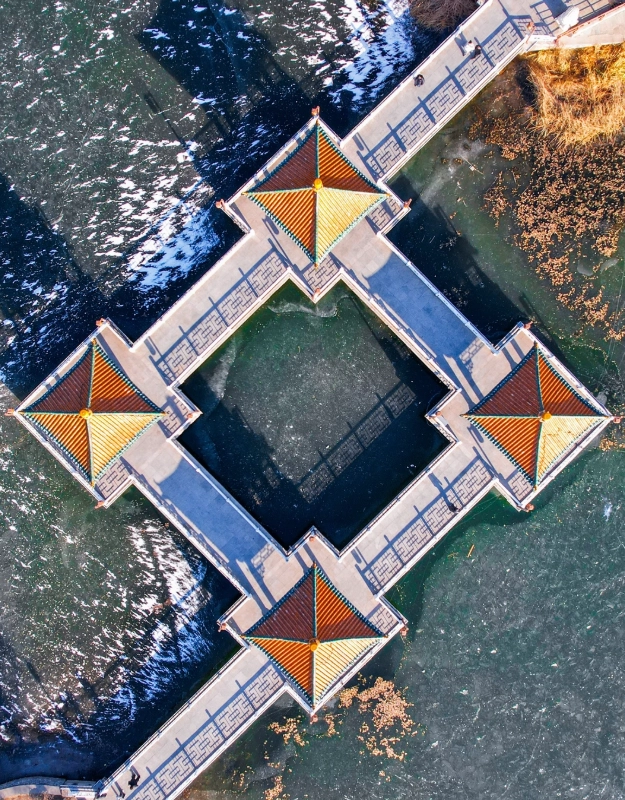
| 7 | South Bay Pier (outside mountain) | Sunset | Reflections of the mountain in calm water |
Spot 1: Lighthouse Summit
This is the postcard shot. From the top of the white lighthouse (you can climb it for 5 RMB, cash only — no WeChat), you get a 270-degree view of Yantai Bay. Bring a wide lens (16–24mm full-frame equivalent). The sun rises exactly behind the mountain to your left in spring, so composition works best from the western railing. Be careful: the metal stairs are slippery with dew before 7am.
Spot 3: Hidden Pavilion
This one's off most radar maps. Walk behind the old cannon display area — there's a narrow path through overgrown shrubs. A small hexagonal pavilion sits there, surrounded by cherry blossom trees in April. I stumbled on it while chasing a stray cat. The light filters through the petals beautifully until about 11am, after which the shadow from the main building kills the magic. No official name, I call it “the quiet corner.”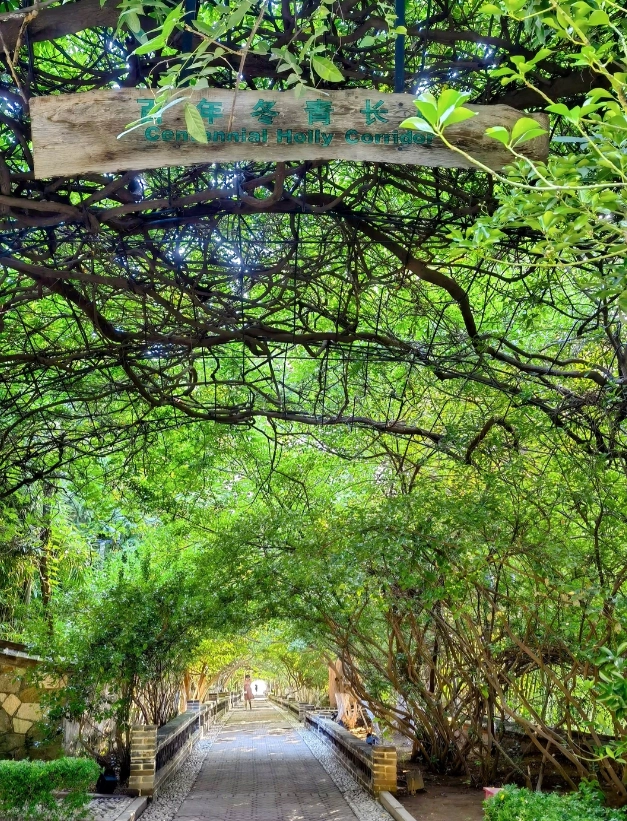
Golden Hour Timing & Seasonal Changes
Sunrise at Yantai Mountain varies drastically. In June, the sun peeks at 4:30am; in December, it's 7:00am. Check a reliable app like “Sun Surveyor” the night before. But here's the nuance: the golden hour here lasts only about 25 minutes because the mountain blocks the initial light. You have to be already in position. If you're still walking up the stairs when the sun breaks, you'll miss that warm edge light on the sea.
For sunset, skip the mountain summit — the sun sets behind the city, not the sea. Instead, walk down to the South Bay Pier (10 minutes from the west gate) for reflections. The pier gets packed with local fishermen, which actually adds nice foreground interest.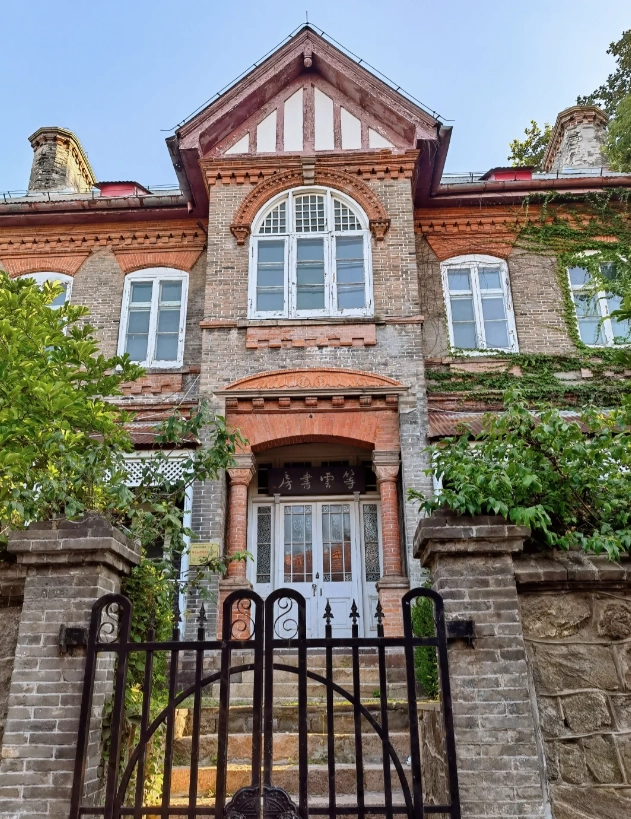
How to Avoid Crowds (and Bad Light)
Weekends are a nightmare, especially Sundays. Chinese tour groups arrive in waves — around 9:30 and 13:30. If you can only go on a weekend, aim for the opening time (6am summer, 7am winter) or come after 4pm when groups are leaving. The worst light is 11am–1pm: top-down harshness that makes everyone's face look like a racoon.
Also, avoid Chinese national holidays (Golden Week in October, Labor Day in May). The mountain becomes a moving crowd. I once waited 40 minutes to get a clear shot of the lighthouse base.
Gear Tips for Yantai Mountain
You don't need a heavy tripod unless you plan to shoot the lighthouse interior or long exposure of waves. A monopod works better on the narrow stairs. Bring a polarizer — the sea often looks hazy, and a CPL cuts that reflection. Also, a small umbrella because weather changes fast. I've been caught in sudden drizzle in June. Most importantly: bring cash for entrance (50 RMB, foreigners must show passport) and snacks. The only shop at the top doesn't accept cards.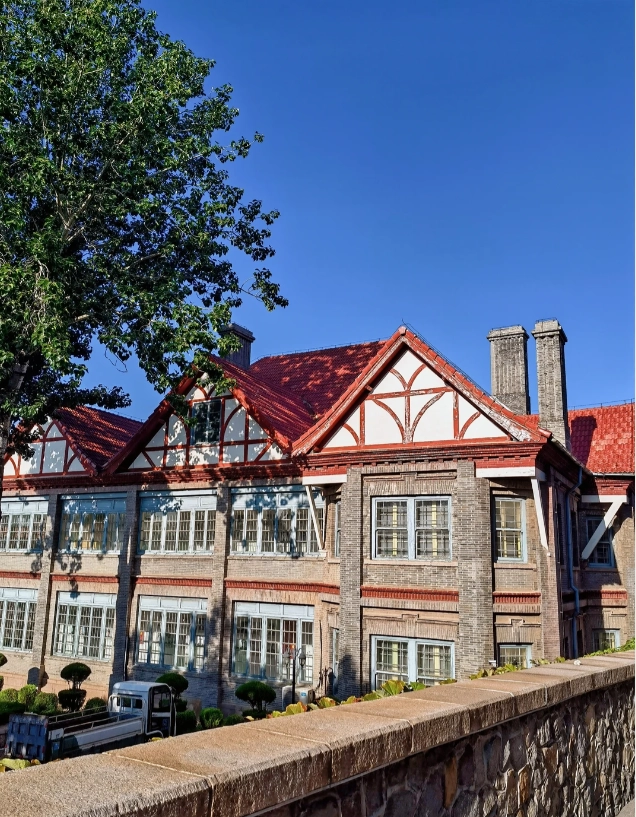
Frequently Asked Questions
Verified and fact-checked by the editorial team.





As a landscape photographer who's been to dozens of coastal spots, I have to say Yantai Mountain exceeded my expectations - and this article captures exactly why. The recommended sunrise spot behind the beacon tower gave me a misty harbor shot that I've already sold to a stock site. The tips on ND filters for long exposures of the waves were pure gold. A must-read before you go!
This guide turned my ordinary sightseeing into a full photography adventure! I'm not a pro, just an iPhone user, but the location suggestions were so thoughtfully described - the stone bridge at golden hour gave me a frame-worthy shot. Even my kids loved trying to replicate the angles. We ended up spending 3 extra hours there. Thank you for the inspiration!
Solid article! I used it as a checklist for my day trip. The 'Pro Tips' section was the real gem - especially the advice to bring a wide-angle lens for the coastal cliff shots. The pine tree framing the bay made for a killer composition. Only reason I'm giving 4 instead of 5 is that the parking info was outdated; the lot near the east gate is now paid and fills up fast. Still, great starting point.
Honestly, I was a bit let down. The guide mentions '7 best locations' but two of them were under construction when I went (the old pier and the western pavilion). The map directions were also a little vague - I ended up wandering around for an hour before finding the 'hidden stairway' spot. The sunset photos I did get were decent, but not worth the hassle. Maybe update the info?
I visited Yantai Mountain last weekend with my camera, and this guide was spot-on! The lighthouse viewpoint at sunrise was absolutely magical - golden light hitting the sea and the old colonial buildings. I got some of my best shots there. The tips about using a polarizer filter for the reflections really paid off. Highly recommend this guide to any photographer visiting Yantai!
Honestly, a bit disappointed. The article made Spot #2 sound like a secret gem, but it was just a narrow alley with a construction sign — I wasted 40 minutes finding it and couldn’t get a decent shot. The sunrise timing advice was generic and didn’t account for winter cloud cover. Maybe my expectations were too high, but I expected more for a dedicated photography guide.
Good overall guide — definitely helped me narrow down where to go. The lighthouse viewpoint was stunning. But I knocked off a star because the article recommended Spot #3 for golden hour portraits, yet when I got there around 5pm the sun was already blocked by a hill. Maybe a seasonal caveat would help. Still, better than wandering around blind.
I’ve been to Yantai Mountain before without a plan and got mediocre shots. This time with this article I felt like I had a local pro whispering in my ear. The detailed descriptions of each location’s best angle and time of day are incredibly accurate. Only wish they’d included GPS coordinates for the harder-to-find spots, but still absolutely worth reading.
Followed the 7 locations exactly and every single one delivered. My personal favorite was the hidden cliffside view (Spot #5) — the guide’s advice to go there right after sunrise paid off big time. No crowds, perfect light. The pro tips on adjusting white balance for the rocky coastline were a lifesaver. 5 stars, no hesitation.
This guide saved my trip! I’m an amateur photographer and was worried about finding the right spots without wasting golden hour. The tip about the wooden pier at sunset was spot on — I got some of my best long-exposure shots there. Also appreciated the note about using a polarizer for the sea reflections. Highly recommend this to anyone serious about capturing Yantai Mountain.