 Fang Wang
Quick Takeaways
I’ve walked these narrow alleys more times than I can count—with clients from all over the world. And every time, I get the same question before we even start: “Is this place actually worth it?” So let me cut through the noise. Three Lanes and Seven Alleys (Sanfang Qixiang) is Fuzhou’s most famous historic area. But famous doesn’t always mean good for you—especially if you’re short on time or hate crowds.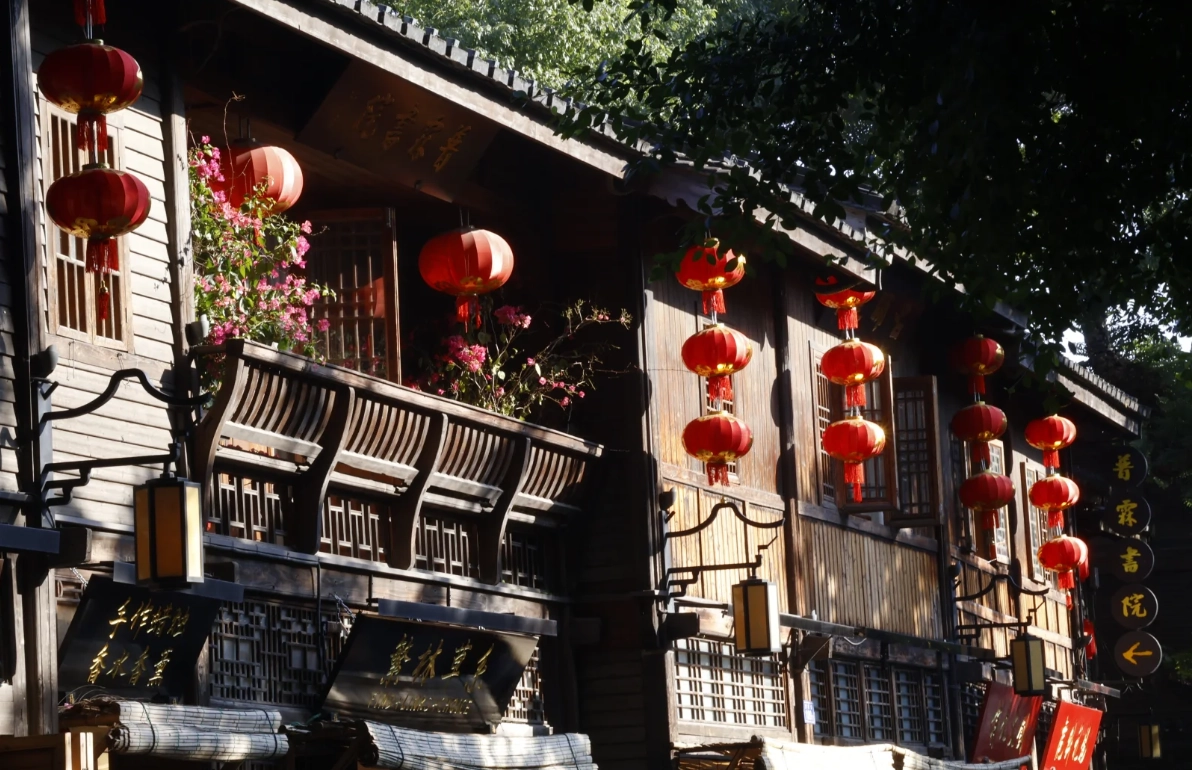
The Quick Verdict: Should You Go?
Here’s my blunt answer: Yes, but only if you go at the right time and know what to expect. Most tourists show up at noon, fight through selfie sticks, and leave thinking it’s just another “old street” packed with overpriced tea shops. But if you arrive after 4 PM or before 9 AM, the atmosphere shifts completely—you get quiet lanes, golden light on the Ming-Qing architecture, and a real sense of old Fuzhou. I always tell my groups: skip the main drag and dive into the side alleys. That’s where the magic hides.
What Makes Three Lanes and Seven Alleys Special (or Not)
The Architecture and History
Originally built during the Tang Dynasty and expanded in Ming and Qing, this area preserves a traditional “lane and alley” layout. You’ll find elegant courtyard houses with whitewashed walls, gray tiles, and intricate wood carvings. But here’s the thing—many buildings have been renovated for tourism. Some purists say it feels too “new.” I agree, but if you peek into a few open courtyards (like the Lin Zexu故居 or the former residence of Bing Xin), you can still catch authentic details. The problem? These small museums often require a separate ticket or advance booking via a Chinese-only mini-program. Frustrating, right?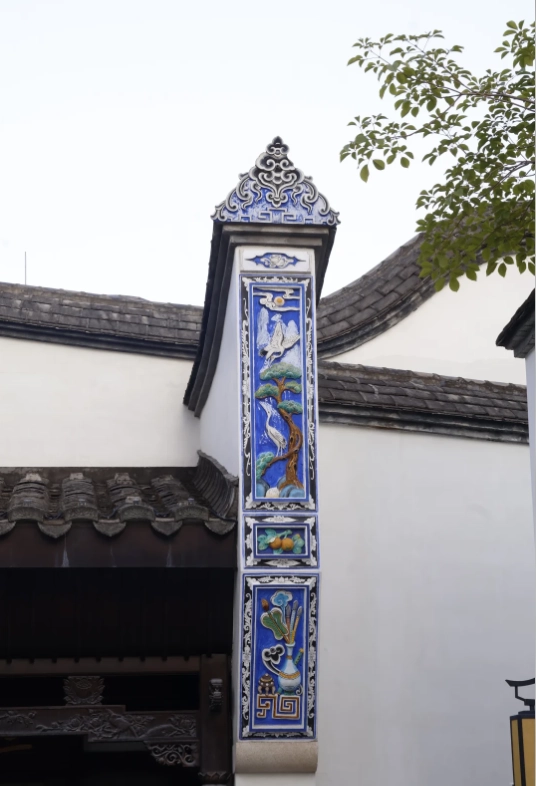
The Food Scene
Food is where this place shines—if you know where to go. The main street is lined with identical stalls selling salty oyster omelets and fish balls. But walk two lanes over, and you’ll find old-school eateries that locals actually visit. My personal must-try: Rou Yan (meat燕) at “Laoyi Rouyan” (老怡肉燕). It’s a silky wonton-like dumpling in a clear broth, and it costs about 15 RMB. Cash only, sorry—credit cards won’t work. And don’t bother with the fancy “snack platters” aimed at tourists; they’re cold and overpriced.
Common Pain Points for Foreign Tourists
Let me be real with you about the headaches.
Payment and Booking Hassles
You’ll need Alipay or WeChat Pay for almost everything—street food, small shops, even some museum tickets. Cash is accepted at a few bigger stores, but don’t rely on it. International credit cards? Forget it. I’ve seen travelers stranded because they couldn’t buy a bottle of water. Also, booking the “Three Lanes and Seven Alleys” official ticket? It’s not really a gated attraction; the area is open-air. But the individual houses (like the former residences) require tickets that must be reserved online, usually through a Chinese mini-program. Here’s my workaround: Use Trip.com or ask your hotel concierge to book for you. Or simply skip those paid houses—the free lanes are equally charming.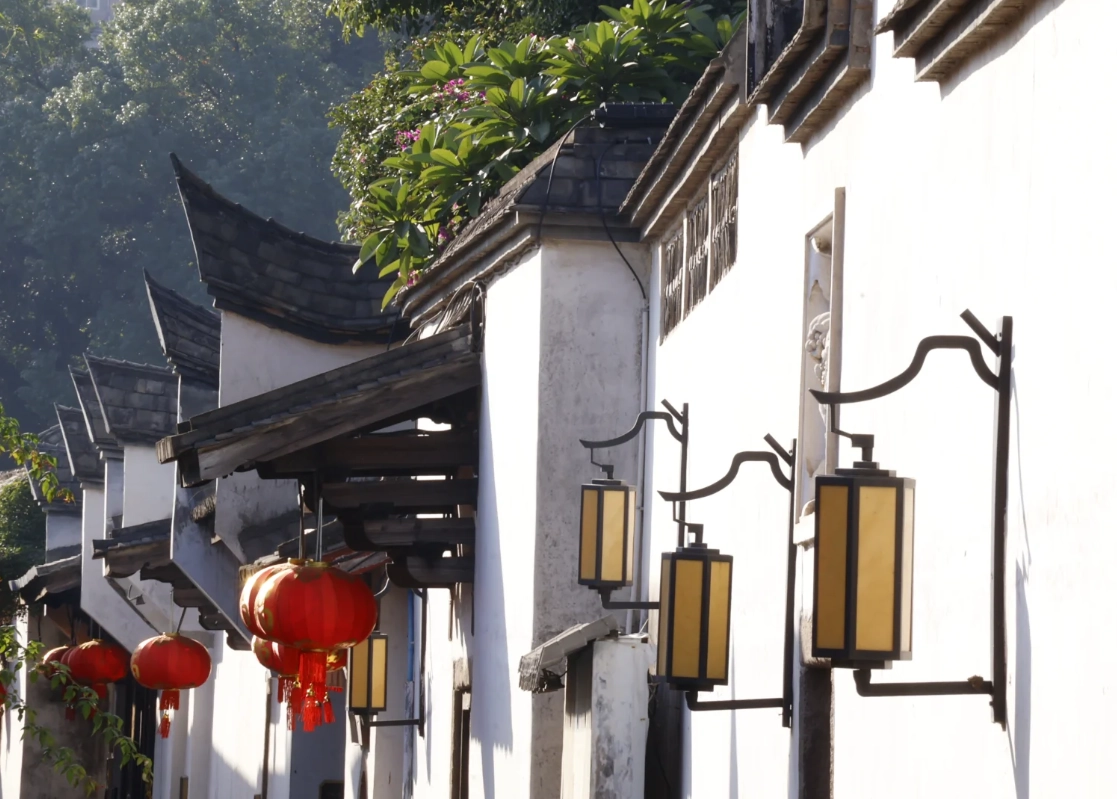
Navigation Nightmare
Google Maps is useless here. It’ll show you wrong locations or no data. Download Apple Maps (surprisingly accurate in China) or use the Chinese app Gaode (高德). If you can’t read Chinese, just show the taxi driver the Chinese address: 福州市鼓楼区南后街 (Nanhou Street, Gulou District, Fuzhou). From the nearest metro, take Line 1 to Dongjiekou station, Exit B. Walk 8 minutes south. Alternatively, a ride from Fuzhou city center costs about 20–30 RMB.
One more thing: you absolutely need a VPN before you arrive. Otherwise, Google, Instagram, and WhatsApp won’t work. I recommend Astrill or ExpressVPN—test them before you leave home.
How to Make the Most of Your Visit (Even if You’re Short on Time)
Best Time to Visit
- Least crowded: Weekday mornings before 10 AM or after 4 PM. The light is also gorgeous for photos.
- Avoid: Weekends and Chinese holidays (especially Golden Week and Spring Festival). You’ll barely move.
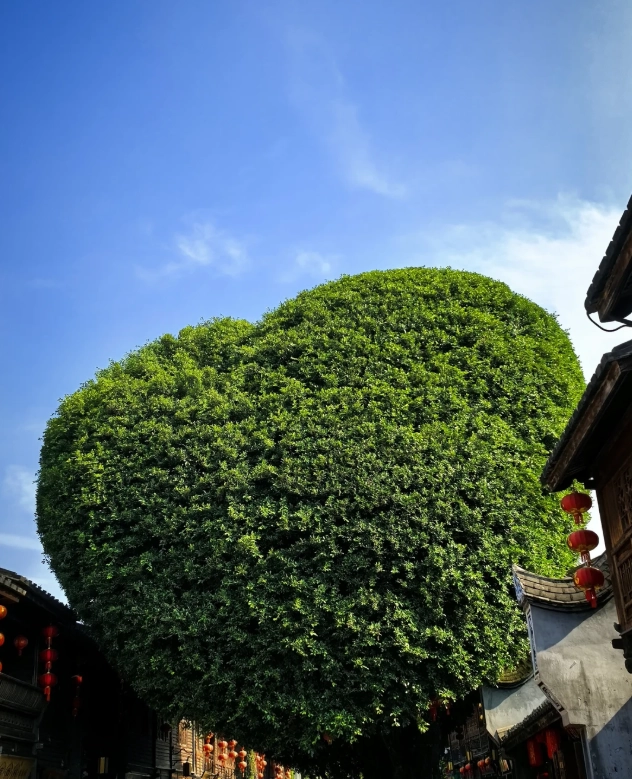
- Night visit: The lanes are lit with red lanterns after 7 PM—romantic but many shops close early.
My Suggested Route (2–3 Hours)
- Start at Nanhou Street (南后街): The main artery. Walk north to south quickly—don’t linger. Takes 15 minutes.
- Turn right into Yijin Lane (衣锦坊): One of the three lanes. Less crowded, nice courtyard details. 20 minutes.
- Cut through Wenru Lane (文儒坊): Look for the former residence of Bing Xin (free to walk around outside). Grab a quick snack from the small vendors.
- Finish at Guanglu Lane (光禄坊): My favorite. A quieter area with a small park and a few authentic tea houses. Stop for a cup of Fujian oolong (about 30–50 RMB).
If you have only 1 hour, skip the paid houses and just wander the three lanes + main street. You’ll still get the vibe.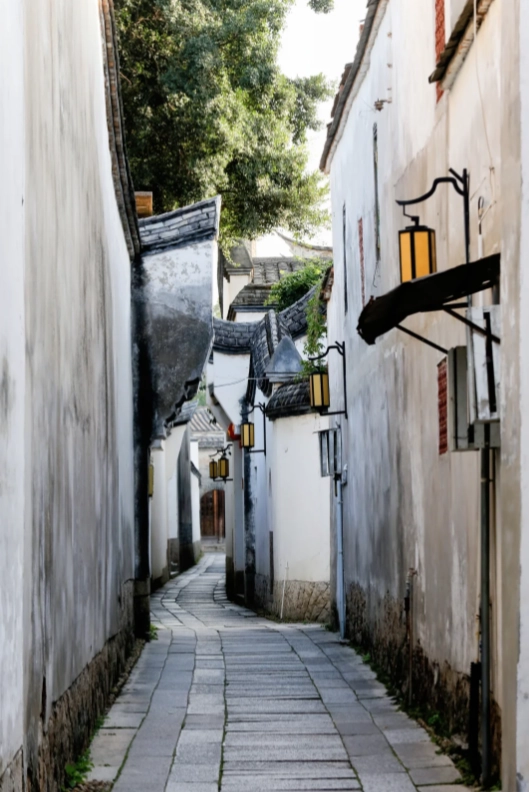
Where to Eat and Stay Nearby
| Type | Name (English / Chinese) | Address | Price Range | Notes |
|---|---|---|---|---|
| Local Snack | Laoyi Rouyan / 老怡肉燕 | Nanhou Street, near Jin’an Exit | 15–25 RMB | Cash only, busy at lunch |
| Noodle Shop | Dingbian Hu / 鼎边糊 | Wenru Lane #10 | 10–20 RMB | Good for breakfast; WeChat Pay accepted |
| Tea House | Yan Yu Xuan / 烟雨轩 | Guanglu Lane #23 | 30–60 RMB per pot | English menu available, accepts Alipay |
| Hotel (Mid-range) | Fuzhou Rui Ming Hotel / 福州瑞明酒店 | Dongjiekou, 5-min walk | 300–500 RMB/night | Free Wi-Fi, English spoken at front desk |
| Boutique Stay | Sanfang Qixiang Boutique Inn | Inside Guanglu Lane | 500–800 RMB/night | Traditional courtyard, book via Trip.com |
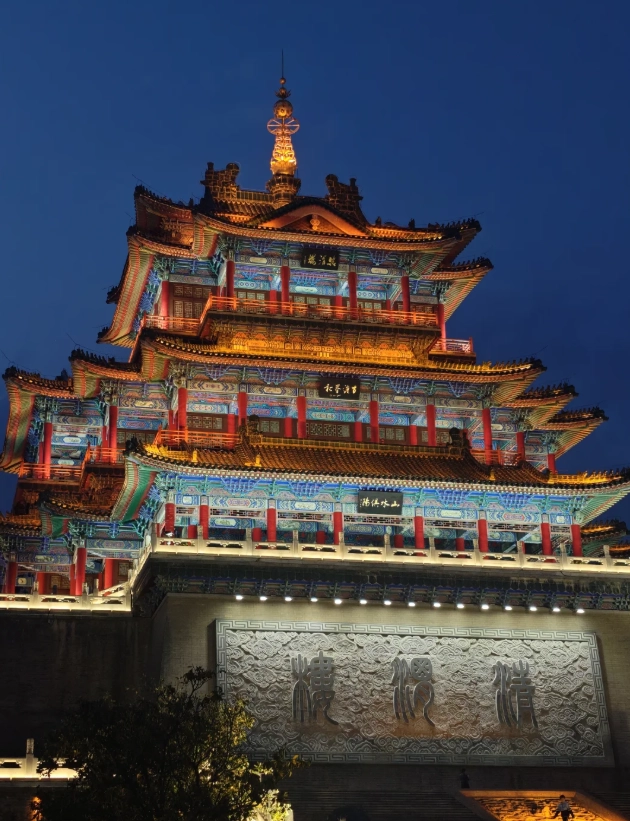
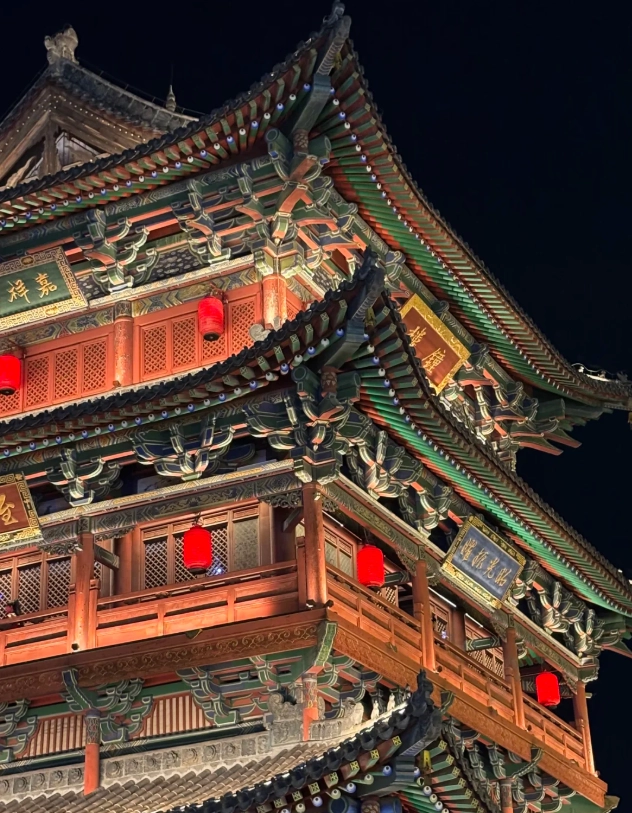
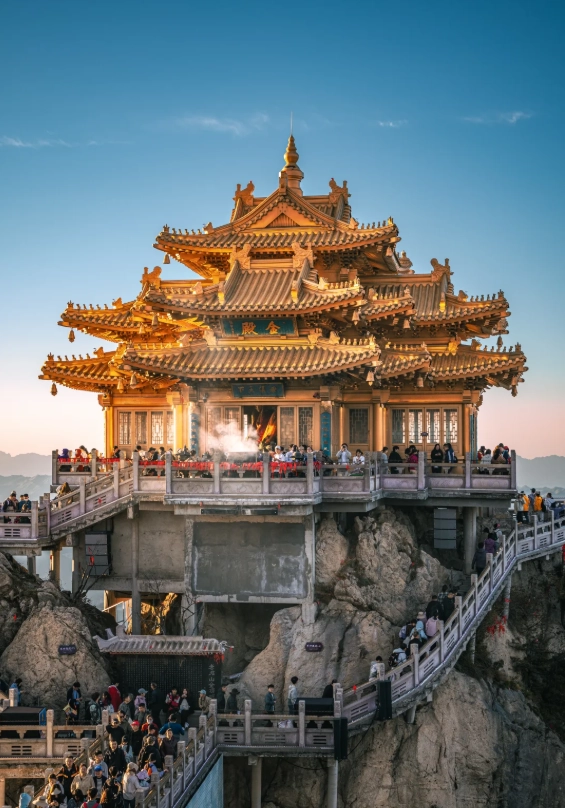





Honestly felt a bit let down. I’d seen so many beautiful photos online, but in reality it felt like every other Chinese tourist street – same shops selling plastic toys and generic snacks. A few old buildings are nice but most are blocked off or turned into expensive tea houses. The whole place seems more focused on selling things than preserving history. Might be okay if you have a few hours to kill, but I wouldn’t go out of my way for it.
Nice place overall, but way too crowded when I went (weekend afternoon). The main alleys were packed with selfie sticks and souvenir shops, which killed some of the charm. Still, the side lanes are lovely and the free museum inside a former residence was interesting. The food is good but a bit overpriced near the touristy areas. Worth a visit if you go on a weekday or early morning. 4 stars from me.
As a history buff, this was heaven. Every lane has its own story – I spent hours exploring former residences of famous scholars and officials. The Ming and Qing dynasty details are incredibly well preserved. Go early in the morning when it‘s quiet and you can really feel the old atmosphere. One of the best ancient neighborhoods I’ve visited in China. Highly recommend!
Three Lanes and Seven Alleys is a paradise for food lovers! I tried the best fish balls and meat swallow soup at a tiny stall near the main street. Everything was fresh and super flavorful. Also grabbed some peanut candy from a traditional shop – still dreaming about it. The place itself is beautiful, but honestly the food alone makes it a 5-star experience. Come hungry!
Absolutely loved this place! Walking through the ancient alleyways felt like stepping back in time. The architecture is stunning, and I could really soak in the history. We spent a whole afternoon just wandering, popping into free exhibitions and watching locals play chess under the banyan trees. If you love culture and old-town vibes, this is a must-see in Fuzhou. Totally worth it!
Stunning at night! The lanterns come on at dusk and the whole place transforms into a fairy-tale maze. I tried the famous Fuzhou soup dumplings at a small restaurant near the South Street intersection—best I've ever had. The alleys are clean and well-maintained, and there are plenty of benches to rest. Even though it gets crowded on weekends, the energy is lively and fun. I came back three times during my trip. Absolutely worth your visit.
This place is a hidden gem! I went on a weekday morning and had many of the back alleys almost to myself. The intricate window lattice, mossy brick walls, and the sound of mahjong tiles from open doors felt like stepping back in time. I bought a hand-painted paper umbrella as a souvenir from a local craftsman—much better than the factory-made stuff. The staff at the tourist center were also helpful with a free map. Definitely a must-visit for culture lovers. Five stars!
Absolutely loved it! I spent an entire afternoon here and could have stayed longer. The blend of Ming and Qing dynasty architecture with modern cafes and art galleries is unique. I especially enjoyed the Folk Custom Museum and the small alley called Yijin Lane—it's so peaceful. The local snacks, like fish balls and lychee candy, were delicious and inexpensive. The whole area is very walkable and photogenic at golden hour. Highly recommended for anyone visiting Fuzhou!
A solid 4 stars for the atmosphere and architecture. I loved wandering into the quieter side lanes where the old residential homes still have their original wood carvings and stone pathways. The banyan trees provide nice shade, and I found a tiny tea shop run by a local family that was charming. However, the main drag is way too commercialized with bubble tea chains and tacky gift shops. Also, a few of the 'historic' buildings are clearly just newly built replicas. Worth a morning stroll but don't expect an authentic ancient vibe throughout.
I was really excited to visit Three Lanes and Seven Alleys, but honestly it felt like every other tourist trap I've been to in China. The main streets were packed shoulder-to-shoulder with selfie sticks and loud tour groups, and the shops all sold the same mass-produced souvenirs. The few historic spots that charge extra felt overpriced for what you get. If you've seen one ancient alleyway replicated for tourism, you've seen them all. Not worth the detour if you're short on time.