.jpeg) Tariq Ma
Tariq Ma
Quick Lookup
I’ve been guiding tours in Macau for over seven years, and the number one question I hear — even before people step off the ferry — is: “Is the Ruins of St. Paul’s actually worth visiting?”
Let me cut through the noise. Yes, it’s worth it — but only if you know what you’re getting into. The instagram-famous facade is just the tip of the iceberg. Behind it lies a story of fire, faith, and resilience. And around it, a living neighborhood that most tourists rush past. In this guide, I’ll tell you exactly how to make the Ruins a highlight of your Macau trip, not a sweaty, shoulder-to-shoulder disappointment.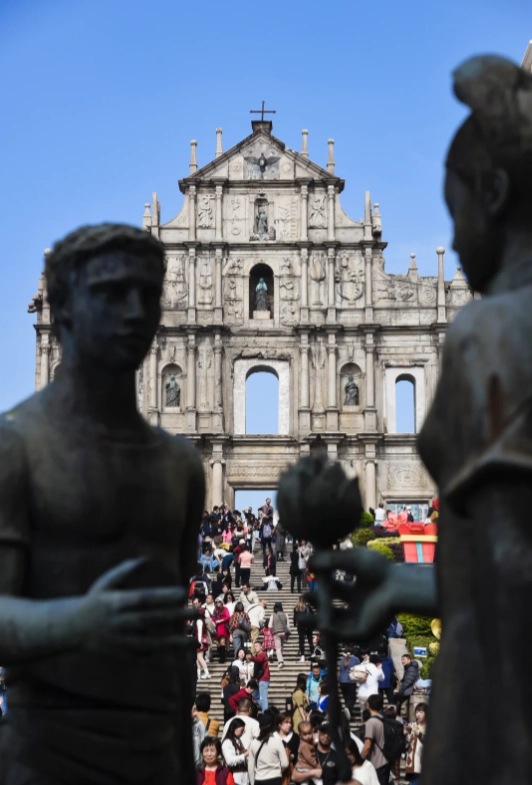
My First Impression: Crowds vs. Awe
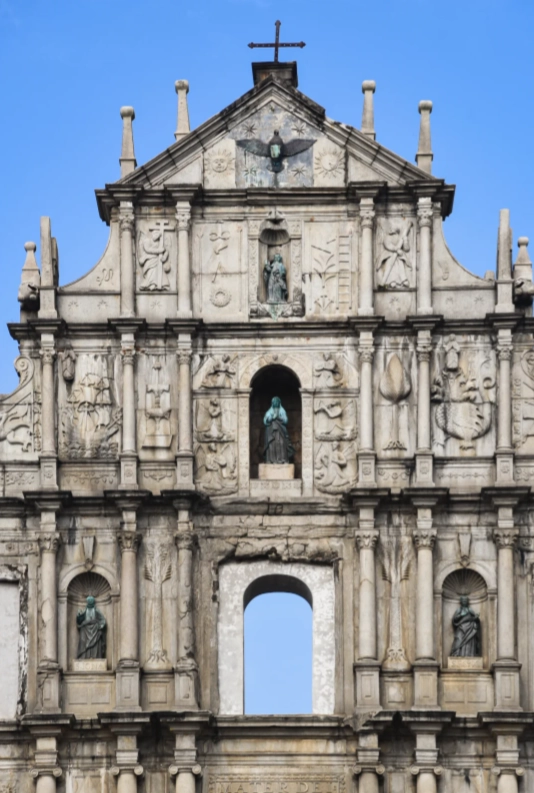
I remember bringing a family from Texas a few years back. The mom took one look at the sea of selfie sticks and muttered, “We came all the way for this?” But then we walked through the side gate, stood under the remaining arch, and she went quiet. The facade is huge — much bigger than photos suggest — and the intricate carvings of Jesuit saints mixed with Chinese characters (like the lotus and the chrysanthemum) are unlike anything in Europe.
Here’s the honest truth: The Ruins of St. Paul’s is less about the physical remains (which are just a stone wall) and more about the symbolism. It was the largest Catholic church in East Asia when it was built in the early 1600s. A fire in 1835 destroyed everything except the front wall and the grand staircase. That wall has become the unofficial emblem of Macau.
So yes, it’s worth it — but when you go matters more than anything.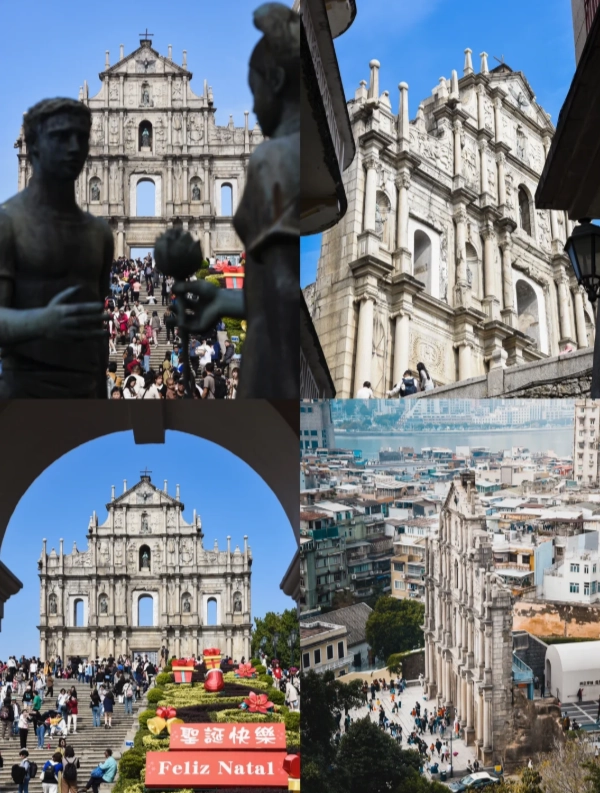
Best Time to Visit & Avoid the Crush
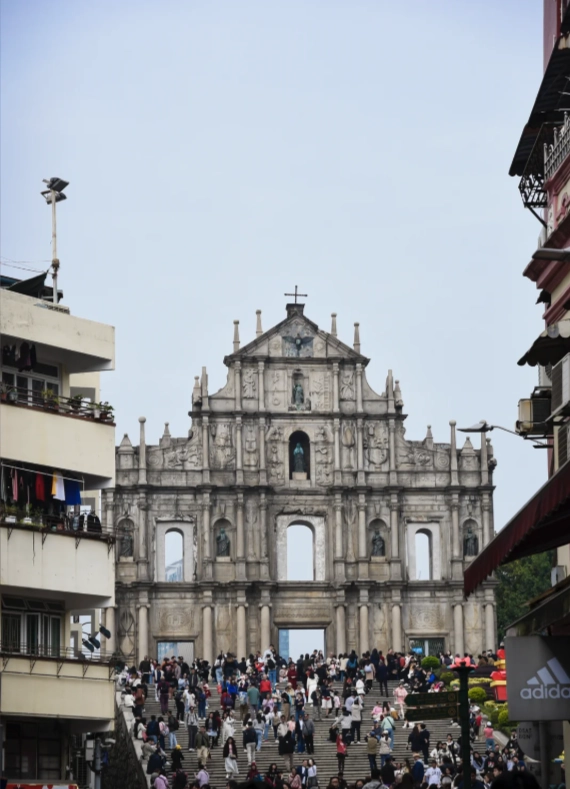
Most tour groups arrive between 10 AM and 2 PM. Avoid that window like the plague if you want a clear photo without strangers’ elbows in your frame.
- Sunrise (around 6:30-7:00 AM): This is my secret. The square is almost empty, the light is soft, and you can hear the birds over the church ruins. Plus, you’ll have the whole staircase to yourself. I always tell my guests: “Set your alarm for 6 AM, thank me later.”
- Late afternoon (4:30-5:30 PM): The golden hour casts a warm glow on the sandstone. The crowds start thinning after 5 PM because most day-trippers head back to Hong Kong. You get good light and manageable numbers.
- Night (after 8 PM): The facade is lit up beautifully, and the area is much quieter. But you can’t go up the stairs (they close the barrier around 7 PM). Great for a moody shot from the lower plaza.
Practical Info: Tickets, Hours, Getting There
Let’s get the boring stuff out of the way, because I’ve seen too many tourists wandering around lost.
| Item | Details |
|---|---|
| Official Name | Ruins of St. Paul's |
| Address | No. 1, Rua de São Paulo, Macau |
| Opening Hours | 24/7 (facade accessible anytime; inner museum open 9 AM - 6 PM, closed Mondays) |
| Admission | Free (no ticket needed) |
| Nearest Bus Stop | “Alameda de São Lázaro” or “St. Paul's Church” – many buses: 3, 3X, 4, 6A, 8A, 18A, 19, 26A, 33 |
| Nearest Taxi Drop | Largo de São Paulo (the small square in front of the ruins) |
| Accessibility | The staircase is steep with about 60 steps. No ramp for wheelchairs to the top, but you can see the facade from the bottom plaza. |
How to get there: If you’re coming from the Macau Ferry Terminal or the Hong Kong-Zhuhai-Macao Bridge, take a taxi (about 30-40 MOP to the ruins area). The nearest bus stop is a 3-minute walk. I always tell first-timers to use the free hotel shuttles from the casinos — they drop you at Senado Square, and it’s a 10-minute walk uphill. Follow the signs or just follow the crowd.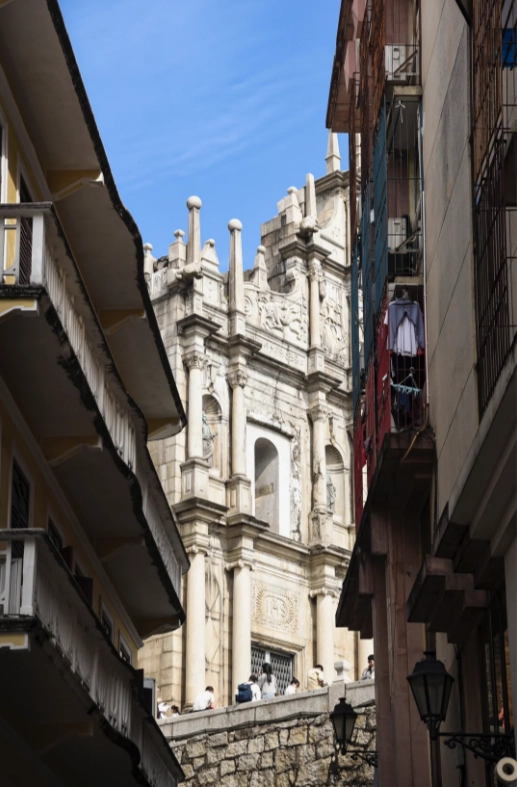
What You'll Actually See (More Than Just the Facade)
Most people snap a selfie and leave. But the Ruins complex has three layers:
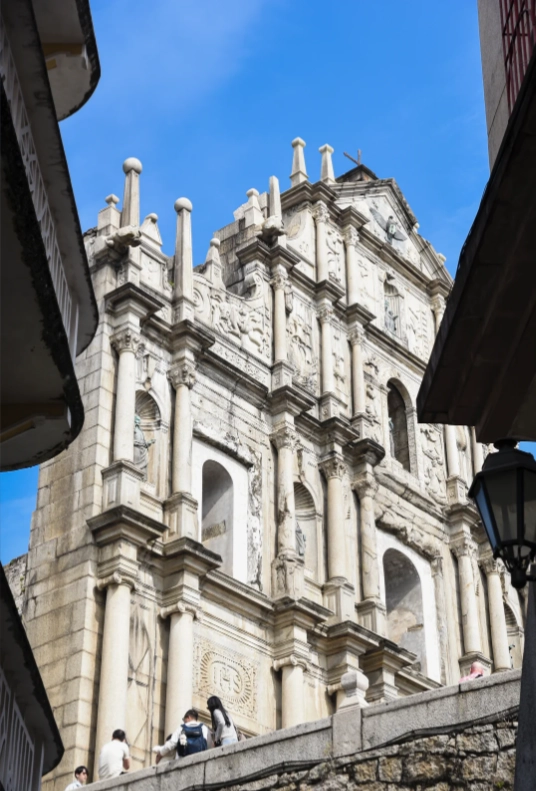
- The Facade & Stairs: Carved in granite with four tiers of columns and niches. Look for the dove at the top (symbol of the Holy Spirit) and the Chinese dragon on the lower left. That fusion is unique.
- The Museum of Sacred Art: Tucked behind the facade in the original crypt. It houses fragments of the original church, religious artifacts, and a small tomb. Admission is free, but it closes at 6 PM and on Mondays. I’ve had guests tell me it’s “surprisingly moving” — the contrast between the ruined wall above and the preserved crypt below is powerful.
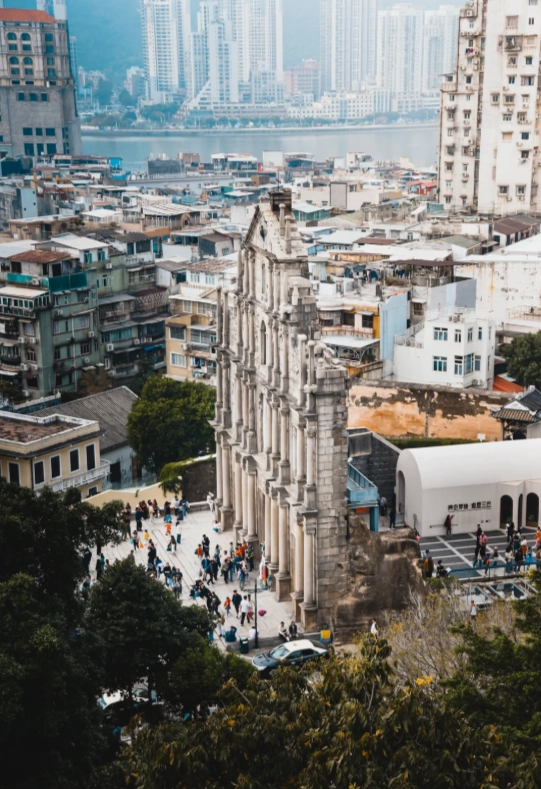
- The Na Tcha Temple: A tiny Chinese folk temple literally leaning against the left side of the facade. It was built in 1888 and represents the coexistence of Western and Eastern culture. Most tourists don’t even notice it. Step inside for a whiff of incense and a glimpse of local devotion.
Don’t miss: The small archaeological pit near the base where you can see the original foundations of the church’s pillars. It’s right next to the staircase, roped off, but you can peer down.
Photo Tips: Where to Shoot for Zero Crowds
Every tourist takes the same shot: standing at the bottom looking up. That angle has 100 people in the background. Instead, try these:
- Side staircase on the left: Go up to the small platform next to the Na Tcha Temple and shoot diagonally across the facade. You’ll avoid the crowd below and get a unique perspective.
- From the Ruins Museum balcony: After visiting the crypt, step out onto the small balcony (open until 6 PM). You’ll be level with the top of the facade — incredible.
- From the top of the hill behind: Walk up Rua de São Paulo to the Mount Fortress (10 minutes). The view from the cannons frames the facade against the skyline.
Combine with These Nearby Spots
The Ruins sit in the heart of the historic center. You can easily spend a half-day exploring on foot:
- Senado Square (5 min walk): The wave-patterned cobblestone square is a UNESCO site. Grab a coffee and watch the world go by.
- Mount Fortress (10 min uphill): Offers panoramic views and houses the Macau Museum (10 MOP entry). Good on a rainy day.
- Rua da Felicidade (8 min walk): “Happiness Street” — once a red-light district, now lined with restored shophouses and great photo ops.
- Kun Iam Temple (15 min walk): A peaceful Buddhist temple with a beautiful garden. Free entry.
Where to eat nearby: Right at the foot of the ruins, you’ll find the famous “Margaret’s Café e Nata” (Edificio Kam Wa, 17 Rua de São Paulo) for the original Portuguese egg tarts — 12 MOP each, cash only. Expect a short queue. I always buy two and eat one immediately, then save the second for the walk up to the fortress. Also, try “Almond Cookie” shops on the side streets — the smell is intoxicating.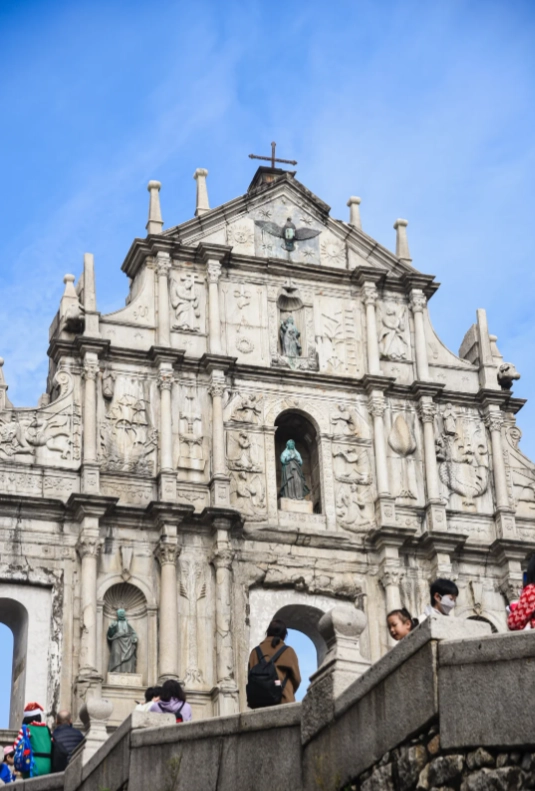
Quick FAQs
This content has been fact-checked to ensure informational precision.





No comments yet.