 Hua Sun
Quick Navigation
I've brought more than 200 groups through Hainan over the past decade — families, solo backpackers, even a retired couple who'd already seen every major museum in China. Almost every single one of them had the same question before we walked in: Is this museum actually worth our limited vacation time? Let me give you my honest take, built from repeated visits and real conversations with the staff.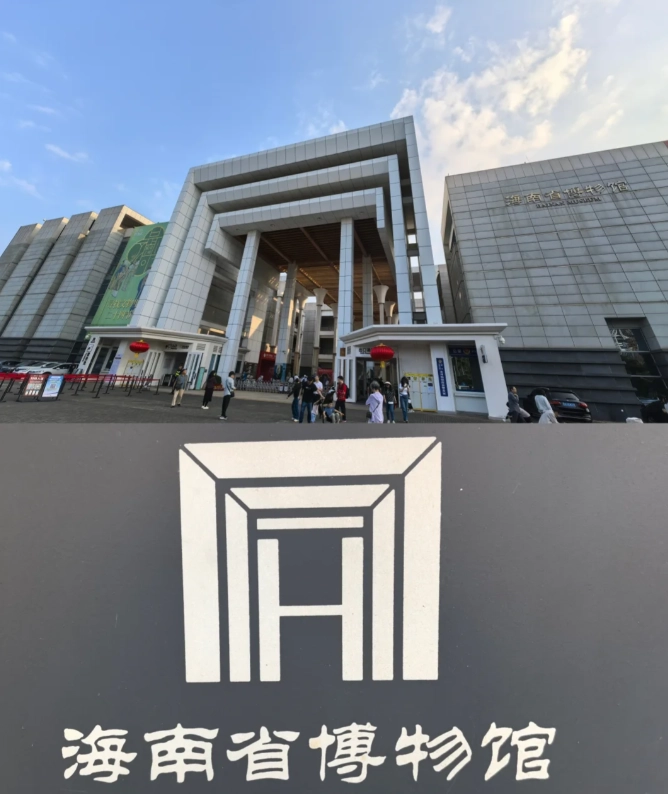
My Verdict After 20 Visits
Short answer: Yes, but only if you know what you're looking for. This isn't the British Museum or the Shanghai Museum. It's a regional museum focused entirely on Hainan's unique history — from its volcanic origins to its role as China's southern gateway. If you're expecting world-class artifacts, you might be disappointed. But if you're curious about how this tropical island became what it is today, you'll walk out with a much deeper understanding than any beach day could give you.
I personally rank it as one of the top three indoor attractions in Haikou (especially when it's raining or scorching hot — which is often). It's free, air-conditioned, and most visitors spend about 1.5 to 2 hours inside. That's a pretty good return on your time.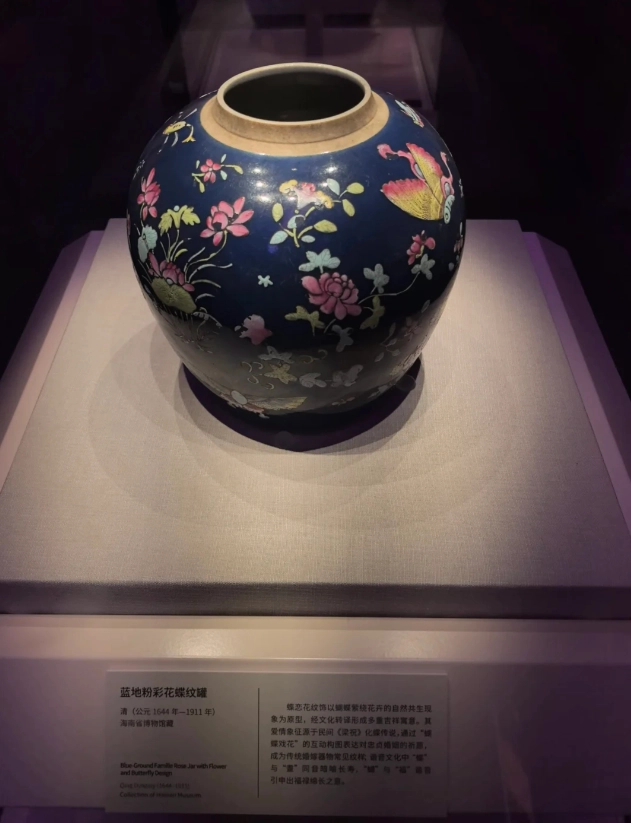
What I'm less impressed by: The temporary exhibition halls. They rotate frequently, but sometimes feel like generic traveling shows you'd find in any provincial museum.
What You'll See Inside: The Permanent Exhibits
The museum is divided into three main permanent galleries, plus a special exhibition space that changes every few months. Here's what you absolutely shouldn't miss: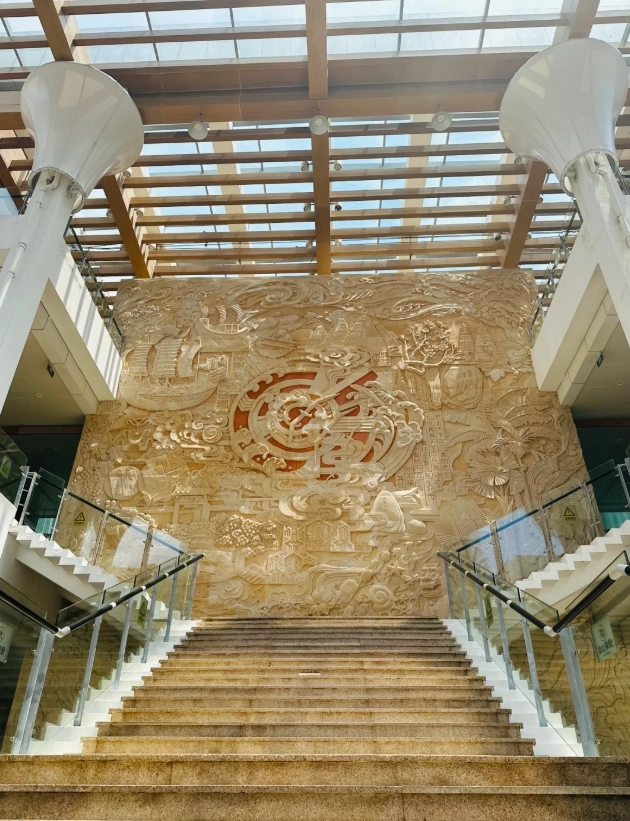
1. The Hainan History Hall (Ground Floor)
Starts with the island's geological formation — those volcanic basalt rocks you see everywhere on Hainan actually have a story. Then it moves through ancient maritime trade, the arrival of the Han Chinese, and the island's strategic importance during the Ming and Qing dynasties. Look out for the model of the Qiongzhou Strait shipping routes; it's surprisingly detailed.
2. The Ethnic Minorities Hall (Second Floor)
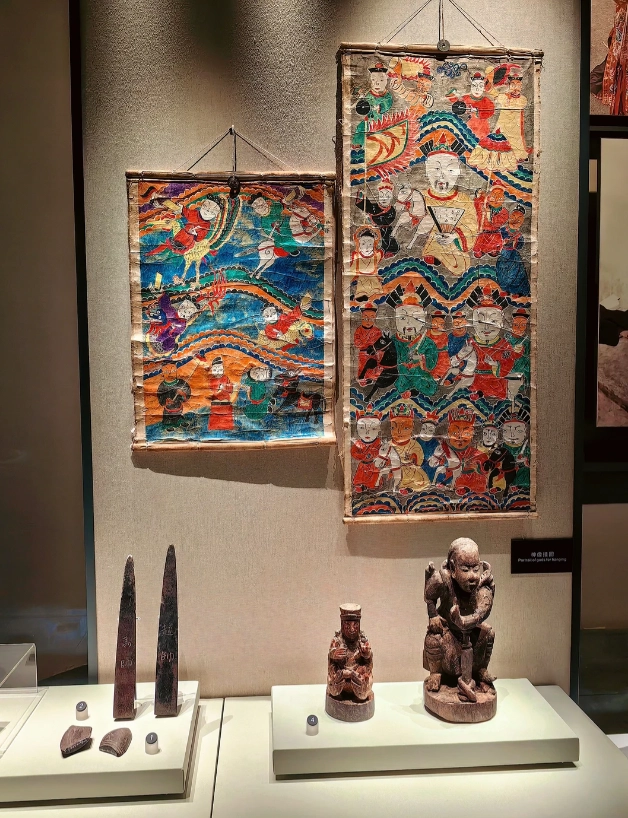
This is the star of the show. The Li people (Hainan's indigenous group) and the Miao people (who migrated later) have rich traditions in weaving, silverwork, and boat-shaped housing. The museum displays dozens of authentic costumes — some still used in ceremonies today. I always tell my groups: You won't see this anywhere else in China. The facial tattoo replicas of Li women are particularly eye-opening.
3. The Natural History Hall (Third Floor)
Covers Hainan's unique biodiversity: tropical rainforests, coral reefs, and endemic species like the Hainan gibbon (one of the rarest primates on Earth). The dioramas are a bit dated, but kids love the life-sized model of a saltwater crocodile. If you're not into nature, you can breeze through this section in 15 minutes.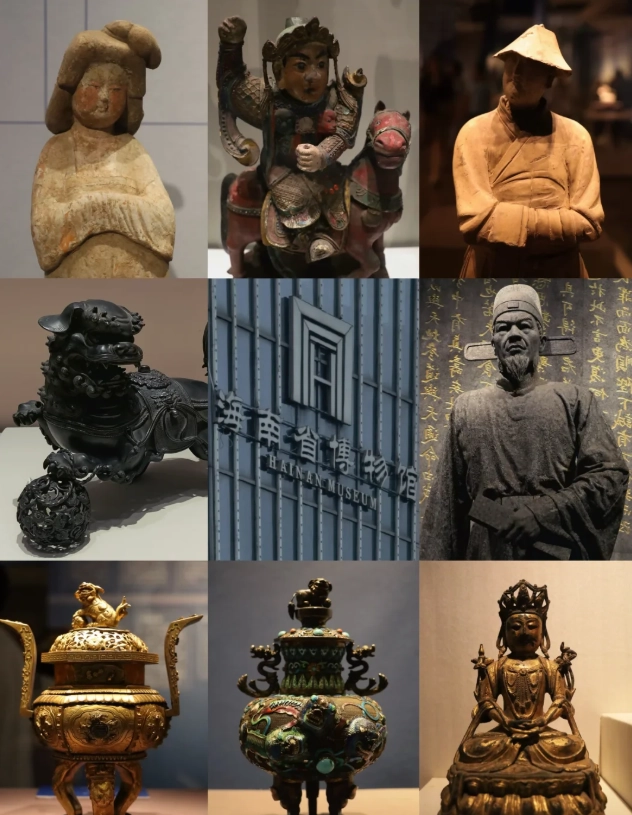
Practical Visitor Information
Here's the data you need to plan your visit. Note: Prices and hours can change — I recommend scanning their official WeChat mini-program (search "海南省博物馆") the morning of your visit to confirm.
| Item | Details |
|---|---|
| Address | 68 Guoxing Avenue, Qiongshan District, Haikou (海口市琼山区国兴大道68号) |
| Admission | Free — but you need a reservation. Bring your passport (foreigners) or ID card. |
| Opening Hours | Tuesday to Sunday, 09:00–17:00 (last entry at 16:30). Closed on Mondays (except public holidays). |
| Reservation Method | Via the "Hainan Provincial Museum" official WeChat account or mini-program. A limited number of walk-in slots are available on weekdays, but I wouldn't risk it on weekends. |
| Best Time to Visit | Weekday mornings (Tuesday–Friday, 09:00–11:00). Afternoons can get crowded with school groups. |
| Estimated Visit Duration | 1.5–2 hours for most visitors. Dedicated culture buffs might spend 3 hours. |
| Accessibility | Wheelchair ramps and elevators available. Wheelchairs can be borrowed at the information desk with a deposit. |
How to Get There
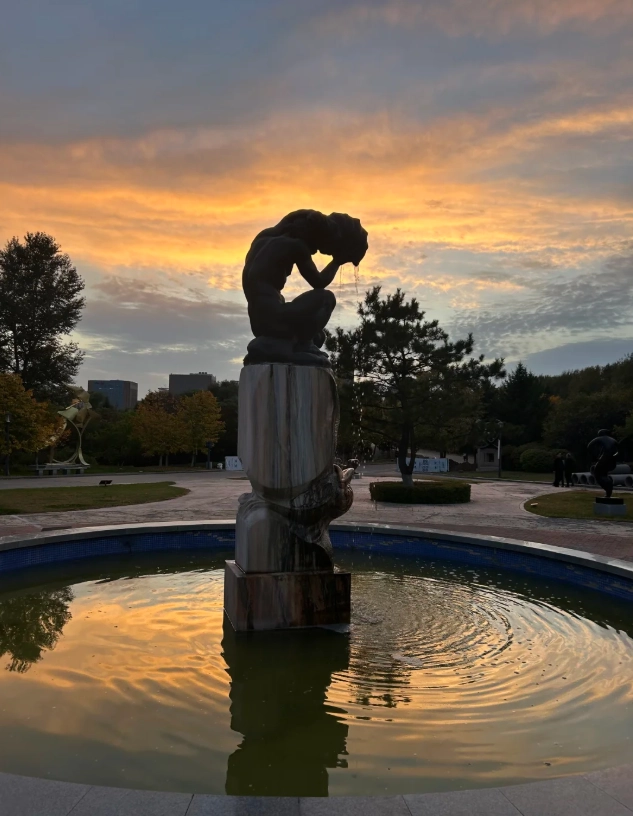
The museum is located along the main Guoxing Avenue, about a 15-minute taxi ride from Haikou's city center (around 20 CNY). If you're taking the bus, routes 48, 52, 67, and 102 all stop at "Provincial Museum" stop. The nearest metro is Line 2's Guoxing Avenue station, Exit C — then it's a 5-minute walk north. You'll know you're close when you see the big bronze cauldron sculpture outside.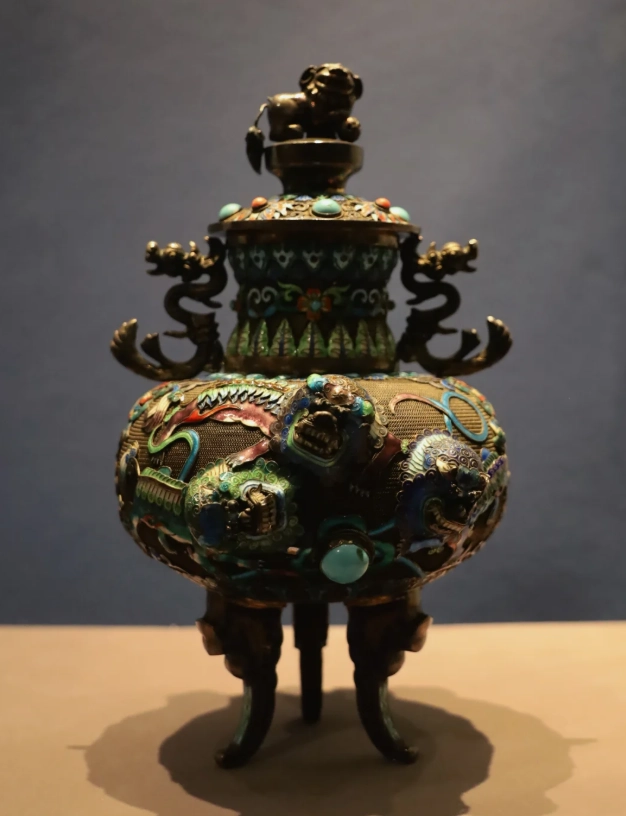
Why Most Tourists Skip It (And Why They're Wrong)
Common reasons I hear: "It's just another provincial museum," "I don't speak Chinese," "I'd rather spend time at the beach." Let me tackle these one by one.
"It's just another provincial museum." Fair point — but Hainan's story is unique. You can't understand the island's laid-back vibe without knowing its history as a place of exile for disgraced officials, or its role in the Maritime Silk Road. The museum connects those dots.
"I don't speak Chinese." English translations are available for major exhibits. The ethnic costumes have labels in both Chinese and English. If you're still worried, download the WeChat mini-program that offers audio guides in English (free, you just need to connect to the museum's WiFi).
"I'd rather spend time at the beach." I get it — you came to Hainan for sun and sand. But trust me, after three days on the beach, you'll appreciate a cool, educational break. Plus, the museum is on the way from Haikou city center to the airport, so you can easily drop in for an hour before your flight.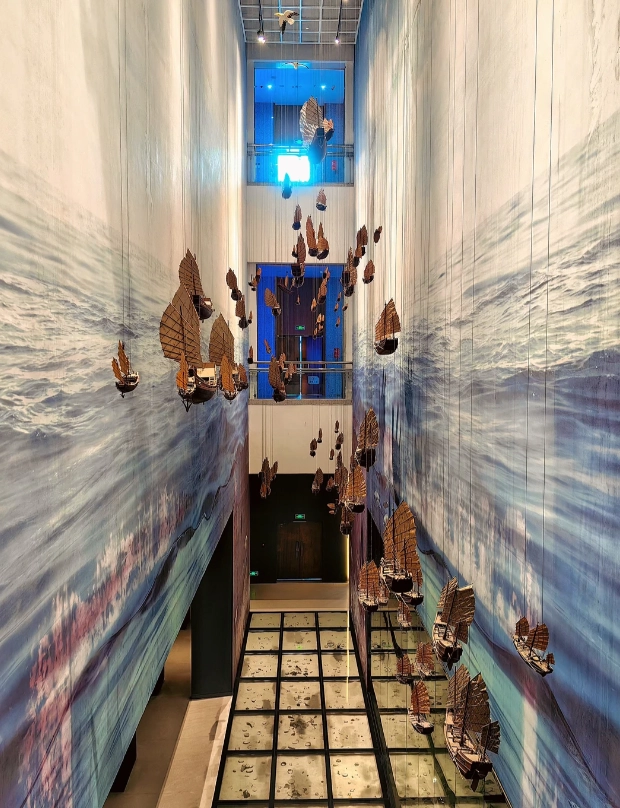
Tips to Maximize Your Visit
- Reserve ahead — especially on weekends. The museum caps daily visitors at around 5,000, and Saturday slots fill up by 10 AM. I've seen disappointed families turned away at the gate.
- Bring a light jacket. The air conditioning is fierce. I keep a thin cardigan in my bag year-round.
- Don't skip the gift shop. They sell replicas of Li brocade patterns and mini pottery — better quality than the tourist traps in town. Prices are reasonable (20–100 CNY).
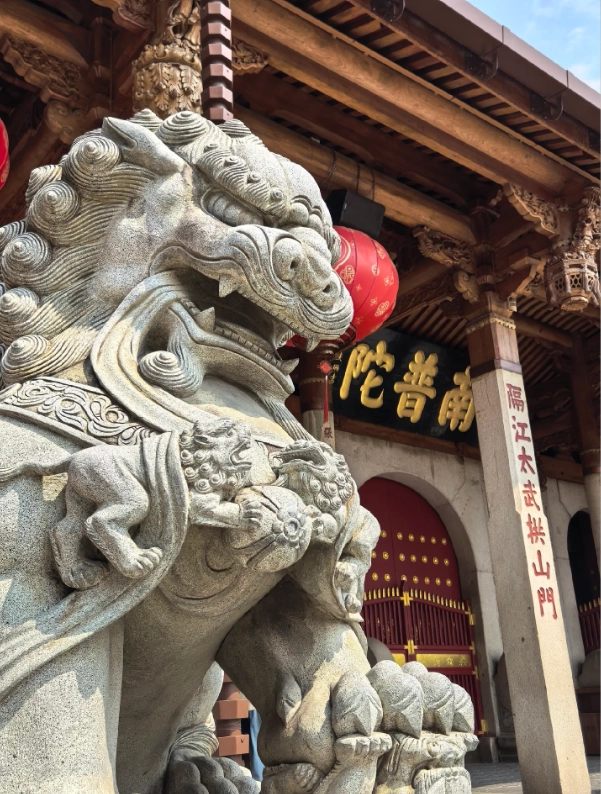
- Combine with the nearby Wugong Temple. It's a 1 km walk east, and together they make a half-day cultural tour of Haikou.
- Check the temporary exhibition schedule. Sometimes they host incredible collaborations — last year they had a special exhibition on Hainan's role in the 1950s Hainan Island Campaign, with never-before-seen photographs.
- Photography is allowed without flash. The lighting is decent for photos, but avoid using flash near the textiles (they're sensitive to light).





No comments yet.