 Qiang Huang
Your head is pounding in a Shanghai hotel room. You open Google Maps—useless. You don't speak Mandarin. And the nearest pharmacy looks like a laboratory. I've been there, with a fever in Chengdu, armed only with a translation app and a credit card that didn't work. Here's the real story on over-the-counter medicine buying in China pharmacies—what works, what doesn't, and the exact phrases that saved me.
Most travel blogs skip this topic entirely, but let me tell you: the biggest information gap is not finding a pharmacy—it's the passport rule. Nearly every pharmacy in China requires your passport for any OTC purchase, even a pack of ibuprofen. Forget it, and you're walking out empty-handed. This guide is built for your worst day: you're sick, tired, and don't want to waste time.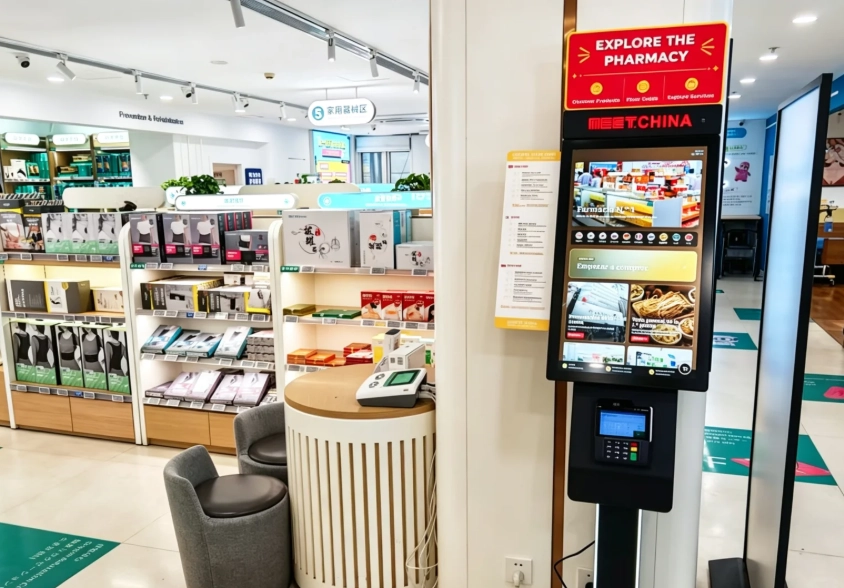
Straight to What You Need
- What OTC Medicines Can You Actually Buy in China?
- How to Buy Over-the-Counter Medicine in China Pharmacies: Step by Step
- Which Pharmacy Chain Should You Walk Into?
- Paying for OTC Medicine: Alipay, WeChat, or Cash?
- When OTC Isn't Enough: Emergency Care for Foreigners
- FAQ: Real Questions from Sick Travelers
What OTC Medicines Can You Actually Buy in China?
China has two categories of OTC medicine: “甲类” (Class A, red label) and “乙类” (Class B, green label). Class A requires a pharmacist's presence—usually available in any licensed pharmacy. Class B is even safer and sold in supermarkets and hotels. For common travel issues, you'll find:
- Pain and fever: Ibuprofen (布洛芬, bùluòfēn) and acetaminophen (对乙酰氨基酚, duìyǐxiān'ānjīfēn). Brand names include Fenbid and Tylenol. A standard box costs 15–30 RMB.
- Cold and flu: Chinese combination pills like 999 Ganmaoling (999感冒灵) are everywhere. They cause drowsiness—don't drive after taking them.
- Allergies: Loratadine (氯雷他定, lǜléitādìng) is non-drowsy and available in 10mg tablets.
- Stomach issues: Smecta (蒙脱石散) for diarrhea and omeprazole (奥美拉唑) for heartburn.
- Topicals: Antibiotic ointments like mupirocin (百多邦) and hydrocortisone cream.
What you likely won't find easily: pseudoephedrine-based decongestants (regulated), strong codeine cough syrups (prescription-only), and Western brand-name equivalents like NyQuil. Instead, ask for generic alternatives—pharmacists are trained to suggest them.
How to Buy Over-the-Counter Medicine in China Pharmacies: Step by Step
Here is the exact sequence that works every time, even with zero Mandarin. I've done this in Beijing, Guilin, and a tiny town in Yunnan—it's consistent.
Step 1: Walk in and show the pharmacist your passport. They will scan or photocopy it. This is non-negotiable since 2020, part of China's drug traceability system. No passport, no sale—I learned that the hard way in Hangzhou.
Step 2: Use a translation app to show your symptom. Apple Translate works offline if you download Chinese. Type “headache” → “头痛” (tóutòng). Or use the phrasebook below.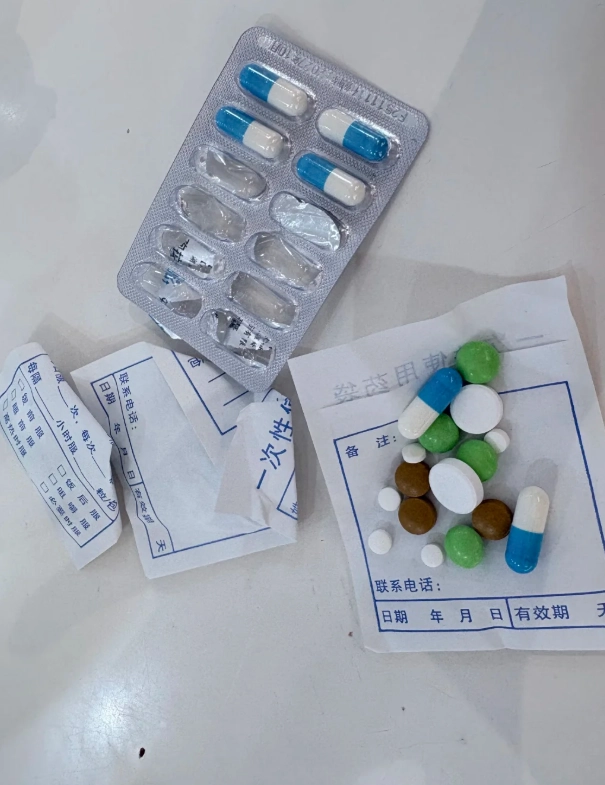
Pro Tip: Instead of asking for a specific brand, show a photo of the active ingredient. For example, a picture of “Ibuprofen 200mg” on your phone screen. Pharmacists recognize the English active ingredient faster than brand names.
Step 3: Pay. Most pharmacies accept Alipay or WeChat Pay linked to an international card. Cash is rarely refused but smaller shops may struggle with change. International credit cards? Almost never. I once watched a French tourist try to pay with Visa at a Tongrentang in Shanghai—the cashier pointed to the Alipay QR code and shrugged.
Step 4: Get a receipt. It's your proof if you need a refund or medical reimbursement. The receipt will be in Chinese—snap a photo and use Google Lens to translate.
Which Pharmacy Chain Should You Walk Into?
Not all pharmacies are created equal for foreigners. Here's how the major chains stack up, based on my repeated visits.
| Pharmacy Name | English Support | Passport Needed? | Payment Methods | Best For |
|---|---|---|---|---|
| Watsons (屈臣氏) | Some staff, basic English | Yes | Alipay, WeChat, cash, sometimes Visa | Minor issues, familiar brands |
| Mannings (万宁) | Limited | Yes | Alipay, WeChat, cash | Skincare, vitamins |
| Tongrentang (同仁堂) | Rare | Yes | Alipay, WeChat, cash | Chinese herbal medicine |
| Local independent pharmacy (药店) | Almost none | Yes | Alipay, WeChat, cash | Cheapest generics, quick service |
My go-to for tourists: Watsons. They have stores in every major mall, staff are used to foreigners, and they often stock international brands. Skip Tongrentang unless you specifically want herbal remedies—the staff are knowledgeable but the queue can be brutal.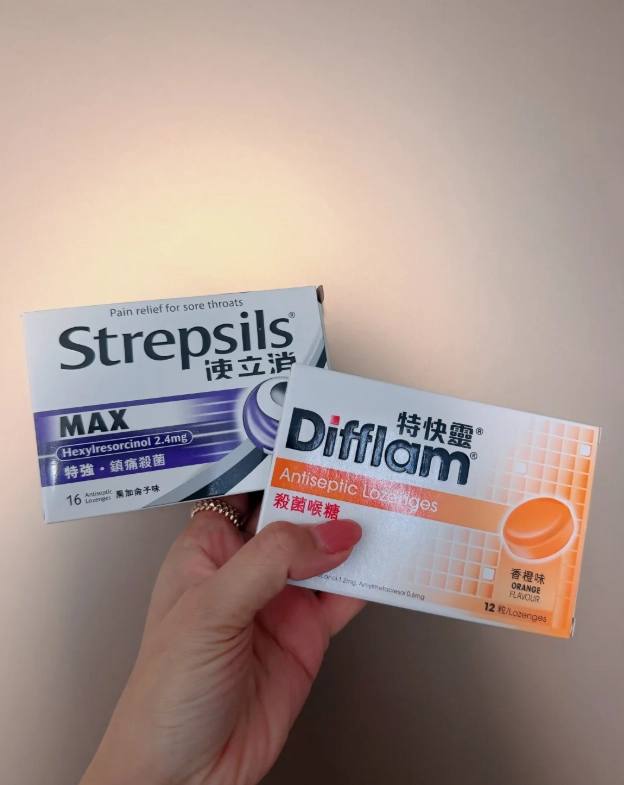
Paying for OTC Medicine: Alipay, WeChat, or Cash?
Cash works, but Alipay is smoother. Before your trip, link your international Visa or Mastercard to Alipay. The “Tour Pass” feature allows foreign cards to be used for 90 days. I've used it at pharmacies in Chengdu and Sanya without a hitch. Never assume the pharmacy takes foreign credit cards directly—about 90% don't.
What if your phone dies? Carry 100–200 RMB in cash as backup. Most pharmacies will accept it, but they might not have change for a 100 RMB note early in the morning.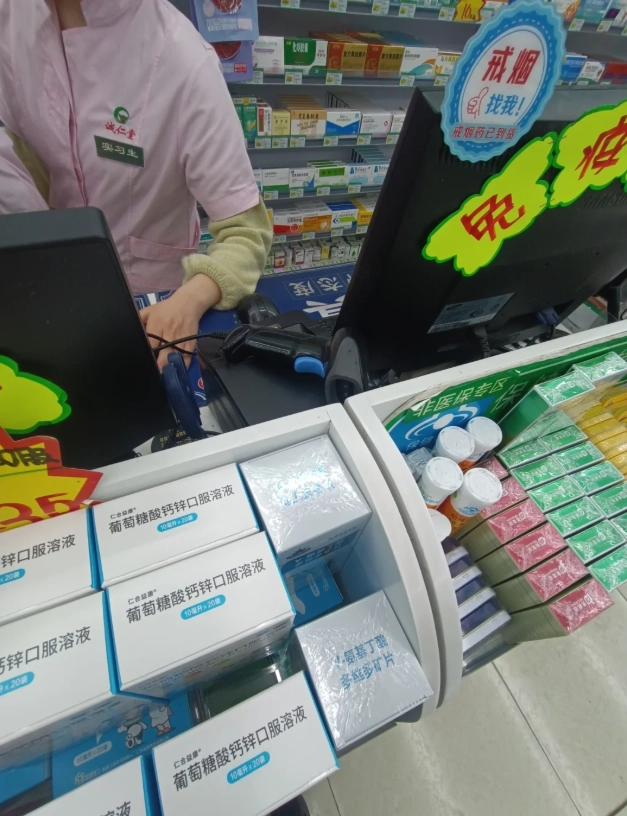
When OTC Isn't Enough: Emergency Care for Foreigners
If you have a high fever, severe pain, or difficulty breathing, skip the pharmacy and go to a hospital's international clinic. Cities like Beijing, Shanghai, and Guangzhou have VIP wards with English-speaking doctors. For example, Beijing United Family Hospital and Shanghai's ParkwayHealth. A consultation costs 500–1500 RMB, but they accept international insurance.
For minor issues, China's 120 emergency number works, but English operators are not guaranteed. Better to use your hotel concierge or a translation app to call. The National Immigration Administration provides a list of designated hospitals for foreigners, but it's in Chinese—ask your hotel to help.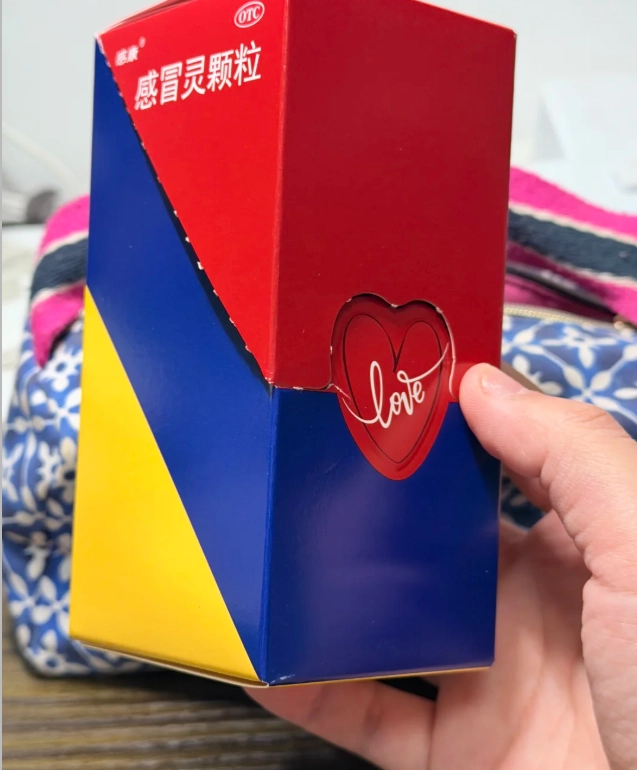
FAQ: Real Questions from Sick Travelers
Verified and fact-checked by the editorial team. This content has been fact-checked to ensure informational precision regarding pharmacy regulations and payment methods in China.



No comments yet.