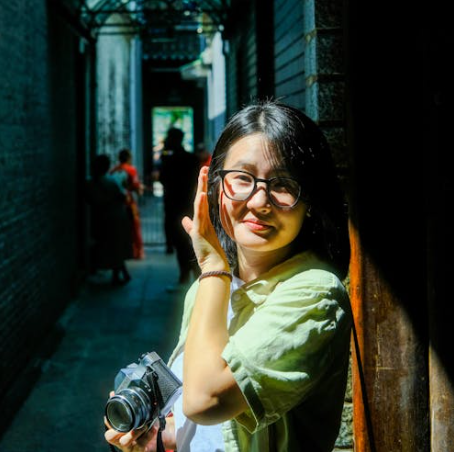
 Ting Chen
What's in this guide
I still remember my first client gasping for air at the Potala Palace steps. She’d skipped acclimatization—big mistake. Lhasa sits at 3,650 meters, and altitude sickness doesn’t care how fit you are.
I’ve guided dozens of trips to Tibet, and I’ve seen every mistake in the book. This guide is the distilled wisdom from those experiences. I booked my own Diamox, navigated the oxygen bars, and learned the hard way that the best remedy is prevention.
Here’s the bottom line: arrive early, rest on day one, and don’t be a hero. Most people feel fine within 48 hours if they follow the rules. I’ll walk you through the exact steps I give my clients—from meds to local remedies—so you can enjoy Lhasa without the headache.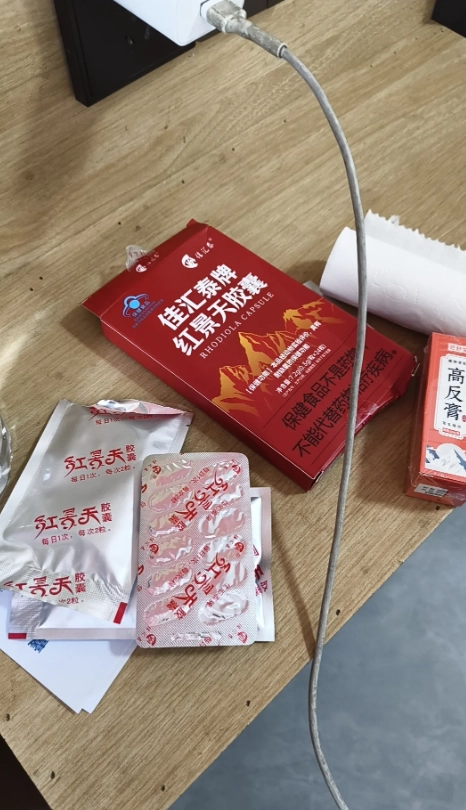
Understanding Lhasa's Altitude and Why It Matters
Lhasa's altitude is no joke—at 3,650 meters, the air holds about 40% less oxygen than at sea level. Your body needs time to adjust. I always tell my clients: think of it as a slow climb, not a sprint.
Symptoms like headache, nausea, and breathlessness are common in the first 24 hours. But here's the catch: they can escalate quickly if you ignore them. That's why prevention is key—and it starts before you even board the plane.
Proven Prevention Strategies Before You Arrive
Prevention isn't complicated, but it requires planning. I've seen too many travelers wing it and suffer. Here's what works.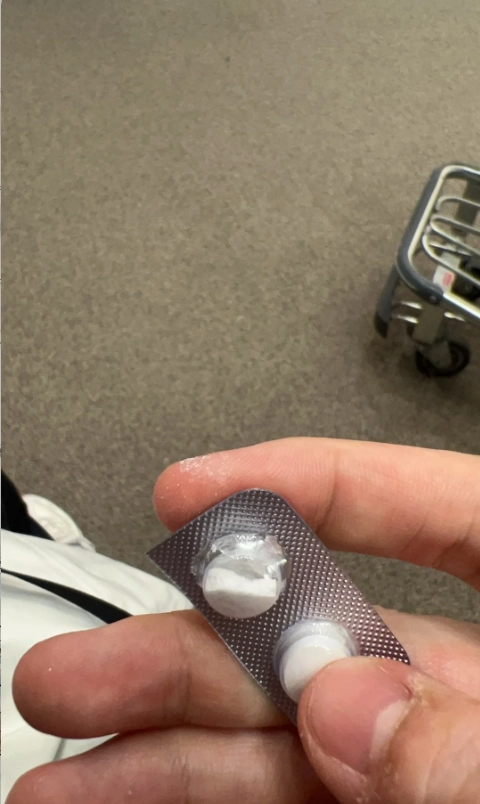
1. Acclimatization: The Golden Rule
Most travelers fly directly to Lhasa from sea level, skipping gradual ascent. That's a recipe for trouble. If you can, spend a night in Xining (2,200m) or Tsedang (3,100m) en route. If not, at least give yourself a full day of rest in Lhasa before doing anything strenuous.
I always schedule clients to arrive in the morning, check in, and do nothing but hydrate and sleep. The next day, short walks only. By day three, they're ready for the big sights.
2. Medication: Diamox and Beyond
Diamox is the go-to preventive drug for many travelers. It speeds up acclimatization but isn't a magic pill. Start taking it 24 hours before ascent—500mg twice daily. Side effects include tingling fingers and frequent urination, but it's worth it if you're prone to altitude sickness.
I always tell my clients to consult their doctor first. In Lhasa, you can buy Diamox at pharmacies like those near Barkhor Street, but bring a prescription from home to be safe.
3. Hydration and Diet
Dehydration mimics altitude sickness symptoms, so drink up. Aim for 3-4 liters of water daily. Avoid alcohol and sedatives—they slow your breathing. I know it's tempting to celebrate with a beer, but save it for the last night.
Eat light, high-carb meals. Local Tibetan bread and noodle soups are great. I personally swear by butter tea—the salt and calories help, and it's a cultural experience.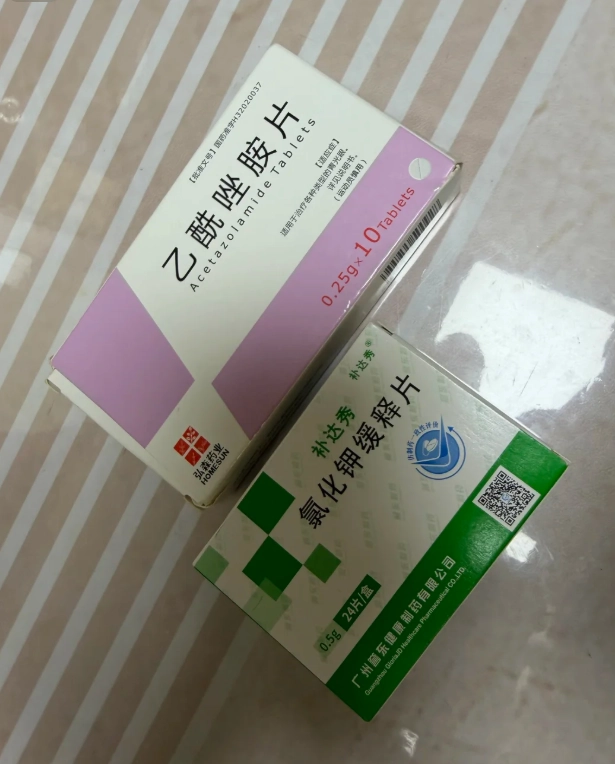
What to Do If You Start Feeling Sick
Even with precautions, altitude sickness can hit. Don't panic. Here's my step-by-step protocol.
Recognize the Symptoms
Headache, nausea, dizziness, and fatigue are early warning signs. If you have these, stop all activity and rest. If symptoms worsen—especially shortness of breath at rest or confusion—seek medical help immediately.
I carry a pulse oximeter on all tours. If your oxygen saturation drops below 85%, it's time to act.
Immediate Remedies
Supplemental oxygen is the fastest relief. Many hotels in Lhasa rent oxygen canisters or have oxygen bars. I've used the ones at the Shangri-La and St. Regis—they're reliable. For a budget option, buy a portable oxygen can from any pharmacy for about 30-50 RMB.
If symptoms are mild, rest and hydration may suffice. But don't push through—altitude sickness can escalate to HAPE, which is life-threatening.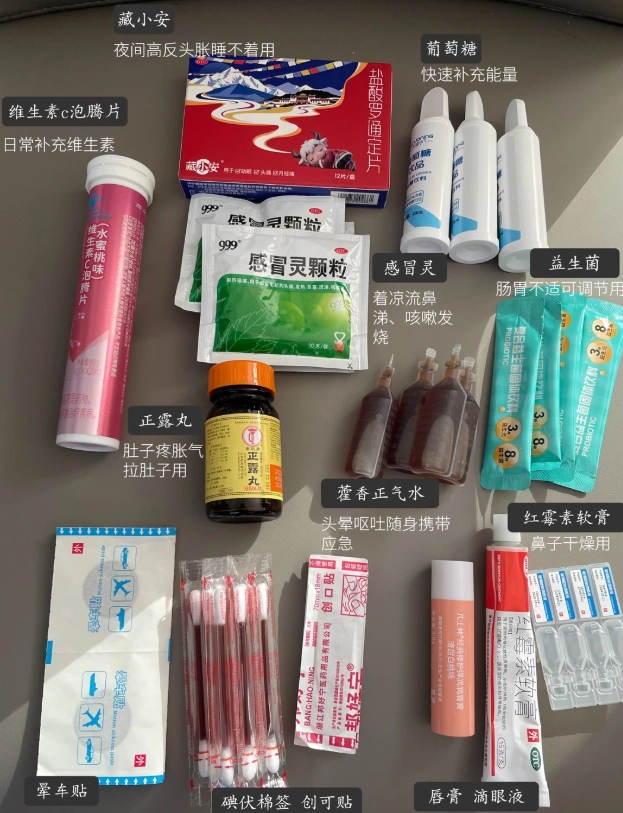
Remedies That Actually Work
Beyond oxygen, here are tried-and-true remedies from my years in Tibet.
- Rest and sleep: Your body repairs itself during sleep. I insist on a quiet, dark room for the first night.
- Carbohydrates: Tibetan momos and rice dishes provide quick energy.
- Local herbs: Rhodiola (sold as tea or capsules) is popular among Tibetans. I've found it mildly helpful, but don't rely on it alone.
- Acclimatization walks: Gentle strolls around Barkhor Street help your body adjust, but avoid steep climbs.
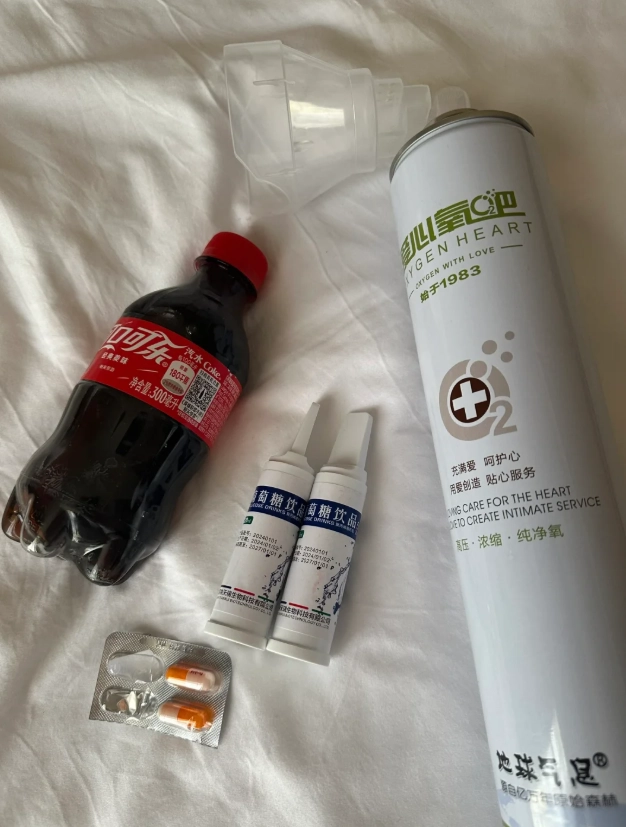
Pro Tip: I always tell my clients to pack acetazolamide (Diamox) and ibuprofen. The latter helps with altitude headaches. Also, avoid flying in and out on the same day—give yourself at least three nights in Lhasa.
FAQ: Your Altitude Sickness Questions Answered
Can I drink alcohol in Lhasa to help me sleep?
Absolutely not. Alcohol dehydrates you and suppresses breathing, worsening altitude sickness. I've seen travelers end up in the clinic after a "nightcap." Save the celebration for your last night.
Is it safe to take Diamox without a prescription?
Diamox is prescription-only in many countries, but in China, you can buy it over the counter. However, I strongly advise consulting your doctor first—especially if you have sulfa allergies. Self-medicating is risky.
What's the best way to get oxygen in Lhasa?
Hotels like the St. Regis have oxygen bars, but they're pricey. For budget travelers, pharmacies sell portable oxygen canisters. I always keep one in my daypack. Also, the Lhasa People's Hospital has a high-altitude clinic if you need medical-grade oxygen.
How long does it take to acclimatize to Lhasa's altitude?
Most people need 2-3 days to feel normal. I've seen some adjust in 24 hours, but that's rare. Plan for at least three nights in Lhasa before heading to higher places like Everest Base Camp.
Are there any natural remedies for altitude sickness?
Coca tea is popular in Peru, but in Tibet, rhodiola is the local go-to. It's sold in tea bags and capsules. I find it helps with fatigue, but it's not a substitute for rest and oxygen. Also, ginger tea can soothe nausea.
Verified and fact-checked by the editorial team.




No comments yet.