 Ting Chen
My ears were ringing before I even stepped out of the van. The driver had just pulled into the Lakenla Pass parking lot — 5,190 meters above sea level — and half my group was already digging for oxygen cans. I’ve guided foreigners to Namtso Lake more times than I can count, and I still see the same mistakes every single week. This isn’t a “hidden gem” article. It’s the gritty, practical download you need before you commit eight hours of your Tibet trip to a Namtso Lake day trip from Lhasa.
Here’s the uncomfortable truth most blogs skip: this trip is a physical challenge first, a sightseeing tour second. The lake is stunning. The drive is brutal. Knowing that upfront will save you a headache — literally. Let me walk you through the real costs, the passport checks, and the exact timing that separates a joyful day from a miserable one.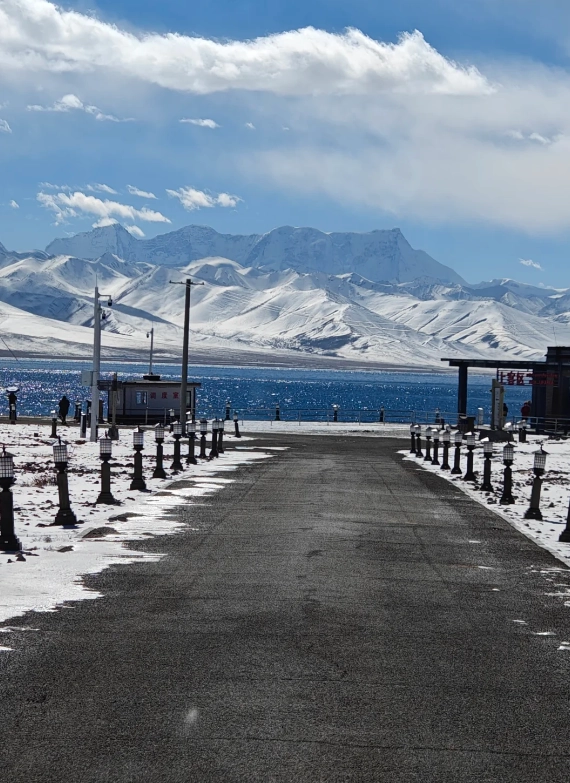
⚡ Quick Jump: What You Actually Need to Know
- How Long Does a Namtso Lake Day Trip from Lhasa Really Take?
- How to Prevent Altitude Sickness at Namtso Lake
- Tickets, Passport Rules, and the Booking Portal Struggle
- What’s the Best Time to Arrive to Dodge Crowds and Harsh Light?
- Food, Toilets, and Other On-Site Realities
- FAQ: Real Questions from Travelers Like You
How Long Does a Namtso Lake Day Trip from Lhasa Really Take?
A day trip from Lhasa to Namtso Lake typically means 8 to 10 hours door-to-door — not the 5-hour highlight reel the tour agencies advertise. The road distance is roughly 240 kilometers each way, but mountain speed limits and checkpoints stretch every minute. I always tell my clients to treat it as a full-day commitment, with a departure no later than 6:30 AM if you want to avoid the afternoon wind storms at the lake.
| Segment | Estimated Time | Key Detail |
|---|---|---|
| Lhasa to Lakenla Pass (5,190 m) | 3.5 – 4 hours | Two toilet stops; the last decent one is at Yangpachen |
| Lakenla Pass to Namtso Lake shore | 30 – 40 minutes | Prayer flags viewpoint; snapping photos here saves time later |
| Time at lake (recommended) | 1.5 – 2 hours | Walking to the water’s edge takes 15 minutes from the parking lot |
| Return to Lhasa | 3.5 – 4 hours | Afternoon winds pick up after 3 PM; leave by 1:30 PM to stay comfortable |
Here is the catch: many group tours squeeze in a 90-minute stop at the lake and rush you back. That’s barely enough time to walk to the shore, take a photo, and use the bathroom — let alone absorb the place. If you are booking a shared van, ask specifically how long they allocate at the lake itself. Private drivers give you more flexibility, but they also cost more. Expect to pay between 800 and 1,200 RMB per vehicle for a private day trip, depending on your negotiation skills and the season.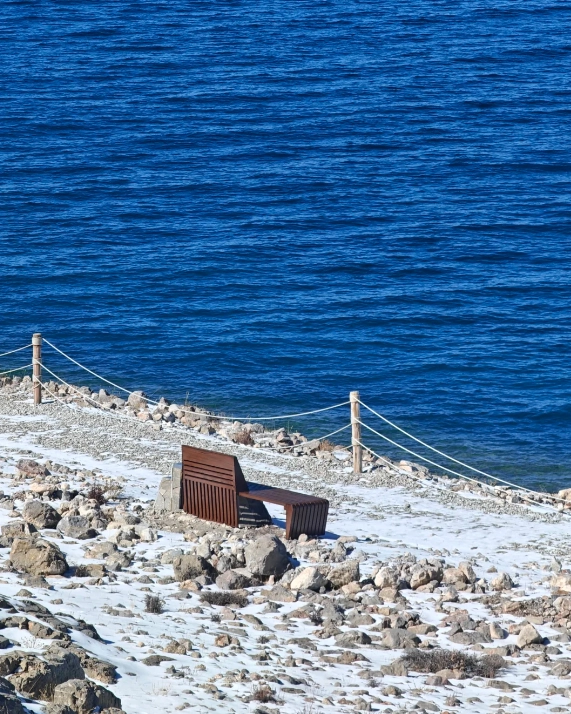
How to Prevent Altitude Sickness at Namtso Lake
Namtso Lake sits at 4,718 meters — higher than Everest Base Camp’s south side — so altitude sickness is the single biggest trip-killer. I have seen fit marathon runners become dizzy and nauseous within thirty minutes of arrival. The culprit isn’t just the lake’s elevation. It’s the rapid ascent over Lakenla Pass, where you cross 5,190 meters without any acclimatization.
Most travelers spend two or three days in Lhasa (3,650 m) before attempting this trip. That helps, but does not guarantee comfort. Here is my field-tested advice:
- Start hydrating the night before. Not just water — add a electrolyte tablet if you have one.
- Do not chug water during the drive. Sip slowly. A full bladder at altitude is a recipe for misery because bathrooms are scarce.
- Bring a portable oxygen can. You can buy one at any pharmacy in Lhasa for about 30 RMB. Tour agencies often sell them for 50 RMB, so stock up before.
- Avoid alcohol and sedatives the night before. Both slow your breathing.
- Walk slowly at the lake. The shoreline is uneven and the wind can knock you off balance. I always tell my clients: “Shuffle like a penguin, not sprint like a cheetah.”
Insider Advice: If you feel a headache coming on at Lakenla Pass, do not push through to the lake shore for photos. Sit in the van, breathe slowly, and skip the pass viewpoint on the way back. The lake will still be there on your next trip. I’ve had to cut two trips short in the past year because travelers ignored early warning signs — a throbbing head and cold sweats. Respect the altitude.
Tickets, Passport Rules, and the Booking Portal Struggle
Foreign travelers need a valid passport and a Tibet Travel Permit to enter the Namtso Lake area, and your tour operator must handle both — you cannot book independently. The permit is issued by the Tibet Tourism Bureau, and your agency will usually arrange it as part of the tour package. As of my last visit, the entrance fee was 120 RMB per adult, with children under 1.2 meters entering free. Seniors over 70 get a discount, but you must show ID at the gate.
Now, here is the annoying part that no blog tells you: the ticket office occasionally asks for a printed copy of your permit. Most agencies send a digital PDF. I have seen travelers stuck at the gate for thirty minutes while their guide argued with the ticket scanner. My advice? Ask your tour operator for a printed copy of both your permit and your ticket voucher before you leave Lhasa. The gate staff are friendly, but the internet signal there is patchy at best.
Can you pay with an international credit card at the gate? Sometimes, but don’t bet on it. The ticket booth accepts cash (Chinese yuan) and WeChat Pay or Alipay with a Chinese bank account. If you rely on a foreign card linked to Alipay, test it in Lhasa first. I always carry 200 RMB in cash for emergencies like this.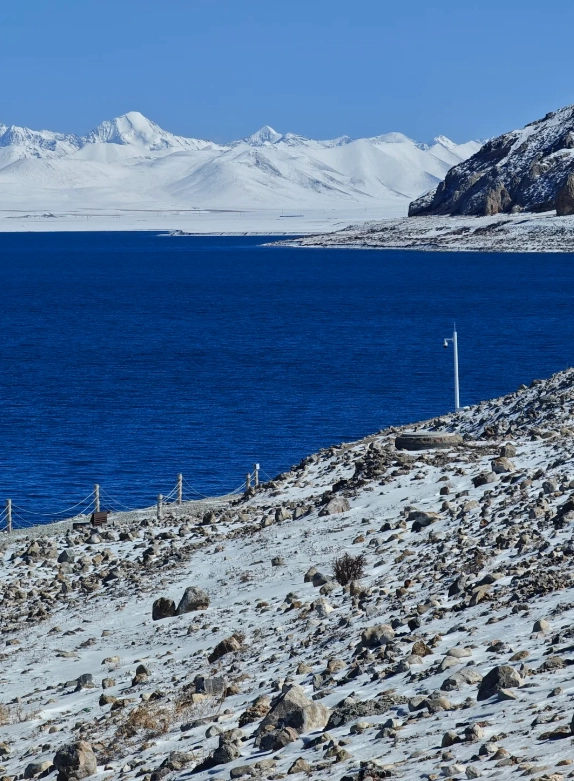
What’s the Best Time to Arrive to Dodge Crowds and Harsh Light?
Arrive at the lake by 10:30 AM if you want calm water and empty photos — but here is the non-consensus part: the golden hour is actually late afternoon, not noon. Most tour groups dump their passengers at the lake between 11 AM and 1 PM. That’s when the wind kicks up, the water turns choppy, and the sun is directly overhead, making every photo look flat and washed out.
I always schedule my private trips to reach the lake by 10 AM. The wind is still gentle, the reflections are mirror-like, and the crowds are thin. Then we leave around 12:30 PM, just as the large buses roll in. If you are stuck with a group tour that arrives at noon, walk at least 300 meters away from the main parking area towards the eastern shore. Most visitors never wander that far, and you’ll find a quiet spot with better light.
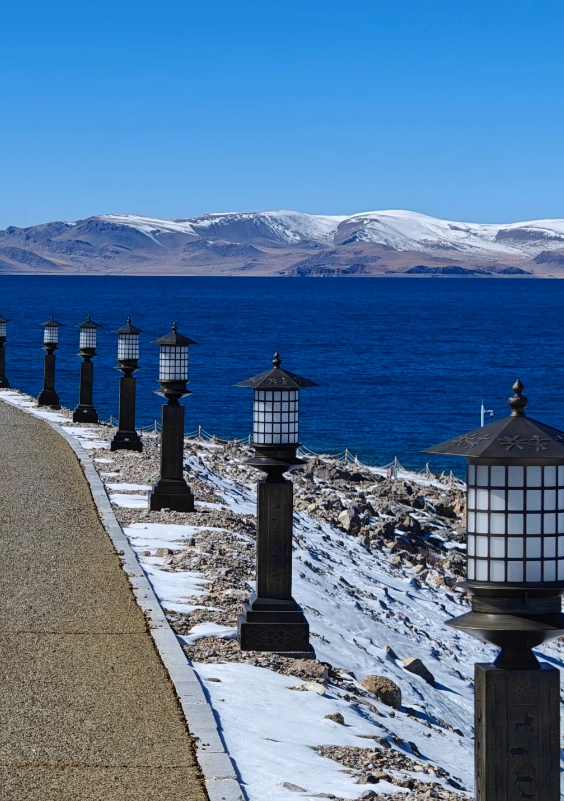
November through March brings ice and snow, and the lake can be partially frozen. It’s beautiful but brutally cold — minus 15°C is common. The road can also close after heavy snowfall, so check with your agency the night before.
Food, Toilets, and Other On-Site Realities
There is no proper restaurant at Namtso Lake — only a cluster of basic tents selling instant noodles and yak butter tea. The noodles cost around 25 RMB, and they hit the spot when you’re cold. But if you have a sensitive stomach, skip the yak butter tea. It’s rich and heavy, and the altitude already slows digestion.
Pack your own snacks: nuts, chocolate, and a thermos of hot water. I always bring a small bag of dried fruit — it’s easy to eat when you have no appetite.
Toilets are pit latrines, and they are exactly what you’d expect at 4,700 meters: basic, smelly, and often missing a door latch. Use the restroom at the Lakenla Pass viewpoint instead — it’s slightly cleaner because fewer tourists stop there. Also, bring your own toilet paper and hand sanitizer. Trust me on this one.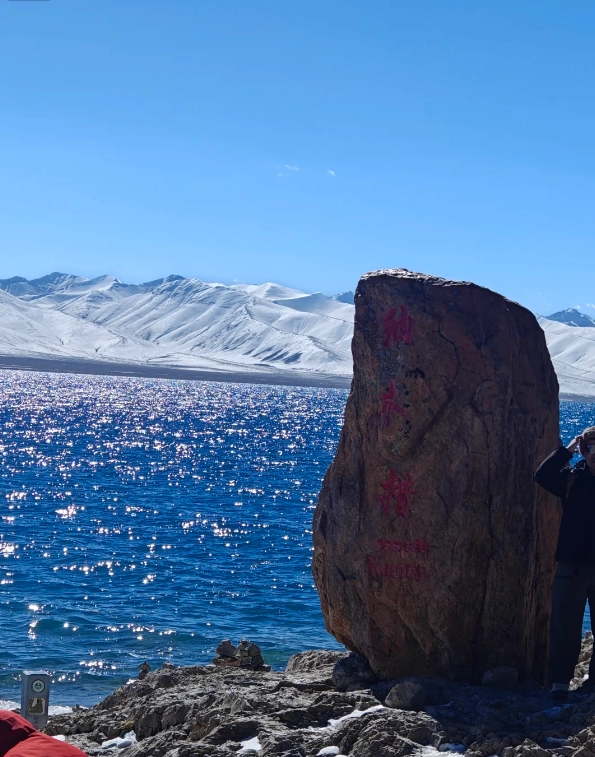
FAQ: Real Questions from Travelers Like You
Can I visit Namtso Lake independently without a tour operator as a foreigner?
No. Foreign travelers are legally required to have a Tibet Travel Permit and a licensed guide for all excursions outside Lhasa, including Namtso. Attempting to rent a car and drive yourself will get you stopped at the first checkpoint. You must book through a registered Tibetan travel agency. The good news is that many agencies offer shared van day trips for around 300–400 RMB per person, which is far cheaper than a private car.
What should I do if I feel altitude sickness coming on during the drive?
Speak up immediately. Tell your guide or driver you need to stop. Do not wait until you reach the lake. The pass at 5,190 meters is the worst place to feel unwell, so if you are already dizzy on the way up, turn around. Descending even 300 meters can dramatically relieve symptoms. I keep a small pulse oximeter in my bag and check my clients’ oxygen saturation at the pass. If it drops below 80%, I call it — we head down. There is no shame in prioritizing your health over a photo.
Are there ATMs or places to change money near Namtso Lake?
Absolutely not. The nearest ATM is in Lhasa or Damxung town, and the ticket booth does not accept foreign currency. Bring enough cash in Chinese yuan to cover snacks, toilet fees (usually 2–5 RMB), and any small souvenirs. If you rely on Alipay or WeChat Pay with a foreign card, test the payment at a convenience store in Lhasa before you leave. Payment failures are common in rural areas because the network is unstable.
What is the best month to avoid crowds and still have clear roads?
Late May and early June offer the sweet spot: the road is fully open, the grass is turning green, and the summer holiday crowds have not arrived yet. Avoid the first week of October — that’s Chinese National Day holiday, and the lake becomes a parking lot. I also avoid July and August if possible, not because of weather, but because domestic tour buses flood the shoreline. If you must go in summer, book a private trip and leave Lhasa at 6 AM sharp.
Verified and fact-checked by the editorial team. This content has been fact-checked to ensure informational precision.
No comments yet.