 Hui Lin
What’s Inside This Guide
Two years ago, a client burst into tears at the Beijing airport—her “luxury” group tour had her eating lunch at 2 PM in a crowded mall, and she’d missed the Forbidden City’s morning light entirely. That’s the brutal truth: most high-end packages in China are just expensive group tours with a fancy label.
If you’re searching for luxury travel China custom tours, you want a trip crafted around your pace, not a bus schedule. I’ve been designing private itineraries for foreign visitors for over a decade. The key is knowing which doors open only with local expertise—and which “upgrades” are pure waste. In the next 1,200 words, I’ll show you exactly how to build a seamless, high-end journey.
Here’s a quick map of what we’ll cover. No fluff, just field-tested advice.
Why Custom Tours Beat Group Tours in China
Group tours in China trade your freedom for crowd control—custom tours flip that equation. I’ve watched luxury travelers get herded through the Terracotta Warriors at noon when the lighting is flat and the halls are packed. A custom guide can shift your visit to 3 PM, when the golden hour hits the clay faces and the tour buses have left. That single move transforms a checklist stop into a memory.
Let’s be honest about costs. A luxury custom tour adds 30–50% over a premium group tour, but you gain back hours of wasted time and mediocre meals. I still cringe when I recall a client’s story: their “luxury” group tour served a $5 boxed lunch at a souvenir shop. With a custom itinerary, you’ll eat at a family-run noodle shop that’s been perfecting its broth for three generations—no gift shop attached.
Here’s the breakdown I share with my clients:
| Feature | Group Tour | Custom Luxury Tour |
|---|---|---|
| Pace | Fixed, often rushed | Flexible, with rest stops |
| Meals | Set menus in tourist spots | Curated local restaurants |
| Timing at sites | Peak hours | Optimized for light & crowds |
| Guide | Shared, scripted | Private, expert in your interests |
| Transport | Large bus, waiting time | Private car with driver |
If you’re a culture-focused traveler, the custom route lets you spend three hours at the Shanghai Museum’s bronze gallery without a guide tapping their watch. Families with kids? A private guide can pivot to the Beijing Zoo’s panda house when energy dips—something a group tour can’t do.
How to Plan a Luxury Custom Tour (Step-by-Step)
Start with your non-negotiables, then let a local expert fill the gaps. Too many travelers hand a generic wishlist to their travel agent. Instead, pinpoint two or three “must-do” experiences—say, a private after-hours tour of the Great Wall or a hotpot dinner with a local family in Chengdu. Then build the rest around them.
1. Choose the right agency—not the one with the glossiest website
I’ve seen agencies charge $500 for a “luxury” airport transfer that’s just a shared shuttle. Ask three questions: Do they have a physical office in China? Can they provide references from past clients? Will your guide be a licensed English-speaking professional with a background in history or art? The last one matters—a good guide at the Forbidden City can explain why the dragon tiles on the roof are arranged in a specific number, turning a photo stop into a story.
For official visa and entry policies, always cross-check with the National Immigration Administration. They’ve recently streamlined transit visas for many nationalities, but rules change—don’t trust outdated blog posts.
2. Lock in your must-see tickets early—with the right channels
The Forbidden City now requires real-name booking with your passport, and tickets sell out 7 days in advance. Most luxury agencies will handle this for you, but verify they’re using the official Palace Museum website. If you’re booking yourself, use Trip.com—their English interface accepts international credit cards, and you can enter your passport details directly. Avoid third-party resellers that charge triple and sometimes fail to deliver.
Here’s a pro tip from my own experience: the Forbidden City’s west route (Wuying Hall area) is often nearly empty in the morning while the main axis is packed. Tell your guide to start there and loop to the central halls around 11 AM, just as the first wave tires out.
3. Decide on your transport mode—and know the real costs
A private car with driver in Beijing runs about $80–$120 per day for a standard sedan. For a family of four, a minivan is $120–$180. That’s not a splurge; it’s sanity. Taxis from the airport can take 45 minutes in traffic, and your hotel might be in a hutong where cars can’t enter. A good agency will pre-book a licensed driver who meets you at arrivals with a name sign—no haggling with black car touts.
Pro Tip: If you’re taking the high-speed train between cities, book through China Railway 12306’s official site or app—agencies sometimes add a markup. For first-class seats, aim to book 30 days ahead, especially on the Beijing–Shanghai route.
Curated Experiences You Won’t Find Online
The best luxury moments in China are behind unmarked doors—and only a connected local can unlock them. I’m talking about a private tea ceremony with a master in Hangzhou’s Longjing village that starts at 6 AM to catch the sunrise over the terraces. Or a Sichuan cooking class in a Chengdu home where the host takes you to the neighborhood market first to choose fresh chili peppers. These aren’t on Viator or GetYourGuide.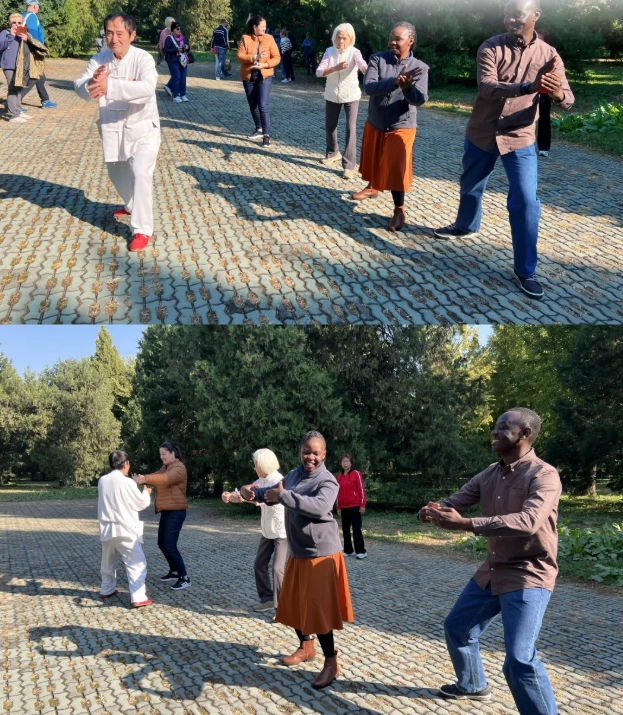
Here are two of my favorites to recommend to clients who crave authenticity:
- Shanghai’s Lilong breakfast walk: Start at 7 AM in the former French Concession. Your guide leads you through stone-gate lanes to a tiny stall selling jianbing (savory crepe) that’s been in the same family for 40 years. Cost: about $15 per person, including food. Note: the stall closes by 9 AM.
- Xi’an’s after-hours Muslim Quarter tour: At 8 PM, when day-trippers have gone, a local historian walks you through the back alleys to taste hand-pulled noodles and sweet rice cakes. You’ll also learn how the Hui community has preserved its traditions for centuries. Price: $60 per person with a private guide.
For these experiences, your agency should have direct relationships with the vendors. I once booked a “luxury” calligraphy class that turned out to be a generic workshop with a bored instructor. Now I vet every activity in person before offering it.
Mistakes I See Luxury Travelers Make
Over-scheduling is the silent trip killer. I’ve met travelers who crammed Beijing’s top three sights into one day and ended up with blisters and zero photos they liked. China’s sites are massive—the Forbidden City alone covers 180 acres, and you’ll walk at least 3 miles. A custom luxury tour should have one major site per day, with a relaxed morning and an afternoon break at a teahouse.
Another frequent error: assuming your international credit card works everywhere. It doesn’t. Many local restaurants and taxis only accept WeChat Pay or Alipay linked to a Chinese bank card. Set up Alipay with your foreign card before you arrive—it’s the most reliable backup. Hotels and upscale shops take Visa/Mastercard, but always carry a few hundred yuan in cash for small vendors.
And please, don’t rely on Google Maps. It’s often inaccurate for walking directions and doesn’t show real-time traffic. Apple Maps works decently in major cities, but I tell my clients to download Amap (高德地图) with the English interface—it’s what locals use, and it shows bus routes and taxi hailing options.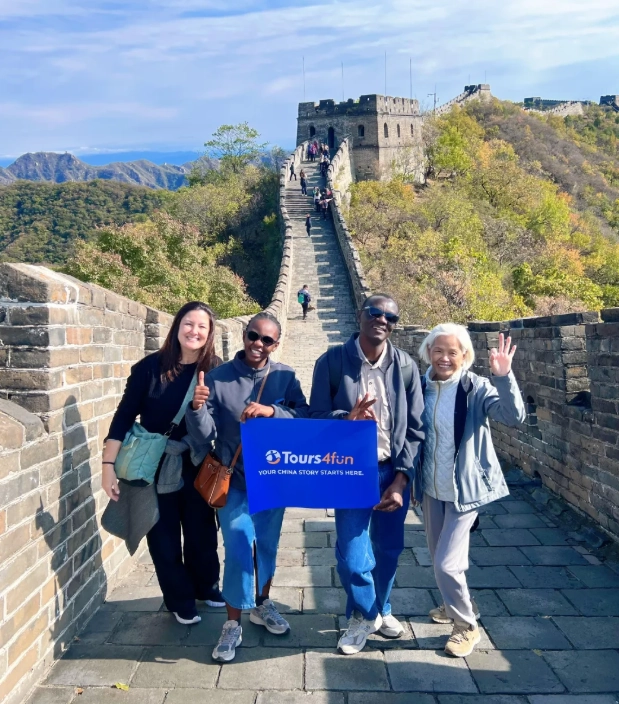
Insider Advice: If you’re visiting during a public holiday like Golden Week (first week of October), even luxury hotels can be chaotic. The Great Wall at Badaling becomes a sea of people. Instead, plan a private hike on the Jiankou section with a licensed guide—it’s wilder, less crowded, and utterly breathtaking. But note: the path is steep, so wear proper shoes.
Quick Answers to Your Burning Questions
Yes, but you’ll need a specialized agency with permits. Tibet requires a government-issued Tibet Travel Permit, which your agency applies for at least 15 days in advance. For Xinjiang, some areas need additional border passes. The upside: you’ll see landscapes like Karakul Lake with zero crowds. Just be prepared for long drives—distances are vast.
Expect $8,000–$15,000 total, excluding international flights. That covers boutique hotel stays (like the Amanfayun in Hangzhou or a courtyard suite in Beijing’s hutongs), private guides, car/driver, and some meals. Cutting costs on transport—say, using high-speed trains instead of flights—can save $1,500 without sacrificing comfort.
Link your Visa or Mastercard to Alipay before you fly—the app now supports international cards for most transactions. Your hotel will accept your credit card, but small vendors often won’t. Carry a backup of about ¥1000 in cash, and use your hotel’s front desk to break large bills. Avoid airport currency exchange—rates are poor.
Absolutely, as long as your guide is licensed. China is generally very safe for tourists, but petty theft can happen in crowded markets. Your guide will also help you navigate the rare scam—like the “tea ceremony” invitation near the Bund that ends with an inflated bill. Stick with licensed operators, and you’ll be fine.
A portable VPN. Google, WhatsApp, and Instagram are blocked by default. Download a reliable VPN before you leave and test it. Also, consider a small power bank—you’ll be using your phone for translation, maps, and payments constantly. Your hotel will have adapters, but China uses Type A/C/I plugs, so bring a universal adapter if your devices use other types.
Verified and fact-checked by the editorial team. This content has been fact-checked to ensure informational precision.
No comments yet.