 Qiang Huang
On This Page
- Why Nanjing Is the Undisputed Must See in Jiangsu for History Lovers
- What Are the Must See in Suzhou Attractions That Make It a UNESCO Star?
- How to Plan a 3-Day Jiangsu Itinerary That Doesn’t Exhaust You
- Practical Tips for Navigating Must See in Jiangsu: Payment, Maps, and Reservations
- FAQ: Must See in Jiangsu Questions Answered
Your first 20 minutes in Jiangsu can be a blur. I’ve watched travelers stand frozen at Nanjing South Railway Station, staring at a ticket machine that only speaks Chinese. The must see in Jiangsu aren’t hard to reach — we just make them hard on ourselves. Over the years, I’ve guided dozens of first-timers through this province, and the biggest mistake they make is trying to see everything. So here’s the truth: you can hit the highlights in three days if you stick to Nanjing and Suzhou. Skip the wannabe Venice villages that fill your Instagram feed.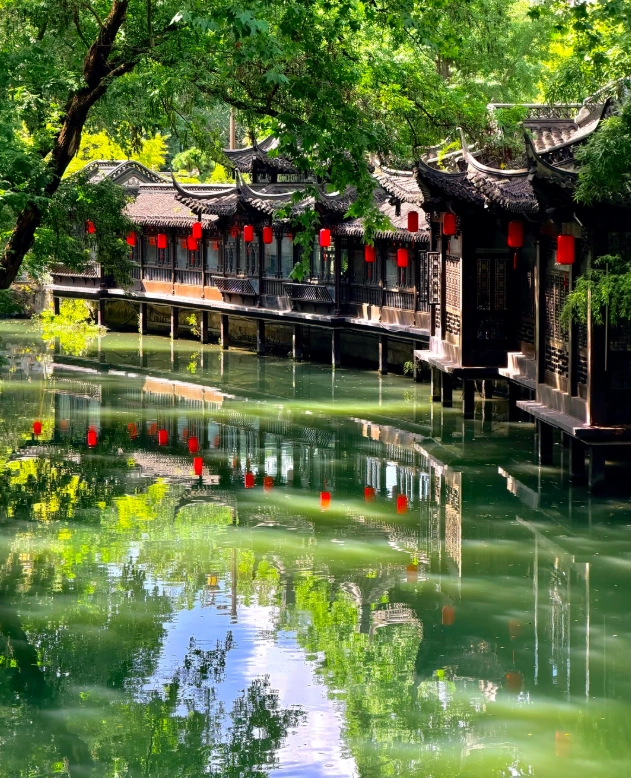
Why Nanjing Is the Undisputed Must See in Jiangsu for History Lovers
Nanjing was the capital of six ancient dynasties, and walking down its tree-lined avenues feels like flipping through a history book. But the must-see sights here aren’t just the monuments — they’re the stories you can almost touch.
Sun Yat-sen Mausoleum – The City’s Soul
The Sun Yat-sen Mausoleum sits on the southern slope of Purple Mountain, and it’s arguably the most emotionally charged spot in Jiangsu. It’s free to enter, but you must reserve your spot. You can do this via the official WeChat mini-program (in Chinese) or on Trip.com — you’ll need your passport number. The mausoleum is in the Zhongshan Scenic Area, Xuanwu District. Opening hours are typically 8:30 to 17:00, with last entry at 16:30.
Take Metro Line 2 to Muyuan station (苜蓿园), exit 2, then walk about 15 minutes uphill — or hop on the sightseeing bus (about 10 CNY) to the base. My advice: get there before 9:00 AM. The 392 steps are exhausting, but the view from the top is worth it. Here’s a trick many guidebooks miss: instead of joining the crowds at the south gate, ask your taxi driver to drop you at the west gate — it’s a quiet path that locals use, and you’ll skip the long security line.
Pro Tip: The sun beats down on the open plaza in the afternoon. Bring water and a hat, or you’ll be that red-faced tourist.
Ming Xiaoling Mausoleum – A Peaceful Treasure Next Door
Ming Xiaoling is the tomb of the Hongwu Emperor, and it’s often overshadowed by Sun Yat-sen — but that’s exactly why you should go. The entrance fee is about 70 CNY for adults (35 CNY for students), though prices can shift with peak seasons. It’s located in the same scenic area, so you can easily walk between the two. Combination tickets for both often cost around 120 CNY — ask at the ticket office. The site opens at 6:30 in summer and closes at 18:00.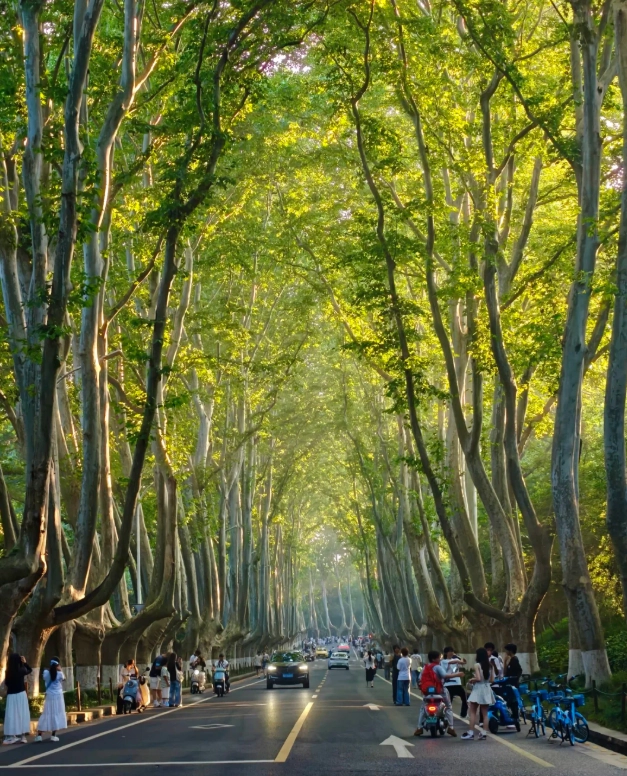
The Sacred Way, lined with giant stone animals, is the highlight. I always tell my clients to visit in the late afternoon, when the light turns golden and the tour groups have vanished. One thing that frustrated even me: the restroom near the entrance always has a long line. Instead, walk five minutes to the Ming Dynasty Museum — cleaner and no wait.
Confucius Temple (Fuzimiao) – A Nighttime Wonder
Fuzimiao is a lantern-lit wonderland after dark, but the daytime crowds will test your patience. The main temple complex is free, but the surrounding area is a massive commercial street. Come at night to see the Qinhuai River reflecting colored lights. The night market stretches for blocks, but the food stalls right on the main square are overpriced and bland. Walk two blocks south to Laomendong (老门东) for better local snacks like duck blood soup and star anise-fragrant braised chicken.
Also, please ignore the friendly “tea ceremony” invite near the river. It’s a classic scam — they’ll charge you hundreds of yuan for a cup of leaves.
What Are the Must See in Suzhou Attractions That Make It a UNESCO Star?
Suzhou is famous for its classical gardens, recognized as a UNESCO World Heritage Site. If you only have time for two, make them these.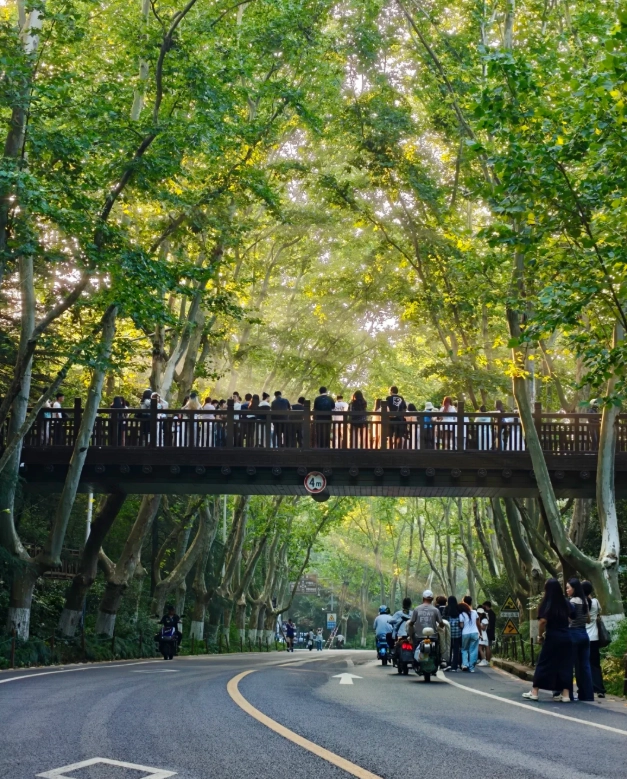
Humble Administrator’s Garden (Zhuozheng Yuan)
The Humble Administrator’s Garden is the largest and most celebrated of Suzhou’s gardens, and it’s a masterpiece of water, rock, and silence. Tickets are 80 CNY in peak season (March–May and October) and 70 CNY off-season. You must book in advance — the official WeChat mini-program or Trip.com both work. The address is 178 Dongbei Street, Gusu District. Open from 7:30 to 17:30, with last entry at 17:00.
Take Metro Line 4 to Beisita station (北寺塔), exit 2, then walk about 10 minutes. To truly appreciate the garden’s calm, arrive at opening time (7:30). The paths are uneven, and the stone bridges can get slippery after rain — hold the handrails. I learned that the hard way with a client who almost went for a swim in the lotus pond.
Tiger Hill (Huqiu)
Tiger Hill might be a cliché, but the leaning Yunyan Pagoda genuinely makes you stop and stare. Entrance is 60 CNY during peak season and 40 CNY off-season. The site is at 8 Inside Gate of Huqiu, Gusu District, and it’s about a 30-minute walk from the city center — or a 10-yuan taxi ride. Open from 7:30 to 17:30.
The climb to the pagoda takes about 30 minutes. The Sword Pool, tucked beneath the pagoda, is where a legendary king’s sword is said to rest. Most tourists breeze past it, so it’s usually quiet. I recommend going in the late afternoon — the pagoda glows in the warm sunlight, and you’ll find fewer people.
Pingjiang Road – The Old Town’s Beating Heart
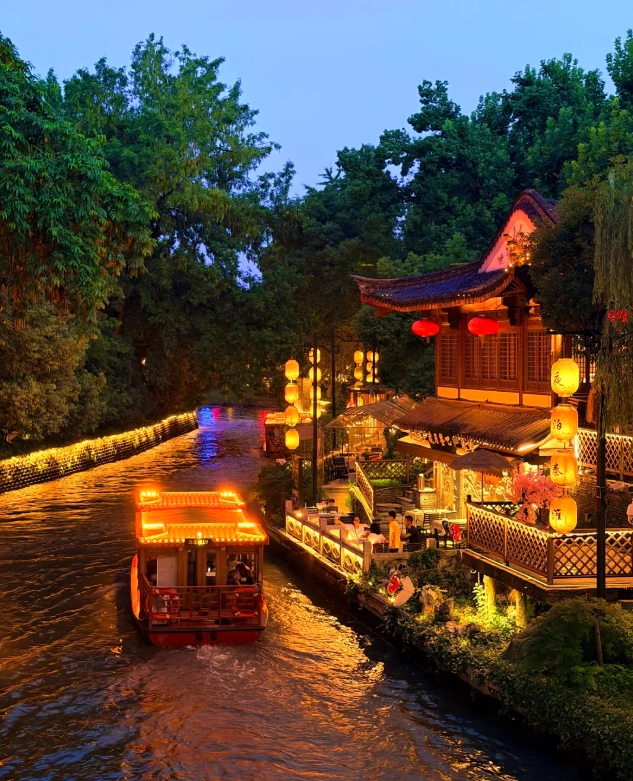
Pingjiang Road is a pedestrian-only canal street that stays true to old Suzhou — and it’s completely free. Walk along the water, listen to the eerie hum of local opera from tea houses, and warm up with a piece of osmanthus cake. The street runs parallel to the river, so it’s easy to explore without a map. Evenings are atmospheric but crowded; if you prefer a quieter stroll, come after 9 PM.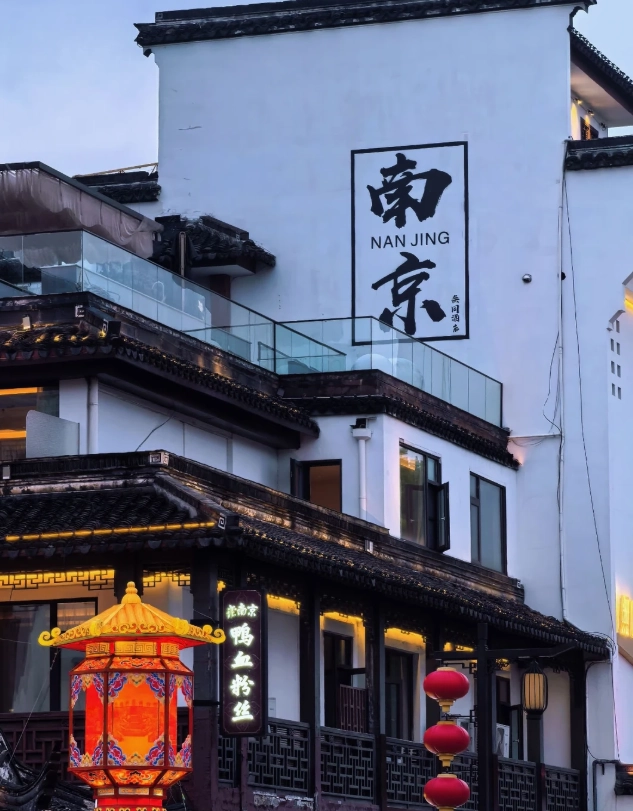
How to Plan a 3-Day Jiangsu Itinerary That Doesn’t Exhaust You
Here’s the plan I use with clients who have limited time. It’s not packed — you’ll have breathing room to actually enjoy the sights.
Day 1: Nanjing — Arrive, then hit Sun Yat-sen and Ming Xiaoling. Start at Sun Yat-sen early, then walk to Ming Xiaoling for the afternoon. Lunch at a local noodle shop near the scenic area — try the “big messy” soup (大煮干丝) at a small restaurant on Qingyuan Road. In the evening, head to Confucius Temple for the night views.
Day 2: Morning high-speed rail from Nanjing to Suzhou (about 1 hour). Start your day at Humble Administrator’s Garden, then walk to Pingjiang Road for lunch. Afternoon at Tiger Hill, evening free to wander Suzhou’s old town. Grab a late dinner at a place called “Song He Lou” (松鹤楼) — the squirrel-shaped mandarin fish is a local legend.
Day 3: Choose your own adventure. If you want more gardens, visit the Master of Nets Garden or the Suzhou Museum (free but reserve ahead). If you’re okay with a boat ride, book a half-day trip to Zhouzhuang water town, about an hour by bus. Just remember: Zhouzhuang is touristy, but the morning light on the waterways makes it worth the crowd.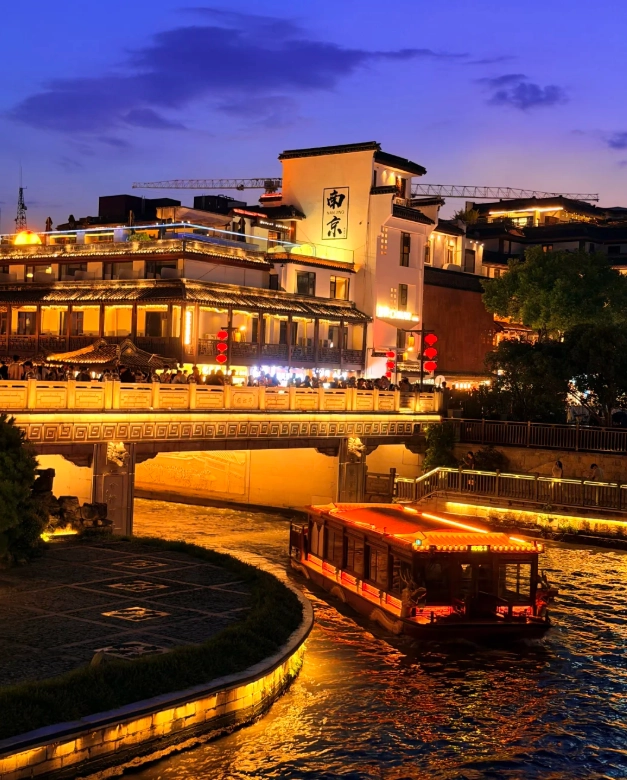
Here are the train options between the two cities:
| Route | Duration | Price (Second Class) | Best Way to Book |
|---|---|---|---|
| Nanjing South to Suzhou | 1h – 1h30m | 110 – 160 CNY | 12306.cn or Trip.com |
| Suzhou to Shanghai | 25 – 35 min | 50 – 90 CNY | 12306.cn or on-site ticket machines |
Practical Tips for Navigating Must See in Jiangsu: Payment, Maps, and Reservations
The most common panic I see is when travelers realize they can’t pay with a credit card at a small shop. Here’s how to stay ahead.
- Payment: Set up Alipay or WeChat Pay before you fly. Link your international Visa or Mastercard to it. Many attractions and local restaurants only accept mobile payments. Cash is still accepted at hotels and big shops, but you’ll get lots of coins.
- Navigation: Google Maps is automatically unreliable in China. Download AMap (高德地图) — it has an English interface and works offline in major cities. Apple Maps also works reasonably well for walking directions.
- VPN: If you want access to your usual social media and email, install a reliable VPN on your phone and laptop before arriving. Without it, sites like Google, Facebook, and Instagram are blocked.
- Translation: Carry a translation app like Apple Translate or Baidu Translate. You’ll use it to read menus, bus signs, and communicate with non-English speakers.
Insider Advice: Download the full Chinese addresses of your hotels and attractions — paste them into your phone’s notes. You can show the text to taxi drivers, and most will understand instantly.
FAQ: Must See in Jiangsu Questions Answered
This content has been fact-checked to ensure informational precision. Verified and fact-checked by the editorial team.





No comments yet.