 Fang Wang
Quick Navigation
Ever been stuck in a Shanghai traffic jam for two hours? I have. Not fun. That's why I always tell my clients to take the Shanghai Maglev Train. It's not just a train — it's a rocket on rails.
Here's the bottom line: From Pudong Airport to Longyang Road station in 8 minutes, for only 50 CNY. Forget taxis during rush hour.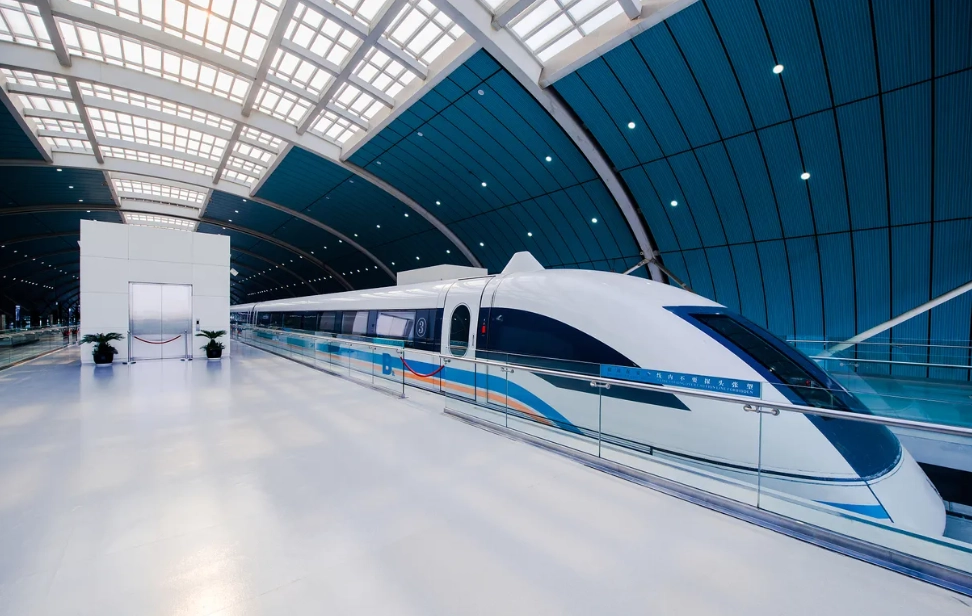
Ready? Let's dive into the complete guide.
Why the Maglev is Your Best Airport Transfer
The Shanghai Maglev is the world's first commercially operated magnetic levitation train. It floats above the track using magnetic repulsion, so there's no friction — just pure speed. Hitting a top speed of 431 km/h (268 mph), it's faster than most roller coasters.
But speed isn't the only reason I love it. It's also ridiculously easy to use — even for first-timers who don't speak Chinese. The entire process from ticket machine to platform is signposted in English, and the train is spotless.
The Ridiculous Speed
The Maglev travels from Pudong Airport to Longyang Road Station in just 8 minutes. The same trip by taxi takes at least 45 minutes without traffic, and often 1.5 hours during rush hour. You'll feel a subtle push when the train accelerates, and the view outside becomes a blur.
I remember my first ride — I was nervous, gripping my suitcase, half-expecting a lurch. Instead, it glided so smoothly that the water in my bottle barely moved. The digital speedometer in the cabin counted up to 431 km/h in under two minutes. By the time I settled, the train was already slowing down.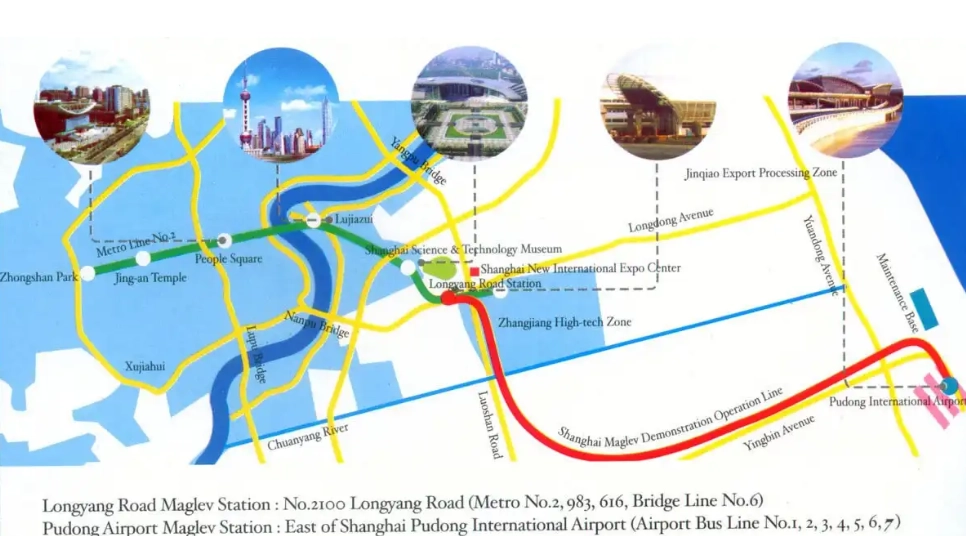
Stress-Free Simplicity
This is the most foreigner-friendly transport in Shanghai. The station at Longyang Road is directly connected to the metro system, so you can catch Line 2 to People's Square or Line 7 to Jing'an Temple immediately after you exit. Clear English signage guides you from the ticket machines to the platform.
One thing to note: the maglev doesn't go directly to the city center. It drops you at Longyang Road, which is east of downtown. But the metro connection is so smooth that you'll be at People's Square in about 20 minutes total from landing.
Shanghai Maglev Ticket Prices: How to Get the Best Deal
Let's talk money. The official ticket price is not expensive — and once you realize how much time it saves, you'll feel like you're winning.
Ticket Types and Standard Costs
Here are the standard prices at the station, which I've confirmed multiple times:
| Ticket Type | Price (CNY) | Validity |
|---|---|---|
| Single (Ordinary) | 50 | One ride |
| Round Trip (Ordinary) | 80 | Outbound + return within 7 days |
| Single (VIP) | 100 | One ride, exclusive cabin |
| Round Trip (VIP) | 160 | Outbound + return within 7 days |
Hold your horses — there are cheaper ways. If you show your same-day flight ticket at the staffed counter, you can often get a 20% discount on the ordinary single ticket, bringing it down to 40 CNY. But this policy has been inconsistent, so always ask. The machine won't give you this discount; you need a human.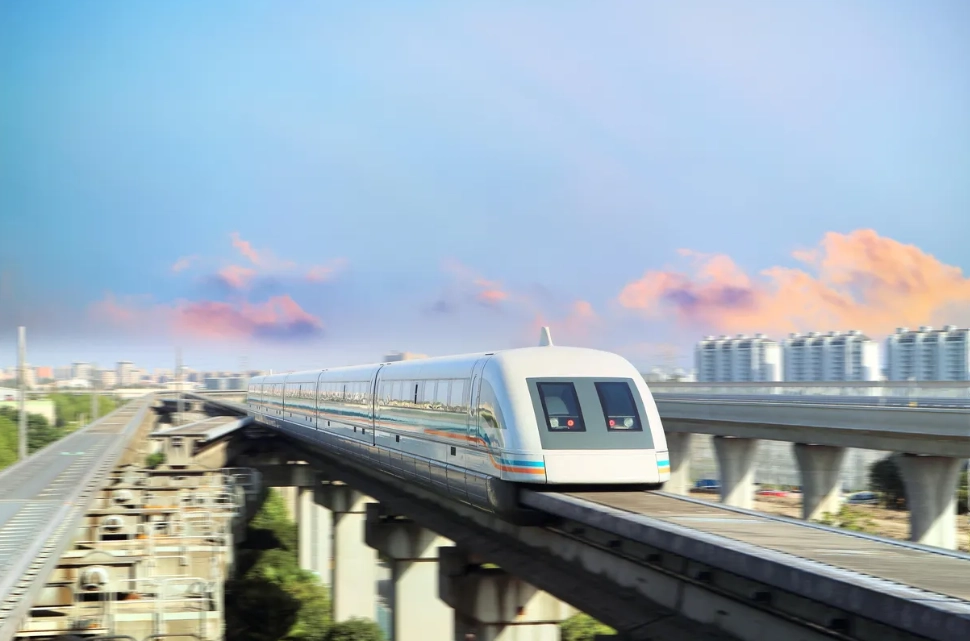
The Shanghai Public Transportation Card Hack
If you have a Shanghai Public Transportation Card (SPTC), you can use it to pay for the maglev automatically. The fare is deducted just like any metro ride, but you won't get the flight discount. Still, it's super convenient if you're already using the card for the subway. You can buy and top up this card at any metro station, and it works on buses too.
Payment methods at the station: cash, Chinese bank cards, Alipay, WeChat Pay, and international credit cards at the staffed window? Actually, I've seen mixed experiences with international cards at the machines. To be safe, bring cash (RMB) — it's accepted everywhere here. Or use Alipay/WeChat Pay if you have them linked to your international card.
Schedule and Travel Time: Plan Your Ride
You don't need to plan around the maglev — it runs often. But let's get into the nitty-gritty.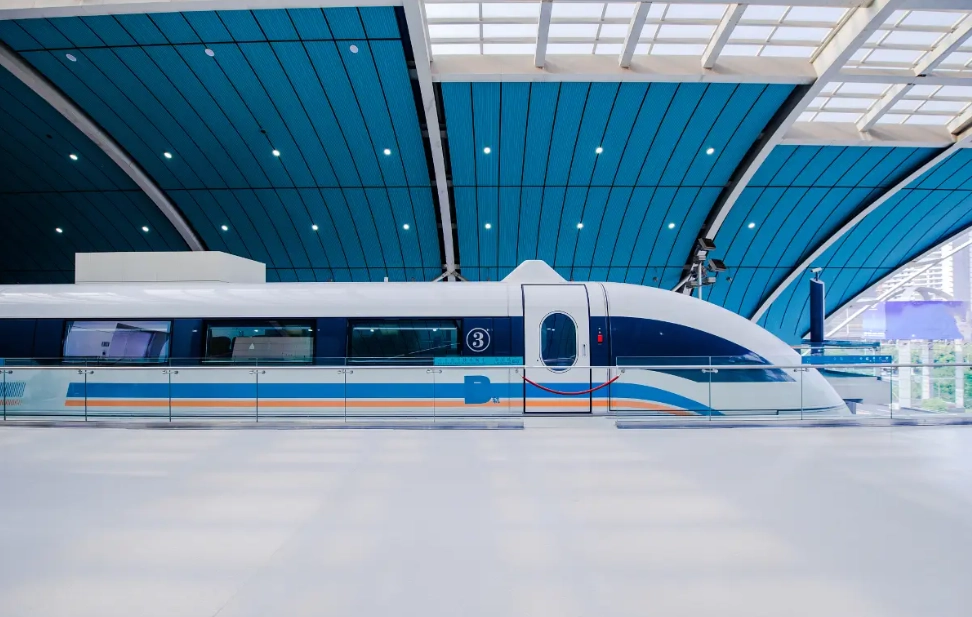
Operating Hours and Frequency
The service runs from approximately 6:45 AM to 9:40 PM on both ends. Trains depart every 15 to 20 minutes during off-peak times, and every 10 minutes during morning and evening rush hours. The exact schedule can vary, so check the digital display screens at the station for the next departure.
Here's a typical routine: if you land at Pudong, you need to factor in immigration, baggage claim, and walking to the maglev station — so budget at least 60 minutes after your plane touches down.
How to Check the Next Train
Every station has large LED boards showing the next departure time in English and Chinese. They update in real time, so just glance at that. Download the official app? Honestly, the display boards are all you need. If you want to be extra prepared, ask at the information counter — the staff usually speak basic English.
Step-by-Step: How to Ride the Maglev from Pudong Airport
This is the part where most tourists mess up — they walk out of international arrivals and get confused by the crowds. Don't worry, here's exactly what to do, fresh from my guiding playbook.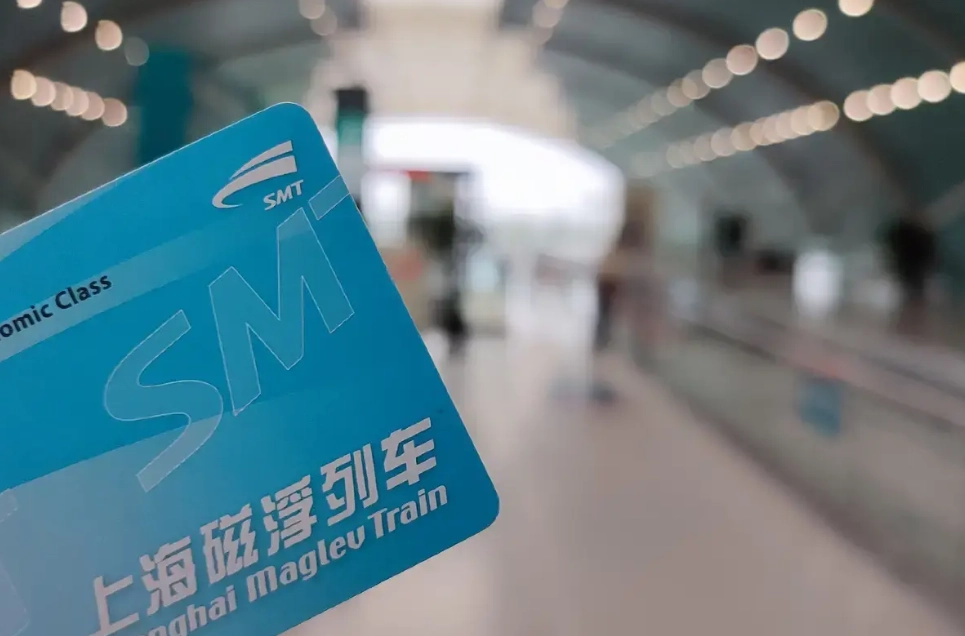
Step-by-Step Boarding Process
Follow these steps, and you'll be on the train in 15 minutes flat:
- Follow the signs for 'Maglev Train' or '磁悬浮' — after you exit the customs area at T1 or T2, look for the overhead purple signs. They guide you across a skyway bridge that connects both terminals to the maglev station.
- Enter the station building — you'll find ticket machines immediately on your left, and a staffed counter on the right. If you're going for the flight discount, head to the counter, not the machine.
- Buy your ticket — from the machine or counter. For a single ordinary ticket, it's 50 CNY. Keep the ticket safe; you'll need it at the gate.
- Tap through the gate — insert your ticket into the slot, take it back, and walk through. The ticket is used again at the exit, so don't lose it.
- Go up to the platform — escalators take you up. There are two tracks: one for the airport direction, one for Longyang Road. Check the big sign above to make sure you're on the right side (Longyang Road is the terminus).
- Board and find a seat — the train comes in, doors open, and you can sit anywhere in the ordinary class. If you paid for VIP, you'll have a designated car.
- Enjoy the 8-minute ride — stay seated, watch the speedometer display in your car, and don't worry about the noise. It's surprisingly smooth.
- Exit at Longyang Road — tap out with your ticket, then follow signs to the metro entrance to continue into the city.
From landing to boarding, I usually tell clients to allow 45 to 60 minutes for immigration and baggage. If you're T2, it's a 10-minute walk to the maglev gate. If you're T1, it's slightly shorter.
Accessibility and Luggage
The maglev is fully wheelchair-accessible, with elevators and ramps throughout. There's no luggage restriction — I've seen travelers with three huge suitcases. There are overhead luggage racks, but if you're worried, the baggage area near the doors is big enough for a large case.
Maglev vs. Taxi vs. Metro: Which Transfer Should You Choose?
I get this question every single day. The answer changes depending on your hotel location, the time of day, and your budget. Let's compare them side by side.
| Option | Time | Cost (CNY) | Best For | Drawbacks |
|---|---|---|---|---|
| Maglev + Metro | ~35 min to People's Square | 50-60 (maglev 50 + metro 3-5) | Travelers who want speed and reliability | Not direct; need to transfer |
| Taxi (app-based) | 45-90 min depending on traffic | 150-250 | Those with heavy luggage or traveling in groups | Traffic jams, unpredictable fare |
| Airport Bus | 60-90 min | 30-50 | Budget-conscious travelers | Longer, less frequent |
| Metro Line 2 only | 70-80 min | 7 | Cheapest option | Slow, crowded |
As you can see, the maglev isn't the cheapest, but it's the fastest by far. If you're staying near Longyang Road or on Line 2, it's a no-brainer. If you're heading to Lujiazui or the Bund, a taxi might actually be faster if there's no traffic — but during rush hour (7-10 AM, 4-7 PM), the maglev wins every time.
One insider note: Didi (the Chinese Uber) is cheaper than hailing a taxi on the street — often 20-30% less. But for international visitors, the app is in Chinese. If you have Alipay, you can use the Didi mini-program inside it, which has an English interface. That's a lifesaver.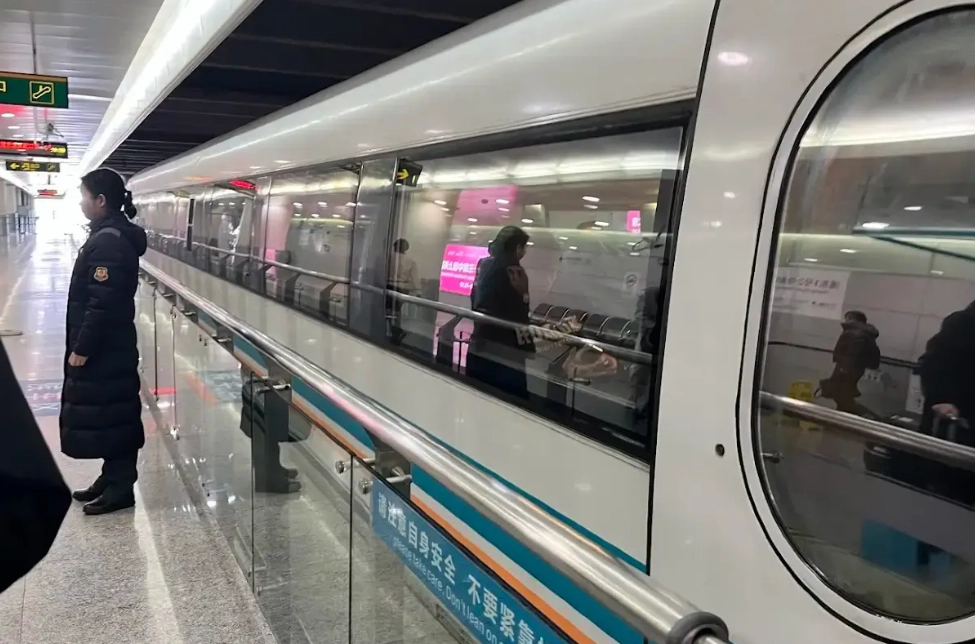
What to Do When You Exit at Longyang Road
You've just completed the coolest airport transfer. Now what?
Getting to the Metro
Once you tap out at Longyang Road, follow the blue 'Metro' signs. The station connects to Lines 2, 7, and 16. Line 2 goes directly to People's Square, Nanjing Road, and Lujiazui. Line 7 takes you to Jing'an Temple and Changshu Road. If you're near any of these lines, you're in luck.
Taxis and Didi Pickup Points
Exit at Gate 3 of the station, and you'll find a taxi stand. Alternatively, open Didi to meet your driver at a marked pickup zone. The ride to downtown will take around 25 minutes if there's no traffic. Avoid flagging down random taxis on the street — they may overcharge.
Baggage Storage Trick
There's a luggage storage service near the metro entrance. It costs about 20 CNY per day. If your hotel isn't ready yet (check-in is usually after 2 PM), store your bags here and explore the city hands-free. I've done this with clients countless times. They thank me every time.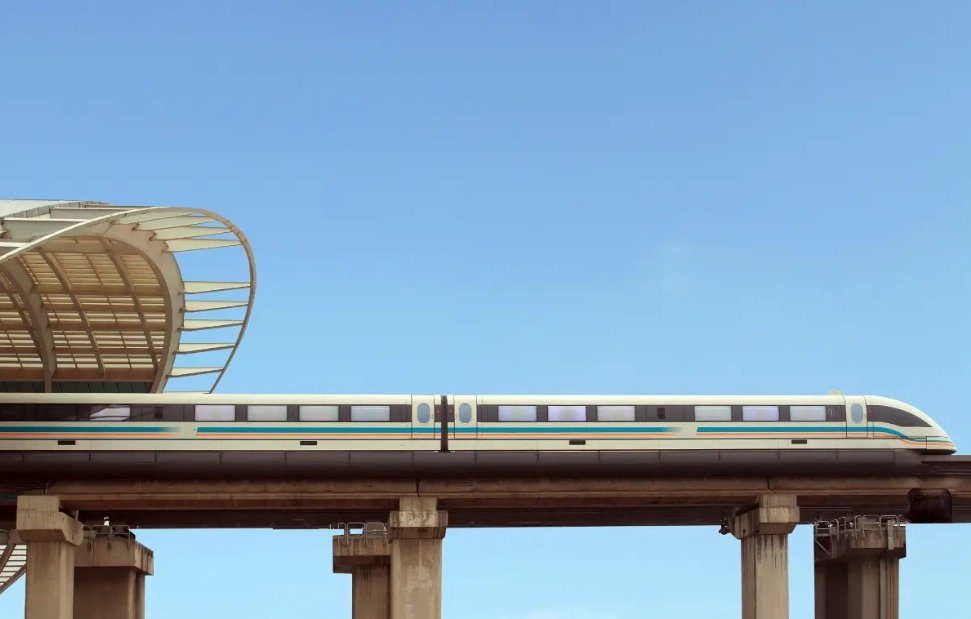
Insider Tips to Avoid Rookie Mistakes
After doing this dozens of times, here are the things that catch people off guard.
- Bring cash, not just a card. The ticket machine sometimes doesn't accept foreign cards. Cash is king here. And yes, they take 50 and 100 RMB bills.
- Don't buy a round trip unless you're 100% sure you'll return. The return ticket is valid for 7 days, but it ties you to Longyang Road for your departure. If you leave from Shanghai Hongqiao Airport (which many do), it's useless.
- Forget Google Maps — it won't work well in China. Use Apple Maps or the AMap (Gaode) app, which has an English setting. For directions after you exit, the metro signs are in Chinese and English, so you honestly don't need one.
- Watch your step on the escalator. This sounds silly, but Chinese people stand on the right, walk on the left. If you stand still, keep right to avoid being bumped.
- The VIP seat is not worth it. The ride is only 8 minutes. You'll barely have time to enjoy the extra legroom. Save your 50 CNY for a nice bowl of noodles in the city.
- There's a convenience store and a vending machine near the Longyang Road exit. If you're starving, grab a rice ball before hopping on the metro.
Pro Tip: If you're flying out of Pudong in the evening, consider leaving your heavy luggage at a locker at Longyang Road station and exploring the city light — then pick it up later. The station has luggage storage for about 20 CNY per day. I've saved clients hours of hotel check-in hassle with this trick.
Frequently Asked Questions About the Shanghai Maglev Train
International flights generally close check-in 60 minutes before departure, so I recommend arriving at the airport at least 2 hours early. The maglev itself takes 8 minutes, but factor in 10-15 minutes to get from Longyang Road to the check-in counter, plus time to buy tickets and board. If your flight is at 12 PM, aim to be at Longyang Road by 9:30 AM. That gives you a comfortable buffer.
I've seen mixed results — some travelers report that Visa/Mastercard work, others get declined. To avoid a sticky situation, carry at least 100 CNY in cash. The machines accept larger bills and give change. Or, simply use Alipay/WeChat Pay if you have them linked to your international card. The staffed counter is a better bet for card payments, but it's not guaranteed.
Yes, but it's not the fastest route. From Pudong, you'd take the maglev to Longyang Road, then transfer to Metro Line 2 directly to Hongqiao. That's about 1 hour total. There's also a direct Line 2 link, but it takes 70 minutes. A taxi could take 60 minutes without traffic — but with traffic, it could be over 2 hours. The maglev+metro is the most reliable, and it only costs about 60 CNY total.
Absolutely. Shanghai is one of the safest cities in the world, and the maglev stations are well-lit and patrolled by staff until the last train. The last train from Pudong is around 9:40 PM. If you're arriving later, you'll need a taxi or the night bus. Stick to official taxi stands or use the Didi app through Alipay for safety.
VIP seats are in a separate car with wider seats and a quieter atmosphere. The ride is identical — same speed. Since the trip is only 8 minutes, the extra cost is honestly wasted unless you're claustrophobic or have big luggage. I always pick ordinary.
There you have it — everything you need to ride the Shanghai Maglev like a pro. It's fast, it's clean, and it'll save you hours of sitting in airport traffic. Trust me, you'll look at the speedometer and smile.
Have questions? Drop them in the comments below — or better yet, go ride it and let me know how it went.
Verified and fact-checked by the editorial team.







No comments yet.