 Tao Xu
Quick Navigation
I watched a guest blow out his MacBook charger last week. In a Xi'an hotel, the voltage fried it instantly. Not a pretty sight. Here's the catch—most travelers grab any adapter off Amazon, assuming one size fits all. It doesn't.
If you're planning a trip to China, you need the right china plug adapter. But just any adapter won't cut it. Let me walk you through exactly what you need, what to avoid, and a few tricks that even seasoned travelers miss.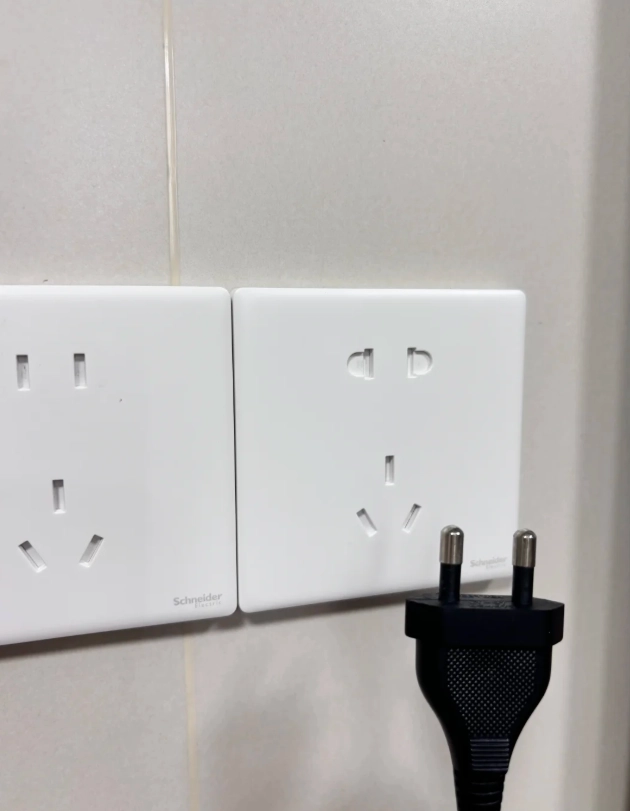
Why Your Regular Plug Won't Work in China
China uses two main plug types:
- Type A – Two flat parallel pins (like in the US and Japan).
- Type I – Three flat pins in a triangular pattern (Australia, New Zealand, Argentina).
Most sockets in China accept both types. But here's the twist: Type A plugs in China have slightly thinner pins than the US version. Even so, a US Type A plug will usually fit. But if you're coming from the UK, Europe, or other parts of Asia, your plug won't physically fit.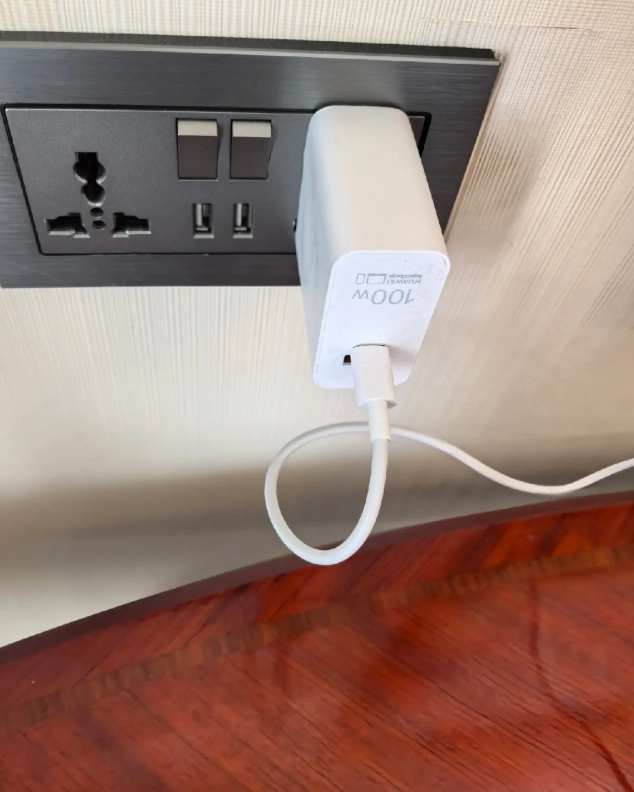
How to Choose the Right China Plug Adapter
Over the years, I've tested dozens of adapters. Here's what actually works:
Universal vs. Specific? Go Universal.
A universal adapter covers Type A, I, and sometimes C (Europlug). You'll use it for phones, laptops, cameras. Make sure it has a USB port too—you'll thank me later.
Voltage Conversion: Do You Need One?
Most modern phone and laptop chargers are dual voltage (input 100-240V). Check the brick on your charger. If it says 100-240V, you only need a plug shape adapter, not a voltage converter.
But if you're bringing a hair dryer, curling iron, or any high-wattage appliance, most of those are single voltage (110V). Those will fry at 220V. You need a voltage converter or just leave them home. Hotels often provide hair dryers anyway.
What You Need to Know About Chinese Voltage
| Parameter | China | US | UK | EU |
|---|---|---|---|---|
| Voltage | 220V | 110V | 230V | 230V |
| Frequency | 50Hz | 60Hz | 50Hz | 50Hz |
| Plug types | A / I | A / B | G | C / F |
Notice the voltage difference between China and the US. If you plug a 110V hair straightener into a 220V socket, it will overheat, smell like burning plastic, and die. I've seen it happen.
The frequency difference (50 vs 60 Hz) usually doesn't matter for small electronics, but motors (like in a fan) might run slightly slower or faster.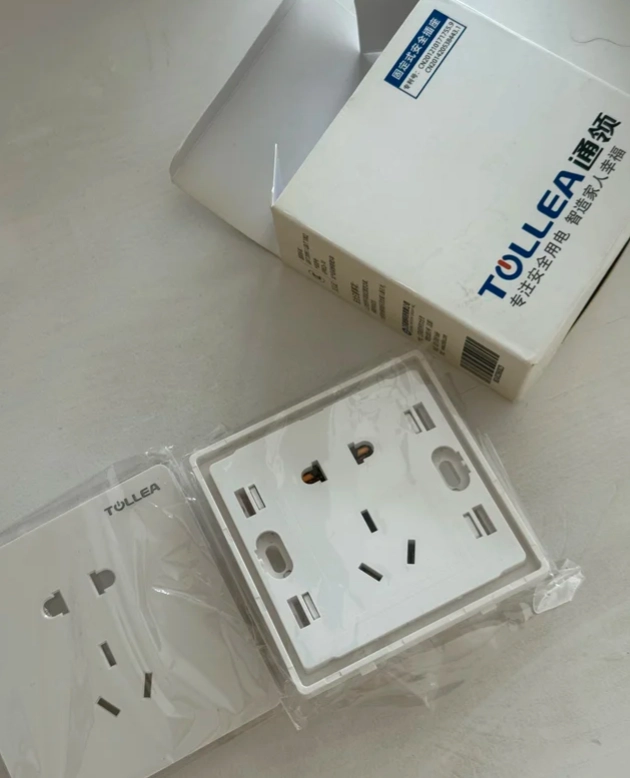
Where to Buy a Plug Adapter in China (and Avoid Getting Shocked)
If you arrive without one, don't panic. You can buy adapters everywhere.
- Convenience stores: 7-Eleven, FamilyMart, and local shops near hotels sell basic adapters for about 10–30 RMB ($1.50–$4). They're not always the safest, but they'll do in a pinch.
- Electronics markets: In cities like Shenzhen (Huaqiangbei) or Beijing (Zhongguancun), you'll find high-quality adapters for 50–100 RMB. Check the pins aren't loose.
- Airport shops: Overpriced (50–80 RMB) but convenient. Buy before passport control if you need immediate charging.
Pro Tips: Testing Before You Go
I always tell my clients to test their adapter before leaving home. Here's a mini checklist:
- Plug the adapter into your home socket and check it fits snugly. Loose connections cause sparks.
- If your device is dual voltage (100-240V), you're good. If not, buy a cheap converter on Amazon before you go.
- Carry a small power strip (extension cord) with a universal input. That way you can charge multiple devices with just one adapter. Hotels often have only one international socket.
- Download a VPN before you arrive (China blocks most). I use ExpressVPN or Astrill. Without it, you can't access Google, WhatsApp, or Instagram to ask for help if your adapter fails.
Most travelers skip step 3 and regret it when they can't charge their phone and camera simultaneously.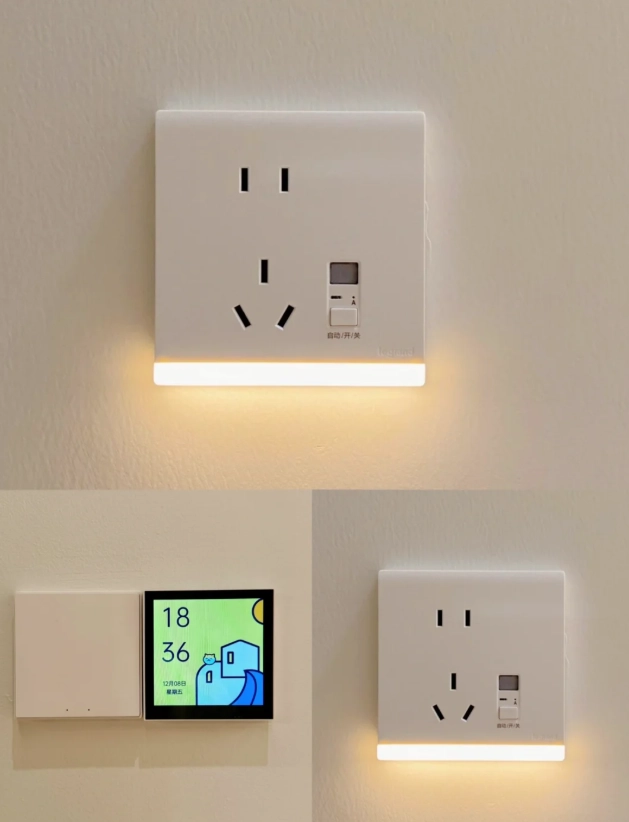
FAQ: Common Adapter Mishaps Solved
I hope this guide saves you from the smoky mess I've witnessed too many times. Pack the right china plug adapter, check your voltage, and you'll be charging stress-free from the moment you land.







No comments yet.