 Hong Ma
Quick Navigation
Tucked between the mountains, Xining hits the sack early. But for me, the night is when Qinghai’s real character slips out — the sizzle of lamb skewers, the hypnotic hum of Tibetan chants, and a sky full of stars that makes you feel tiny in the best way.
Most travel guides tell you to head to the night market at 7 pm. That’s a rookie mistake. I’ve watched travelers get stuck in a human traffic jam near the entrance, unable to taste anything. If you truly want to know what to do in Qinghai at night, you need to go after 9 pm, when the local crowd thins out and the hawkers actually have time to chat.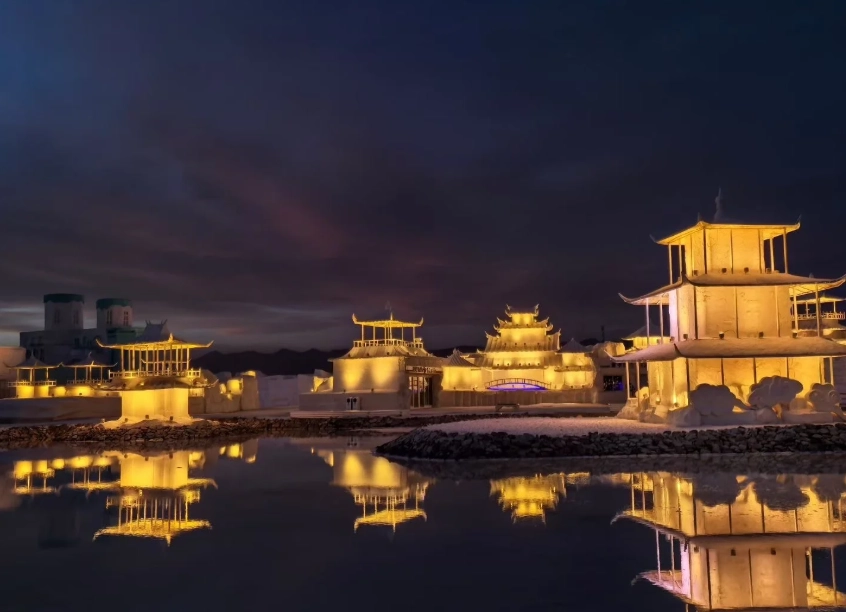
Here’s my bottom-line advice: Start your night at Mogaijie Market but pace yourself — the best lamb skewers are hidden in the alleys, not the main street. And if you’re headed to Qinghai Lake, skip the overpriced tour to Erlangjian scenic area and sleep in Heimahe town instead, where the stars are 10x brighter.
Now, let me walk you through the essential night experiences in Qinghai, complete with practical tips that most foreigners find only after a couple of nights of trial and error.
Why Qinghai Nights Are Different
Qinghai’s high altitude creates a unique night experience that you simply cannot find in lowland China. The air is crisp and thin, which makes the starry sky look impossibly close. In Xining, the summer evenings stay cool even after a hot day — a huge relief for anyone coming from the humid eastern cities.
But there’s a cultural layer too. Tibetan, Hui, and Han traditions blend here, and the nightlife reflects that. In Xining, you’ll see elaborate Islamic architecture glowing after sunset, Tibetan song-and-dance circles forming in public squares, and food stalls serving halal lamb until midnight. It’s not about neon-lit clubs; it’s about warm conversations over grilled meat and butter tea.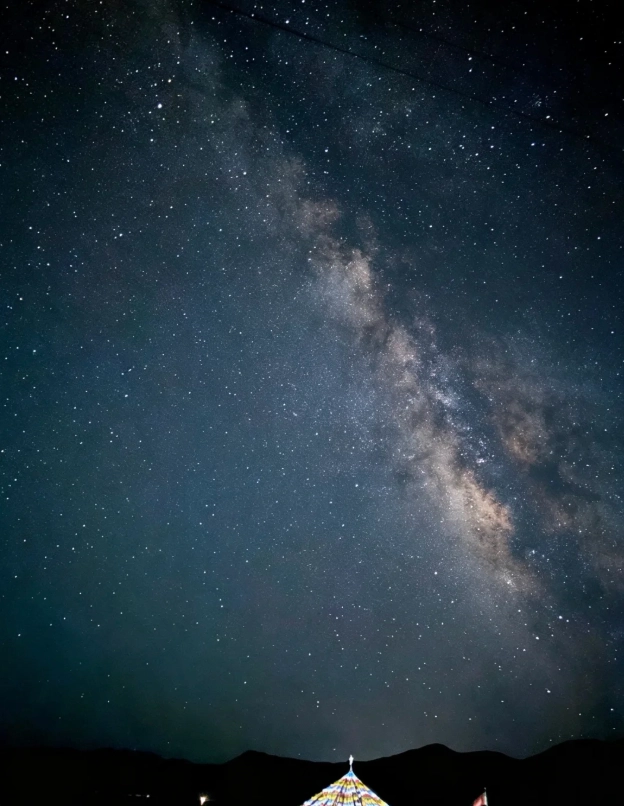
Top Things to Do in Qinghai at Night
1. Dive into the Mogaijie Night Market
Mogaijie is Xining’s most famous food street, but the real action hits after 9 pm. The market is located on Mogaijie Road in the Chengzhong district, easily reachable by taxi — just show “莫家街” to your driver. From the train station, it’s a 20-minute ride costing around 15–20 yuan. No metro exists in Xining, so use the bus (lines 1, 2, 15 to Ximen station, then walk 300 meters) or rely on ride-hailing apps.
You’ll find brightly lit stalls selling six-ingredient liangpi (cold noodles), savory yogurt with a golden crust, and the iconic cumin-dusted lamb skewers. Skewers cost about 3–5 yuan each, and vendors accept Alipay and WeChat Pay. Cash is sometimes accepted, but don’t push it.
Pro Tip: The famous Ma Zhong Restaurant (马忠食府) inside the market has fantastic sweet tea (甜醅) and fermented barley soup — my usual order is a bowl on a chilly night. But skip it if there’s a long queue; honestly, smaller stalls nearby taste just as good.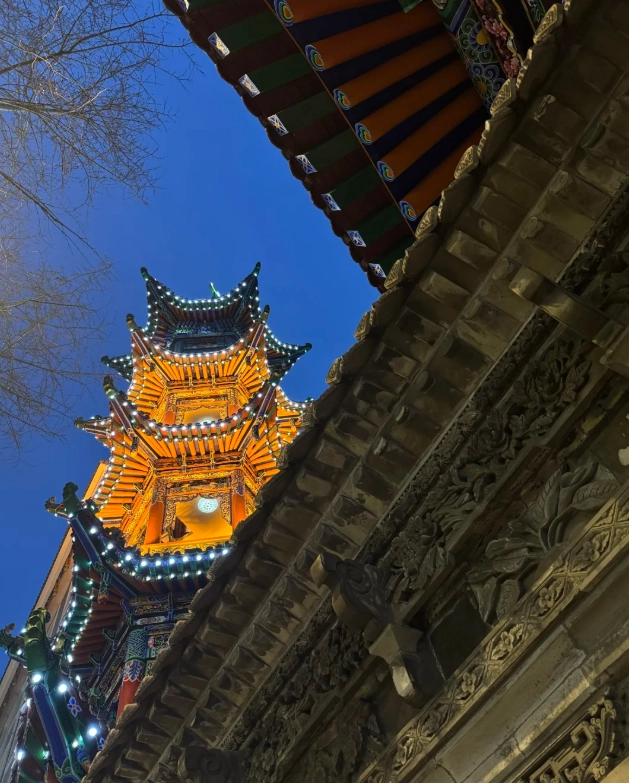
2. Admire the Dongguan Mosque at Night
Dongguan Mosque is one of China’s largest mosques, and its illuminated white dome and minarets are stunning after dark. Located at 1 Dongguan Street, the exterior is visible from the street for free 24/7. However, non-Muslim visitors cannot enter the prayer hall, and the gates close around sunset during non-prayer times. The best viewing time is around 9 pm when the square is quiet and the golden crescent moon is clearly visible.
Respect local customs: dress modestly and avoid bringing alcohol. There’s no ticket or reservation needed for the exterior.
3. Join a Guozhuang Dance at Xinning Square
Guozhuang is a traditional Tibetan circle dance that locals practice every evening in public squares. Xinning Square (新宁广场) in the Chengxi district turns into an open-air dance floor around 8 pm. Anyone can jump in; the steps repeat rhythmically, and locals are patient with newcomers. I always tell my clients that this is the cheapest cultural experience in Qinghai — it’s absolutely free.
The square is a 10-minute walk from Xining’s central pedestrian street. Don’t be shy. The smile you’ll get when you try a step is worth more than any paid performance.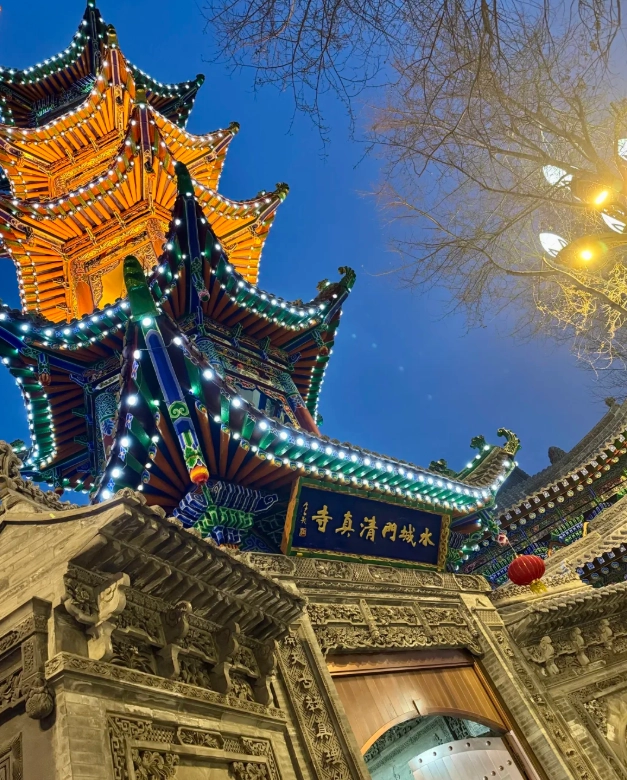
4. Sip Butter Tea in a Tibetan Teahouse
For a true local hangout, skip Starbucks and find a Tibetan teahouse in the Huangshui area. Xining has dozens of these unassuming spots, often tucked inside mixed-use buildings. Ask your hotel for a recommended one — I usually send clients to the ones near the Tibetan quarter just west of the city center. A pot of butter tea (about 20–30 yuan) comes with a bowl of tsampa and a plate of dried yak meat. The tea is salty and creamy, an acquired taste, but the warm atmosphere and Tibetan decor make it unforgettable.
Most teahouses stay open until 11 pm or midnight. They accept mobile payments, but bring cash as some older places might only take WeChat.
5. Stargaze at Qinghai Lake (Sleep in Heimahe)
If you have 2–3 days, spending a night at Qinghai Lake is the ultimate Qinghai night experience. The lake’s remote shoreline offers some of the darkest skies in China. Erlangjian scenic area is too touristy and lacks accommodation; the real gem is Heimahe town (Black Horse River), a small settlement on the lake’s western shore. From Xining, travel by bus to Heimahe (about 5–6 hours) or join a group tour. We rented a van for 4 people and paid 900 yuan total — split, that’s very affordable.
June to September is the prime stargazing season, but the weather changes fast. Check the weather forecast and bring a down jacket, even in summer — nights drop to 5°C. Basic guesthouses in Heimahe cost 150–300 yuan per night (cash or mobile payment). No telescopes needed; the Milky Way paints the sky with a brightness that will make your jaw drop.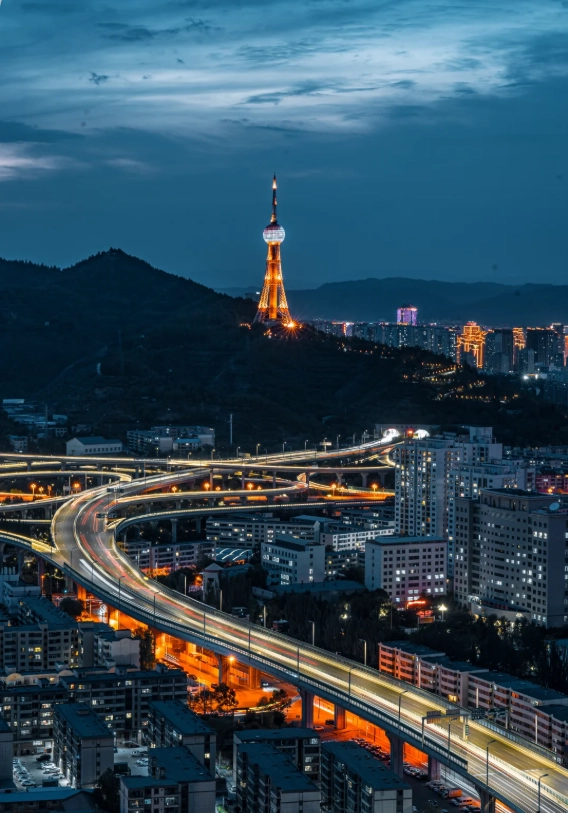
6. Experience the Night Scene at Limun Pedestrian Street
Limun Commercial Pedestrian Street (力盟步行街) is where Xining’s modern nightlife lives. Located in the city’s core, this open-air street clusters glittering restaurants, dessert shops, and a small number of stylish bars. Unlike the old market, this place attracts a younger demographic. Try a local craft beer — Qinghai has a few microbreweries now — or simply grab an ice cream and wander.
The street is open until late (most stores close by 10:30 pm, restaurants later). Payment is all digital.
How to Plan Your Night in Qinghai: Transport, Payments & Safety
Your main challenge is navigating payments, not safety. Since 2019, most vendors in Qinghai have moved to cashless payments. Foreign visitors should set up Alipay or WeChat Pay with a linked international card before arriving in China. Even at night markets, you might find a small stall that only accepts QR codes. To be safe, carry 100–200 yuan in cash for emergencies — but state that you’re a tourist if a vendor initially refuses cash; they usually relent.
Transport at night is straightforward. Xining’s public buses stop around 9:30 pm, so rely on taxis or ride-hailing apps like Didi (set up with your Chinese phone). Taxis are metered; the start rate is 8 yuan. From the night market area to most hotels within the city, you’ll pay 15–20 yuan. Show the driver the Chinese address on your phone GPS.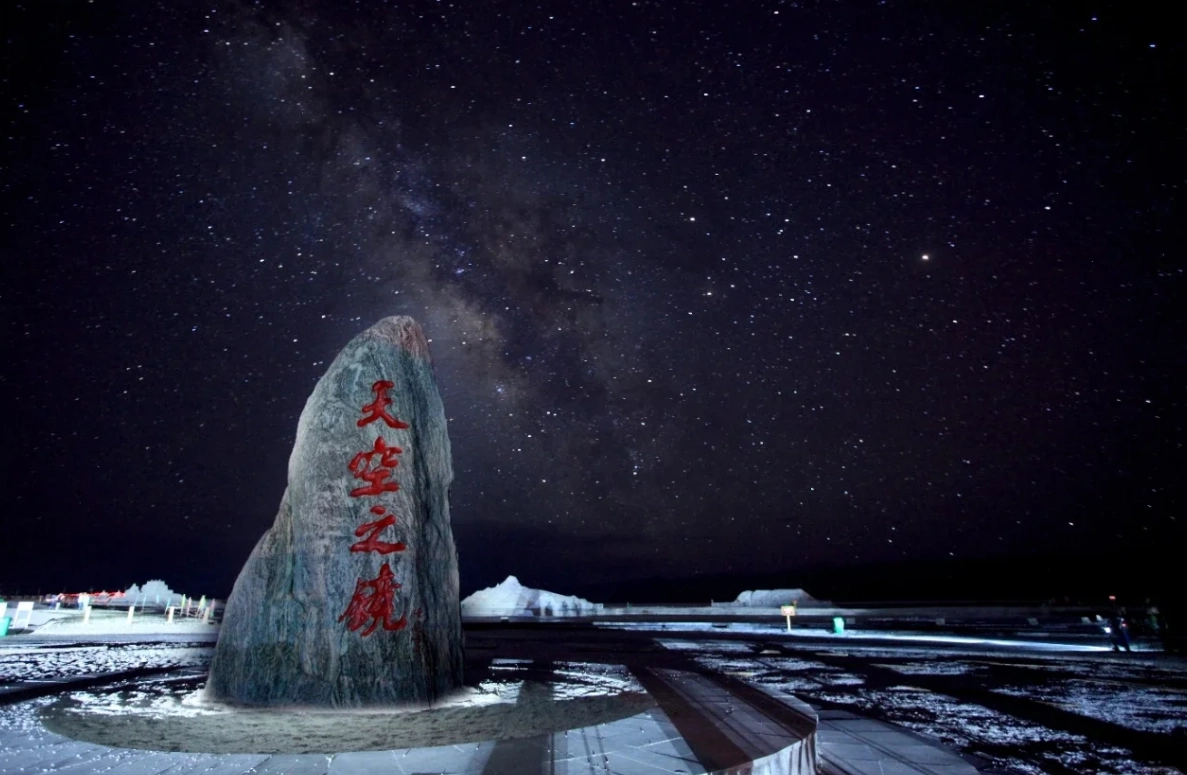
Google Maps does not work reliably in China. Use Apple Maps (which uses AutoNavi) or download the AMap Global app. I also recommend carrying a printed map of your destination as a backup. For train tickets, use the official 12306 website or app; foreigners can register with their passport.
In terms of safety, Qinghai is extremely safe for tourists. Violent crime is rare, and the main risk is pickpocketing in crowded places. Keep your wallet in the front pocket and avoid stumbling home alone after 2 am, just like you would anywhere. At night, the thin air can make you dizzy — walk slowly and stay hydrated.
Altitude and Weather Considerations
Xining sits at 2,275 meters, and Qinghai Lake is even higher at 3,196 meters. If you’re someone prone to altitude sickness, avoid overeating and alcohol during the first night. Acclimatize for a day in Xining before heading to the lake. Even in summer, nights are cool — a light down jacket is invaluable.
For the latest entry regulations and visa policies, always check the official National Immigration Administration website before your trip. And when you book intercity trains, use the China Railway official site for reliable schedules.
Where to Eat at Night in Xining: A Local’s Food Guide
Xining’s night food scene is dominated by halal cuisine, heavy on lamb and wheat. Here are three places I regularly recommend to clients, ranked by my personal preference.
| Spot | Location | Must-Try | Est. Price (per person) | Best Time to Go |
|---|---|---|---|---|
| Mogaijie Market | Mogaijie Rd, Chengzhong | Lamb skewers, liangpi, sweet tea | 30–50 yuan | 9 pm – 11 pm |
| Shuijingxiang Market | Shuijingxiang, close to the East Mosque | Acidity soup (suantang), yogurt | 20–40 yuan | 7 pm – 10 pm |
| Limun Pedestrian Street | Wanda Plaza area | Local craft beer, modern restaurants | 60–120 yuan | 8 pm – 11 pm |
At Mogaijie, my go-to is the mutton offal soup at stall 28 (look for the line of locals). Skip the touristy stalls at the entrance; they double prices for white tourists. I once saw a couple pay 10 yuan for a skewer that was 3 yuan from the next stall. Be firm but polite — walk away if you feel it’s too expensive.
Shuijingxiang (literally 'water well alley') is a short walk from the Dongguan Mosque. The sour stomach-cut soup in flatbread is legendary. Go early, as many stalls close by 10 pm. Prices are slightly lower than Mogaijie, and you’ll see more Hui residents here.
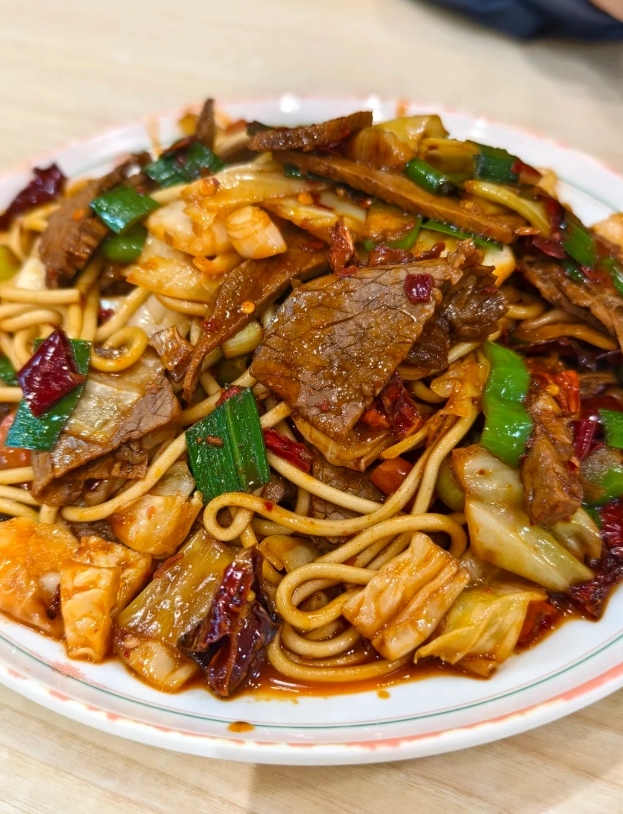
For a sit-down meal, head to Limun. I love the lamb hand noodles at the restaurant called 'East of the Summer' (东北). The portions are huge — split one plate between two. Most upscale places have English menus or picture menus; don’t hesitate to ask.
Night Photography in Qinghai: Camera Myths vs Reality
You don’t need a top-of-the-line camera to capture Qinghai’s night. A smartphone with a good night mode works for street scenes, but for stars, a basic mirrorless camera with a wide-aperture lens is better. Set your ISO to 3200, shutter speed to 20 seconds, and aperture to f/2.8 or lower. Use a tripod and a remote shutter to avoid shake.
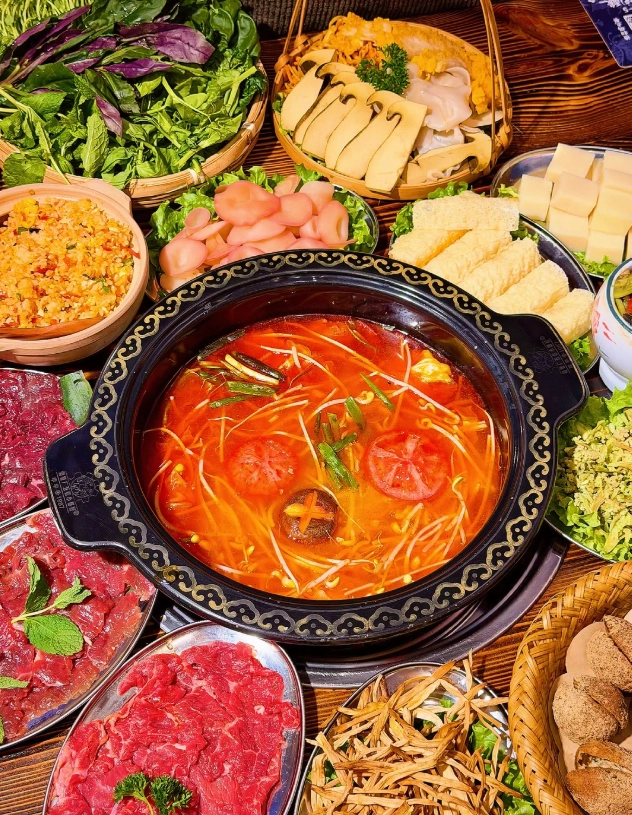
For night market shots, avoid using flash; it kills the atmosphere. Instead, find a spot with warm ambient light and raise your ISO. The best part? The market’s steam from hot pots adds a beautiful mist to your photos.
At Qinghai Lake, focus on capturing the Milky Way. The best phase is a new moon, and you need to wait until at least 2 am when the sky is fully dark. If you’re at Heimahe, walk 200 meters to the shore to avoid village lights. Also, watch out for yaks wandering near the campground — a surprise guest in your frame can ruin a long exposure. Ask locals about safe spots; they know the terrain best.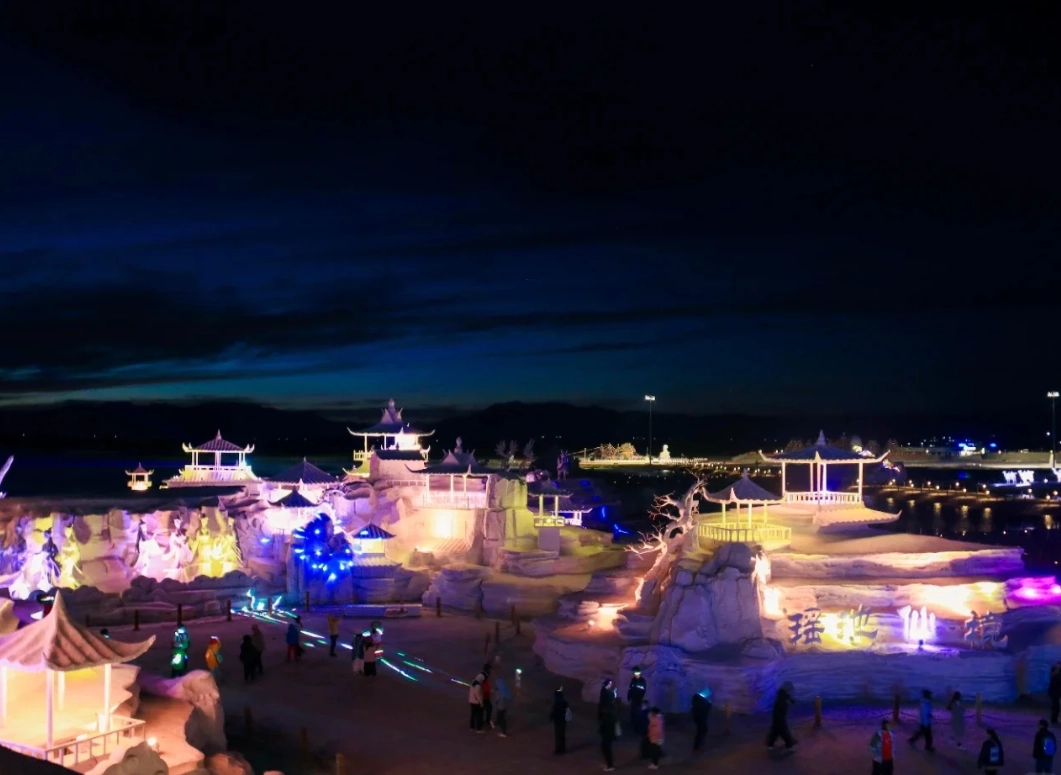
FAQ: Common Nightlife Questions, Answered
Can I use my international credit card at Qinghai night markets?
Almost never. Stalls and smaller restaurants are strictly mobile payment based. International Visa/Mastercard usually fails on their QR codes. Set up Alipay or WeChat Pay with a foreign card before your trip, and carry 100–200 yuan in cash for backup. In a pinch, look for a convenience store to break larger bills.
Is it safe to wander around Xining alone at night?
Completely safe in the main tourist zones, even for solo female travelers. Police patrol the night market areas until late. However, be cautious in poorly lit alleys after midnight and avoid engaging with overly persistent street vendors. I always suggest sharing your route with someone — not because of danger, but because the altitude can cause dizzy spells.
How do I book a room near Qinghai Lake for stargazing without getting ripped off?
Skip the Erlangjian hotels; they charge a premium. Heimahe has many guesthouses that range from 100–300 yuan per night. Use Booking.com or Trip.com to see real photos and reviews. If you arrive without a reservation, ask to see the room first. Flash your passport to register, and if they insist on much higher prices, walk out — plenty of alternatives exist.
What's the best time to photograph the stars at Qinghai Lake?
The astronomical new moon period is your window. Check a moon phase app; even a crescent moon washes out the faint stars. In summer (June–August), the Milky Way rises before midnight and peaks around 2–3 am. Set an alarm, dress warmly, and allow 20 minutes for your eyes to adapt to the dark. Use a red headlamp to preserve your night vision.
Do I need to book ahead for Dongguan Mosque at night?
No booking is needed for the exterior — it’s a public street. But if you want to join a guided tour (in the daytime), you may need to reserve through a local agency with a passport. At night, respect the quiet atmosphere and avoid using flash photography near the main entrance.
Verified and fact-checked by the editorial team.





No comments yet.