Known as the 'Water Tower of Asia,' Qinghai is a high-altitude wonderland where the Yangtze, Yellow, and Mekong Rivers originate. It features the vast Qinghai Lake, shimmering salt flats, and a deep tapestry of Tibetan and Mongolian cultures set against the backdrop of the Kunlun and Qilian mountain ranges.
Qinghai Travel FAQ
Are Qinghai tourist attractions too touristy?
It depends. Qinghai Lake's main entrance is absolutely packed. But you can escape the crowds by visiting the less famous north shore or the western edge. The key is to hire a driver who knows the back roads – my driver once took me to private pasture where we saw the lake with zero people.
Can I pay with a foreign credit card at these attractions?
In 99% of cases, no. Attractions only accept mobile payments or cash. So be sure to set up Alipay or WeChat Pay before you arrive. If you haven't, bring enough cash for a day or two – but keep in mind that high-value changes might be hard to get.
What is the best month to see Qinghai tourist attractions?
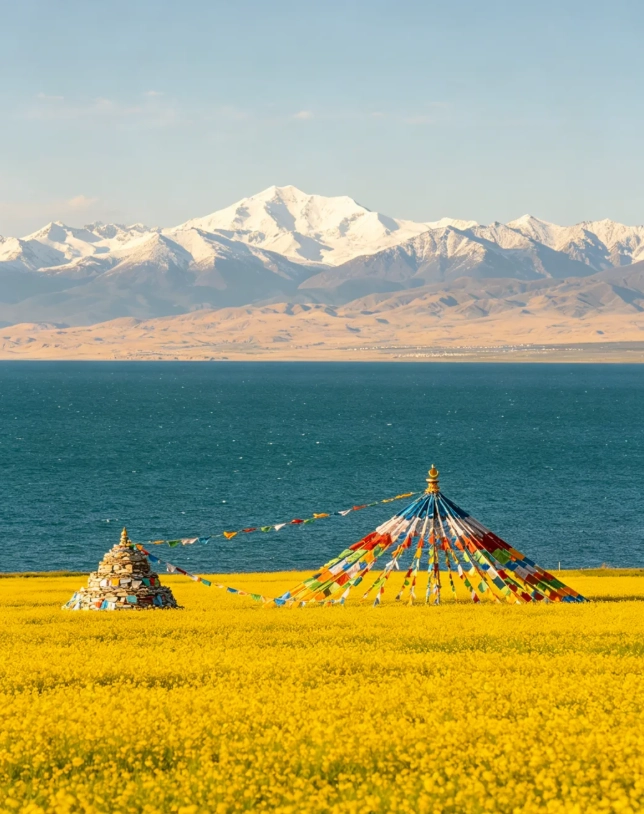
For the lakes, July and August are warm but crowded. If you want fewer people, try late May or September – you'll still see the greenery, but some mountain passes might have snow. Menyuan's rapeseed field is strictly in July.
Is a VPN necessary for tourists in Qinghai?
Yes, absolutely. Google, Facebook, and Instagram are blocked in China. If you need those apps, set up a VPN before arriving – you can use it with your hotel Wi-Fi. But even if you don't care about social media, a VPN helps for translation services and to check updates on booking platforms if you're using the international versions.
Can I use my international credit card in Qinghai?
Rarely. You'll need to bring enough cash for small vendors and pay for hotels via online booking (which accepts cards). If you have Alipay linked, you'll be fine — it's the default method everywhere. Download the app and set it up before you land.
Do I need to pre-book tickets for Qinghai attractions?
Yes, for Kumbum Monastery and some state-run sites, you're required to make a reservation with your passport. The easiest way is through Trip.com or ask your hotel to call the ticket office. Don't show up without checking — you risk being turned away during peak weeks.
What's the best time to visit Qinghai?
May to October has the most comfortable weather, but July and August can be crowded. For the greenest meadows, go in June. For the famous lake reflections, aim for September when the crowds thin and the sky is clear. Winter is brutal — altitudes over 3,000m are snowed in.
Is it safe to travel in Qinghai, especially alone?
Generally yes. Violent crime is extremely low. However, the biggest threats are altitude sickness and bad road conditions. Keep your VPN on for communication, share your itinerary with someone, and never drive at night on mountain roads. If you feel dizzy, descend immediately — don't try to sleep off the altitude.
How do I handle altitude sickness in Qinghai?
The best prevention is to spend your first night at Xining's 2,200m altitude. Drink at least 3 liters of water daily and take Diamox if prescribed. Avoid climbing stairs quickly and skip alcohol for the first 48 hours. If symptoms persist, return to lower altitude—don't be a hero.
Can I use my international credit card at rural hotels in Qinghai?
Mostly no. I've seen even mid-range hotels struggle with contactless foreign cards. Always carry enough cash (or Alipay/WeChat) for homestays and mountain guesthouses. I'd rather you have 1000 RMB in small bills than rely on plastic.
Recent Reviews
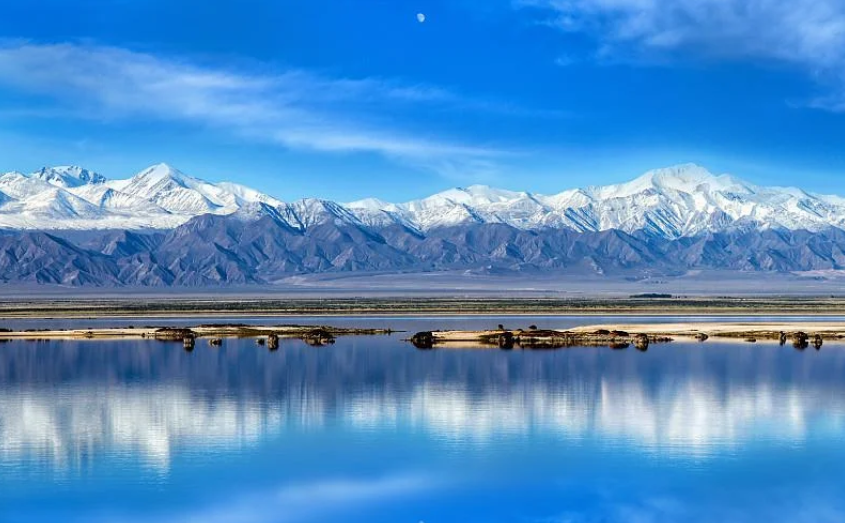
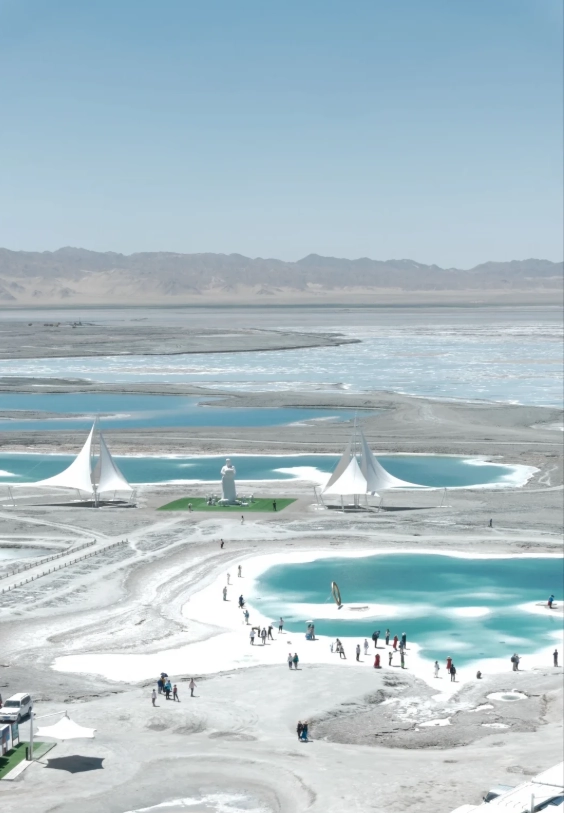
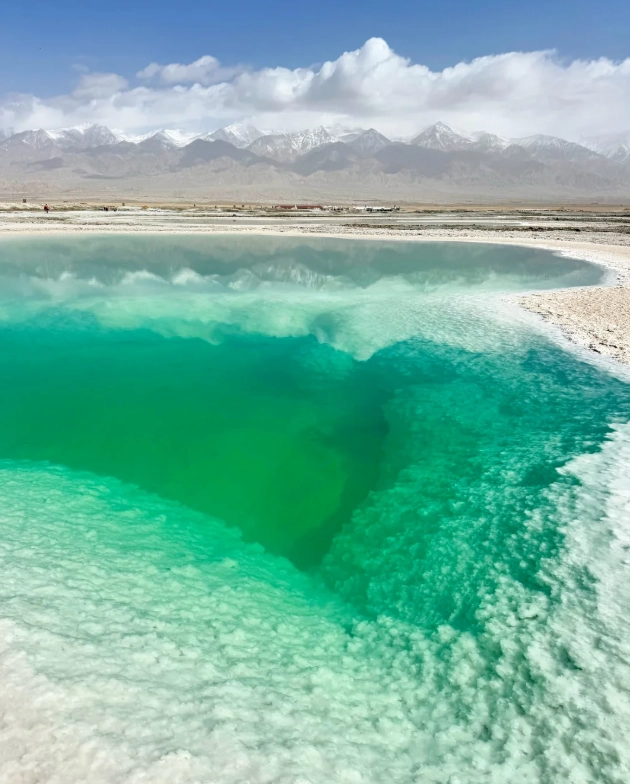
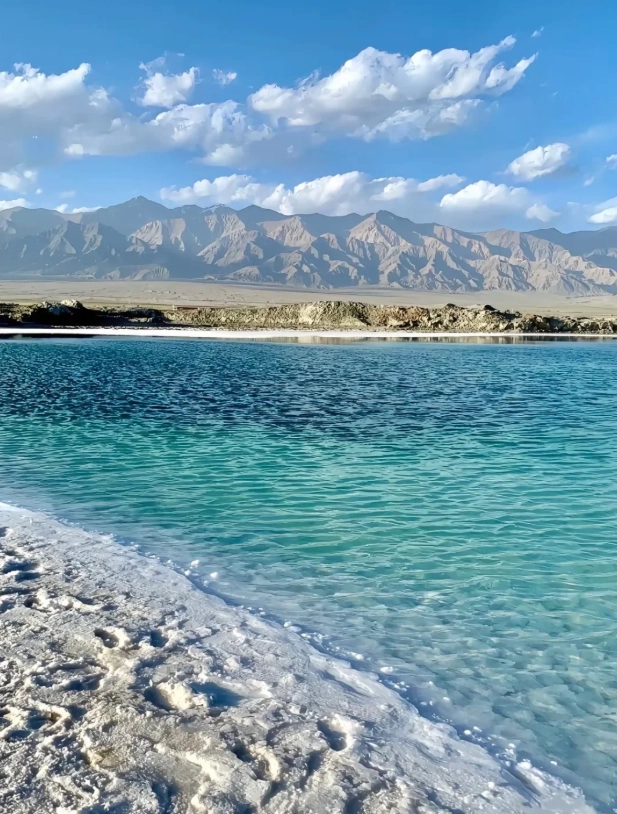
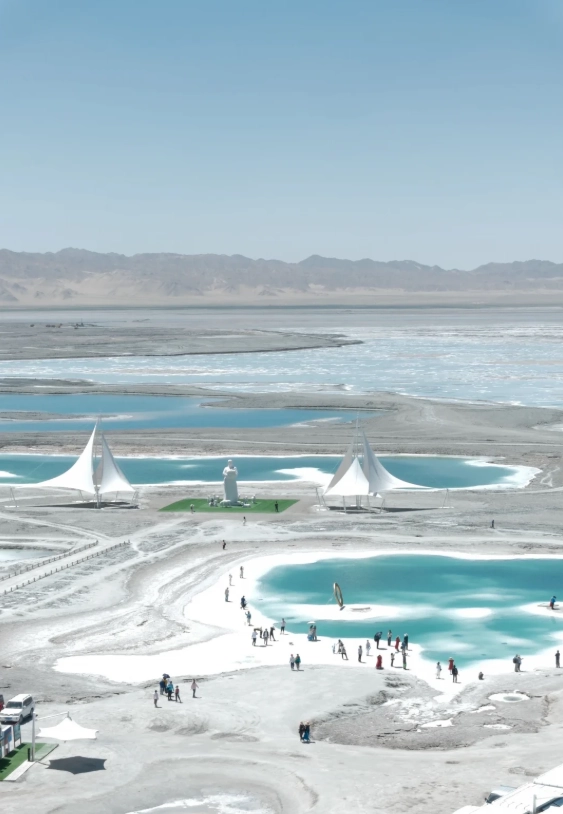
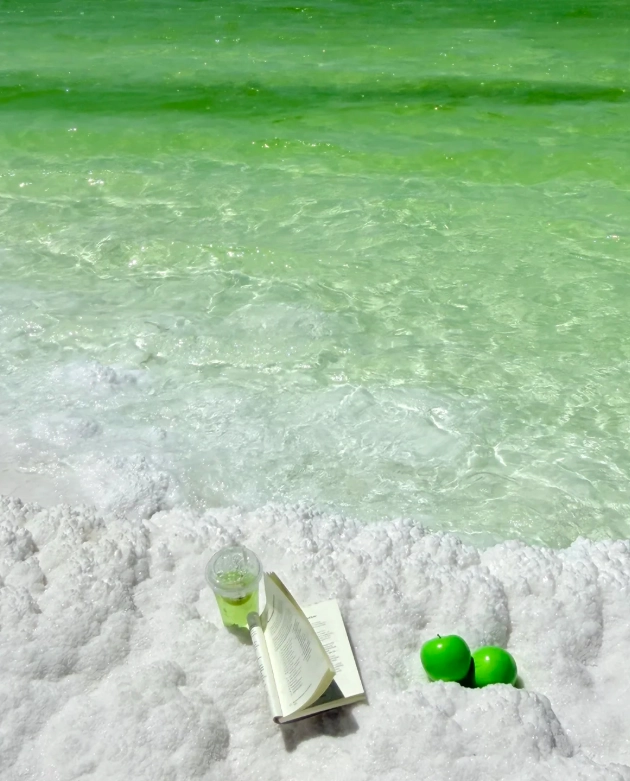
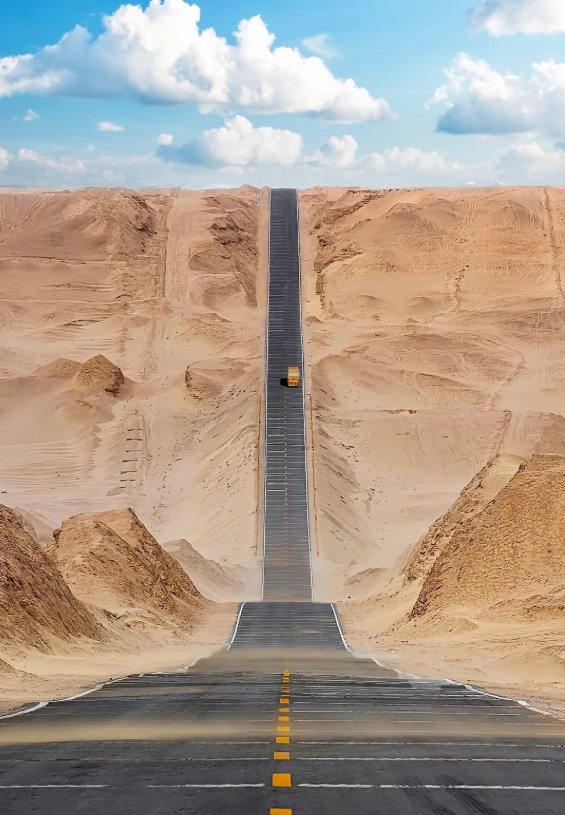
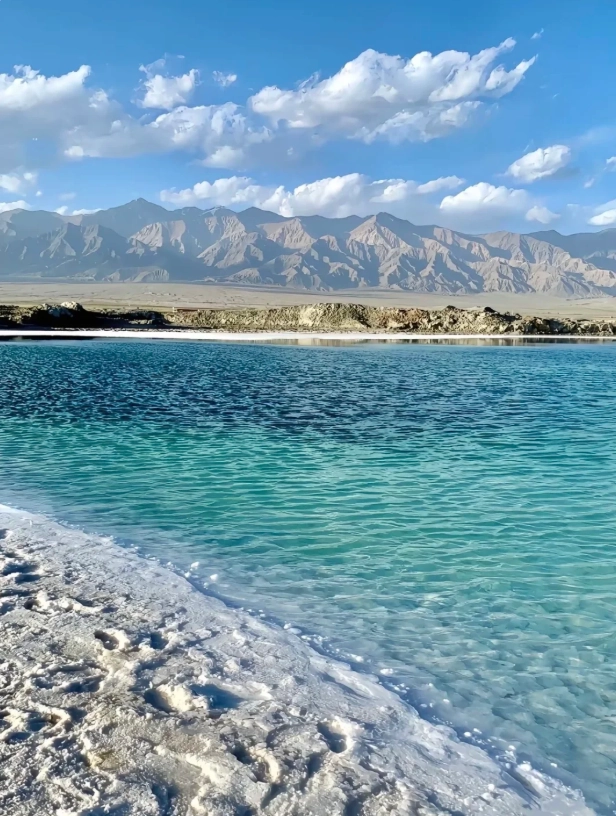
People told me to go to Zhangye, but Qinghai's Chaka Salt Lake blew my mind. We arrived just before sunset and the sky reflected perfectly on the white salt flats—like walking on a mirror into another dimension. The wind sliced through my jacket, but I didn't care. Later we drove through the Qaidam Basin at dusk: endless dunes, road signs absolutely covered in ice, no other cars for an hour. It felt like another planet. Clean toilets at the visitor centre, too, which never happens. Completely worth the detour from Gansu.
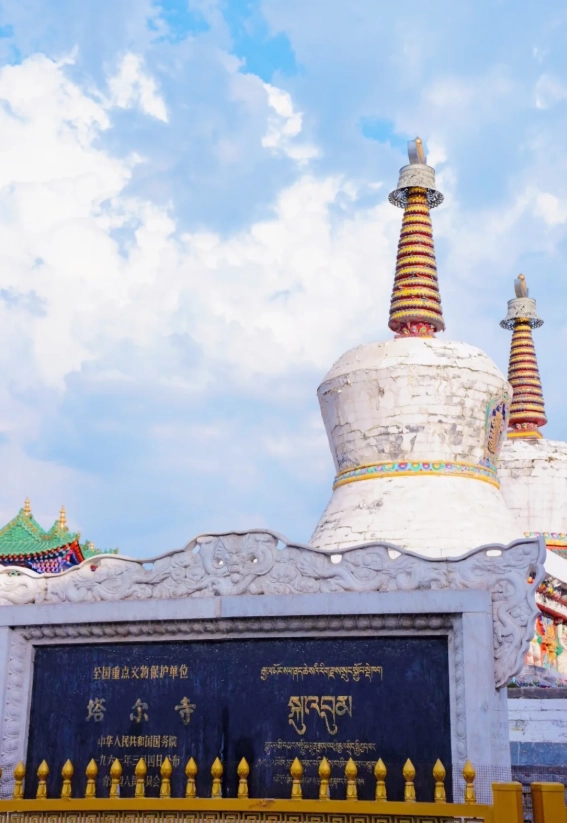
Came for the lake, stayed for the monasteries. Qinghai's Tibetan Buddhist heritage is underrated. Kumbum Monastery in Xining had this golden-tile hall that shimmered in the morning light, and the buttery incense smell drifted through every courtyard. I watched three monks debating—energetic, rhythmic, mesmerizing. The nearby Qinghai Lake was great, but honestly the real magic was these people and their devotion. The guesthouse owner taught me how to make butter tea. Yes, it's salty and rich. I loved every second. Five stars, easily.
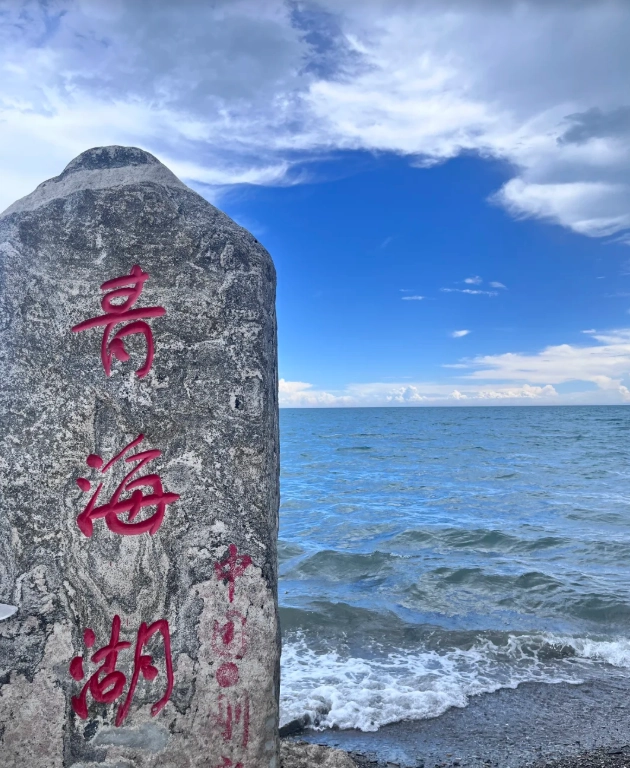
Qinghai rewired something in my brain. We cycled around the lake over three days and every kilometre felt like a ritual. The turquoise water, the white-capped mountains on the horizon, the wind moving through the grasslands. Villagers in the small towns didn't speak much English, but a kid on a pony high-fived me and laughed. The altitude made climbing tough, but the prayer flags and yaks kept me going. If you want a journey, not just a trip, go to Qinghai. Best cycling I've ever done.
I wasn't sure what to expect from Qinghai beyond Qinghai Lake, but the drive around it in late September was stunning—endless yellow grass, bright blue sky, yaks crossing the road. We stayed in a little family guesthouse near Black Horse River; the room was basic but the host cooked a lamb stew that saved us after a chilly morning. The lake itself was beautiful, though the famous statue area was too crowded. Wish we'd had another day to explore the eastern side. Solid 4 stars.
Qinghai Lake is undeniably vast, but I left a bit flat. We drove three hours from Xining, paid a hefty entry fee, and the shoreline we saw was roped off for 'eco-tourism' with overpriced shuttle buses. The water was pretty under grey skies, but the whole thing felt managed and touristy. The noodle stall near the entrance was okay, but the service was gruff. Maybe I just picked the wrong day, but I expected more for the trouble.
Qinghai exceeded every expectation I had. From the tranquility of the Kumbum Monastery (Ta'er Si) with its intricate butter sculptures, to the wild beauty of the Qilian Mountains — every stop felt like a postcard. I’m not a fan of long bus rides, but even the drives were scenic. The local noodle soup (niang pi) is a must-try. If you love raw nature and Tibetan culture, this province is a hidden gem in China. I already want to go back!
Leave a Review