Xining Travel FAQ
Is a VPN necessary for tourists in Qinghai?
Yes, absolutely. Google, Facebook, and Instagram are blocked in China. If you need those apps, set up a VPN before arriving – you can use it with your hotel Wi-Fi. But even if you don't care about social media, a VPN helps for translation services and to check updates on booking platforms if you're using the international versions.
What is the best month to see Qinghai tourist attractions?
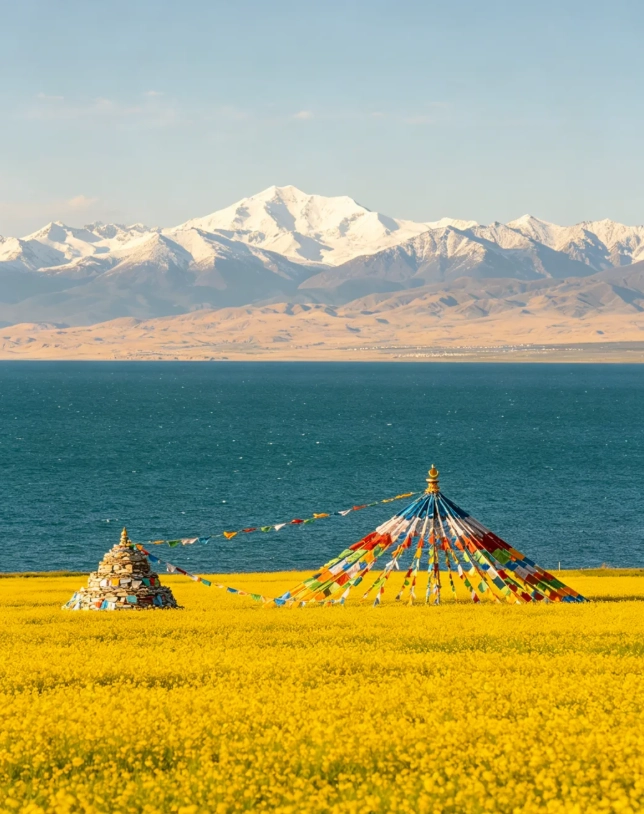
For the lakes, July and August are warm but crowded. If you want fewer people, try late May or September – you'll still see the greenery, but some mountain passes might have snow. Menyuan's rapeseed field is strictly in July.
Can I pay with a foreign credit card at these attractions?
In 99% of cases, no. Attractions only accept mobile payments or cash. So be sure to set up Alipay or WeChat Pay before you arrive. If you haven't, bring enough cash for a day or two – but keep in mind that high-value changes might be hard to get.
Are Qinghai tourist attractions too touristy?
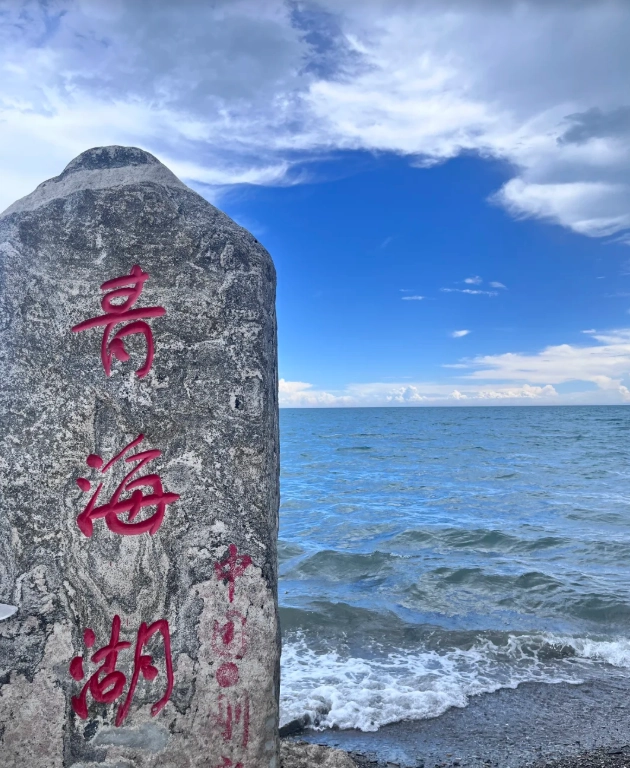
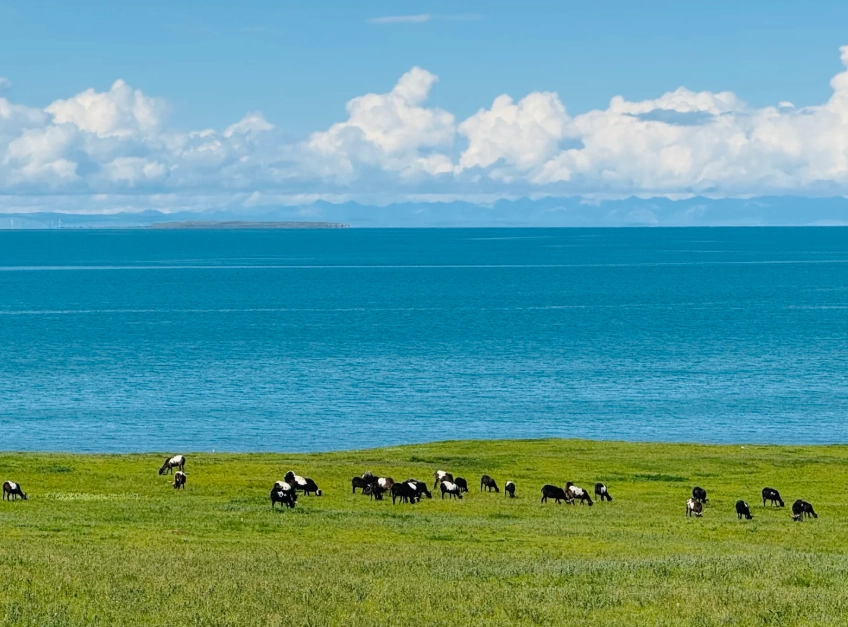
It depends. Qinghai Lake's main entrance is absolutely packed. But you can escape the crowds by visiting the less famous north shore or the western edge. The key is to hire a driver who knows the back roads – my driver once took me to private pasture where we saw the lake with zero people.
How do I handle altitude sickness in Qinghai?
The best prevention is to spend your first night at Xining's 2,200m altitude. Drink at least 3 liters of water daily and take Diamox if prescribed. Avoid climbing stairs quickly and skip alcohol for the first 48 hours. If symptoms persist, return to lower altitude—don't be a hero.
Is it safe to travel in Qinghai, especially alone?
Generally yes. Violent crime is extremely low. However, the biggest threats are altitude sickness and bad road conditions. Keep your VPN on for communication, share your itinerary with someone, and never drive at night on mountain roads. If you feel dizzy, descend immediately — don't try to sleep off the altitude.
What's the best time to visit Qinghai?
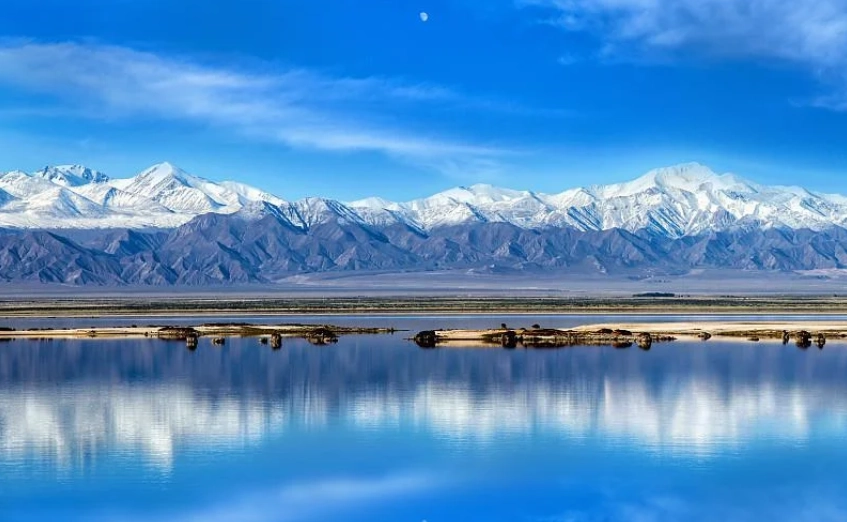
May to October has the most comfortable weather, but July and August can be crowded. For the greenest meadows, go in June. For the famous lake reflections, aim for September when the crowds thin and the sky is clear. Winter is brutal — altitudes over 3,000m are snowed in.
Do I need to pre-book tickets for Qinghai attractions?
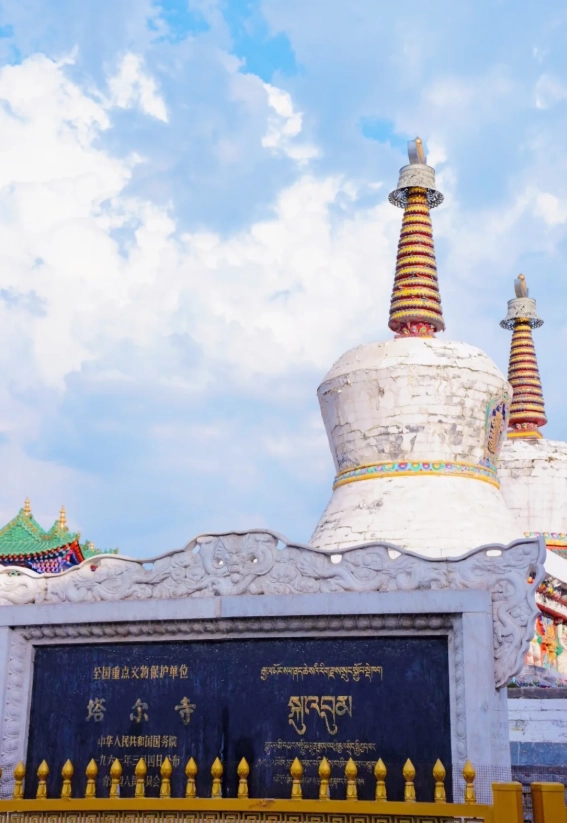
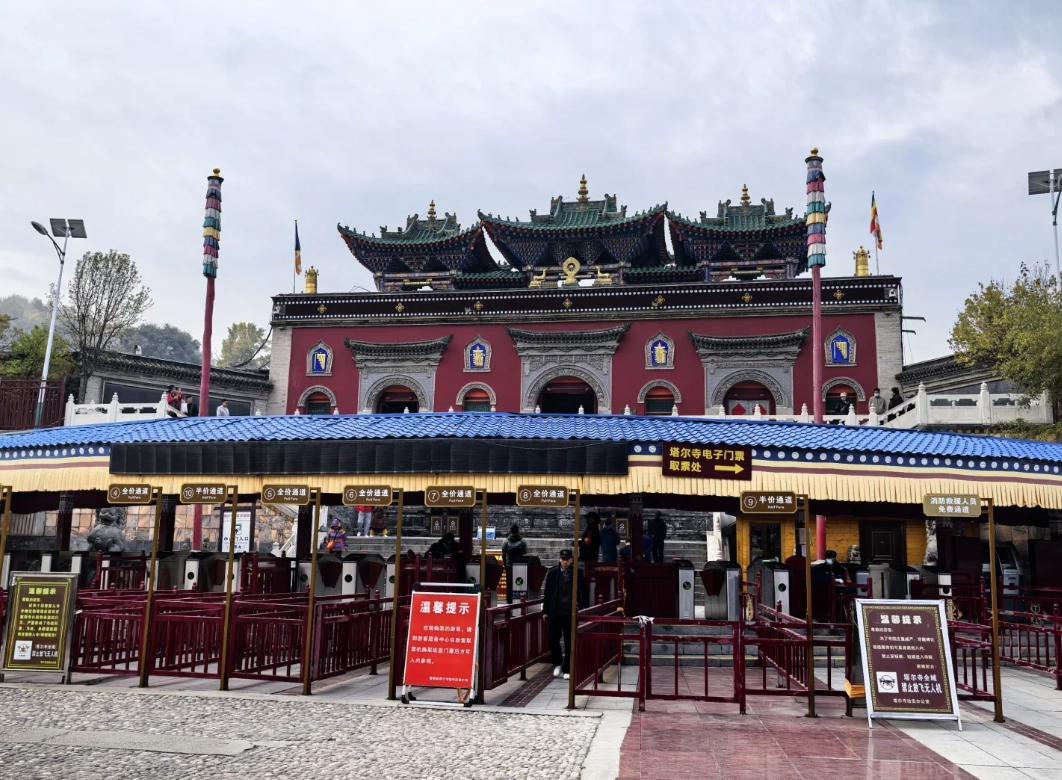
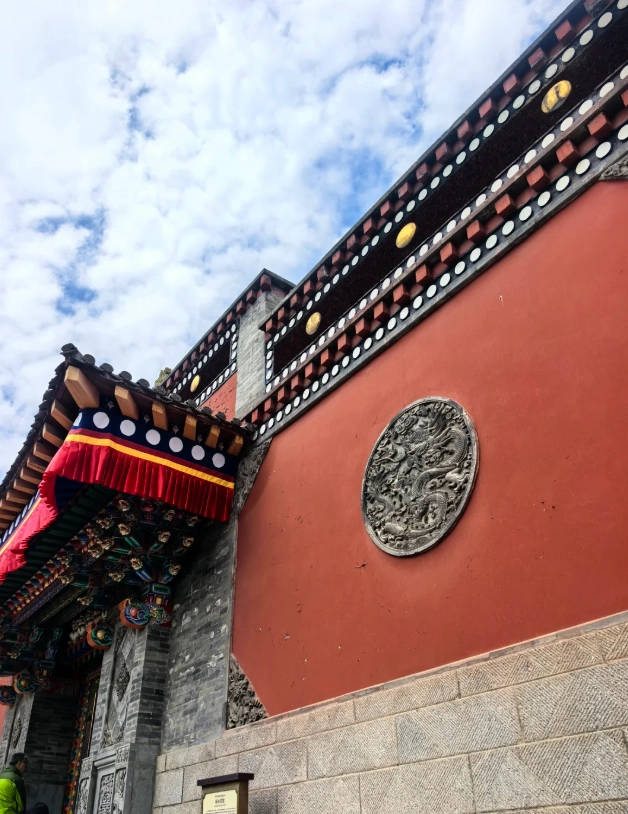
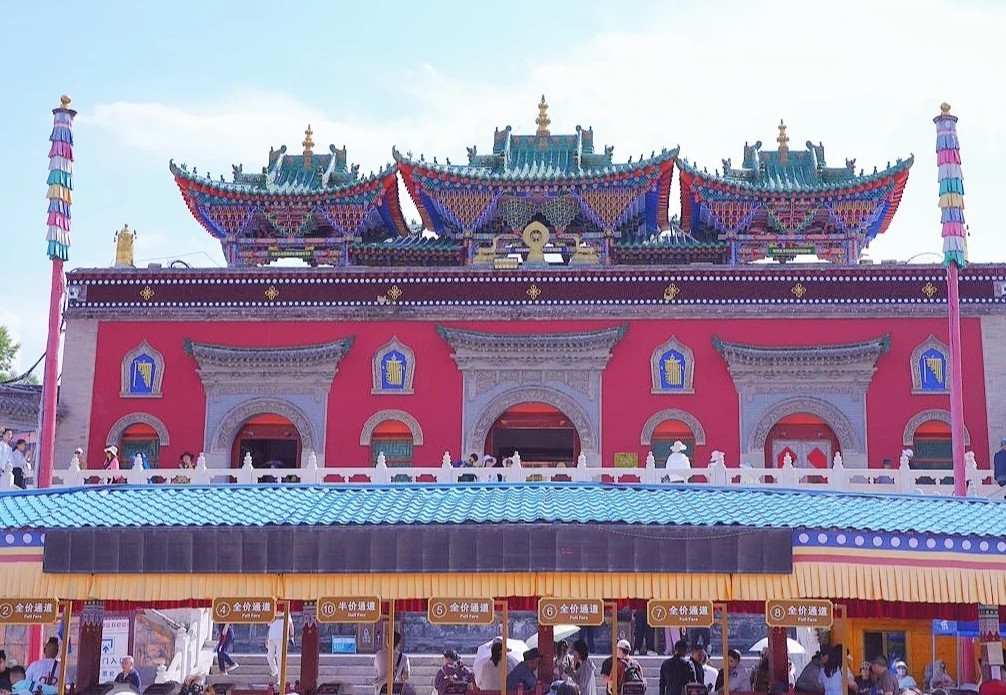
Yes, for Kumbum Monastery and some state-run sites, you're required to make a reservation with your passport. The easiest way is through Trip.com or ask your hotel to call the ticket office. Don't show up without checking — you risk being turned away during peak weeks.
Can I use my international credit card in Qinghai?
Rarely. You'll need to bring enough cash for small vendors and pay for hotels via online booking (which accepts cards). If you have Alipay linked, you'll be fine — it's the default method everywhere. Download the app and set it up before you land.
When should I visit to see the rapeseed fields and still avoid crowds?
From mid-July to early August. The crowds peak on weekends, so start your trip on a Tuesday or Wednesday. Also, the fields near the Hongshan viewpoint open earlier than Menyuan town — many photographers miss this.
Recent Reviews
We almost skipped Xining and I'm so glad we didn't. The city has this fascinating mix of Chinese, Tibetan, and Islamic threads that you don't find elsewhere. I loved hearing the call to prayer drift over from the mosque while sipping butter tea at a local hole-in-the-wall. The fresh apricots at the morning bazaar were incredible. Don't miss the viewing platform overlooking the city — the mountains around make it feel so dramatic. Super underrated destination.
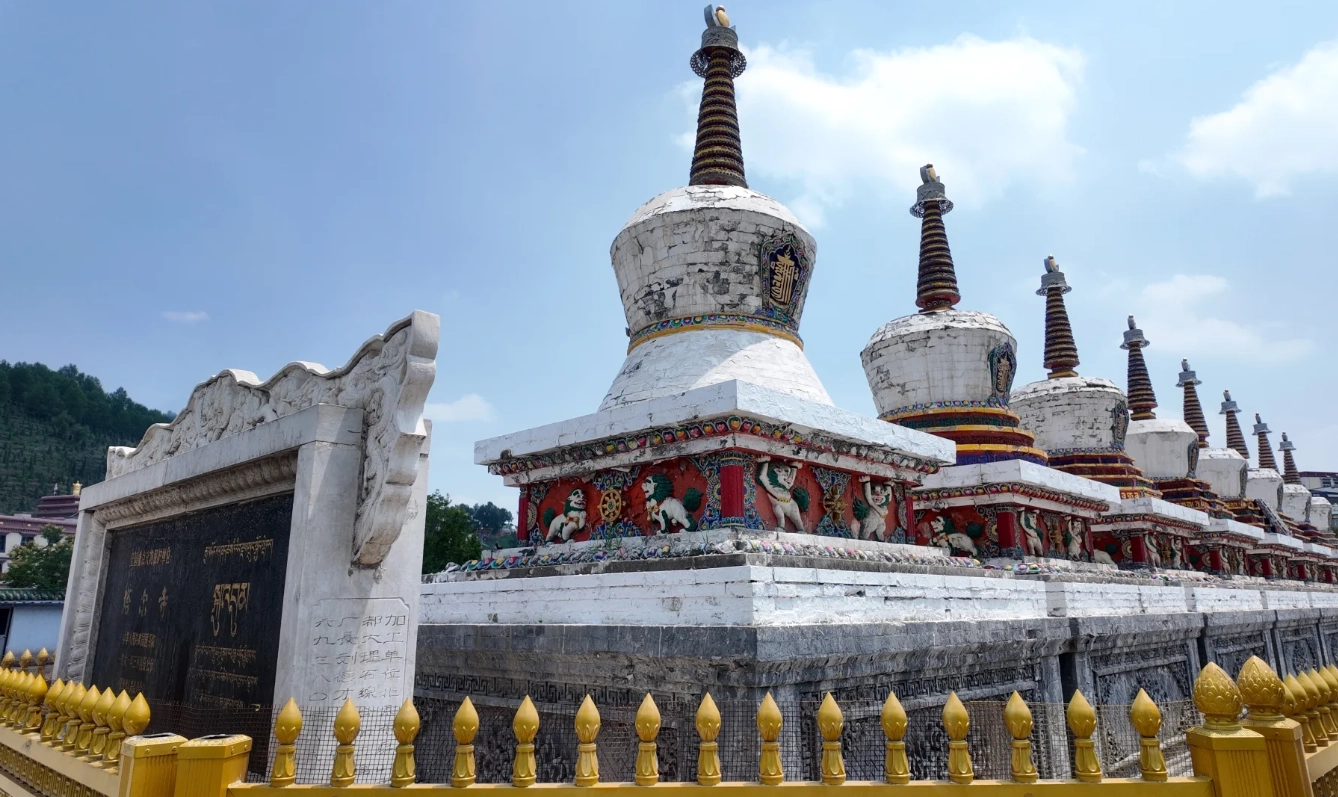
As a guy who loves high-altitude hiking, Xining is a dream base. I spent a day at Kumbum Monastery and the art there is absolutely stunning — the yak butter sculptures are unlike anything I've seen. In the city, the river walk at sunset was peaceful and clean. Even my Airbnb host went out of his way to help me get a bus ticket to Qinghai Lake. This place has a quiet charm that grows on you. Strong recommend!
Honestly, I wanted to love Xining, but it fell a bit flat for me. Maybe it was the weather — it rained the whole time and everything felt gray and slippery. The pedestrian street was crowded but not in a fun way, and the famous market felt a bit touristy. We tried a yak meat restaurant that was recommended, but the meat was super tough and the service was uninterested. It's fine for a stopover, but I wouldn't plan a trip here again.
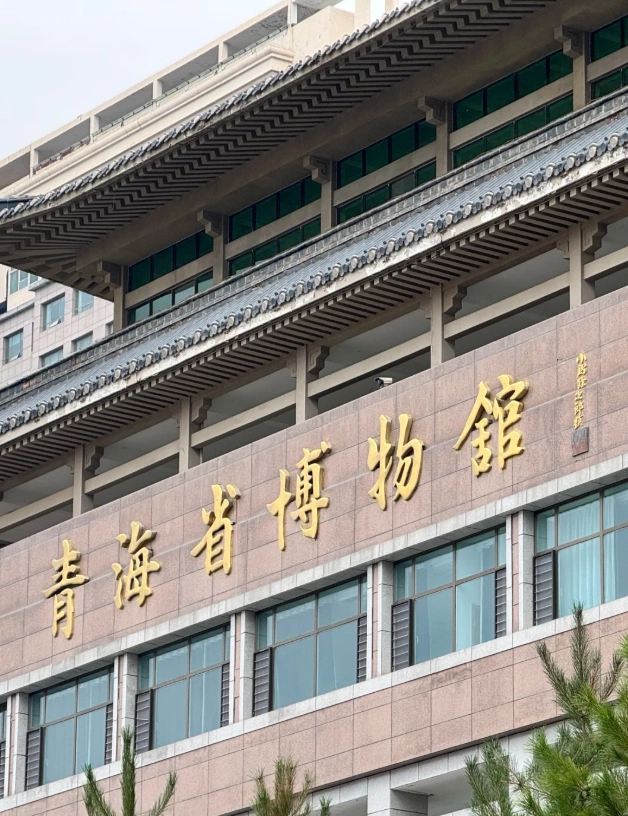
Stayed for two nights to acclimatize before heading further west. The city itself is clean and easy to navigate, though a bit dusty. We really enjoyed the Qinghai-Tibet Plateau Museum — super informative and free, which was a bonus. The only reason I'm not giving 5 stars is that the hotel we booked didn't have proper heating at night, and it got chilly. Otherwise, the locals were warm and the food was solid. A good stop if you're traveling through.
Xining surprised me in the best way. The Qinghai Lake day trip was the highlight, but even just walking around the city felt refreshing at this altitude. The air is crisp, the sky impossibly blue, and the mix of Tibetan and Hui cultures gives the streets a unique vibe. I had the best hand-pulled noodles at a tiny spot near Dongguan Mosque. Honestly, I wasn't expecting much from a transit city, but I'd come back in a heartbeat.
Xining surprised me in the best way. I came for the Qinghai Lake tour but ended up falling in love with the city itself. The blend of Tibetan and Hui cultures is fascinating—you can hear Buddhist chants and Muslim calls to prayer within the same block. Bought some amazing handmade carpets from the bazaar, and the owner even offered me free milk tea. Unforgettable experience.
Leave a Review