 Lei Li
What's Inside This Guide (Jump Directly)
Cold wind slaps your face the moment you step out of Datong Railway Station. I've been guiding here for a decade, and I still forget how sharp the air is in northern Shanxi. But that chill has an upside: it keeps the crowds thin in shoulder season. If you're chasing the true must see in Datong, you need more than a checklist. You need someone who's cursed at the same ticket machines, smelled the same incense, and stood in the same dust.
Here's my honest take: Datong isn't Shanghai. It's raw, gritty, and deeply ancient. But the Yungang Grottoes alone are worth the trip. Add the Hanging Temple, and you've got a weekend that'll be burned into your memory. I've spent years bringing travellers here, and below I've stripped away the fluff to give you the unmissable sights, with transport hacks and photo timing that most English guidebooks miss.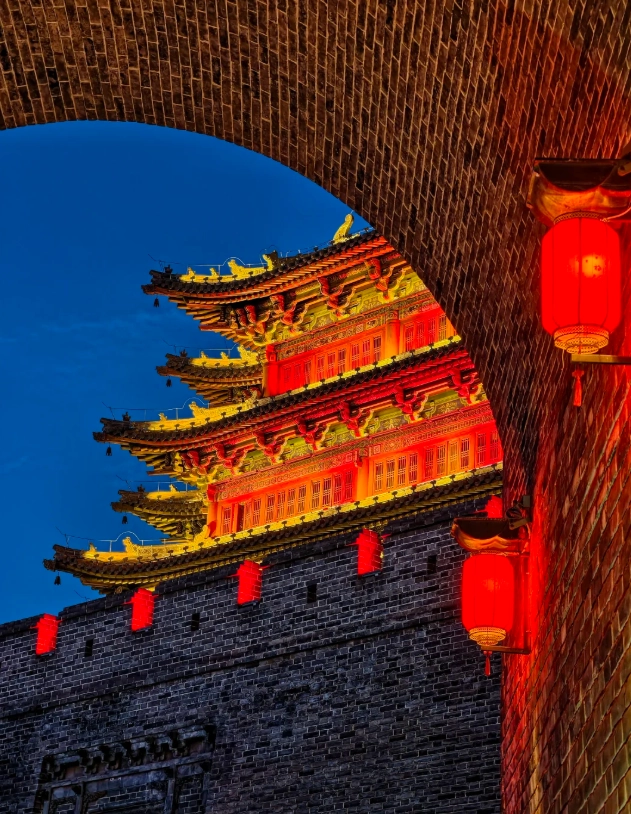
#1 Yungang Grottoes: China's Stone Buddha Masterpiece
This is not just a cave complex; it's a 1,500-year-old rock-cut art gallery. The sheer scale hits you first: 51,000 statues spread across 45 caves and 252 niches. I've watched architecture buffs go quiet here. It's that humbling. The famous 'Big Buddha' in Cave 20 is a postcard staple, but honestly, the lesser-known caves with their colourful murals and eroded carvings are more moving.
How to Get to Yungang Grottoes
A taxi or Didi ride from Datong's city centre takes about 30 minutes and costs around 50 RMB. If you prefer public transit, take bus line 3 from the railway station — but I'd only recommend that if you have loads of time and speak Chinese. The English address to show your driver: Yungang Grottoes, Yungang Town, Yungang District, Datong. There are also shuttle minibuses from the tourist centre, but they leave when full, so don't rely on them.
Yungang Grottoes Tickets and Opening Hours
You'll need to book in advance and your passport is your ticket. Here are the essentials:
| Detail | Info |
|---|---|
| Ticket Price (adult) | Around 120 RMB; seniors 60+ get discounts |
| Opening Hours | Usually 8:30 AM – 5:00 PM, last entry 4:30 PM |
| Address | Yungang Town, Yungang District, Datong |
| Suggested Duration | 3 to 4 hours |
Book your ticket in advance through a platform that works with your passport. Trip.com is the easiest for foreigners. The official WeChat mini-program exists, but it's painful even for me. Don't forget to bring your passport — the entrance scanner requires it to verify your booking.
My Insider Tips for Avoiding Crowds and Getting the Best Photos
Most tour groups arrive between 10 AM and 2 PM. That's also when the sun is directly overhead, creating hard shadows that kill the texture on the Buddha carvings. Instead, I lead my groups to the western caves (Caves 21–45) during that window — they're just as stunning but quieter. For the iconic Cave 20 statue, aim to be there by 8:30 AM at opening. Late afternoon is also magical, but the sun sets quickly in winter, so check sunset times.
Insider Advice: Don't waste money on the electric shuttle inside the park — it's a short walk, and you'll see more by strolling. Skip the big meal at the park entrance; the street food near the exit is cheaper and better.
#2 Hanging Temple: A Cliff-Hanging Marvel
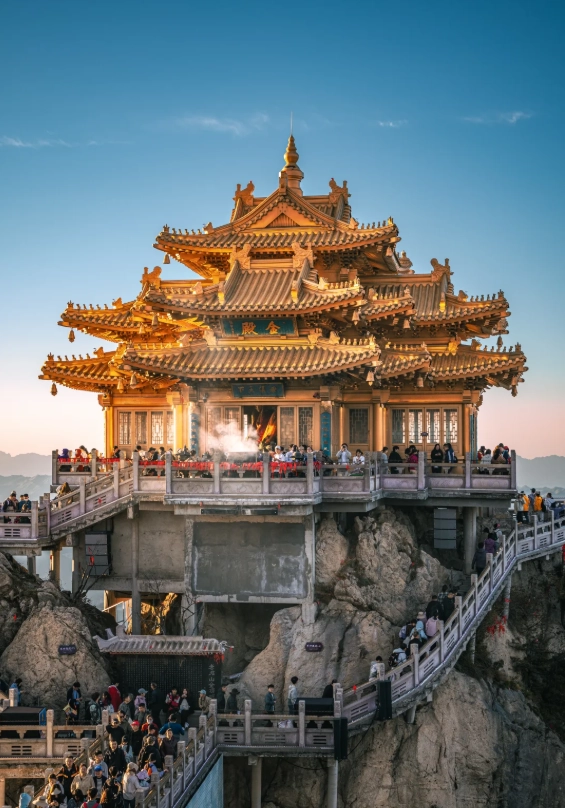
About 60 kilometres south of Datong, this Buddhist temple clings to a sheer cliff like it's defying gravity — because it is. Built in 491 AD, it was constructed with beams inserted into the rock, and it feels more like a wall sculpture than a building. I've seen vertigo-stricken clients white-knuckle the handrails, but the view is worth it.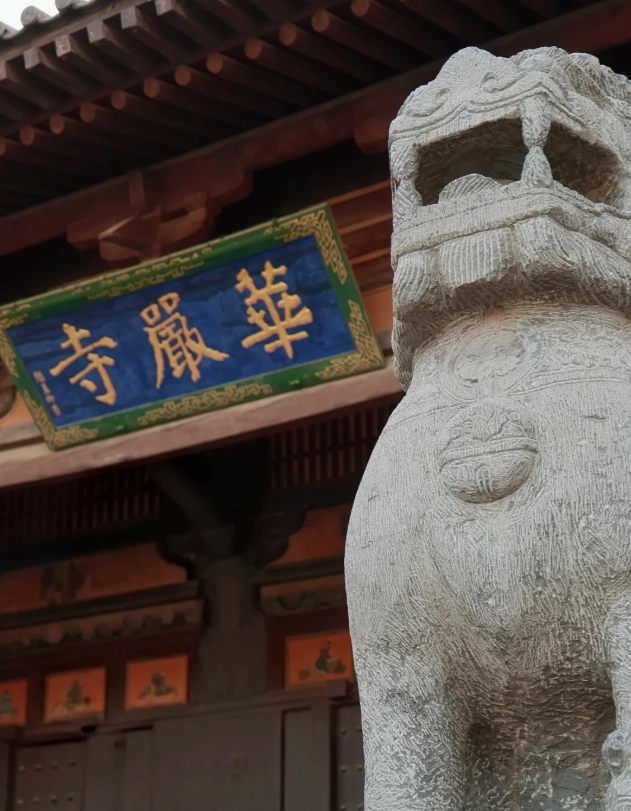
How to Get to the Hanging Temple
The easiest way is to hire a driver for a half-day trip — budget around 300 RMB from Datong, including waiting time. Alternatively, join a small-group tour or take the local bus from the East Coach Station to Hunyuan County, then a short taxi to the temple. But honestly, the extra money for a private driver is worth it because the bus can be a two-hour waiting game.
What to Expect When You Visit
Walking the narrow wooden walkways is an adrenaline kick. Each year, only a limited number of visitors are allowed up at a time, so there is often a line. The staff queue visitors every few minutes, and you'll have to wear plastic shoe covers. It's a quick tour — 45 minutes is plenty — but the queue can add an hour. Go early or late in the day.
Is the Hanging Temple Worth the Climb? (Maybe, But Only If You Follow This)
Yes, it's a UNESCO World Heritage candidate and a true engineering wonder, as noted by the UNESCO World Heritage Centre. However, I'd say the hike down the cliff path is equally rewarding. You'll get that postcard photo of the entire structure against the rock wall. If the line is over an hour, consider skipping the ascent — the best angles are from the bottom, and the interior is nearly empty except a few statues.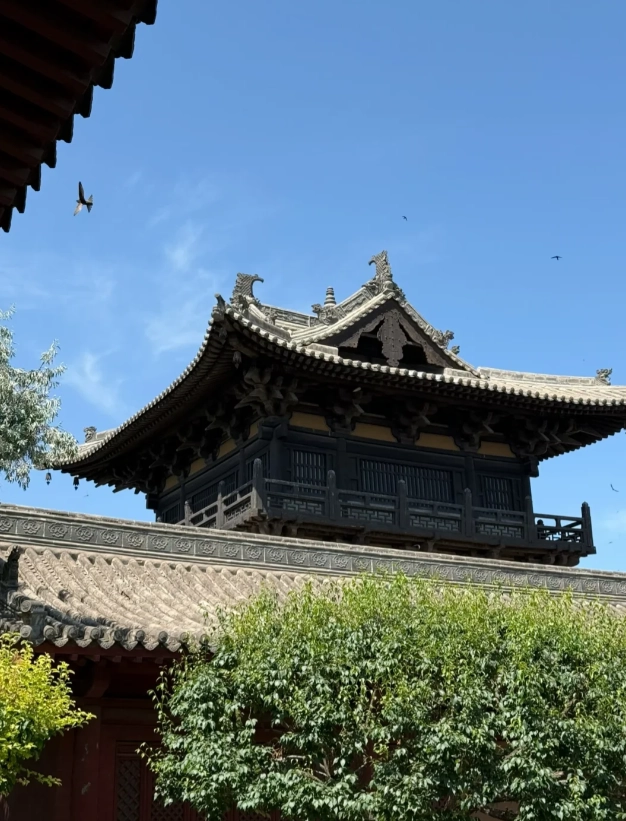
Insider Advice: Try to visit the Hanging Temple around 4 PM. That's when the light turns golden on the cliff face and the tour groups have left. Bring a wide-angle lens — you'll want to fit the whole temple and the cliff.
#3 Yingxian Wooden Pagoda: The World's Oldest Wooden Tower
If you have time for only one stop outside Datong, make it this. The Yingxian Wooden Pagoda (also called the Sakyamuni Pagoda of Fogong Temple) has stood for over 950 years without a single metal nail. It rises 67 metres in five storeys — a staggering feat of ancient engineering. When I take engineers there, they usually start muttering about load-bearing beams and earthquake resistance.
How to Get to Yingxian Wooden Pagoda
The pagoda is in Yingxian County, about 70 kilometres from Datong. The most direct approach is a private car or taxi, which takes 1 to 1.5 hours depending on roadworks. Public buses from Datong East Coach Station run regularly, but the last return bus leaves early, so you might end up stuck. Plan as a round trip with a driver.
Ticket Information and Constraints
You can see the pagoda without climbing it. Here's what you need to know:
| Detail | Info |
|---|---|
| Ticket Price (adult) | About 60 RMB (entrance to see the pagoda from outside) |
| Opening Hours | 8:30 AM – 6:00 PM (winter closes earlier) |
| Address | Fogong Temple, Yingxian County, Shuozhou |
| Access Restrictions | You cannot climb the pagoda; explore the surrounding grounds |
This is the one spot I tell people not to over-plan. The pagoda is beautiful, but it's also a victim of its own preservation — you can't go inside. You walk around the temple courtyard and admire it from the outside. Some travellers are disappointed; I always tell them to treat it as a 45-minute photo stop rather than a half-day excursion.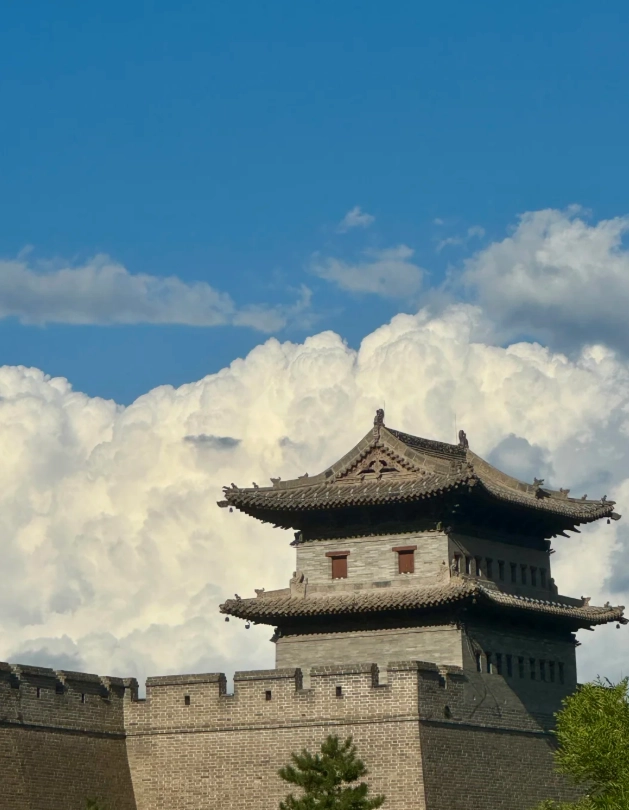
Why You Should Skip the Climb (And What to Photograph Instead)
The pagoda is considered so fragile that authorities closed it to climbers years ago. Actually, climbing the narrow wooden stairs would be impossible today anyway. So instead, take your time photographing the details: the curved eaves, the faded murals, the swallows swooping around the roof. There's a small museum next door that explains the construction techniques, which is worth 20 minutes.
#4 Datong Old City: A Walled Time Capsule
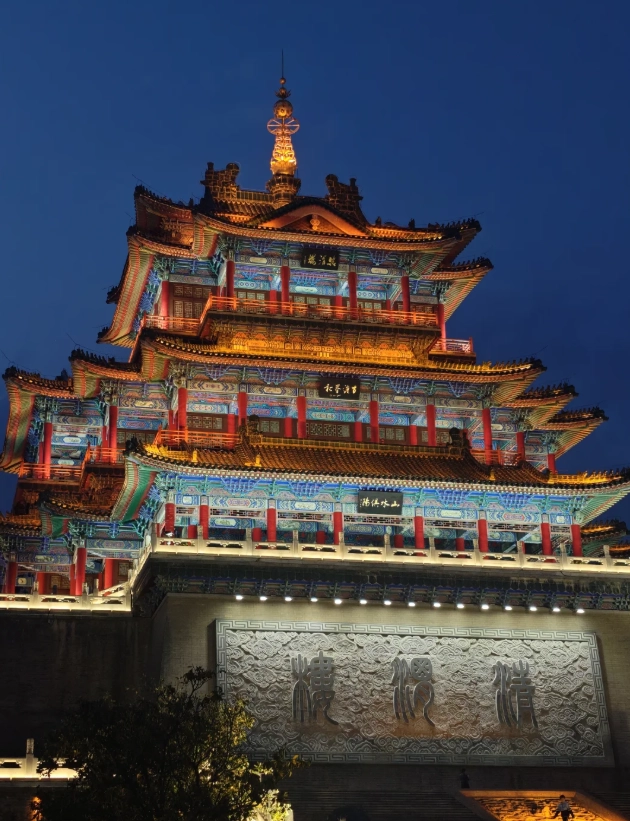
Datong's old city is a refreshing contrast to the industrial grittiness outside. The city wall is fully restored, and you can walk or cycle the entire perimeter — about 7 kilometres. The old town inside is a grid of narrow alleys, traditional courtyard houses, and a few eyesore shopping streets that don't fit. But the wall itself is the star.
Exploring the City Wall and Its Gatehouses
Most visitors enter at the South Gate, which has a massive gatehouse and a wide staircase. You can rent a bike on the wall for around 30 RMB per hour. The full loop takes about 90 minutes if you stop for photos. There are watchtowers every few hundred metres — climb a few for different angles of the city.
The Best Time to Walk the Wall (Sunset or Bust?)
I always schedule a wall walk for late afternoon. The light in Datong is harsh at noon, but as the sun sinks towards the Yellow River, the old city lights up. The west side of the wall is the best spot to watch sunset over the Shanxi loess hills. If you're exhausted, skip the full loop and just do the south and west sections.
Where to Eat After Your Wall Walk
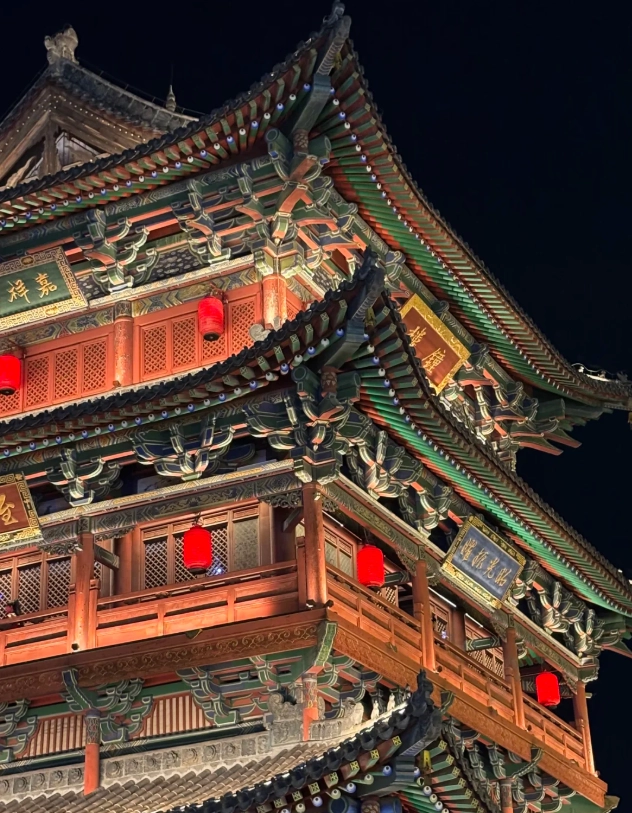
Near the Drum Tower in the centre of the old city, you'll find a cluster of family-run restaurants. I always take clients to a place called 'Shuai Wang Jiaozi' — it's the restaurant with a big red lantern sign. Their mutton dumplings are the best I've had in Shanxi. Expect to pay 30-50 RMB per person. Note: these places usually only accept cash or WeChat, and have no English menus — bring your translation app.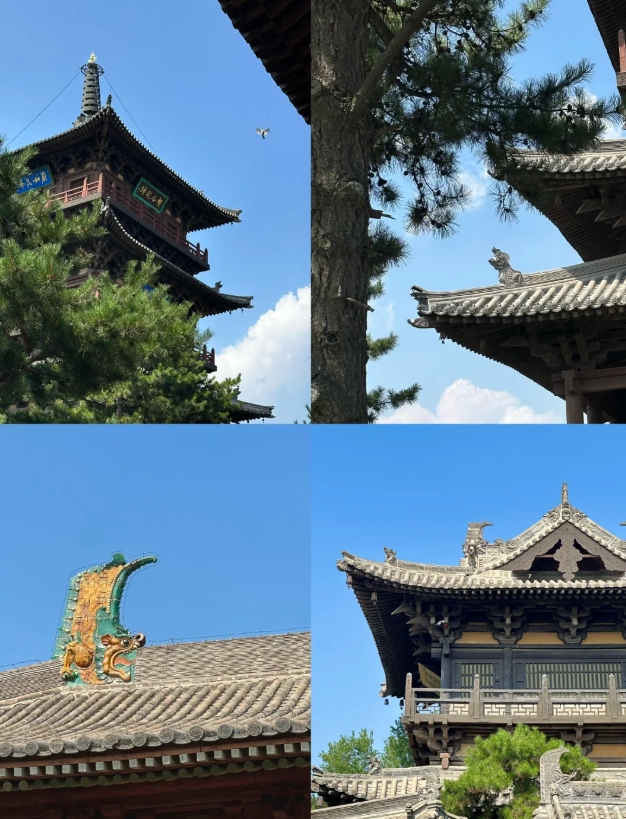
#5 Huayan Monastery: Buddhism With a Datong Twist
This is the hidden gem. While the grottoes get all the hype, Huayan Monastery in the old city is the reason I always add an extra day to a Datong trip. It's a sprawling Buddhist complex dating from the Liao Dynasty, and it has a grand hall that feels like a cathedral carved in wood.
Getting There and Tickets
Huayan Monastery is inside the old city, about 10 minutes on foot from the Drum Tower. Admission is around 50 RMB, and it's included in many combination tickets. The opening hours are similar to other sites: 8:30 AM to 5:30 PM, with last entry at 5 PM. You can book through Trip.com or on-site if you have cash.
Grounds and Buildings You Can't Miss
The Mahavira Hall is the unmissable heart of the complex. Look out for these highlights:
- The Great Hall (Mahavira Hall): This is the highlight, with its enormous painted clay statues that date back to the Liao dynasty. The ceiling is vibrantly patterned with scenes of Buddhist heavens.
- The Library Hall: Home to a surprisingly large collection of scriptures and a giant turning sutra library cabinet.
- The Haotian Pavilion: Climb upstairs for a rooftop view over the monastery's old green tiles.
How to Combine Huayan Monastery With the Old City
Spend the morning on the city wall, then stroll to Huayan after lunch. The monastery is quieter in the late afternoon, and the low sun throws long shadows across the courtyards. After you exit, walk south to the Drum Tower and grab a coffee at one of the little cafés nearby — there's one called 'Frog Cafe' that has surprisingly good cappuccino.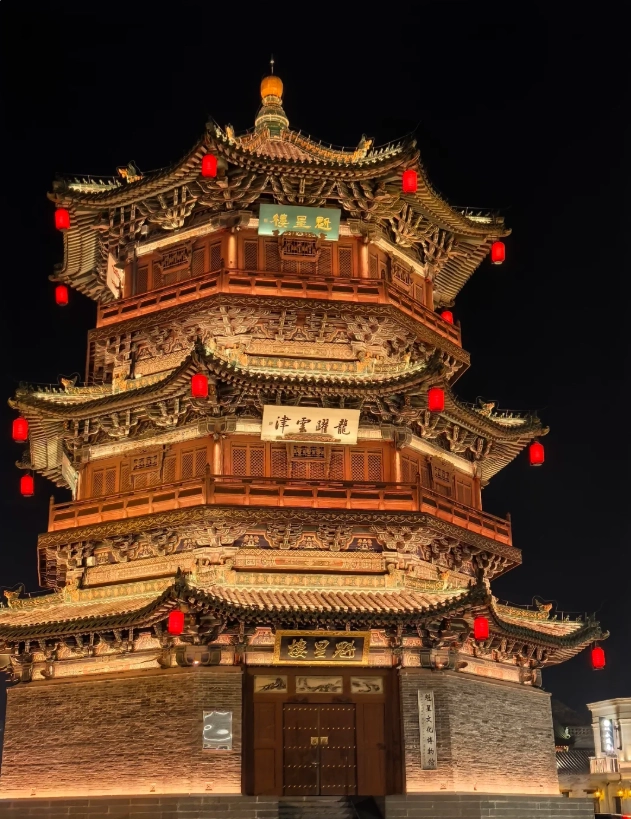
How to Plan Your Datong Itinerary (2-Day Plan)
You can see the main must see in Datong in two packed days. Here's a schedule that I've refined over years of leading groups — it avoids the steepest crowds and carves out time to actually enjoy the sites rather than just photographing them.
Day 1: Yungang Grottoes and the Old City
Start the day at Yungang right when the gates open. Morning: Explore the main caves for about three hours, including the newer museum. Lunch: Return to the old town and try a local noodle shop. Afternoon: Walk the south section of the city wall, then head to Huayan Monastery. Evening: Stroll through the old town near the Drum Tower, where there's a night market on weekends.
Day 2: Hanging Temple and Yingxian Wooden Pagoda
Hire a driver for the full day to make this work. Morning: Leave at 7:30 AM to beat the tour buses. Arrive at the Hanging Temple by 8:30 AM, explore for 1.5 hours, then drive to Yingxian (45 minutes). Lunch: In Yingxian town, find a small eatery serving lamb soup — ask for 'yang za tang'. Afternoon: Visit the wooden pagoda, take photos, and perhaps stop by the museum. Head back to Datong around 4 PM.
What if You Only Have 24 Hours in Datong?
Focus on Yungang Grottoes in the morning and the old city in the late afternoon. Skip the Hanging Temple unless you're okay with a 3-hour round-trip drive. Many travellers do this and miss a lot, but that's the reality of a short trip. If it's your first time in China, I'd also say Datong is best paired with Pingyao or Beijing, not as a standalone.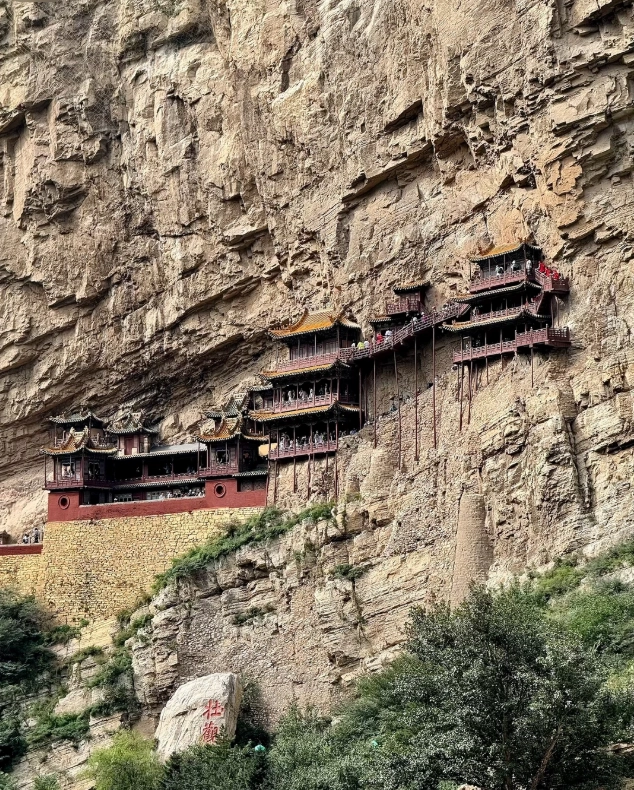
Practical Tips for Foreign Tourists
Payment and Booking: Get Your Apps Ready
Set up Alipay and link an international Visa or Mastercard before you arrive. This works at almost all tourist spots, taxis, and restaurants. Only a few places accept foreign credit cards directly, and cash is sometimes awkward because the change is given in coins you'll never use. For tickets, use Trip.com or Klook — both have English interfaces and accept international cards. Also, check the latest visa requirements at the National Immigration Administration's official website (www.nia.gov.cn) before you fly.
Transportation and Navigation: Forget Google Maps
Google Maps doesn't work well in China; use Apple Maps or 'AMap' instead. Switch your phone to Apple Maps after arrival, or download the English-friendly AMap Global app. For taxis, show the Chinese address — you can generate this in the AMap app. Didi (Chinese Uber) has an English version, and it's the easiest way to avoid overpaying for taxis. For intercity trains, book through the official China Railway site (12306.cn) — it's the only reliable source for high-speed rail tickets.
Language and Connectivity: Bring a Translator App
Datong has very little English signage outside of the major attractions. Download the offline Chinese pack in Google Translate or use Apple's built-in translation. Also, install a VPN before you leave home if you need Facebook, Instagram, or WhatsApp while here. Many foreigners ask me about wifi — most cafes in the old city offer it, but speed varies.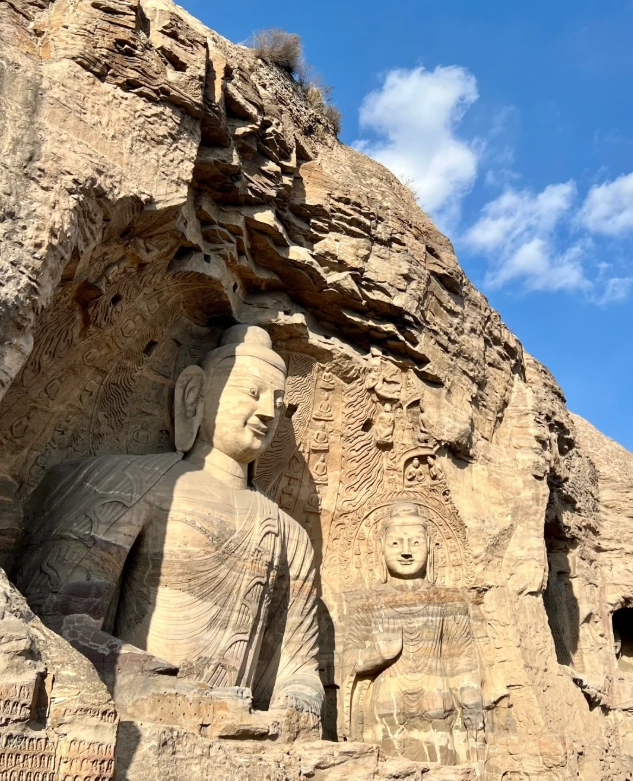
Frequently Asked Questions
Verified and fact-checked by the editorial team.





No comments yet.