 Ling Wu
Quick Guide — Jump to Your Answer
Let me paint you a picture. You're standing at the foot of Wudang Mountain, jet-lagged, phone battery at 2%, and a taxi driver is yelling at you in rapid-fire Chinese. That's the moment I've seen too many tourists stuck in. Here's the thing: Shiyan's best time to visit isn't just about weather—it's about dodging crowds, avoiding overpriced rides, and making sure your Alipay actually works.
I've guided dozens of travelers through this city, and the question I get most is 'When should I come?' After countless trips, I can give you a straight answer: late April to mid-May, or late September to mid-October. These windows give you crisp air, clear views of the peaks, and manageable crowds. In this guide, I'll break down every season, share my personal hacks, and save you from the mistakes I've made.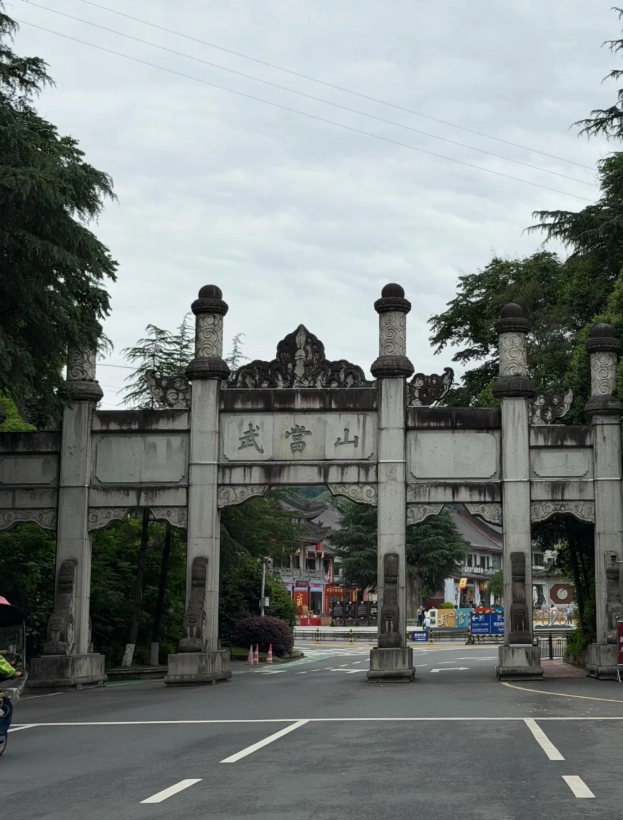
Understanding Shiyan's Climate: When to Go?
Shiyan sits at the northern edge of Hubei Province, wrapped around the foothills of the famous Wudang Mountains. Its climate is a humid subtropical one, which means hot summers, mild winters, and plenty of rain in between. But the best time to visit Shiyan for a Wudang summit experience is squarely in the shoulder seasons.
Spring (April–May): The Blooming Season
Spring is my favorite time to be on Wudang Mountain. The temperatures hover between 15°C and 25°C, the rhododendrons are in full bloom, and the air smells like wet pine needles. I remember one April morning when I took a group up to the Golden Summit; we were above a sea of clouds with the peaks poking through. That's a memory none of us forgot.
But here's a warning: spring in Shiyan can bring unexpected rain showers. Pack a light waterproof jacket and a pair of non-slip shoes. The mountain paths get slippery, and I've seen too many tourists sliding in flimsy sneakers.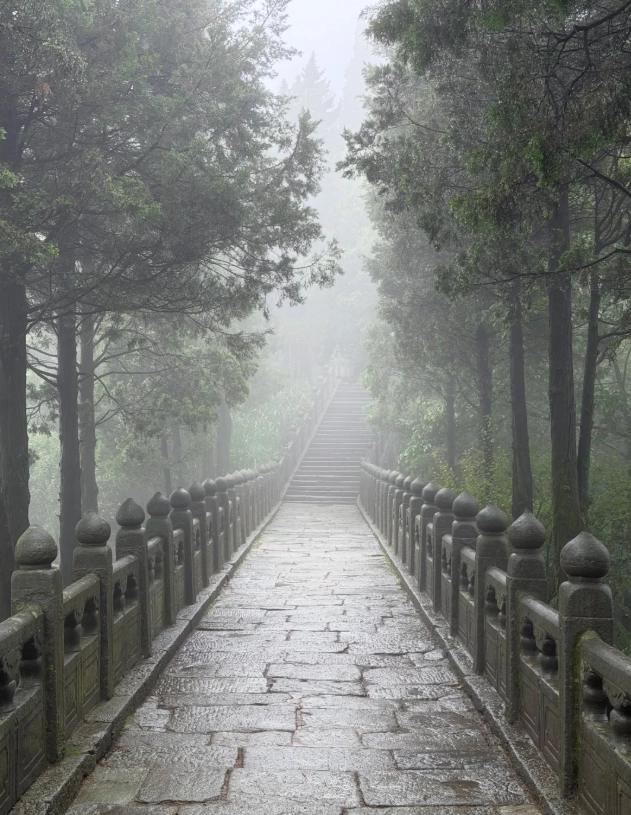
Autumn (September–October): Golden and Crisp
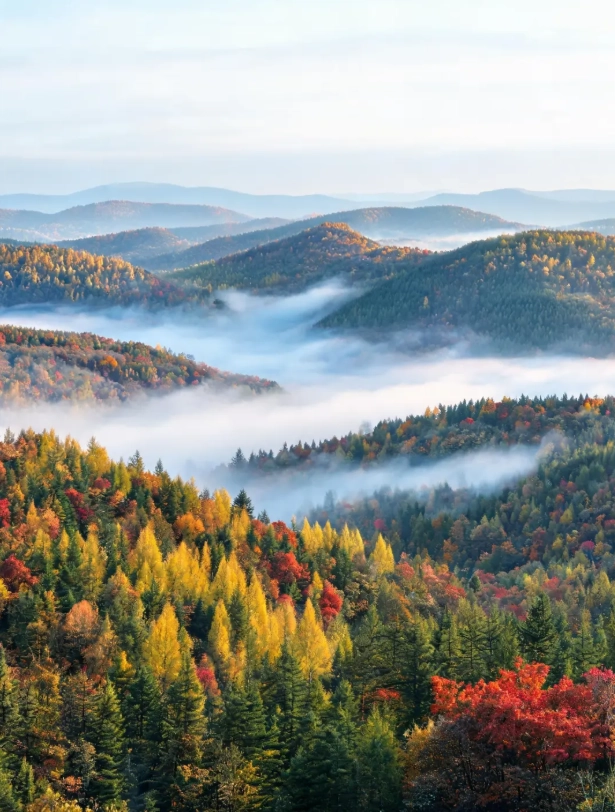
Autumn is a close rival to spring, maybe even better. September and October give you clear blue skies, comfortable temperatures around 20°C, and the maple leaves turn shades of amber and crimson. The views from the cliffside temples are just stunning. I always tell my clients that autumn is the season for photographers. The light is softer, and the crowds thin out after China's National Day holiday in early October.
Summer (June–August): Hot and Crowded
I'll be honest—summer is the toughest time to visit Shiyan. Temperatures often climb above 35°C, with high humidity and frequent thunderstorms. The mountain offers some relief from the heat, but the stairways become a sweat fest. And to add to it, this is also the busiest season for domestic tourists. During July and August, you'll queue for the cable car for hours. If you can avoid it, do. If you can't, at least book your tickets in advance and start your climb before 7 AM.
Winter (November–March): Snowy Serenity
Winter in Shiyan is cold and quiet. From December to February, the mountain can lose its crowds entirely. You might have the ancient pavilions all to yourself. The downside? Temperatures drop below freezing, and the summit can be covered in ice. Some paths close for safety, and the cable car often runs on a reduced schedule. If you love a wintry escape and don't mind bundling up, this could be the perfect time for a contemplative visit. But always check the weather forecast before heading up.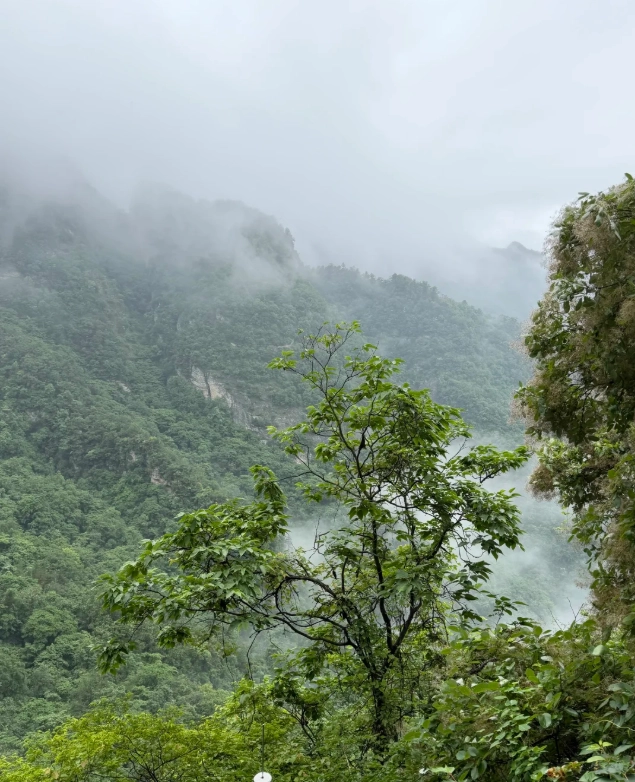
Shiyan Best Time to Visit: Month-by-Month Breakdown
Let me give you a quick glance at what each month looks like in Shiyan. This table is based on my decade of leading trips there, so you can trust it.
| Month | Avg Temp (°C) | Rainfall | Crowd Level | Recommendation |
|---|---|---|---|---|
| January | 2–9°C | Low | Very Low | Cold but calm |
| February | 4–12°C | Low | Low | Possible snow |
| March | 8–16°C | Moderate | Moderate | Early spring, still chilly |
| April | 14–23°C | Moderate | Medium | Great time to visit |
| May | 18–27°C | Moderate | High (holidays) | Beautiful but busy early May |
| June | 22–30°C | High | High | Rainy season starts |
| July | 25–34°C | High | Very High | Hot and crowded |
| August | 24–33°C | High | Very High | Stormy afternoons |
| September | 19–28°C | Moderate | Medium | Autumn begins |
| October | 13–22°C | Low | High (Golden Week) | Stunning but crowded first week |
| November | 8–16°C | Low | Low | Underrated gem |
| December | 2–10°C | Low | Very Low | Quiet retreat |
If I had to pick one month, it would be late October. The summer heat is gone, the rain has tapered off, and yet the tourist traffic has eased after the National Day rush. But do note: the exact week depends on when the autumn leaves peak. I always recommend keeping your schedule flexible for a few days.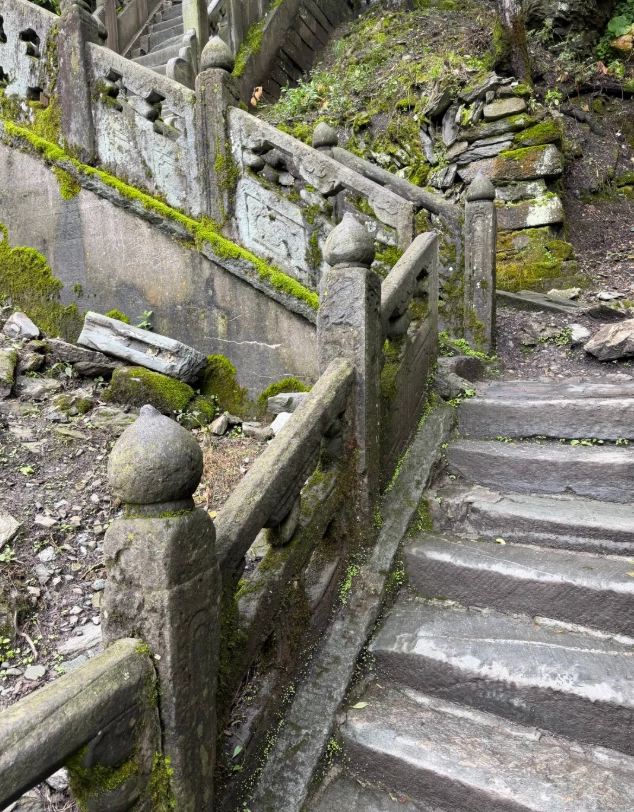
How to Plan Your Shiyan Trip Around Festivals
Festivals can make or break your visit. Some are wonderful, and some turn the mountains into a sea of selfie sticks. Here's how I guide my clients.
Wudang Taoist Cultural Festival
Every few years, Shiyan hosts a grand celebration of Taoist culture, complete with martial arts demonstrations, ceremonies, and parades. It's an amazing spectacle, but it also brings enormous crowds. If you're not specifically there for the festival, I'd suggest avoiding it. Check the official Wudang Mountain tourism website for event dates before booking.
China's National Day (October 1–7)
This is the week I tell everyone to avoid. The mountain receives tens of thousands of visitors daily. You'll spend most of your time queuing, not exploring. If you have to go, book everything at least a month in advance, and be prepared for a slow, crowded experience.
Chinese New Year (Late January / February)
This is another peak domestic travel period. In Shiyan, you'll find fewer travelers than the big cities, but the cable car and hotels may be fully booked. It's also one of the few times you can see the temples adorned with festive lanterns. But if you're after peace, pick another week.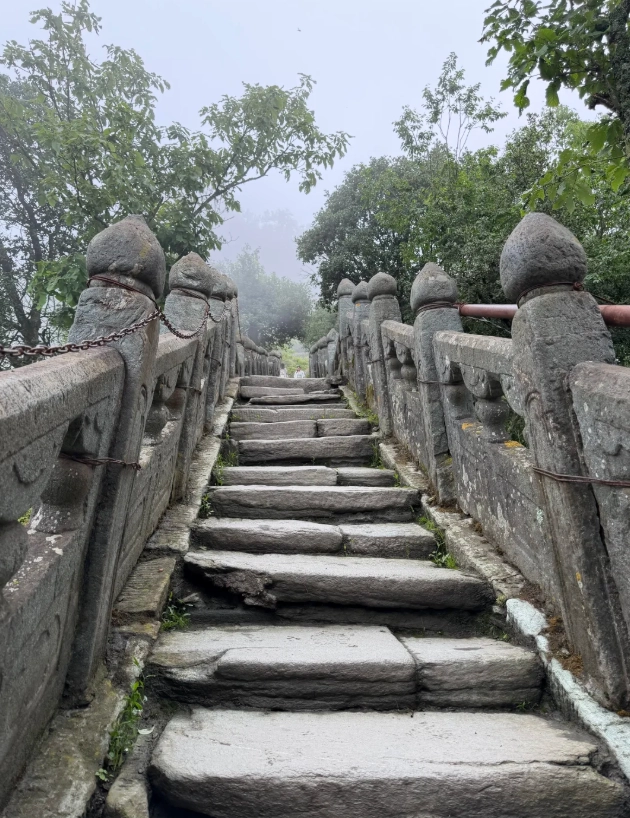
Insider Tips for Avoiding Crowds in Shiyan
Even during the best time to visit Shiyan, you'll still need to strategize. Here are my go-to tactics.
What Time of Day to Visit
Get an early start. The first cable car up the mountain usually runs around 7:30 AM. If you're at the gate by 7, you'll beat the tour buses that roll in around 9. I always knock on my clients' doors at 6 AM, and they thank me later when they're descending as the crowds are ascending.
Another trick: visit the quieter side temples in the afternoon. Most tour groups stick to the main route between the Purple Cloud Temple and the Golden Summit. If you detour to the South Rock Palace or the Dragon Head Incense, you'll find pockets of silence even at midday.
Pro Tip: If you're short on time, take the cable car up to the Golden Summit early in the morning, then hike down on the ancient sacred path. You'll go with the flow of fewer people and have the Stone Gate to yourself around noon.
How to Get to Shiyan and Get Around
Reaching Shiyan is easier than you think. The city has its own airport (Wudangshan Airport) and a high-speed rail station (Shiyan East Railway Station). From Wuhan, it takes about 2 hours by bullet train. From Beijing or Xi'an, you can also catch direct trains. But how you get around once you're there matters more.
By Plane, Train, or Bus
The most convenient way is to fly into Wudangshan Airport, which has connections with major cities like Beijing, Shanghai, and Shenzhen. From the airport, a taxi to the Wudang Mountain scenic area costs around 80 RMB and takes about 30 minutes. Alternatively, the high-speed rail drops you off at Shiyan East, where you can grab bus route 202 or a shared shuttle directly to the mountain gate (about 30 RMB).
Local Transport and Navigation
Here's the catch: Google Maps doesn't work in China. Don't even rely on it. Use Apple Maps or download AMap (Gaode) in English before you arrive. For taxis or ride-hailing (Didi), the Chinese ride-hailing app, remember to enter your destination in Chinese. I always send my clients the Chinese addresses beforehand, like "武当山风景区" for Wudang Scenic Area.
Payment is another tricky point. Most vendors in Shiyan accept Alipay or WeChat Pay, even for small purchases. Cash is accepted, but you'll often get a rude shoulder shrug if you don't have exact change. International credit cards are only used at high-end hotels and few restaurants. So set up your Alipay with an international card before you come. If you can't, carry enough cash and ask for small bills.
One more necessity: a VPN. Without it, you can't access Google, Facebook, or even your email. You'll also want a translation app — Apple Translate or Baidu Translate work offline if you download the language pack.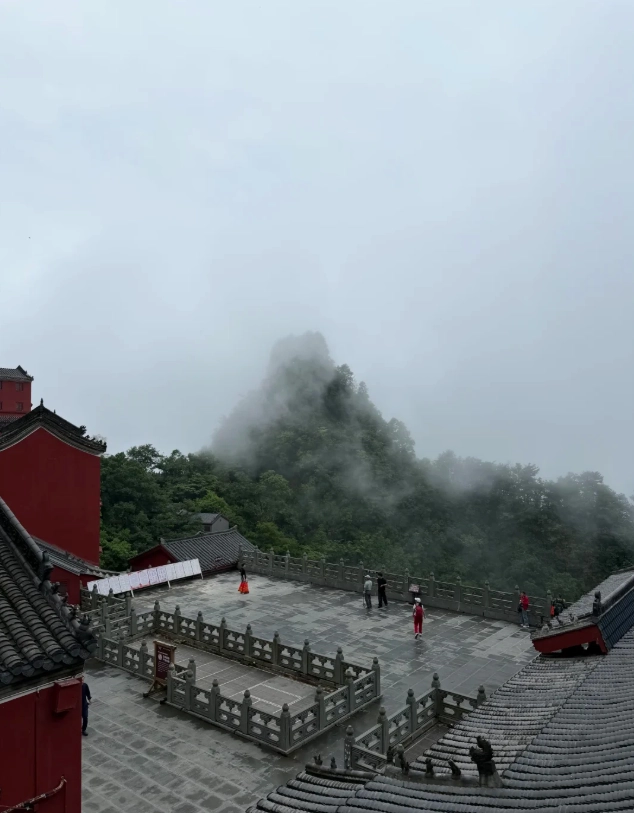
Booking Your Wudang Tickets and Passes
You must pre-book your Wudang Mountain tickets. The official entrance fee is around 130 RMB, and you'll also need a mandatory shuttle bus ticket (about 100 RMB) to get from the visitor center to the various trailheads. The cable car costs extra, around 80 RMB for the lower section and 90 RMB for the upper section, but prices can change.
To avoid the headache of navigating the Chinese-only WeChat mini-program, I recommend booking through Trip.com or Klook. Both have English interfaces and accept foreign credit cards. You'll need your passport details to book, so keep that handy. Some attractions also require a separate reservation on the official WeChat account, especially during holidays. If you feel overwhelmed, simply ask your hotel concierge to help — most are happy to assist.
Now, a unique piece of advice: don't buy the combination ticket that includes the Golden Summit entrance and Nanyan Palace if you're only there for a day. You won't have time to explore both fully, and it's non-refundable. I've seen too many travelers overpay out of fear of missing out.
Sample Shiyan Itinerary for the Best Time to Visit
Assuming you have two full days in the peak season, here's how I design the perfect route.
Day 1: Golden Summit & South Rock Palace
7:00 AM – Catch the first cable car to the Golden Summit. The summit temple opens at 8, and you'll have the place almost to yourself. The views of surrounding peaks are jaw-dropping. Spend about 2 hours there.
But wait, I always tell my clients: don't take the cable car down. Instead, hike down along the ancient steps to South Rock Palace. It takes about 2.5 hours, but you'll pass serene forests and ancient pavilions that most tourists miss. Keep an eye out for wild monkeys — they're cute but will snatch your snacks.
At South Rock Palace, you can refill your water bottles, then take the shuttle back to the visitor center around 2 PM. Head back to town for a well-deserved hotpot lunch. At 4 PM, visit the Wudang Museum in Shiyan city to understand the history you just climbed. It's free and open until 5 PM.
Day 2: Forbidden City & Taoist Temples
On day two, go to the Forbidden City (a miniature version of Beijing's) at the foot of the mountain. It's less crowded and offers a beautiful insight into Taoist architecture. It takes about half a day to explore the halls and gardens. Then, in the afternoon, visit the Yuxu Temple and the nearby Taoist culture street where you can try local snacks like Huoguo (hot pot) and Liangpi (cold noodles).
For a quick alternative: if you only have 24 hours, skip the Forbidden City and spend the whole day on the mountain. You can do the Golden Summit, Nanyan Palace, and the Purple Cloud Temple in one exhausting day, but you'll need to start at 6 AM.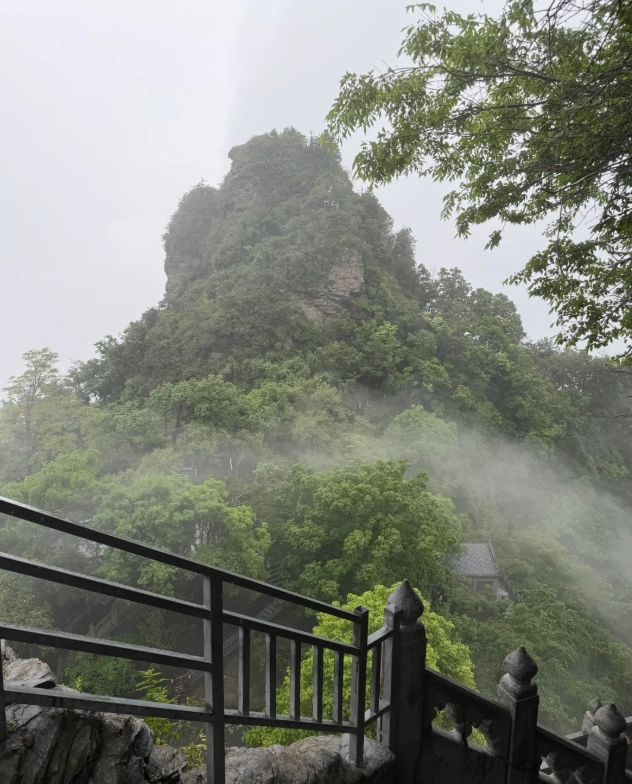
FAQs About Shiyan and the Best Time to Visit
Absolutely, but with caveats. November and February offer solitude and lower prices, but you must pack for cold weather and expect some closures. If you're a photographer seeking fog-free views, avoid March and June when rain is frequent.
The summit is about 1,612 meters above sea level. Most people don't get altitude sickness, but the stairways can leave you breathless. Take breaks often, carry energy bars, and stay hydrated. There are many rest stations with bottled water, but they cost around 5 RMB a bottle — you can save money by bringing your own.
In April and September, layering is key. Mornings can be cool, afternoons warm. A light fleece jacket is essential. In summer, use sun protection and bring a rain poncho. In winter, thermal underwear, a down jacket, and hiking boots with good grip are non-negotiable.
If you have a China SIM card or a roaming plan, yes. But without a VPN, many Western apps are blocked. If you're not tech-savvy, buy a local SIM card at the airport or use a portable Wi-Fi device. I always recommend downloading offline maps on AMap before you venture out.
The shuttle bus and cable car fees are not included in the entrance ticket. Keep this in mind. Also, many temples have additional donation boxes. There's no pressure, but a few yuan in cash is appreciated. And if you want a professional guide to explain the Taoist symbolism, expect to pay around 300 RMB for a half-day tour.
Fact-Check and Final Thoughts
This content has been fact-checked to ensure informational precision. Weather data is based on historical averages collected by the China Meteorological Administration. Ticket prices are indicative and may have changed; always confirm on official platforms. Navigating Shiyan's digital ecosystems requires preparation, but the reward is unforgettable.
I hope this guide helps you find your perfect window. If you ask me, the best time to visit Shiyan is whenever you can — but if you can choose, make it late September or some quiet week in November. You'll have the mountains almost to yourself.






No comments yet.