 Bo Wu
Bo Wu
What You'll Find Here
I remember my first time leading a group through a Beijing night market. One guy grabbed a skewer of mystery meat from a stall that looked... well, sketchy. Two hours later, he was hugging a toilet at the hotel. That's when I realized: food safety in China tips aren't just nice-to-know—they're the difference between a dream trip and a nightmare.
Here's the truth: China's food scene is incredible, but your stomach isn't used to the local bacteria. Getting sick isn't about dirty food—it's about unfamiliar bugs. I've eaten from thousands of stalls and never got sick, because I follow a few non-negotiable rules.
Bottom line: You can eat almost anything if you know where and when. This guide gives you the exact strategies I've used for years.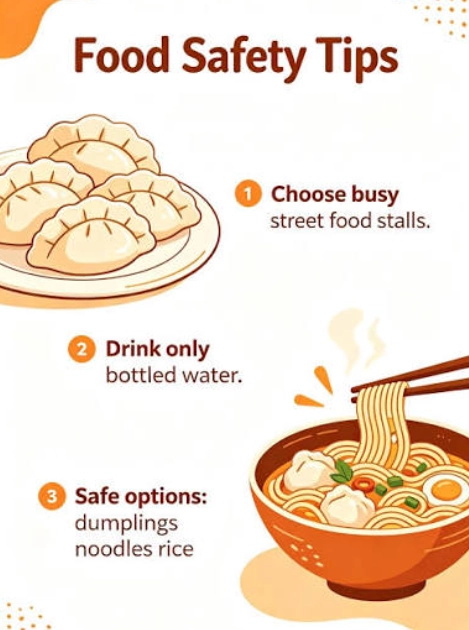
Why Food Safety Matters in China (and Why You Shouldn't Panic)
First, let's get real. Every year, millions of tourists eat their way through China with zero issues. The problem is information asymmetry. You see a crowded street and worry about hygiene, but locals see a queue and think "fresh." Your gut flora is different—that's the main culprit.
Most food poisoning cases come from two things: improperly washed raw produce and tap water/ice. Cooked food served hot is almost always safe. So don't avoid street food—just choose wisely.
Street Food: How to Eat Without Getting Sick
Street food is where the magic happens. Jianbing, chuan'r, baozi—you gotta try them. But here's my rule book.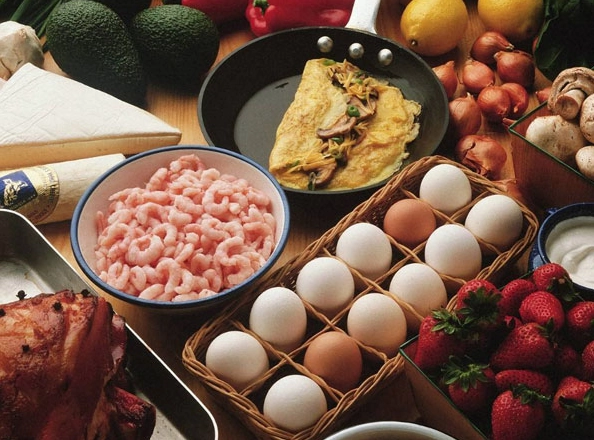
Pick Busy Stalls with High Turnover
If a stall has a line of locals, join it. High turnover means the food isn't sitting out. I look for stalls where the cook is constantly making fresh batches. Avoid anything pre-cooked and sitting under a heat lamp for hours.
Go for Cooked-on-the-Spot Food
Anything that's fried, grilled, or boiled right in front of you is safe. The heat kills bacteria. My favorites: yangrou chuan'r (lamb skewers) from a charcoal grill, and xiaolongbao (soup dumplings) straight from the steamer.
Avoid Raw or Cold Items from Street Vendors
Stay away from uncooked vegetables, cold salads, or cut fruit sold on the street. These are washed in tap water. If you want fruit, buy whole ones with peels (like bananas or oranges) and peel them yourself. I once saw a tourist eating watermelon slices from a cart—three days of misery later, he regretted it.
Drinking Water and Ice: The Real Risk
Tap water in China is NOT drinkable. Period. Many hotels provide bottled water for free. For refills, buy large jugs from convenience stores (like C-Store or FamilyMart) for about 2 RMB. Always check the seal is intact.
Ice in Drinks? Trust No One Except Big Chains
Ice can be made from tap water. At street stalls and small restaurants, I always ask for drinks without ice. At KFC, McDonald's, or Starbucks, the ice is filtered and safe. For bubble tea, avoid ice unless it's a reputable chain like Heytea or Nayuki.
One more thing: Don't brush your teeth with tap water. I know it sounds paranoid, but I've had clients get sick from that. Use bottled water for brushing too.
Restaurant Dining: What to Look For
Going to a sit-down restaurant? Here's a quick checklist I use to gauge hygiene.
| Green Flags (Safe to Eat) | Red Flags (Walk Out) |
|---|---|
| Clean, dry floor and tables | Sticky floor or dirty tablecloths |
| Restaurant busy with locals | Empty at peak meal times |
| Staff wearing gloves or using tongs | Staff handling cash and food without washing |
| Open kitchen where you can see the cooking | Kitchen hidden or smells bad |
| Chopsticks individually wrapped | Reusable chopsticks in a communal bucket |
For an extra layer of safety, look up the restaurant on Dianping (大众点评) app—it's like Yelp. Even if you can't read Chinese, the ratings (out of 5) are universal. I aim for 4.0 and above.
Paying with card? Most small restaurants only take Alipay/WeChat Pay or cash. International credit cards are rarely accepted. Always carry enough cash or have your payment apps set up.
Food Allergies and Special Diets in China
This is a tough one. Allergy awareness is low. Many chefs don't understand cross-contamination. I always advise clients to carry a translation card in Chinese that lists your allergies and severity. For example: "I am allergic to peanuts. Even a small amount can kill me. Please do not use peanut oil or any peanut products." Get this printed on a card (laminated is best) and show it to the server and the chef.
For dairy allergies: Be aware that cheese and milk are rare in Chinese cooking, but hidden milk powder can be in pastries. For gluten (celiac): Soy sauce contains wheat. Ask for tamari or gluten-free soy sauce, but don't count on availability. Stick to rice-based dishes.
Vegetarians beware: Many vegetable dishes are cooked with lard (pork fat) or oyster sauce. Look for restaurants that specifically label themselves as "vegetarian" (素食). The chain Gong De Lin is a reliable vegan option in major cities.
What to Do If You Get Food Poisoning
Even with all precautions, it can happen. Here's my action plan if you start feeling unwell.
- Hydrate with bottled water and electrolytes. Buy oral rehydration salts from a pharmacy (药店) or mix a solution: 1 liter bottled water + 6 teaspoons sugar + 1/2 teaspoon salt.
- Rest. Don't eat solid food for 12 hours. Let your gut settle. After that, try plain white rice or congee (粥) from a reliable restaurant.
- Over-the-counter meds: Loperamide (Imodium) for diarrhea, but only if you absolutely need it. Better to let your body flush it out. Activated charcoal can help absorb toxins.
- Know when to see a doctor. If you have a fever over 38.5°C (101°F), blood in stool, or cannot keep water down, head to a hospital. International hospitals in major cities are expensive but speak English. For example, Beijing United Family Hospital or Shanghai ParkwayHealth.
Still Got Questions?
Verified and fact-checked by the editorial team. This content has been fact-checked to ensure informational precision.








No comments yet.