 Ting Chen
Ever tried paying for a bowl of noodles with a shiny Visa card in Lijiang? I've seen that look of panic too many times. This is not your average travel guide. I've been leading trips across Yunnan for over a decade, and this Shangri-La and Lijiang itinerary is built on everything I've learned the hard way — so you don't have to.
Planning a Shangri-La and Lijiang itinerary is exciting, but the online advice is often outdated or, worse, it leaves out the biggest obstacles: altitude, digital ticket booking, and the fact that Google Maps won't guide you anywhere. Let me fix that.
Here's the short version: you need at least 6 full days to do this route comfortably. The best way is to start in Lijiang, then travel overland to Shangri-La, which helps your body adjust to the altitude. And you must book your tickets for Jade Dragon Snow Mountain at least 3 days in advance via Trip.com or the official WeChat account — walk-up tickets rarely exist.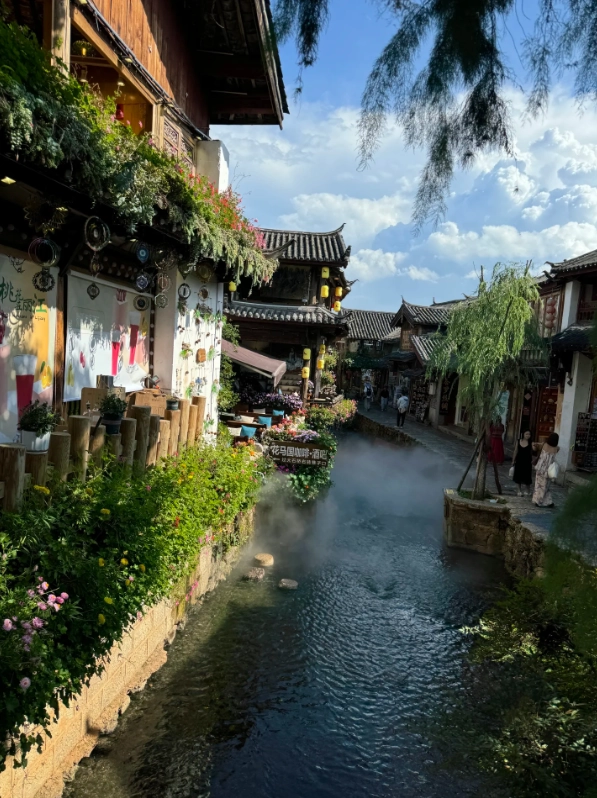
What Must You Know Before Planning a Shangri-La and Lijiang Itinerary?
Before you even think about packing, there are four things that will make or break your trip. Ignore these and you'll be the tourist stuck at the ticket gate with no entry.
Altitude Sickness: The #1 Risk
Altitude sickness is real and hits harder in Shangri-La than most people expect. Lijiang sits at 2,400 meters (7,874 ft), while Shangri-La is nearly 3,300 meters (10,827 ft). If you fly directly into Shangri-La, you're asking for a headache, nausea, and a ruined first two days. That's why this itinerary starts in Lijiang. Take it slow, avoid alcohol for the first 48 hours, and drink plenty of warm water. I always tell my clients to have a light dinner on day one — your body needs time to adjust. If you feel dizzy, get to a pharmacy for a small oxygen canister. They're sold everywhere in both towns for about 20-30 yuan.
Digital Payments and Apps: The Real Visa Problem
Your Visa or Mastercard is nearly useless in Yunnan's smaller shops and ticket counters. Contactless payment via Alipay or WeChat Pay is the norm. Before you arrive, set up Alipay and bind your international card — it takes 10 minutes and works seamlessly. You'll also need a VPN for Google, WhatsApp, and most social media. Without it, your phone becomes a brick. Download Apple Translate or Baidu Translate for menu and sign translation. For navigation, forget Google Maps — it's inaccurate here. Use Apple Maps (which surprisingly works) or the English version of AMap (called AMap Global). Always ask for the Chinese address of your hotel and show it to taxi drivers.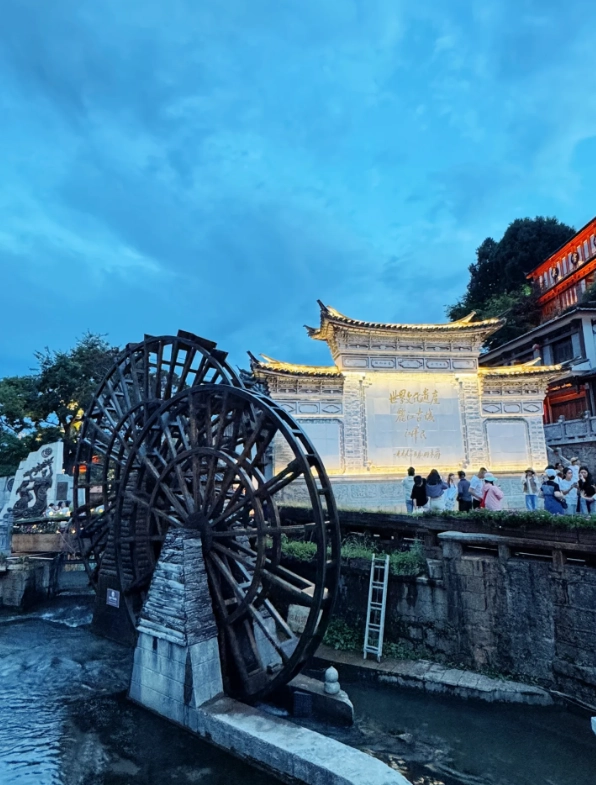
Booking Tickets: The WeChat Mini-Program Headache
Most big attractions like Jade Dragon Snow Mountain and Pudacuo National Park require real-name booking with your passport. The official WeChat mini-programs are in Chinese only, and even I find them confusing. Don't panic — use Trip.com or Klook to book in English, but do it at least a few days ahead. Walk-up tickets are extremely rare and usually sold out by 8 AM. For smaller sites like Songzanlin Monastery, you can often buy at the gate, but it's still smart to book via an English app to skip the line.
Real Travel Times: The Map Lies
The distance from Lijiang to Shangri-La looks short on paper but covers 4 hours of winding mountain roads. Bus tickets are around 60 yuan and leave frequently, but a shared van or private car is worth the extra cost (300-500 yuan) for the flexibility to stop at Tiger Leaping Gorge. The road is smooth but steep, and if you get carsick, take motion sickness pills in advance.
How Do You Structure a Shangri-La and Lijiang Itinerary?
This 7-day plan is the sweet spot between seeing everything and not dying of exhaustion. You can compress it into 5 days, but you'll be running. Don't. Your body needs time to acclimatize.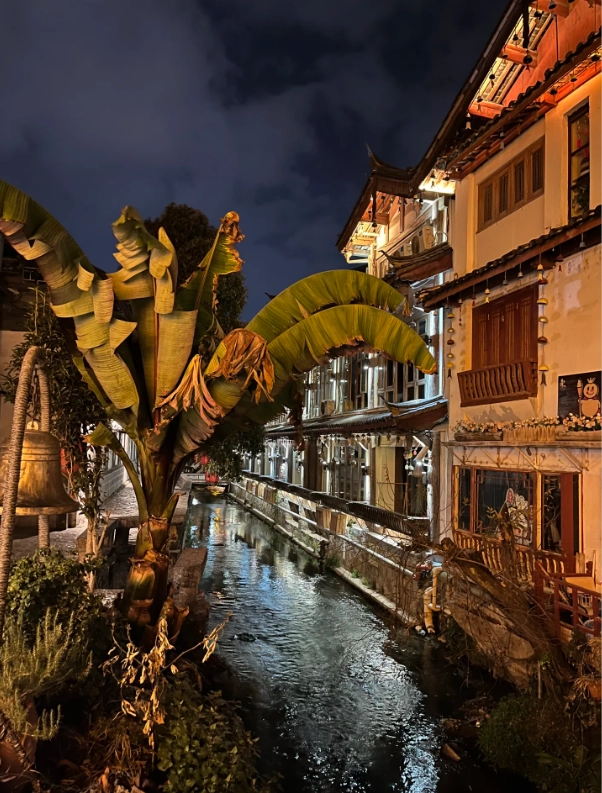
Day 1-2: Acclimatize in Lijiang Old Town
Arrive in Lijiang, drop your bags, and just walk the old town at your own pace. The ancient town is a UNESCO World Heritage Site, but it's also a maze. I recommend staying inside the old town if you want atmosphere, or just outside the south gate for cheaper, quieter rooms and better taxi access. On your first evening, stroll to Sifang Street and follow the sound of drums. For breakfast on day two, try the local rice noodles at a stall that has a picture menu — they're everywhere. Don't miss the Black Dragon Pool Park, about 20 minutes on foot from the north gate. Entrance is free, and the view of Jade Dragon Snow Mountain on a clear morning is worth the early wake-up.
Day 3: Jade Dragon Snow Mountain and Blue Moon Valley
This is the day you wake up early — no, earlier than that. Your booking includes a time slot for the cable car, so don't miss it. The taxi from old town to the visitor center takes about an hour and costs 80-100 yuan. The cable car goes to Spruce Meadow at 3,200 m — you don't need the more expensive Glacier Park cable car unless you want high-altitude views. After the mountain, take the free shuttle to Blue Moon Valley, a series of turquoise lakes that look fake. It's gorgeous but packed by 11 AM. Bring a packed lunch; the restaurants at the base are average and overpriced.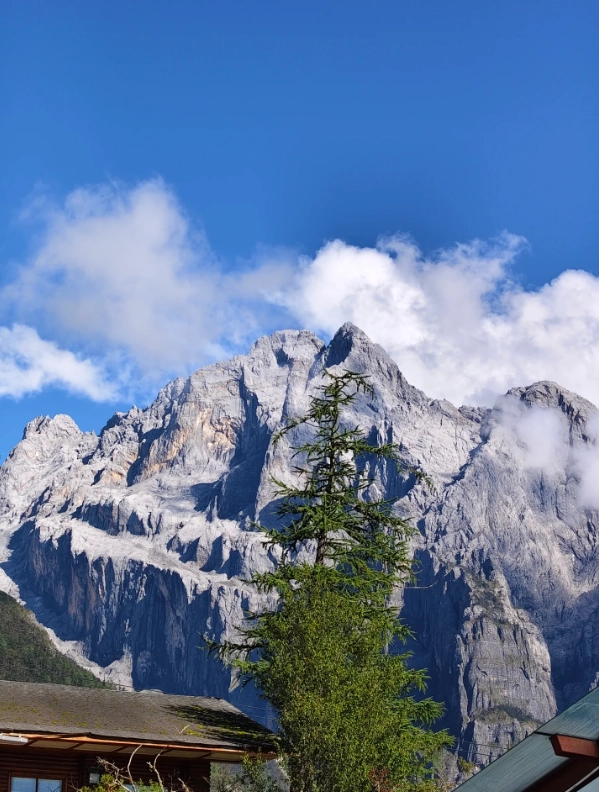
Day 4: Drive from Lijiang to Shangri-La
Today you leave Lijiang, but the road itself is a highlight. Try to leave by 8 AM to beat the tourist buses. Your driver or public bus can stop at Tiger Leaping Gorge, a dramatic river canyon that takes about 2 hours to hike a small section. The gorge is split into upper and middle trails — the upper section is easier and gives you the iconic views. From there, it's another 2.5 hours to Shangri-La. When you arrive, rest. Do not plan any sightseeing for the rest of the day. Your body will thank you.
Day 5-6: Shangri-La Highlights
Use these two days to explore the high-altitude city at a gentle pace. Start with the old town of Dukezong, which is smaller and far less commercial than Lijiang's. Yes, it's still being rebuilt after the 2014 fire, but the Tibetan charm is intact. The next morning, head to Songzanlin Monastery, often called Little Potala Palace. It's about 15 minutes from the center by taxi. The entrance is around 90 yuan and includes a mediocre guided tour. To be honest, the view from the gates is better than the inside. Then, spend your second full day at Pudacuo National Park — the real star. The park requires an eco-bus inside; the shuttle stops at Shudu Lake and Bita Lake. You can walk around Bita Lake on a wooden walkway. It's a 3-4 hour easy hike. Bring warm layers; even in summer, it can be cold at 3,500 m.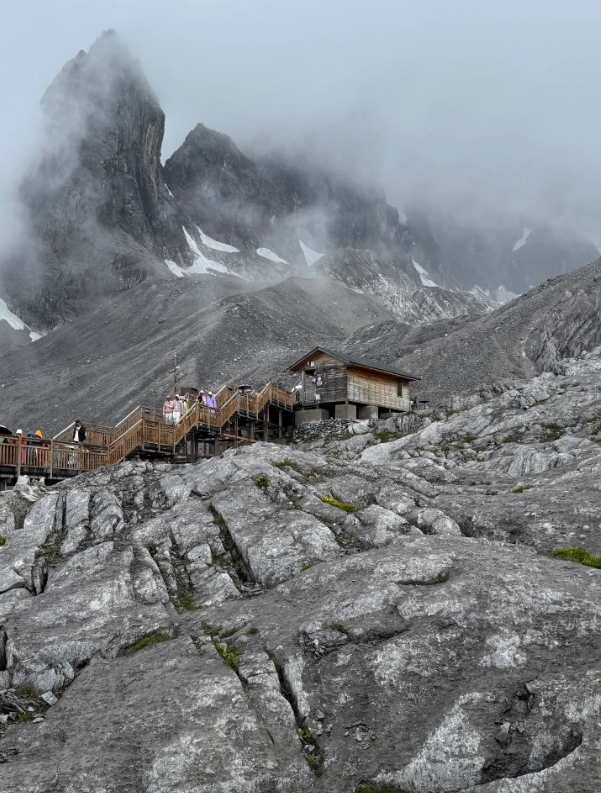
Day 7: Departure or Optional Extension
If you fly out from Shangri-La Airport, it's a 20-minute drive from town. The airport is tiny, but don't expect lounges. If you're flexible, consider heading to Meili Snow Mountain or up to Tibet border regions, but that's for another trip. For most, this itinerary wraps up with a final yak butter tea and a promise to return.
When Is the Best Time for the Shangri-La and Lijiang Route?
Seasonality matters more than you think. The shoulder months of April, May, September, and October offer the clearest skies and the most comfortable temperatures. July and August are the rainy season, and you'll hear about it. Trails get slippery and the clouds obscure the mountains. But the grasslands in Shangri-La are lush and green. Winter (December to February) has crisp blue days but freezing nights — I've seen temperatures drop to -15°C in Shangri-La. If you come during Chinese holidays, expect crowds like nothing you've seen. Avoid Golden Week (October 1-7) and the Lunar New Year at all costs.
How Do You Book Tickets Without a Chinese Phone Number?
Here's the system I use with every traveler. It takes 15 minutes and avoids all the Chinese-language headaches. First, download Trip.com and search for the attraction. For Jade Dragon Snow Mountain, you'll see options for tickets, cable car, and packages. Buy the one that includes the eco-bus and the Spruce Meadow cable car. For Pudacuo, book the park entrance plus eco-bus combo. For Songzanlin, buy at the gate or on Trip.com — there's usually availability. Always bring your passport — you'll need the passport number during booking, and they'll check it at the entrance. If you run into trouble, ask your hotel to call the ticket office — they know the workarounds.
Where Should You Stay in Lijiang and Shangri-La?
Both towns have accommodation for every budget, but the vibe is different. In Lijiang, I recommend staying just inside the south gate of the old town. You get the charm without dragging luggage over cobblestones — yes, that's a real problem. In Shangri-La, stay in Dukezong Old Town or near the Sun and Moon Square. The old town is quieter, but the streets are all steps — a pain with suitcases. My go-to advice: book a hotel with an elevator, because walking up to your room at 3,300 m feels like a marathon. Most local guesthouses don't have central heating; check if they provide an electric blanket.
| Option | Location | Est. Price | Best For |
|---|---|---|---|
| Guesthouse in Lijiang old town | Near Sifang Street | 300-500 CNY | Atmosphere seekers |
| Hotel outside Lijiang's south gate | South Gate area | 400-700 CNY | Comfort & taxi access |
| Guesthouse in Dukezong | Shangri-La old town | 200-400 CNY | Budget travelers |
| Hotel with elevator | Near Sun-Moon Square | 400-800 CNY | Altitude-sensitive travelers |
What Should You Eat Along the Way?
Yunnan food is a whole universe. In Lijiang, order Naxi hotpot — a bubbling pot of local mushrooms and pork that warms you up. It's available on most menus, but the classic is found in local courtyard restaurants that fill up with residents by 7 PM. In Shangri-La, you can't leave without trying yak butter tea — it's salty, not sweet, and my clients usually hate the first sip but crave it by day three. For a full Tibetan meal, try tsampa (roasted barley flour) and shun ba (a type of cheese). Eat where the locals eat — follow the lunch crowd, not TripAdvisor.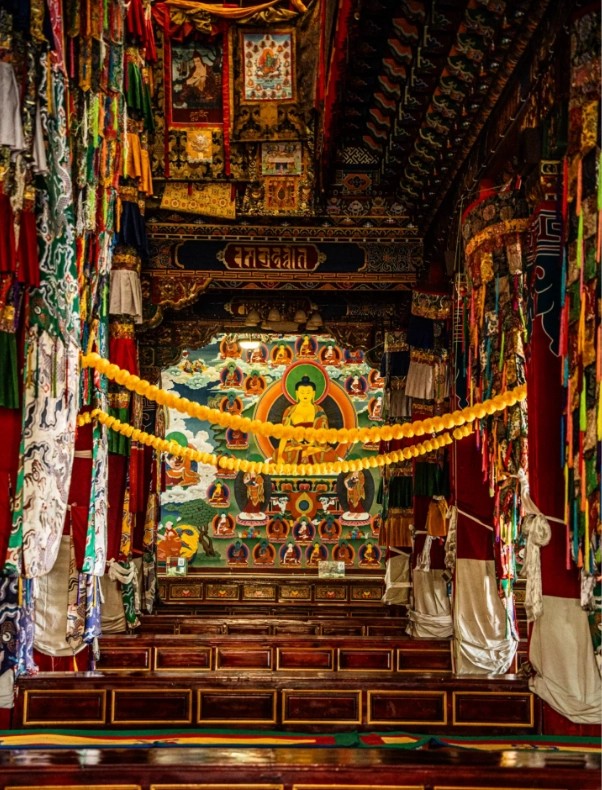
Frequently Asked Questions
This content has been fact-checked to ensure informational precision. Prices and schedules may change — always confirm on official websites or via your hotel before departure.






No comments yet.