 Hui Lin
Quick Guide: What's Inside
Lost in translation? Not quite. I've seen countless travelers freeze at a ticket counter because they couldn't read '排队' (line up). Here's the truth: traveling China without Chinese is easier than you think—if you know the right tricks. Let's cut the fluff.
I've guided hundreds of non-Chinese speakers across Beijing, Shanghai, Xi'an, and beyond. Every single one arrived worried about the language barrier. Every single one left amazed at how smooth things went when they followed a few simple steps. Here's what worked for them—and will work for you.
Essential Apps Before You Arrive
Install these before your flight. The Chinese app store ecosystem is different, and you can't download them easily once you're inside the Great Firewall. Use the official app stores (iOS App Store or Google Play) while still abroad.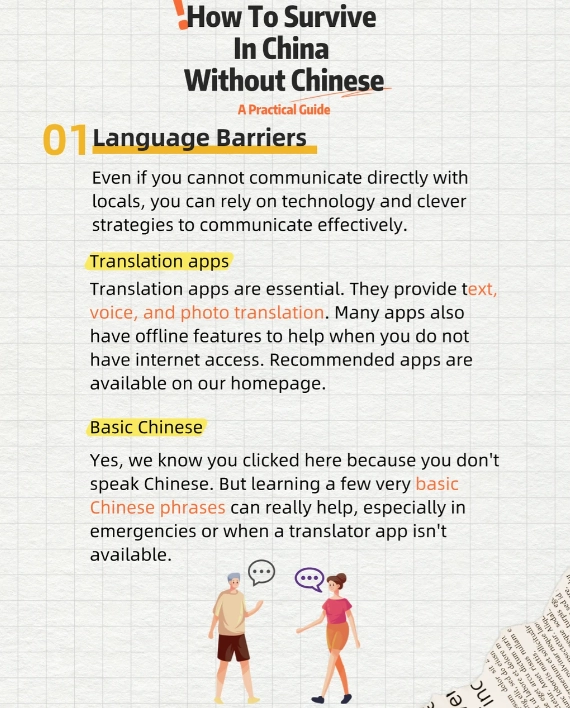
| App | Purpose | Must-Do Before China |
|---|---|---|
| Alipay | Payments, mini-programs for bookings | Link international credit card, verify passport |
| Messaging, payments, mini-programs | Link card, add WeChat Pay wallet | |
| DiDi | Ride-hailing (like Uber) | Set up account, add payment method |
| Apple Maps | Navigation (works offline with cached maps) | Download offline maps for cities |
| Translate (Apple) / Baidu Translate | Text & voice translation | Download English-Chinese offline pack |
| Trip.com | Train & attraction booking in English | Create account, add passport info |
| VPN | Access Google, WhatsApp, Instagram | Subscribe and install before departure |
Payment Hacks: Cash Isn't King
Most foreigners assume they can use cash or credit cards everywhere. Wrong. In 2026, China is almost cashless. Street vendors, metro ticket machines, and even some restaurants only accept mobile payments. I once had a client try to pay with a $100 bill at a noodle stall—the vendor just laughed and pointed at a QR code.
Here's the fix: Alipay and WeChat Pay accept international Visa/Mastercard now. Link your card in the app (it's a bit fiddly—follow the passport verification steps carefully). Once set, you scan the seller's QR code or show your own code. That's it.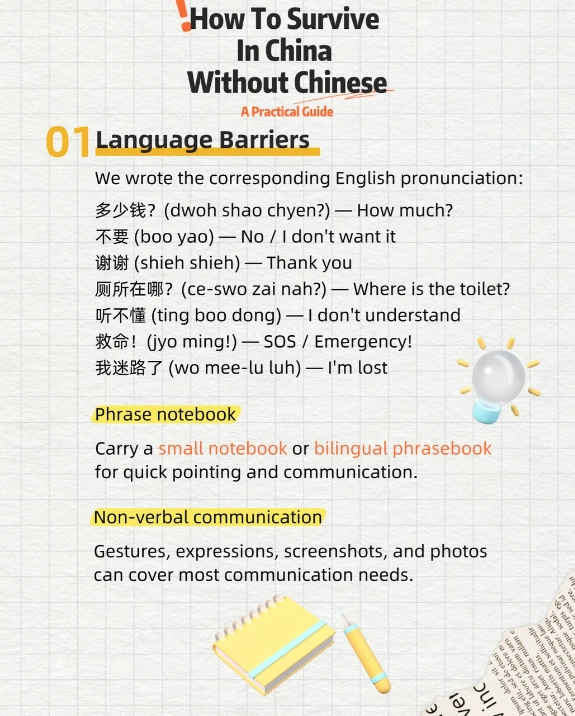
What if Alipay fails?
Keep a backup: bring 100-200 RMB in small bills (10s and 20s) for emergencies. Some taxi drivers and small stalls still take cash, but they may not have change. Always ask 'You change?' before handing a bill. Also, some high-end hotels and international restaurants accept credit cards, but don't count on it.
Navigation Tricks: Ditch Google Maps
I can't stress this enough: Google Maps is useless inside China. It's blocked, and even with a VPN, its navigation data is outdated. Use Apple Maps instead—it's powered by local providers and gives accurate walking, driving, and transit directions. Download offline maps for Beijing, Shanghai, Xi'an, etc., before you land.
For ride-hailing, DiDi is the only game in town. It has an English interface. When you request a ride, the driver sees the pickup location automatically. But if you need to call the driver, here's the trick: use the in-app 'Translate' button or send a pre-set message in Chinese (the app offers phrases like 'I'm at the east gate'). DiDi shows the license plate and driver's face—verify before getting in.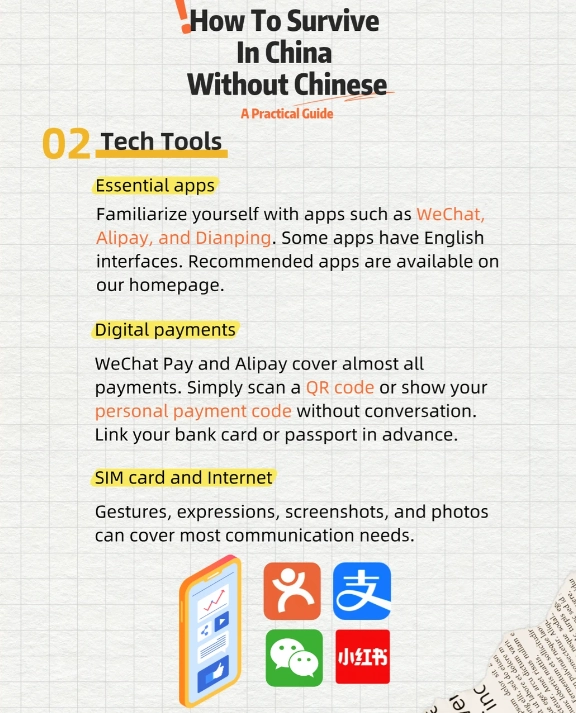
Booking Attractions with Passport
Nearly all major Chinese attractions (Forbidden City, Great Wall, Terracotta Warriors) require advance booking with your passport number. Walk-up tickets are rare or limited. The official booking systems are in Chinese-only WeChat mini-programs—a huge pain for non-Chinese speakers.
Solution: Use Trip.com (formerly Ctrip International). It's fully in English, accepts international credit cards, and books tickets for most major sights. The ticket is usually a QR code sent to your email—show it at the entrance along with your passport. I've booked over 50 attractions via Trip.com for my clients without a single issue.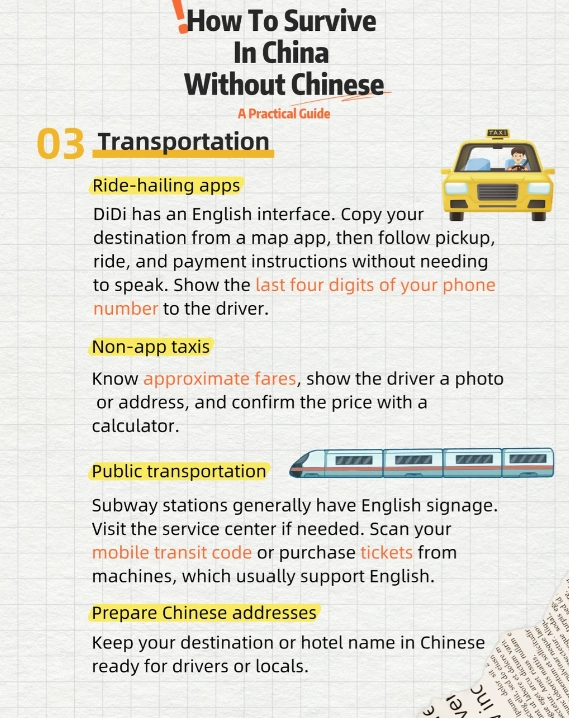
| Attraction | Best Booking Platform | Passport Needed? | Tip |
|---|---|---|---|
| Forbidden City | Trip.com | Yes | Book at least 7 days ahead; no same-day tickets |
| Great Wall (Mutianyu) | Trip.com or official site | Yes | Go to Mutianyu (less crowded), arrive by 8am |
| Terracotta Warriors | Trip.com | Yes | Book morning slot to avoid crowds |
| Li River Cruise (Guilin) | Trip.com | Yes | Avoid Chinese holidays |
Language Tools That Actually Work
You don't need to learn Mandarin. But three tools will bridge the gap:
- Apple Translate (iOS) — Works offline. Supports camera translation (point at a menu), voice conversation mode (speak and it translates aloud). I've used it to negotiate taxi fares and order food.
- Baidu Translate — The Chinese Google Translate. Slightly better for Chinese-specific phrases, but requires internet. Its camera mode handles tricky signs.
- Google Translate — Only if you have a VPN running. Not reliable without one.
When you need to ask something, just open the translate app and show the Chinese text. Most Chinese people are surprisingly patient. A few useful phrases to memorize: Xièxiè (thank you), Duōshǎo qián? (how much?), Zhè ge (this one).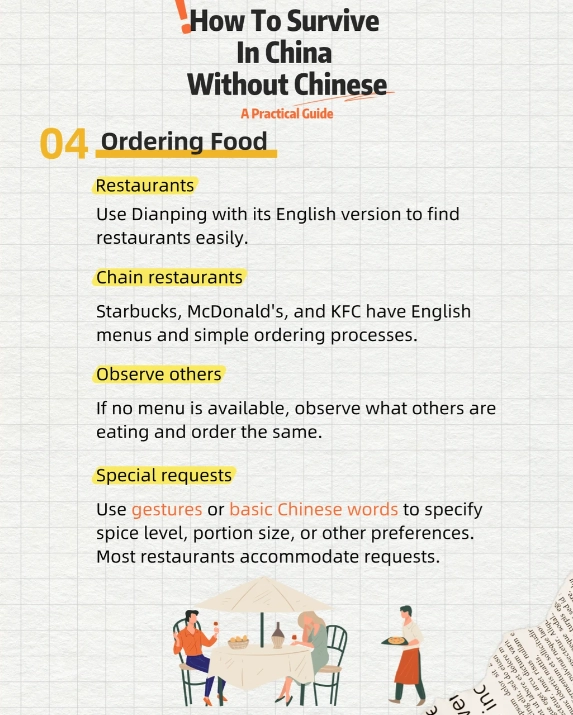
Restaurant Survival
Menus are often only in Chinese. Here's my go-to method: use the camera translate function on a dish you like. Alternatively, walk into the kitchen and point at raw ingredients (I do this all the time—cooks love it). For dietary restrictions (e.g., no MSG, not spicy), have your hotel write a card in Chinese: '我不吃辣 不含味精' (I don't eat spicy, no MSG).
Common Mistakes & How to Avoid Them
Mistake #2: Trying to access Google/Instagram without a VPN. The moment you land, your phone will be cut off. Get a VPN installed before departure.
Mistake #3: Not downloading offline maps. Data can be spotty in tunnels or rural areas. Apple Maps offline saved me twice.
Mistake #4: Expecting everyone to speak English. In major cities, younger people may have basic English, but in smaller cities or older populations, they won't. Translation app is a must.
Mistake #5: Forgetting to enter a departure/registration form at hotels. Foreign nationals must register at police stations if staying in certain areas—hotels usually do it for you, but always ask.
I once spent 30 minutes helping a couple from the UK who couldn't activate their China Unicom SIM because the salesperson spoke no English. They'd bought it at the airport without checking. Pro tip: buy a SIM from the official China Mobile/Unicom counter at the airport—they have English instructions. Or get an eSIM (like from Holafly) before arriving.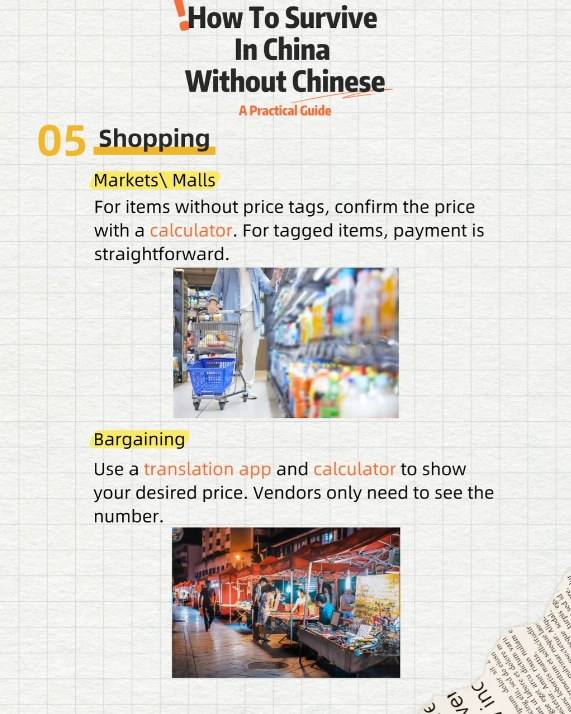
FAQ: Travel China Without Chinese
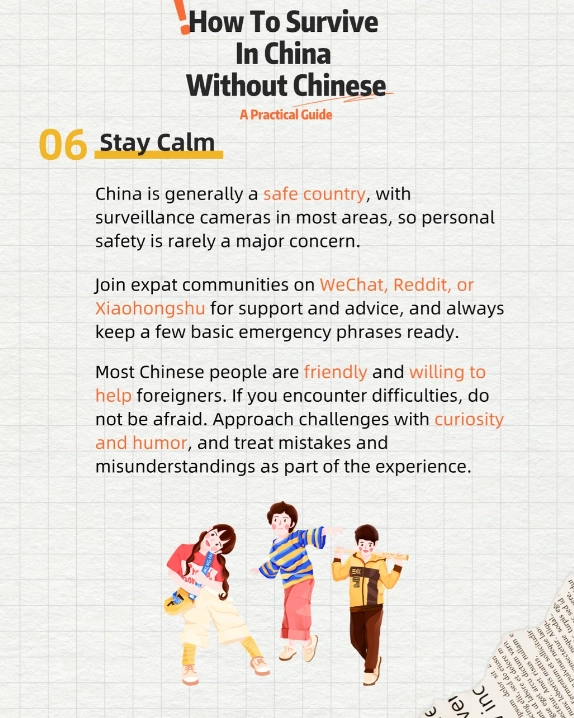 Is it safe to travel alone without language skills?
Verified and fact-checked by the editorial team.








No comments yet.