 Gang Zheng
Quick Guide — What's Inside
Let me guess — you’re here because you’ve seen those epic photos of Harbin’s Ice and Snow World, right? But Heilongjiang, China’s northernmost province, is far more than one frozen theme park. After leading dozens of tours across this region, I’ve watched too many travelers spend all their time in Harbin and completely miss the volcanic lakes, the crane sanctuaries, and the ski slopes that locals love. So here’s the straight answer: the best places to visit in Heilongjiang aren’t just in the capital — they’re scattered across this vast province. And the secret to enjoying them? Plan for winter if you want the ice festival, but come in summer if you want to see Jingpo Lake without crowds — and either way, book your train tickets on 12306.cn before you arrive, because same-day tickets rarely exist.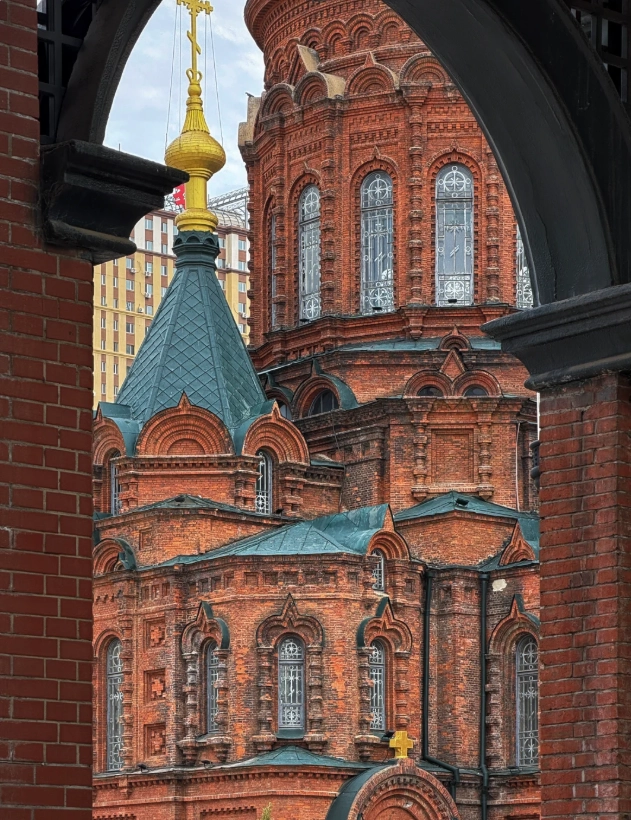
Harbin Ice and Snow World — The Crown Jewel
If you visit only one attraction in Heilongjiang, make it this. The park is rebuilt every year with massive ice castles, slides, and illuminated sculptures. It’s open from late December to late February (check the exact dates — they shift). Expect to spend at least 3 hours wandering, and budget about 300 RMB for entrance. Pro Tip: Go after 3 PM to catch the sunset transition—the colored lights are magical, but the crowds peak around 7 PM. Avoid weekends if possible.
Getting there: Take subway Line 2 to Sun Island Station, then walk 10 minutes. Or grab a taxi from downtown; it’s around 30 RMB. You’ll need your passport to buy the ticket at the window, but if you book on Trip.com, just show the QR code. Dress like an onion — thermal base, fleece, and a windproof jacket. Most foreign travelers underestimate the cold; I’ve seen too many shivering tourists leave after 30 minutes.
Saint Sophia Cathedral — A Russian Legacy
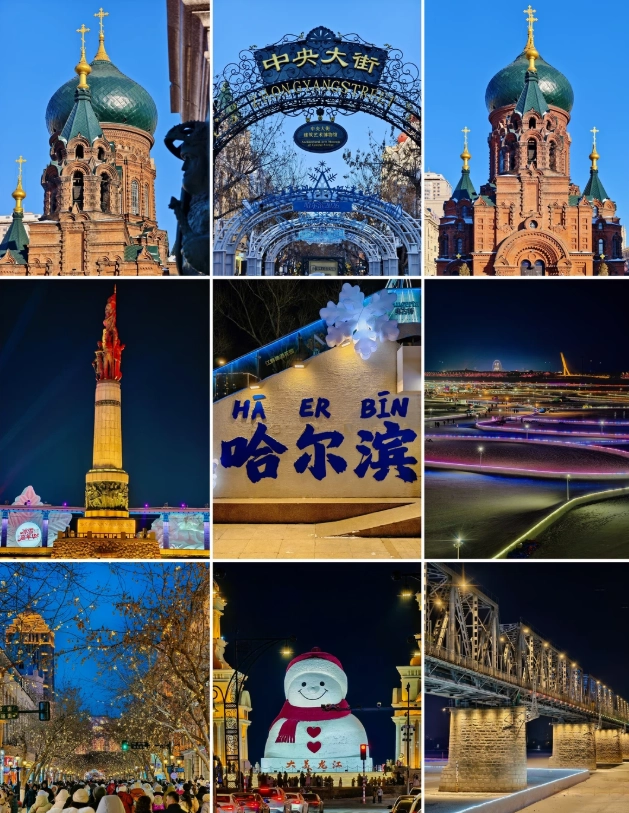
This photogenic red-and-green Byzantine cathedral sits in the heart of Harbin and is a constant reminder of the city’s railway history. It’s now a museum, and the interior is less impressive than the exterior, but it’s worth 30 minutes. Entry costs about 20 RMB, and you can’t miss it — it’s surrounded by a square with pigeons. Take the subway to Central Street Station, which is a 5-minute walk away.
Here’s the honest truth: the best photo spot is from the nearby footbridge, not right in front. Go in the morning when the light hits the bricks warmly. Also, beware of people offering to “guide” you to a nearby art gallery — it’s a timeshare pitch. Just say no politely and walk into the cathedral.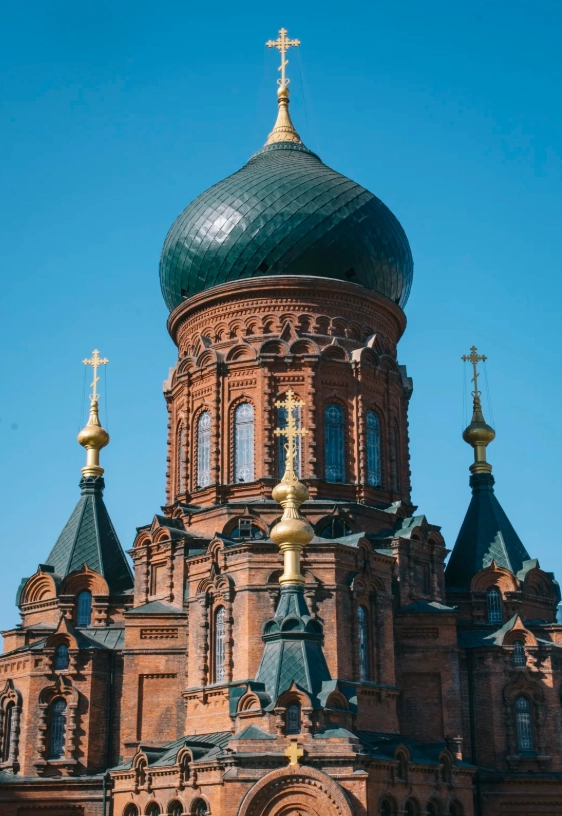
Sun Island — Where Harbin Breathes
Located across the Songhua River, Sun Island is a huge park that shines in summer with flowers and in winter with enormous snow sculptures. The entrance fee is about 30 RMB in summer and 100 RMB during the winter Snow Sculpture Expo. Rent a bike or take the electric shuttle to cover the grounds — it’s bigger than it looks. From downtown, take the cableway over the river (50 RMB one-way) for a sweet aerial view, or use the subway Line 2 to Sun Island Station.
If you’re here in winter, skip the crowded snow sculpture competition if you’re short on time — but the Russian-themed village inside is oddly fascinating. For a local snack, try the grilled cold noodles at the food court; don’t bother with the overpriced “Russian bread” carts near the entrance.
Jingpo Lake — China’s Volcanic Mirror
A boat ride on this crescent-shaped lake surrounded by volcanic cliffs is the single most serene experience in the province. Located near Mudanjiang, it’s best in summer (June to August) when the air is fresh and the water reflects the green hills. The entrance includes the famous Diaoshuilou Waterfall, which freezes in winter into a massive ice wall — both seasons are spectacular. Entry is about 100 RMB, plus 40 RMB for the optional boat trip. Take a high-speed train from Harbin to Mudanjiang (1.5 hours, 100 RMB), then a 1-hour bus to the scenic area.
I always tell my clients to stay overnight at one of the lakeside family inns — sunset from the dock is worth the extra day. Avoid the overpriced “lunch buffet” at the main gate; pick up some dried fish and fruit instead.
Wudalianchi — Lava Fields and Five Pools
This UNESCO Global Geopark is a volcanic wonderland with five interconnected lakes, crater cones, and lava caves. It feels like another planet. Most visitors spend 4 hours hiking between the lakes; the landscapes are barren but mesmerizing. The entrance fee is about 120 RMB, and the best time is summer to avoid the bitter cold. Take a train from Harbin to Wudalianchi City (4 hours), then a 20-minute taxi to the park. UNESCO recognizes the area’s geological significance, but don’t expect English signs — download an offline translation app.
Pro Tip: The mineral springs at the park entrance are a local tradition — bring a bottle to fill (it’s slightly carbonated, and locals swear by it). But don’t drink too much; it’s a laxative. Yes, you heard that right.
Yabuli Ski Resort — Powder for All Levels
If you came for skiing, Yabuli is the best place to visit in Heilongjiang for international-grade slopes. It hosted the 1996 Asian Winter Games and has since become a hotspot for Chinese and foreign skiers. The resort is 80 km from Harbin; take a direct train from Harbin to Yabuli West Station (about 1 hour), then a free shuttle bus to the slopes. Lift passes range from 300 to 800 RMB depending on the season and package. Rentals are available on the spot — bring your own gloves and goggles to save money.
The most underrated thing here is the night skiing on the beginner hill. It’s quieter, and the lights make the snow sparkle. Skip the “VIP” package that adds a private coach; the group lessons are perfectly fine and way cheaper.
Zhalong Nature Reserve — Cranes in the Marsh
This vast wetland sanctuary is home to the endangered red-crowned crane, and you can see them fly at daily release shows. It’s near Qiqihar, a 4-hour train ride from Harbin. The reserve entrance is about 80 RMB, and the best time is early morning or late afternoon when the cranes are most active. Take a mini bus from Qiqihar Station (1 hour) or join a local tour if you don’t want to deal with transfers.
Insider Advice: The release show happens at 10 AM and 3 PM — don’t miss it, but stand at the far end to avoid being in the splash zone when the birds take off. Also, there’s zero shade on the boardwalk, so bring a hat and plenty of water if you come in July.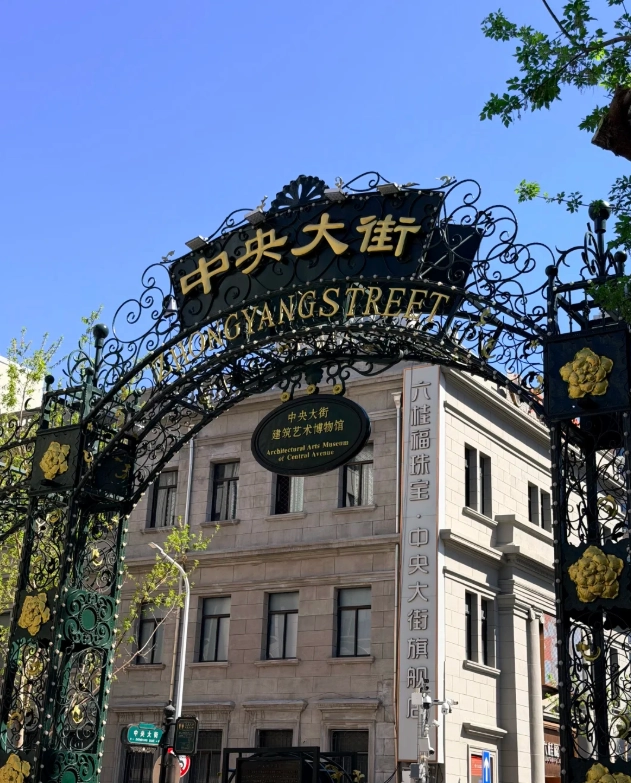
How to Get Around Heilongjiang
Your best option for long distances is the high-speed rail network. Use a VPN to access booking platforms, and book tickets on 12306.cn (you can find English instructions online). For cities within 200 km, the bus is cheaper but slower. Taxis in Harbin are metered, but in smaller towns, negotiate the fare before getting in. Never rely on Google Maps — use Apple Maps or AMap (the international version).
If you plan to visit remote areas like Wudalianchi, consider renting a car with a driver from a local travel agency — it’s surprisingly affordable (around 500 RMB/day). Just make sure to lock the price for the full day.
What’s the Best Time to Visit Heilongjiang?
Winter (December to February) is the peak season because of the Ice Festival, but summer (June to August) offers green landscapes and more comfortable temperatures. If you hate crowds, skip late December to early January when Chinese tourists flood in. Spring and autumn are short but beautiful (though some attractions close in November). Your choice depends on what you want: ice or nature.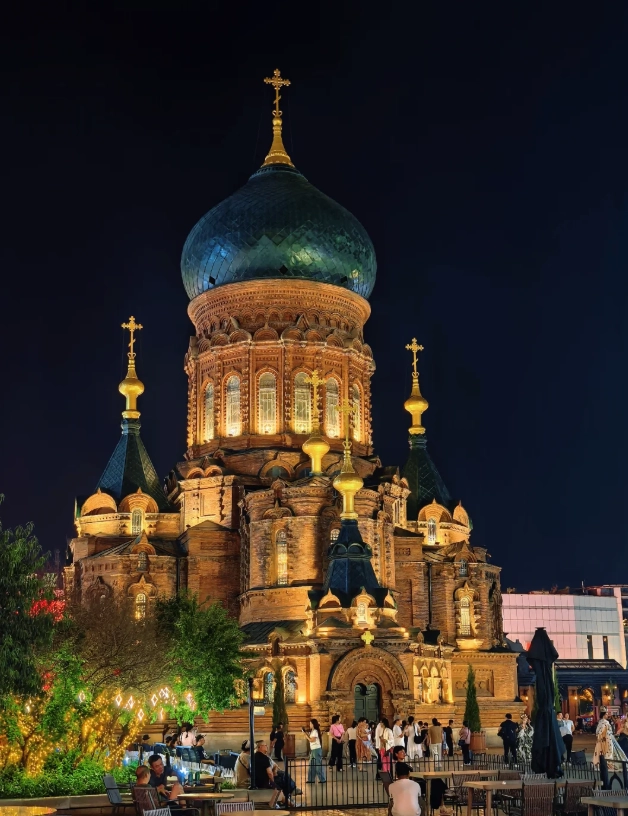
Pro Tip: If you’re coming for winter, check the festival opening dates on the official Harbin IP site—they’re usually out in advance. And always book hotels a month ahead.
FAQ About Visiting Heilongjiang
Verified and fact-checked by the editorial team to ensure informational precision. Practical details (prices, hours, transport) may change — always confirm with official channels or your hotel before heading out.





No comments yet.