 Hua Sun
Hungry? Good. Because Jilin's food scene is a delicious headache for the indecisive traveler. I've spent years answering one question more than any other: what to eat in Jilin? The internet gives you vague lists of 'northeast dishes' without telling you where to go or how to order. That's why I'm writing this — as a local guide, I want you to taste the real Jilin, not the tourist menu. Skip the fancy places near the train station. Here's the inside scoop.
Here's the bottom line upfront: the 10 dishes below are the ones I've seen tourists devour with joy and locals argue about for hours. From the crackle of Guo Bao Rou to the cold slap of Naengmyeon, these are the foods that define Jilin Province. I've tested them all multiple times — yes, all of them. Now, let's dive into the flavors that made me fall for this place.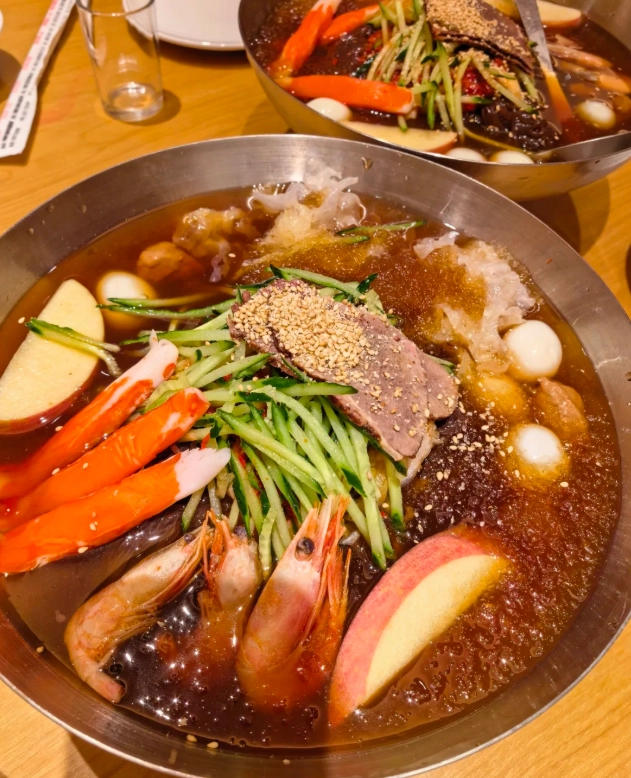
Why Jilin Food Stands Out
Jilin sits in the far northeast, bordering North Korea and Russia. That location shapes its food. You'll find heavy, hearty Chinese dishes made to survive brutal winters, mixed with Korean techniques that love fermentation and spice. Think of it as the best of both worlds.
The climate matters, too. Winters here can drop to -30°C. So locals eat hot pots, stews, and dishes packed with garlic and chili to stay warm. In summer, cold noodles become the hero. This is also a province where rice, corn and pork are staples.
But what really makes Jilin stand out is the Korean influence. The Yanbian Korean Autonomous Prefecture has a unique culture, and its food—from kimchi to bulgogi—has blended into the general Jilin diet. You'll find Korean restaurants next to Chinese dumpling houses, and both are incredible.
10 Jilin Foods You Must Try
Now, let's get to the point. These are the 10 dishes I've personally tested, argued about with taxi drivers, and brought dozens of visitors back to. Each one holds a special place in Jilin's culinary identity.
1. Guo Bao Rou (Crispy Sweet & Sour Pork)
Guo Bao Rou — crispy sweet-and-sour pork — is the dish that turns hesitant first-timers into lifelong fans. The pork is first fried until it shatters, then tossed in a tangy, starchy sauce that coats every piece. The trick is the perfect balance of sugar and vinegar: not too sweet, not too sour.
I always tell my travelers to watch the chef's sauce. A terrible guo bao rou is just fried pork with ketchup. A great one has a clear, amber glaze with a subtle sour kick that wakes up your whole mouth.
For the best version in Changchun, I point people to the Guilin Road (桂林路) food street. It's chaotic and full of stalls, but the second stall on the left after the Watsons pharmacy — I'm not joking — serves a guo bao rou that legitimately made me stop mid-bite. Prices run around 28-35 RMB per plate, and it's enough for two. Peak times are 6-9 PM, so expect a 15-minute wait. Cash or Alipay works, and they have a picture menu — just point and smile.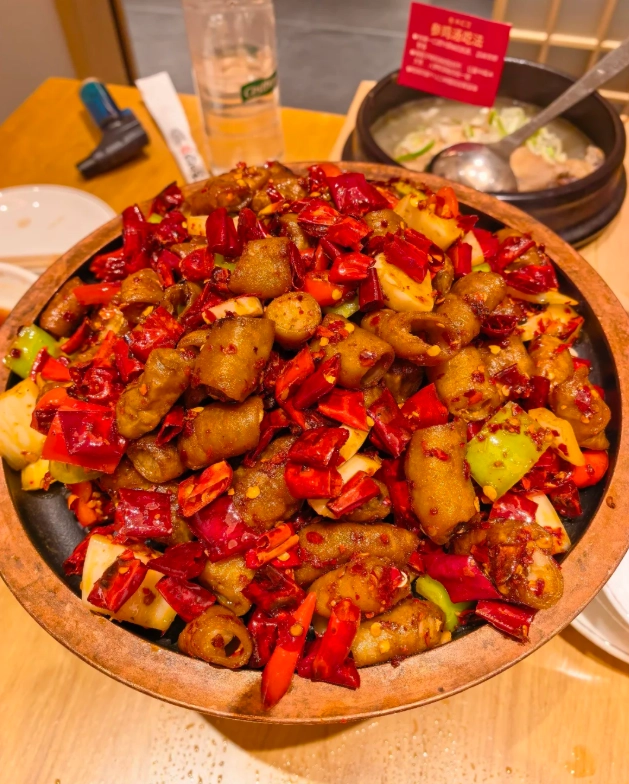
2. Naengmyeon (Korean Cold Noodles)
Naengmyeon — the icy, chewy buckwheat noodles in a cold beef broth — is the perfect summer dish, but locals also crave it in winter when the heating is on. The noodles are so resilient that you might need the scissors they give you to cut them before eating.
I've eaten naengmyeon in Yanji, the heart of Yanbian, where the Korean community keeps it authentic. The broth is made from beef pogaegi (dried radish), and the ice cubes float right in your bowl. A splash of vinegar and mustard takes it to another level.
In Changchun, find a Korean-run restaurant near the Yanbian embassy. For about 20-30 RMB you get a huge bowl with boiled egg, cucumber, and pear. Don't forget to slurp loudly — it's a compliment to the chef!
3. Korean BBQ (Galbi)
Korean BBQ is a weekend ritual in Jilin. The meat — usually beef ribs or pork belly — is marinated in a sweet soy-garlic sauce and grilled right at your table. You wrap it in lettuce, add a sliver of garlic and a dab of ssamjang, and pop the whole bundle in your mouth.
Yanji is the undisputed king of this. But in Changchun, I've found a hidden gem in the Old City area called 'ChaoXian BBQ House' — it's down a hutong, but the queue of locals says it all. Count on spending 60-100 RMB per person. They have English menus, which is a relief.
Pro tip: order the kimchi omelette as a side. It sounds weird, but it works.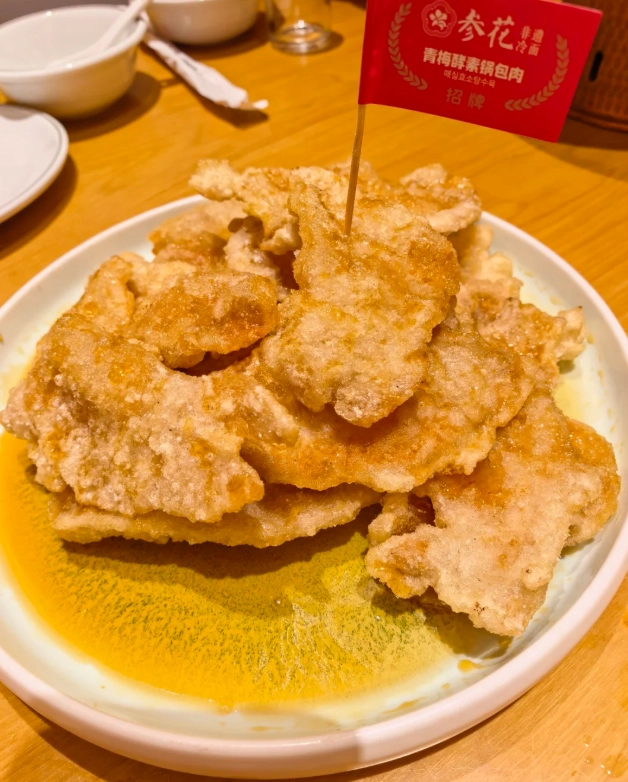
4. Samgyetang (Ginseng Chicken Soup)
Samgyetang is like a hug in a bowl. A whole young chicken is stuffed with glutinous rice, garlic, and ginseng, then simmered until the meat falls off the bone. The broth gets sweet and slightly earthy from the ginseng. Perfect when the north wind bites.
I once took a group of Australians to a samgyetang place in Jilin City, and they couldn't stop talking about it. The chicken is so tender you can eat it with a spoon. The price is around 40-50 RMB per pot, and it's a meal in itself.
Look for a restaurant with the Korean sign '삼계탕' or the Chinese '人参鸡汤'. Most places serve it with a small glass of insamju (ginseng wine) — a local tradition.
5. Suan Cai Bai Rou (Pickled Cabbage and Pork)
Suan Cai Bai Rou is the ultimate comfort food in Northeast China. The sour, fermented Chinese cabbage is paired with thick slices of pork belly and boiled until the broth turns milky white. It's sour, salty, and oily, in the best way.
My favorite spot in Jilin City is a tiny joint near the Songhua River. The owner, a retired factory worker, makes suan cai from a family recipe. For 35 RMB, you get a huge bubbling pot and a steaming bowl of rice. It's not fancy, but it's the food I crave when I'm homesick.
If you go in winter, ask for extra pork broth. It'll warm your bones.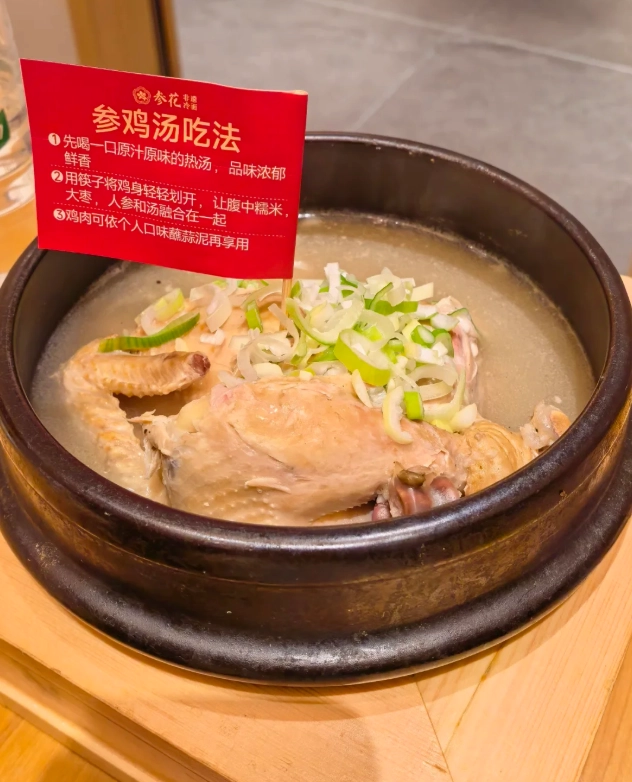
6. Xiao Ji Dun Mo Gu (Chicken Mushroom Hotpot)
Xiao Ji Dun Mo Gu is a wild mushroom and free-range chicken stew that tastes like the forest. The mushrooms — often pine and hazel mushrooms — give the broth an earthy, smoky depth that you can't find anywhere else.
I always insist my clients try this in a local home-style restaurant, not a tourist trap. The dish takes time to cook, so reserve it in advance if you can. In Changchun, the 'Northeast Home Cooking' restaurant on Qingyuan Road does a great version. Price: 50-70 RMB for the whole pot, enough for three.
Pair it with a piece of cornbread to soak up the broth. Heaven.
7. Kao Leng Mian (Grilled Cold Noodles)
Kao Leng Mian is the street food you didn't know you needed. Cooked cold noodles are grilled on a flat iron, then brushed with a spicy-sweet sauce and rolled with an egg, onion, and hot dog bits. It's like a savory crepe with a kick.
You'll find kao leng mian everywhere in Jilin's night markets. The Guilin Road market has at least five vendors. I always go to the one with the longest line — that's a universal sign. It costs about 8-10 RMB per portion, and it's messy but addictive.
Make sure to eat it hot, otherwise the noodles get chewy.
8. Sundae (Korean Blood Sausage)
Sundae is a Korean sausage made from pig's blood, glass noodles, and veggies stuffed into a casing. Don't let the ingredients scare you — it's savory, garlicky, and strangely comforting. It's often served with a side of salt and pepper.
I first tried sundae in Yanji at a market stall, and it was so good I bought a second portion. The texture is bouncy, similar to a Chinese ham sausage. A plate with dipping sauce costs 15-20 RMB.
Ask for '순대' on a Korean menu or '米肠' in Chinese. It's usually served as a snack, but it can fill you up.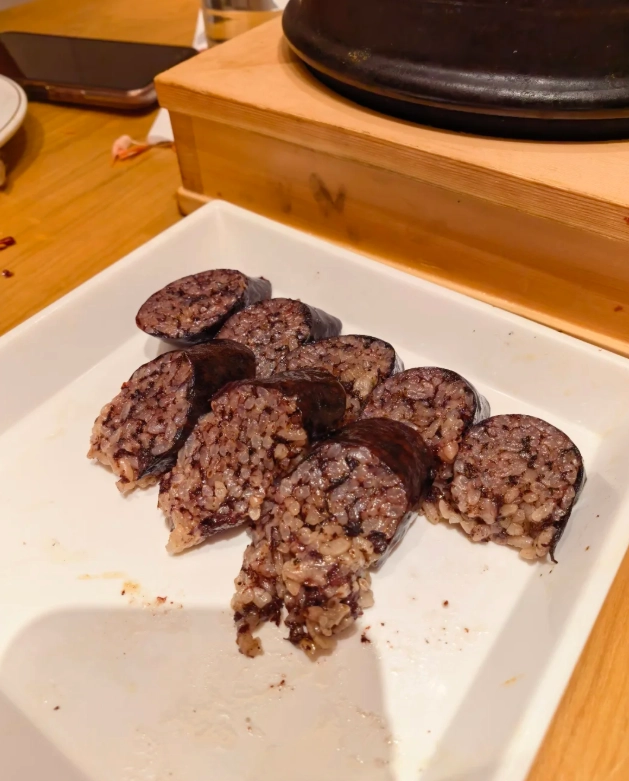
9. Tteok (Korean Rice Cakes)
Tteok are chewy rice cakes made from steamed glutinous rice. They come in many forms: some are stuffed with red bean paste, others are steamed and coated with ground beans. There's even a savory version for soup.
In Jilin, tteok is often eaten during festivals, but you can buy it from street vendors all year. I love the honey-filled tteok from the Yanbian market. It's like a chewy doughnut.
Price: about 5-10 RMB a piece. Look for the Korean bakery stalls.
10. Jian Fen (Fried Starch Slices)
Jian Fen is a Jilin City specialty that you won't find easily elsewhere. Starch paste is steamed into a jelly, then sliced and pan-fried with garlic, vinegar, and chili. The outside gets crispy, the inside stays soft and gooey. It's a texture experience.
I always take my visitors to a place called 'Old Chen's Jian Fen' near the Jilin City railway station. The owner has been making this for 30 years. A plate costs only 8 RMB, but the flavor is intense. It's a snack that locals grew up on.
Be careful — it's served screaming hot. Wait a bit before biting.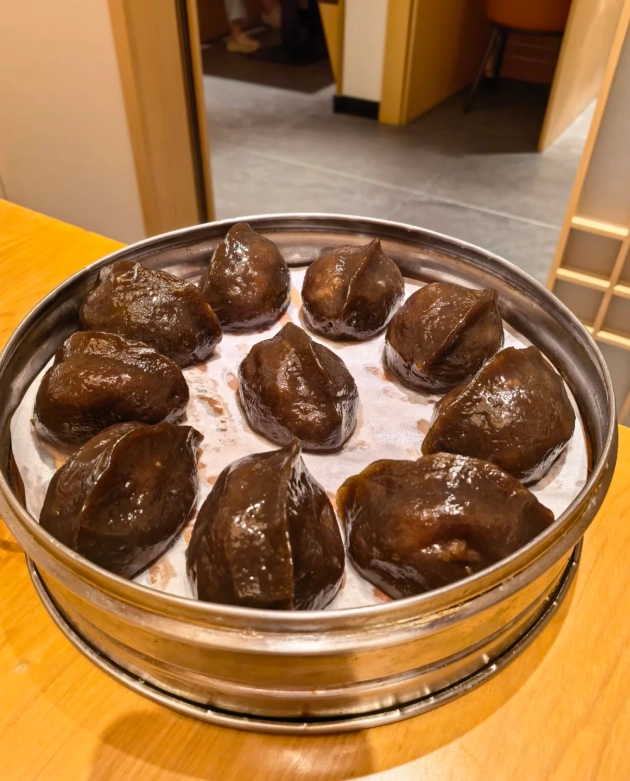
Where to Eat in Jilin: Best Food Streets
Now that you know what to eat, here's where to find them. These three places are my go-to zones for tasting multiple dishes in one walk.
| Area | City | Specialty | Price Range | Best Time to Visit |
|---|---|---|---|---|
| Guilin Road Night Market | Changchun | Street food, snacks | 5-30 RMB | 6-9 PM |
| Yanbian University Area | Yanji | Korean BBQ, tteok | 20-100 RMB | Lunch & dinner |
| Songhua River Street | Jilin City | Hot pots, home-style | 30-80 RMB | Lunch & dinner |
How to Order and Pay as a Foreign Tourist
Ordering food in Jilin is easier than you think, but you need to prepare. Here are my non-negotiables for a smooth experience:
Use a translation app for the menu. Apple Translate or Baidu Translate can scan images, so you can snap a photo of the menu and get instant translations. I often use this with clients who don't speak Chinese.
Payment: Cash is still accepted in most places, but small vendors prefer Alipay or WeChat Pay. Make sure your accounts are linked to an international card. I always remind tourists to carry 100-200 RMB in cash for emergencies — some 10 RMB notes for street food.
Ordering: If the restaurant has a picture menu, just point. If not, use your translation app to show the dish name in Chinese. Tipping is not expected; it's actually frowned upon.
Booking a table: Popular places can get crowded. For hot restaurants, book ahead via WeChat or a call. Your hotel reception can help you make a reservation in Chinese. Remember, your passport is often required for verifying bookings, just like when you book attractions. For any visa or passport-related questions, check the official National Immigration Administration website at www.nia.gov.cn.
If you're traveling between cities by train — say, from Changchun to Yanji — I recommend booking your tickets on the official Chinese railway website, www.12306.cn, which now has an English interface.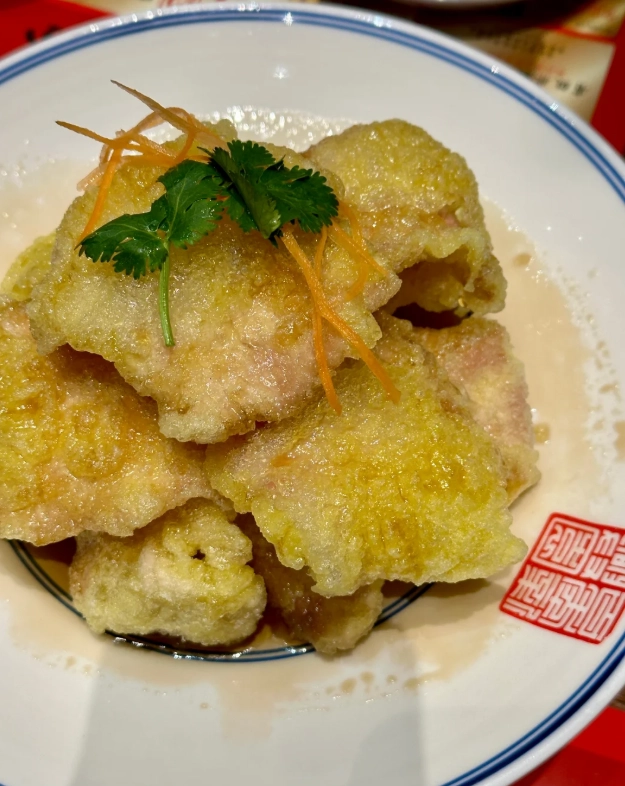
Jilin Food FAQs: 5 Questions Travelers Ask
Verified and fact-checked by the editorial team.





No comments yet.