 Qiang Huang
Your Shandong Cheat Sheet
Let me paint you a scene. A couple from Texas, hiking boots fresh out of the box, staring at the 6,000-plus stone steps of Mount Tai. They planned to reach the top in two hours. We made it in six. Not because they were slow — because no one told them the ancient route is a museum with a serious incline, not a treadmill.
I've spent years guiding travelers through Shandong province. The biggest headache isn't figuring out what to see in Shandong. It's the hidden logistics — the ticket quotas for foreigners, the WeChat-only payments, the queues you can skip with one local trick. This guide fixes that.
Bottom line: Mount Tai at sunrise, Qufu's Confucius Temple before 8 AM, and Qingdao's beer street at 4 PM. Those are your three non-negotiables. Everything else is flexible.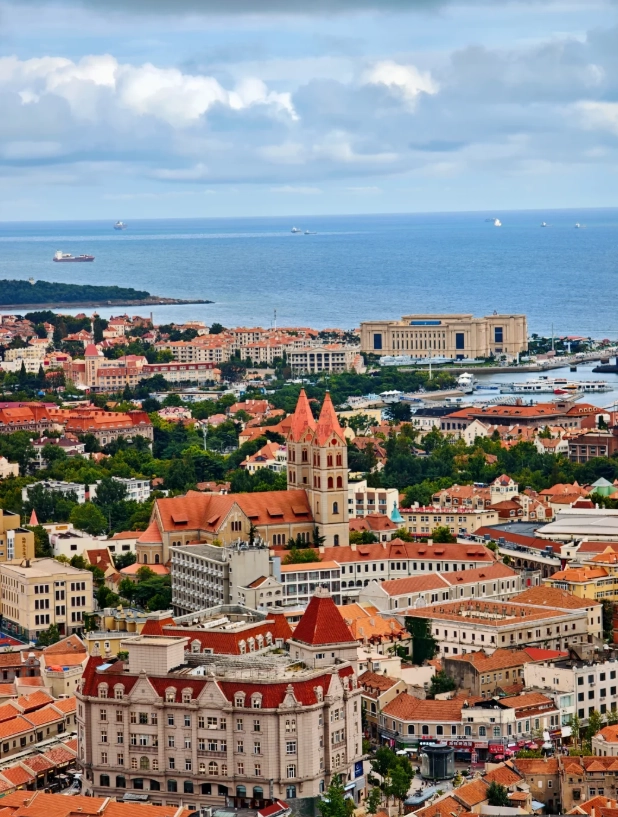
Why Shandong Deserves a Spot on Your China Itinerary
Shandong is one of China's most underrated provinces, and here's the thing — most foreign tourists fly straight to Beijing, Xi'an, or Shanghai and completely miss it.
Shandong sits on the Yellow Sea coast, about 1.5 hours by high-speed rail from Beijing. It's home to two UNESCO World Heritage sites: the sacred Mount Tai and the Confucius temples in Qufu. It's also the birthplace of Taoist mountain culture, piercing coastal cliffs, and the beer that made China's coast famous. Western guidebooks treat it as a day-trip side dish, which is a mistake. You need at least four days to digest it.
The culture here is distinct from Beijing or Shanghai. The people are more direct, the food is heavier on garlic and scallions, and the pace is slower. I always tell my clients: this is the China you read about in history books, without the tourist-polished edges.
Must See in Shandong: My Top 7 Picks Without the Fluff
I have deliberately left out the overhyped photo spots and included only the stops I would bring my own mother to. They range from a full-day mountain climb to a 20-minute beer stop.
Top 1 — Mount Tai (泰山): The Sunrise That Made Emperors Cry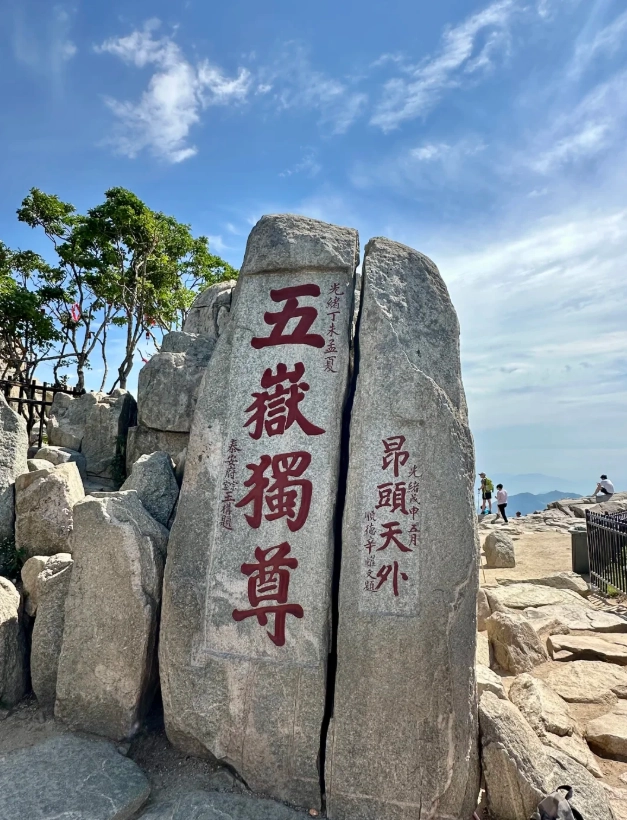
Mount Tai is not just a mountain — it's a pilgrimage site where emperors once performed sacrifices to Heaven. And yes, you'll feel that weight on every step.
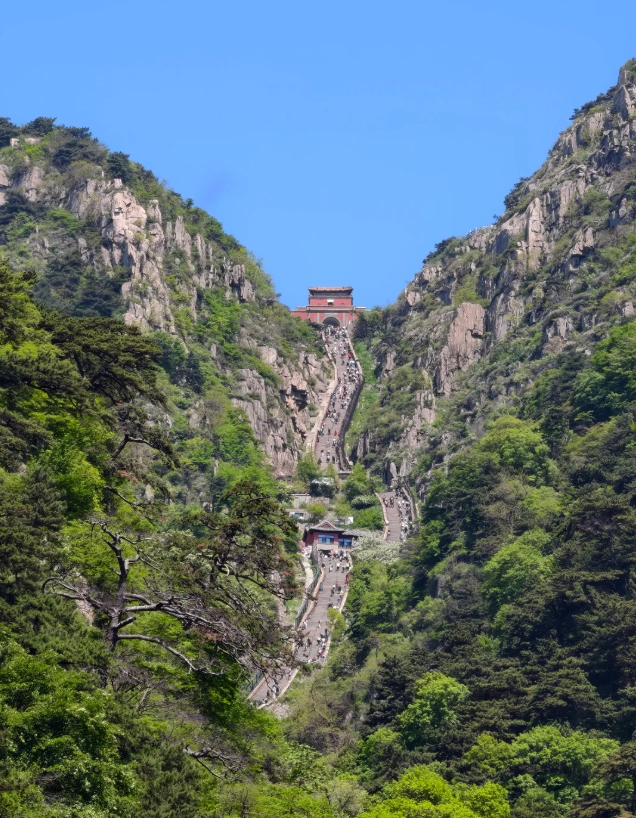
From the Red Gate (红门) base, the climb to the Jade Emperor Peak is a beast — around 6,000 stone steps, taking most hikers five to seven hours. If you're only here for a day, cheat like most locals do: take a shuttle bus from Tianwaicun (天外村) to Mid-heaven Gate (中天门), then hike the final stretch. You still get dramatic cliffs and a stairway that looks like it leads to the sky, without turning your legs into jelly.
Tickets run around 125 RMB in peak season, roughly 100 RMB off-season. You can't pay cash at the gate — all entries are booked online with your passport number. International cards work on the official ticketing platforms, which you can find through the UNESCO listing or your hotel's concierge.
Sunrise chasers: the summit gets chaotic at dawn. Rather than hiking at 3 AM, stay overnight at one of the guesthouses near Nantianmen (南天门). Dorm beds run 200-400 RMB. It's not fancy — my room had a bathroom down the hall and a view of the sunrise that made up for everything.
Pro Tip: The cable car closes when wind speeds get high. Every year a handful of travelers get stranded at Mid-heaven Gate with no way up. Check the weather before you start and don't force the summit on an overcast day — you'll miss the sunrise anyway.
Top 2 — Qufu (曲阜): Walk Where Confucius Walked
Qufu is the hometown of Confucius, and its temple complex is the second-largest ancient architectural cluster in China — only the Forbidden City beats it.
The three big sites — Kong Miao (Temple), Kong Fu (Mansion), and Kong Lin (Cemetery) — are sold as one through-ticket at around 140 RMB. The ticket is valid for two days, but you won't need more than one full day here. Temple in the morning, mansion after lunch, and cemetery before it closes. The cemetery is a forest of gravestones and ancient cypress trees, so bring insect repellent.
I recommend hiring an official English guide at the ticket office for about 200-300 RMB. The site's English placards are thin, and a good guide brings the Analects to life. The eight-character mottos carved into stone gates? They are a condensed version of 'don't do to others what you don't want done to yourself'. That's the kind of detail you won't get from a sign.
Insider Advice: The cemetery's electric shuttle costs 20 RMB and saves you 40 minutes of walking. Take it. Your knees will send thank-you notes.
Getting there: Qufu East railway station is 20 minutes by taxi to the sites. The high-speed rail from Jinan takes about 30 minutes, so it works well as a day trip if you start early.
Top 3 — Qingdao (青岛): Beer, Beaches, and German Architecture
Qingdao is Shandong's poster child — a coastal city that spent 16 years as a German colony and now wears its European heritage like a favorite coat.
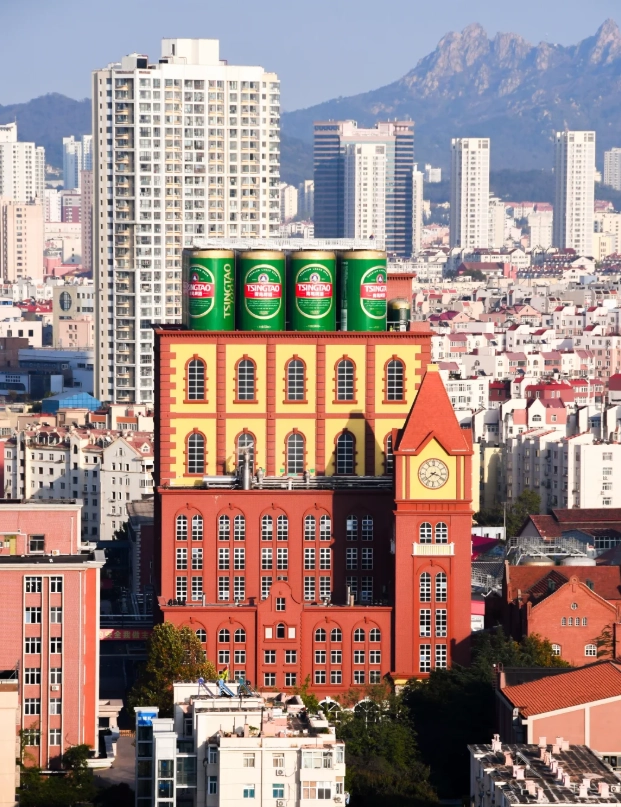
The Qingdao Beer Museum (青岛啤酒博物馆) lives in the original brewery buildings from 1903. The ticket costs 60-80 RMB and ends with a tasting room where you get two fresh glasses straight off the line — the second one, in the 'drunken alley', is unfiltered and completely different from the bottled version. I always tell first-timers to skip the seafood buffet outside and just drink beer like the locals do: on the street, with skewered meat.
For the classic postcard shot, aim for the lighthouse at Zhanqiao Pier (栈桥) at 4:30 PM — the light turns the water pink. The pier itself is covered in tacky seashell vendors, so walk it fast or skip it entirely. Badaguan (八大关) is the real gem: a neighborhood of 200+ villas in Bavarian, Japanese, and Spanish styles. It's free, quiet, and best done on a rented bike.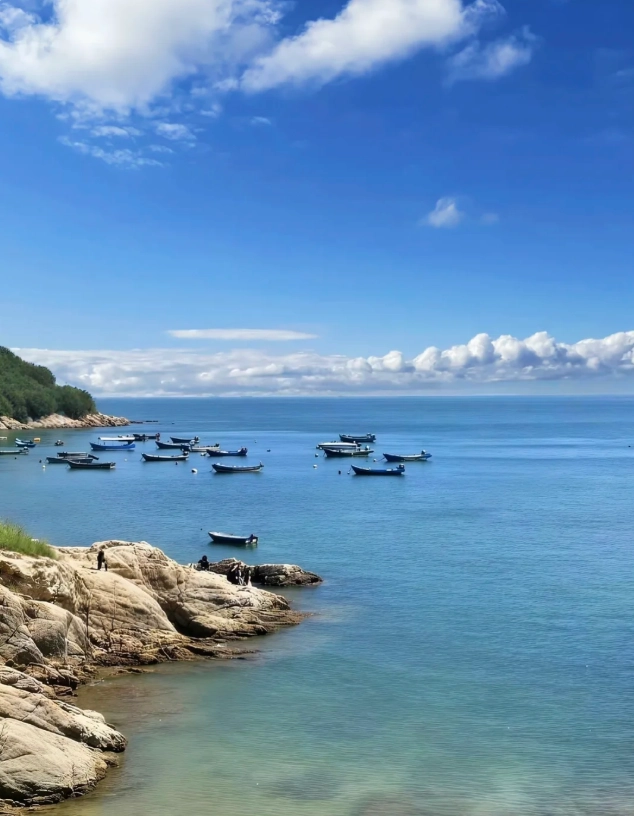
Top 4 — Jinan (济南): The City of Springs That Never Makes Lists
Jinan has 72 famous springs, and the most famous one, Baotu Spring (趵突泉), shoots groundwater high enough to feel like a hidden hydrant.
The spring park costs 40 RMB. But the city's real charm is free — follow the moat that wraps the old town, where locals dip plastic buckets into the spring water and haul it home for tea. That's a slice of daily life you won't find in any article. Daming Lake is also free, though the inner island has a small fee. Go at sunset when the willows turn gold.
Jinan's springs are best in summer, when the water is at its full flow and the temperature difference makes it feel ice-cold. If you're visiting in winter, the steam rising off the springs is a scene straight out of a martial arts movie.
Top 5 — Zibo (淄博): Barbecue That Broke the Internet
Zibo is the only city in Shandong I would visit purely for food, and it's the strangest food phenomenon I have seen in the last decade.
In 2023, after a politician praised the local barbecue, millions of Chinese tourists flooded into Zibo — specifically to eat grilled lamb skewers wrapped in a thin pancake with scallions and sweet bean sauce. It's an interactive meal: you grill the skewers on a small charcoal stove, then roll everything into a pancake with your hands.
Skip the overhyped tourist-facing places near the train station. I ate at a local spot on Xinjian Donglu — lanterns, collapsible tables, no English menu. The boss pointed me to the meat counter, and for about 60 RMB per person, we left full and happy. Cards aren't accepted — use Alipay or WeChat Pay. And bring a few yuan in cash in case the Wi-Fi drops.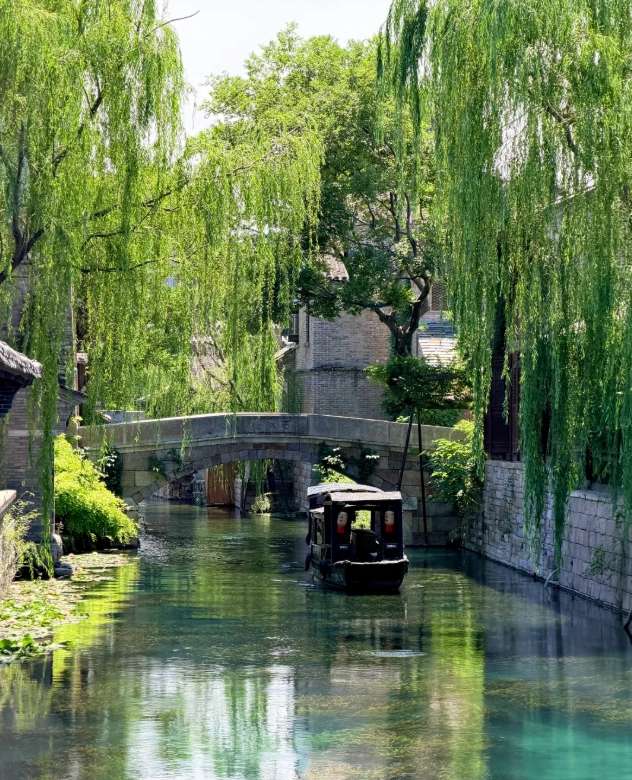
Top 6 — Weihai (威海): A Coastline Most Foreigners Skip
Weihai is the easternmost point of China's mainland, and the cliffs at Chengshantou (成山头) drop straight into the Yellow Sea with zero warning.
It's not cheap — around 160 RMB for access — but the coastal walking trail is free and just as spectacular if you park at the nearby public lot. In early summer, the sea mist rolls in and you get that wuthering-heights feeling minus the drama. The city also runs a quiet beach culture; Naxianghai (那香海) is a clean, flat stretch that feels like a secret, especially on weekdays.
Weihai is 1.5 hours from Qingdao by high-speed rail, so it's best as a two-day add-on: day one on the train, day two on the cliffs.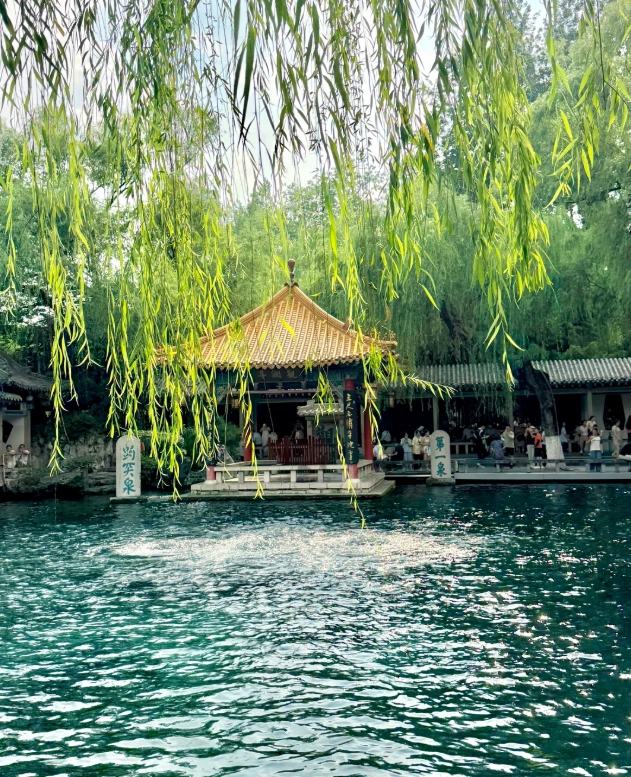
Top 7 — Weifang (潍坊): The Kite Capital
Weifang is a short detour from the main Shandong route, but if you're even slightly curious about Chinese folk art, it's worth the stop.
The Kite Museum is free, and inside, giant nylon kites hang from the ceiling — dragons, phoenixes, even a lifelike bicycle with a tail. Every April, the city hosts an international kite festival; if you time your trip to catch it, you'll see the sky turn into a chaotic art gallery. Outside festival time, you can buy kite-making kits in the gift shop for under 30 RMB and try your luck in the nearby park. Expect one stuck-in-tree within five minutes. It's practically tradition.
How to Plan a Shandong Itinerary That Actually Works
If you only have three days, focus on the classic triangle: Jinan, Tai'an (Mount Tai), and Qufu. With five days, add Qingdao. A week allows for Zibo and a sliver of the coast.
| Itinerary | Duration | Core Stops | Best For |
|---|---|---|---|
| Micro Shandong | 3 days | Jinan, Mount Tai, Qufu | First-timers who want culture |
| Classic Shandong | 5 days | Jinan, Tai'an, Qufu, Qingdao | Couples mixing history with beach |
| Grand Shandong | 6-7 days | Add Zibo and Weihai (or Weifang) | Foodies and adventurous lifetimers |
Moving between each city by high-speed rail is a dream. Jinan to Tai'an is 20 minutes. Tai'an to Qufu about 40 minutes. Qufu to Qingdao roughly 2 hours, via Jinan. Qingdao to Zibo is 1.5 hours. Zibo to Weihai is 2.5 hours. Book train tickets via the official China Railway platform at least a day ahead — Shandong trains fill up fast on weekends.
A word of warning: if you're planning to visit Mount Tai, choose accommodation in Tai'an the night before. Climbing early from Qufu or Jinan is possible but leaves you fighting the clock. My rule: always stay within walking distance of the Red Gate (红门) entrance.
Plan B for bad weather: skip the summit and hit Mount Tai's nearby Dai Temple (岱庙), which is massive and quiet on rainy days. Or swap it for the city's BBQ street, which runs rain or shine.
Shandong Travel Tips: What I Wish I Knew
You'll need a VPN before you land — Google Maps is unreliable, and your banking app might not work without one. You know the drill: download a VPN app, install it at home, and test it before you fly. For maps, use Apple Maps when in doubt or the English version of AMap (高德地图). The English interface is decent and gives accurate walking directions.
Payment: assume cash is not welcome. Alipay and WeChat Pay are the kings. Setting up Alipay with an international card takes about 10 minutes at the airport, and most tourist attractions will ask for a QR scan. Carry about 200 RMB for small food stalls and public toilets — yes, public toilets often charge 1-2 RMB in rural areas.
Booking: many sites require online reservations with a passport number for foreigners. Mount Tai and Qufu's three sites are the strictest. Use the official Chinese booking channels or your hotel's concierge. For entry and visa questions, the National Immigration Administration has clear guidance.
Navigation: Google Maps doesn't work well in China. I recommend downloading AMap in advance and saving your destinations offline. Taxi drivers rarely speak English, so always have your destination written in Chinese characters. Ask your hotel to print them for you.
Internet: hotel Wi-Fi is usually decent. For your phone, get a local eSIM or SIM card with a Chinese number. Many ticket platforms send SMS codes for verification, and a Chinese number makes everything easier.
Is Shandong Safe for Solo Travelers?
Shandong is one of the safest provinces in China for solo travel — violent crime is extremely rare, and tourists stick out like a sore thumb, which actually works in your favor.
Scams are the main issue. Taxi drivers in Tai'an and Qufu may overcharge foreigners by 30-50 percent. Always insist on the meter or book through ride-hailing apps like DiDi — there's an English interface. At tourist sites, ignore anyone offering to 'guide' you for free, they will demand 100+ RMB halfway. Stay friendly but firm.
One more tip: keep a hotel card with you at all times. If you get lost, you can just hail a taxi and show the card. Your passport photo on your phone is fine for most purposes, but carry the physical copy for hotel check-ins and train station security checks.
FAQs: What Travelers Ask Me About Shandong Must-Sees
I only have 48 hours in Shandong — which two must-sees should I prioritize?
Mount Tai and Qufu, no question. Mount Tai for the universal pull of a sacred mountain, Qufu for the roots of Eastern philosophy. You can squeeze Jinan in if you take the 7 AM high-speed train and skip the hot springs. But two full days dedicated to those two is better than three rushed.
Can I pay with credit cards at Shandong's must-see attractions?
No, not reliably. Ticket booths at Mount Tai and Qufu are generally cashless and may not accept foreign cards. Set up Alipay before you go — it works with international Visa and Mastercards. Some sites like the Kite Museum have offline readers, but you can't count on it.
Are the must-see sites in Shandong accessible for older travelers or people with limited mobility?
Mixed. Mount Tai is the hardest: climbing is unavoidable; a cable car helps but the last stretch to the summit is steep stairs. Qufu's temple is flat but has small doorsteps. Qingdao's beer museum is the most wheelchair-friendly, with elevators and ramps. Always call ahead for elevator access or ask your guide to avoid staircases.
I don't speak Mandarin. Can I navigate Shandong's must-see attractions on my own?
Yes, if you prepare. Write key names in Chinese, I have included them in this article. Use a translation app with an image-capture feature — Baidu Translate reads signs surprisingly well. And for any train ticket booking, use the app or ask your hotel staff to help. Most attractions now have English signage, but transaction apps and ticket machines are in Chinese.
Fact-Check & Editorial Standards
Verified and fact-checked by the editorial team. Ticket prices and opening hours were collected from official ticketing platforms and cross-referenced with local guide networks. For the most current details, always confirm on official sources or ask your hotel reception.





No comments yet.