 Fang Wang
Quick Look: What's Inside
You’ve booked the flights, but now what? Shandong is a province where you can easily waste days shuttling between famous names. I’ve guided groups here for years, and the biggest mistake I see is trying to do too much in too little time. Here’s the honest truth: if you only have three days, focus on Jinan and Qingdao—skip the rest. If you have a week, add Mount Tai and Qufu.
So, what to do in Shandong? Start with the essentials — but let me save you some pain with the local knowledge that most guidebooks skip.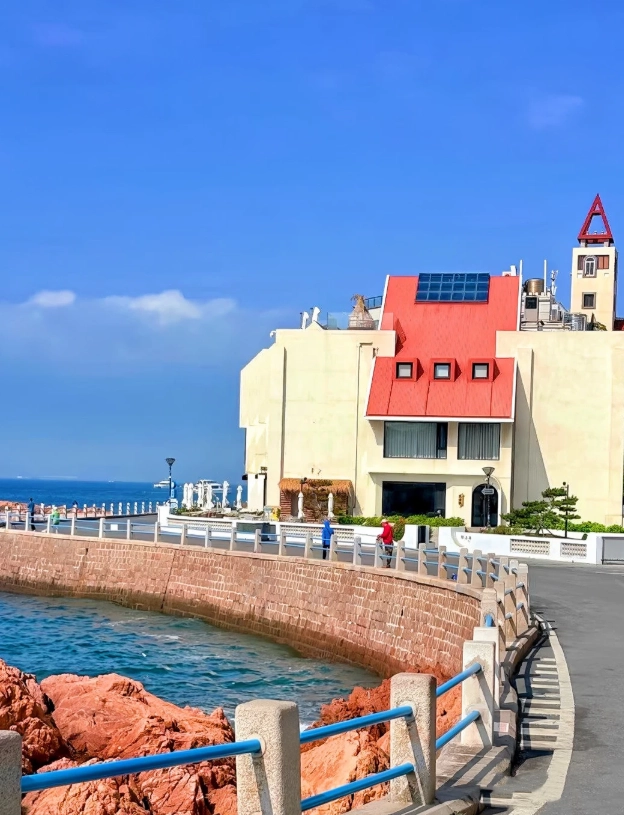
What to Do in Shandong: 10 Stops You Shouldn’t Miss
Shandong is a mix of sacred mountains, German-built harbors, and Confucian heritage. Over the years, I’ve narrowed down the must-see list to these 10 places. Some are world-famous; others are hidden spots your taxi driver will know.
1. Mount Tai (泰山)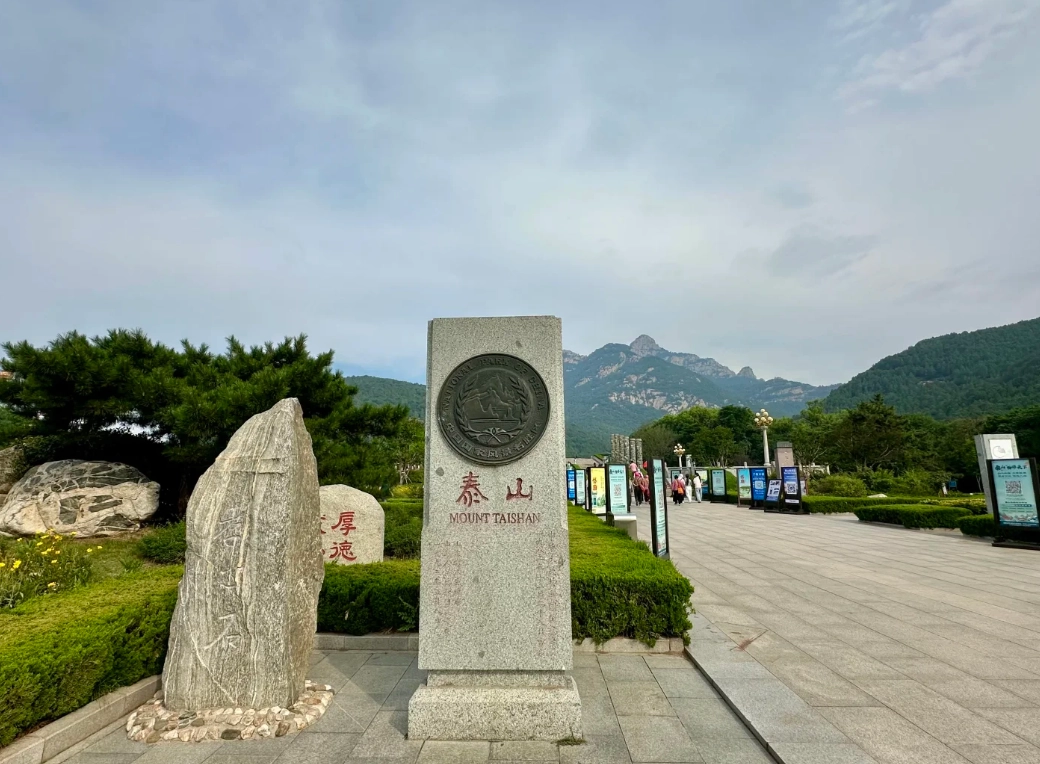
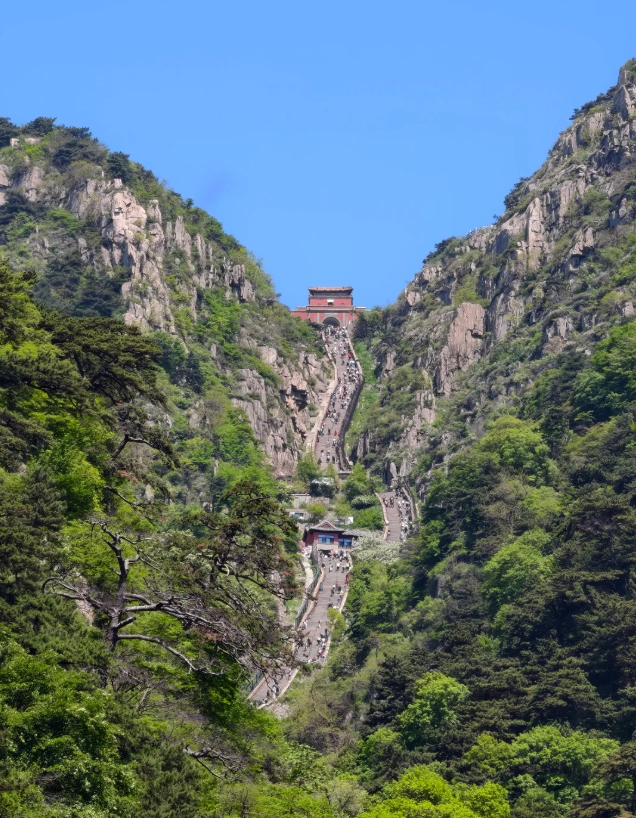
Mount Tai is the most sacred of China’s Five Great Mountains, and sunrise from the summit is an experience you’ll never forget. It’s also a serious workout — plan for 3-5 hours up the traditional Red Gate route, or cheat like most locals do and take the cable car from Midway Gate to Heaven Street. I always tell my clients to book the cable car first thing, because by 9am the queue can be 90 minutes.
The ticket is ¥127 and includes the scenic area. You must book via the official Mount Tai WeChat account or Trip.com, and your passport is required for entry. The gate at Hongmen opens at 7am; the cable car runs until 6pm in summer. Bring layers — the summit is at 1,545m and can be 10°C colder than the base.
This mountain is a UNESCO World Heritage Site, and the UNESCO World Heritage Centre provides detailed history and conservation reports for it.
Pro Tip: If you want sunrise, stay overnight on the mountain. Dorm beds cost around ¥200-400 a night, and the view is worth every yuan.
2. Baotu Spring Park (趵突泉)
Baotu Spring is the heart of Jinan, and the spring water is so clear it looks like glass. It’s a city park, so don’t expect wilderness — but the contrast between ancient pavilions and the roaring spring is charming. I’ve been there when the spring is crowded, so I suggest going right at opening time, 7am. The ticket is ¥40, and you can buy it at the gate with cash or card.
Pro Tip: The eastern gate leads directly to Quancheng Square, where you can catch the famous musical fountain show at 8pm.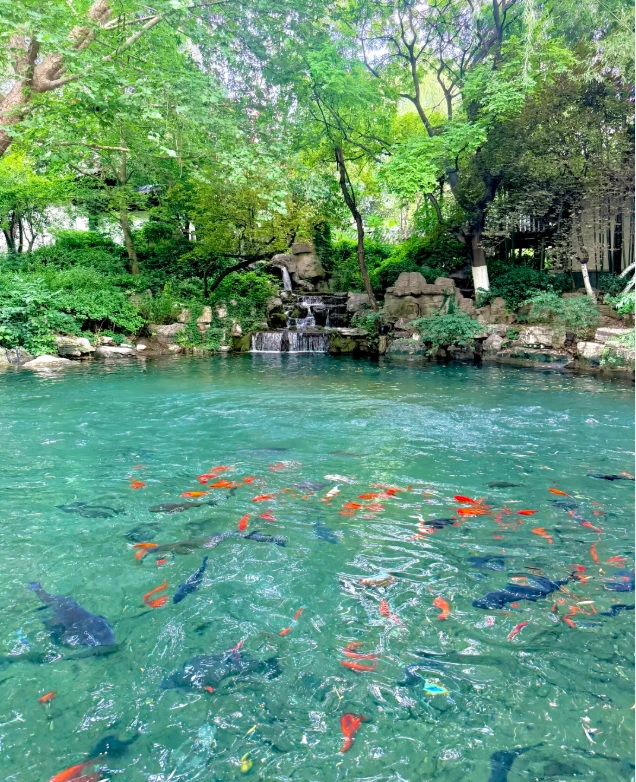
3. Zhanqiao Pier (栈桥)
Zhanqiao Pier is the symbol of Qingdao and stretches 440 meters into the Yellow Sea. It’s completely free and always lively — but that also means it’s packed from 10am to sunset. I recommend going at dawn, when the morning light hits the pagoda at the pier’s end. The seagulls gather here even in winter, making for some dramatic photos.
To get there, take subway line 3 to Qingdao Train Station stop, then walk six minutes. Drivers often get stuck in tourist traffic on the coastal road, so the subway is your friend.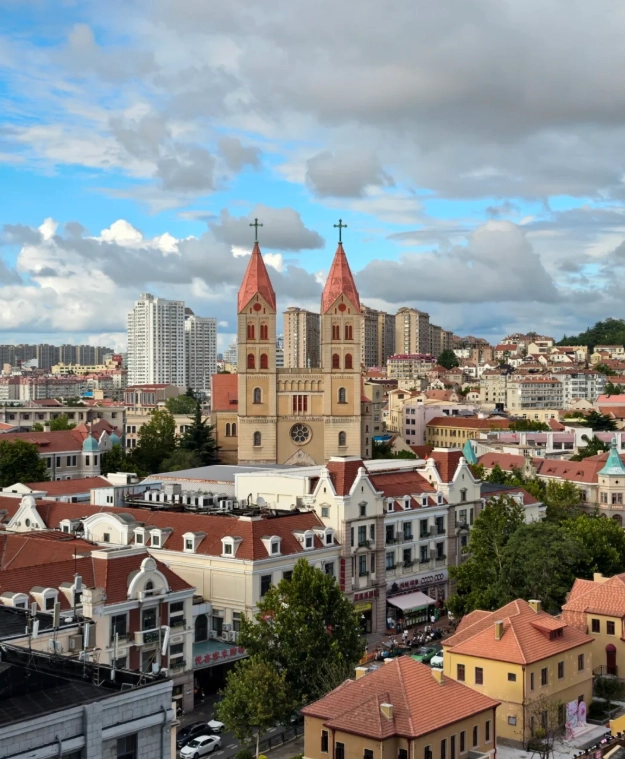
4. Qingdao Beer Museum (青岛啤酒博物馆)
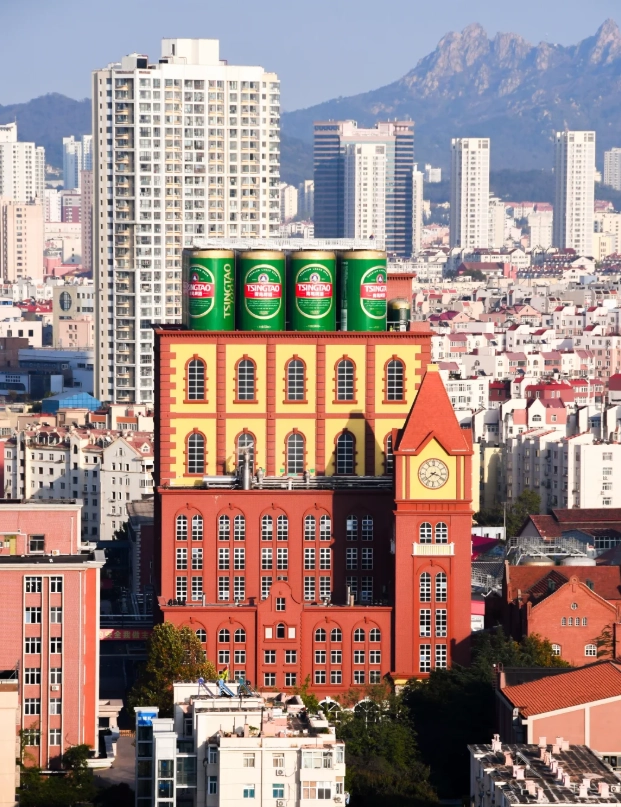
This museum is housed in the original Tsingtao Brewery, built by the Germans in 1903. For ¥60, you get a tour of the old brewing halls, a tasting session, and a fresh pint at the end. The exhibits are bilingual, which is a relief after so many Chinese-only signs. I always take visitors here early to avoid the midday tour groups.
Address: 56 Dengzhou Road, Shibei District. Opening hours are 8:30am to 5pm (last entry 4pm).
5. Confucius Temple, Mansion, and Cemetery (三孔)
Qufu’s Three Confucian Sites are the second-largest ancient building complex in China after the Forbidden City. The Confucius Mansion alone has 480 rooms. You’ll need at least four hours to see the trio. The combined ticket is ¥140, and you can hire an English-speaking guide for about ¥300, which I strongly recommend — otherwise, the historical details are easy to miss.
Passports are checked at entry, and there’s a strict no-photography rule in the inner halls. Late afternoon visits are quieter, and the light on the old trees is stunning.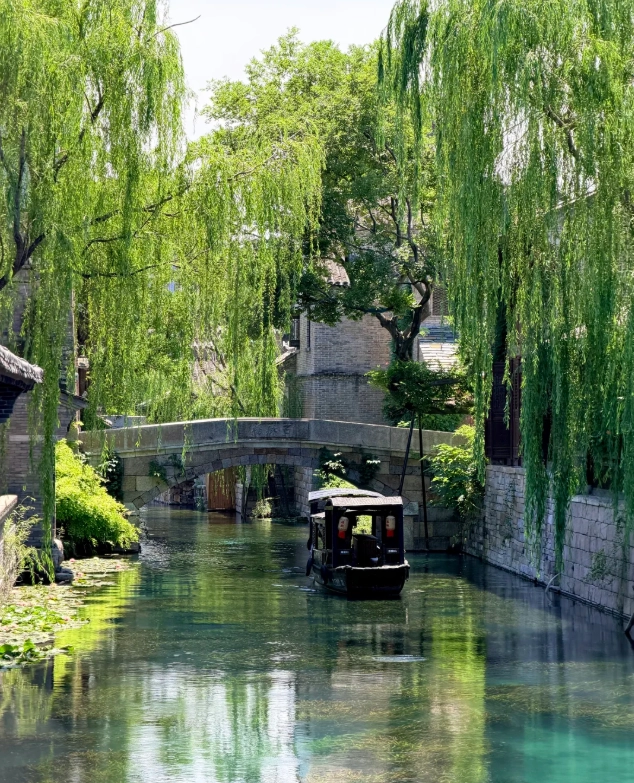
6. Liugong Island (刘公岛)
Liugong Island in Weihai is a peaceful escape with a tragic military history. It was a naval base during the First Sino-Japanese War, and now it’s a park with a museum, forts, and even a restored warship. The ferry to the island takes 15 minutes and costs ¥130 for the round trip plus island entrance. Weihai’s air is famously clean, and the island feels like a breath of fresh air — literally.
Ferries run every 20-30 minutes from 7:30am to 5pm. The last return is at 5:30pm, so don’t get lost on the trails.
7. Penglai Pavilion (蓬莱阁)
Penglai Pavilion is the mythical home of the Eight Immortals, and it sits atop a cliff overlooking the Bohai Sea. The ¥100 ticket covers the pavilion complex and a small temple area. Sunrise is magical here — I once watched the sea fog roll in and create the legendary mirage effect. The climb is gentler than Mount Tai, but there are a lot of steps, so wear good shoes.
From Yantai, take a high-speed bus from the main station; it takes about 1.5 hours. Combine this with a visit to the nearby beach for a full day.
8. Zhoucun Ancient City (周村古商城)
Zhoucun is an old commercial town near Zibo that hasn’t been over-restored like many similar places. The main streets are free to explore, and you can wander into small courtyards that house exhibitions on traditional crafts. It’s a great place to buy handmade paper fans and local snacks. I never fail to get a box of Zhoucun’s famous savory pancake.
Getting there: take a high-speed train to Zibo, then a taxi to the ancient city (about 30 minutes). The town charges for a few specific spots, like the old bank and the pilot’s residence, but you can skip those and still enjoy the vibe.
9. Heze Peony Garden (曹州牡丹园)
Heze is known as the peony capital of China, and this garden is the largest peony garden in the country. The season is short — typically mid-April to early May — so plan carefully. The entrance fee is around ¥50 during peak bloom. The garden is huge, with over a million peonies in every color you can imagine. I always tell photographers to arrive by 6am to catch the morning dew on the petals.
The garden is about 30 minutes from Heze East Station by taxi. Check the latest bloom status on social media before splurging on the trip.
10. Dongchang Lake (东昌湖)
Dongchang Lake in Liaocheng is one of the largest urban lakes in China, and it’s completely free. It circles the ancient city walls, and you can rent a paddle boat for about ¥30 per hour. The lakefront is dotted with teahouses and tiny restaurants. This is where I go to escape the cities — the water and the view of the old watchtower feel like a time warp.
You can walk the full 5km loop in about two hours, or take the electric shuttle if you’re tired. Best visited in late spring or autumn.
Quick Reference for the Top Stops
| Name | Location | Ticket Price | Opening Hours | Booking |
|---|---|---|---|---|
| Mount Tai | Tai'an | ¥127 | 24h (scenic area) | Official WeChat or Trip.com |
| Baotu Spring | Jinan | ¥40 | 7am–6pm | At the gate |
| Zhanqiao Pier | Qingdao | Free | Open all day | None |
| Qingdao Beer Museum | Qingdao | ¥60 | 8:30am–5pm | Online or on site |
| Three Confucian Sites | Qufu | ¥140 (combined) | 8am–5pm | At the gate or Trip.com |
| Liugong Island | Weihai | ¥130 (incl. ferry) | Ferries 7:30am–5pm | At the terminal |
| Penglai Pavilion | Penglai | ¥100 | 7:30am–6pm | At the gate |
| Zhoucun Ancient City | Zibo | Free (some spots extra) | Open all day | None |
| Heze Peony Garden | Heze | ¥50 (peak season) | 8am–5:30pm | At the gate |
| Dongchang Lake | Liaocheng | Free | Open all day | None |
That’s the “must-see” list, but Shandong is more than just sights. Now let me help you string them together.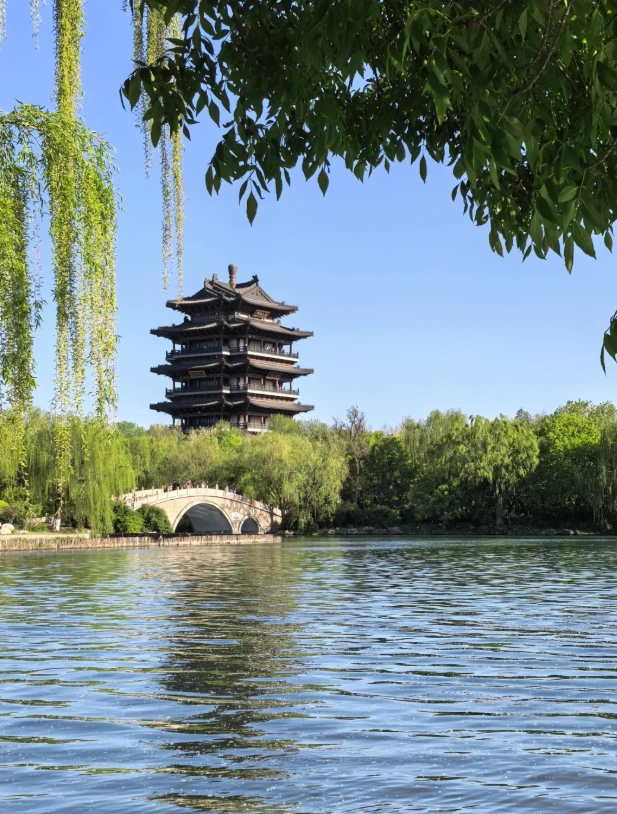
How to Plan Your Shandong Itinerary
Shandong’s cities are connected by a dense high-speed rail network, so it’s easy to hop between them. But if you want to actually enjoy your trip, avoid the trap of rushing to five cities in five days. Based on my years of leading tours, here are three realistic itineraries.
3-Day Shandong Mini Trip
Day 1: Jinan — Arrive in Jinan, check into your hotel near Quancheng Square. Spend the afternoon at Baotu Spring and Daming Lake. In the evening, walk through Furong Street for street food. Day 2: Tai’an — Take the 7am bullet train from Jinan to Tai’an (20 minutes). Climb Mount Tai and sleep in a mountain hostel. Wake up for the sunrise, descend by cable car, and return to Jinan for the night. Day 3: Qingdao — Train to Qingdao (1.5 hours). See Zhanqiao Pier, visit the Beer Museum, and enjoy fresh seafood at the night market. Return home the next morning.
5-Day Extended Shandong Trip
Add two more days to cover more ground. Day 1-3 as above, but on Day 3 after Qingdao, take a late train to Qufu (2.5 hours from Qingdao). Day 4: Spend the whole day at the Three Confucian Sites. Stay overnight in Qufu. Day 5: Take a train back to Jinan for your flight, or head straight to Yantai for a beach afternoon and Penglai Pavilion the next morning. This version works if you don’t mind a little hustle.
7-Day In-Depth Shandong
With a full week, you can see everything comfortably. Day 1-2: Jinan (Baotu Spring, Daming Lake, Furong Street, and a day trip to Zhoucun Ancient City). Day 3: Mount Tai. Day 4-5: Qingdao (Zhanqiao, Beer Museum, and a hike to Signal Hill). Day 6: Morning train to Weihai, afternoon at Liugong Island. Day 7: Take a ferry to Penglai directly (there are ferries from Weihai to Penglai) or train via Yantai. Visit Penglai Pavilion and end your trip in Yantai. This itinerary avoids backtracking and keeps each day’s travel under three hours.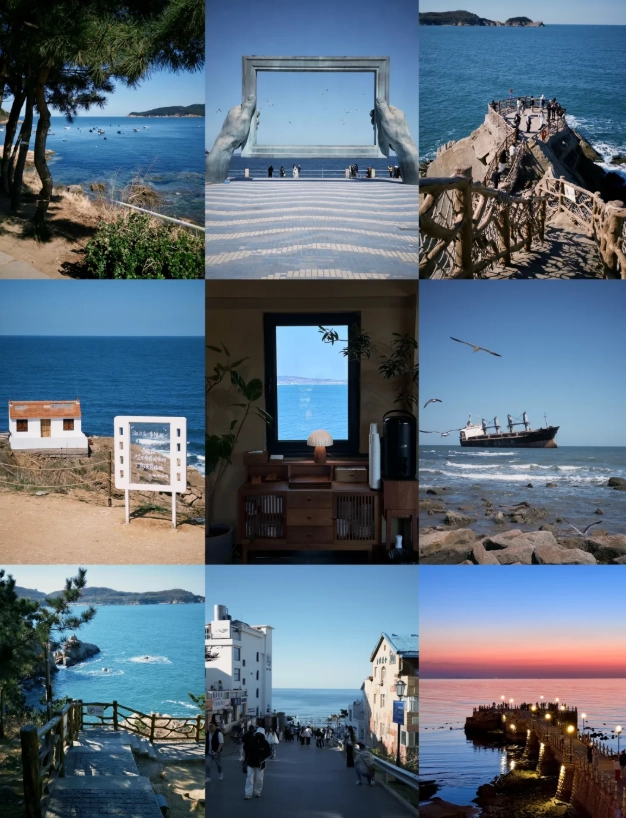
What to Eat in Shandong
Shandong cuisine is one of the eight great culinary traditions in China. It’s known for its savory flavors, generous use of scallions, and excellent seafood. Here are the dishes I make sure every traveler tries.
Jinan: Braised Pork (把子肉)
This is a classic Jinan comfort food — strips of fatty pork braised in soy sauce until they melt in your mouth. It’s usually served with rice and a hard-boiled egg. Head to 老周家把子肉 (Lao Zhou’s) at 25 Jingsi Road. It’s a no-frills local joint with prices around ¥30 for a hearty plate. Go at noon, because they sell out by 2pm.
Qingdao: Fresh Seafood
Qingdao is all about seafood straight from the Yellow Sea. The most local experience is to hit the Yingkou Road Seafood Market, buy your own crabs, clams, and mantis shrimp, and have a nearby restaurant cook them for a small fee. Expect to pay ¥100-150 per person for a feast. The market is open 7am to 8pm; choose live seafood that’s moving — that’s the freshness rule.
Qufu: Confucian Family Dishes
Qufu is home to Kong Family cuisine, a unique style developed for imperial banquets. The best place to try it is 阙里宾舍 (Que Li Bin She) at 1 Dongmen Street. Order the “Confucian Eight Treasures” — a set of eight small dishes that showcase the philosophy of balance. Set menus start at ¥100 per person. It’s a bit touristy, but the history is real.
Street Snacks
Don’t leave without trying 煎饼 (jianbing) — the Shandong version is crispier than the one in Beijing. Also look for 德州扒鸡 (Dezhou Braised Chicken) if you’re passing through Dezhou station. And always carry a bottle of 青岛啤酒 from the source — it tastes fresher right there.
Where to Stay: Jinan vs Qingdao vs Qufu
Your base really depends on your itinerary. Here’s my breakdown of the three most common stops.
| City | Recommended Area | Price Range (Mid-range) | Best For |
|---|---|---|---|
| Jinan | Near Quancheng Square | ¥300-600 per night | First-timers, families |
| Qingdao | Badaguan / Shinan District | ¥400-800 per night | Beach lovers, couples |
| Qufu | Near the South Gate | ¥200-400 per night | History buffs, budget travelers |
Jinan is the most convenient hub because it has the best high-speed rail connections. I usually put clients in a hotel near Quancheng Square — you can walk to Baotu Spring in 10 minutes and to the train station in 15 by taxi. Qingdao is more scenic; the area around Badaguan offers European-style villas and easy beach access. The trade-off is that it’s pricier and traffic is a nightmare. Qufu is small; if you stay near the South Gate, you can walk to the Confucius Temple in five minutes. Perfect for an overnight stop.
Practical Tips for First-Time Visitors to Shandong
Here’s the stuff I wish someone had told me before my first trip — and the stuff that still surprises most tourists.
Payments: Cash is Dying
You are not going to have a smooth experience if you only rely on cash. Street vendors, most taxis, and even some restaurants only accept mobile payments via Alipay or WeChat Pay. I recommend downloading Alipay before you arrive, connecting it to your foreign visa or Mastercard, and setting up the Tour Card feature if needed. Keep ¥500 in cash as a backup — but at most toll booths they won’t take it.
Navigation: Google Maps Lies
Google Maps is inaccurate in Shandong and often shows wrong transit times. Use Apple Maps (which uses Gaode as its backend) or download AMap Global in English. Both work well for walking and driving. For public transit, I still prefer the official Amap app in Chinese, but you can get by with the English interface on Apple Maps.
Booking: Passports Are Non-Negotiable
Major attractions in Shandong use real-name registration with your passport. Mount Tai, the Confucius temples, and Liugong Island all require a physical passport at the gate. For WeChat-only booking platforms, ask your hotel manager to help you make the reservation. Alternatively, you can use Trip.com or Klook — they’ve partnered with major Sights and will handle the booking for you.
Language and VPN
English is not widely spoken outside the big hotels and train stations. Download Apple Translate or Baidu Translate for offline use — I use the live camera feature to read menus and signs. Also, set up a VPN before you arrive because Google, Facebook, and Instagram are blocked on Chinese networks. Trust me, you don’t want to figure that out at the airport.
Sensible Safety
Shandong is generally very safe for travelers, even solo after dark. The main annoyances are pickpockets in busy tourist areas and scams involving “tea ceremonies” near monasteries. My rule: if a stranger invites you for a cup of tea in a quiet lane, politely decline. Stick to official taxis or ride-hailing apps like Didi.
Before you pack, confirm your visa type with the National Immigration Administration — their online portal at nia.gov.cn has the most current entry requirements.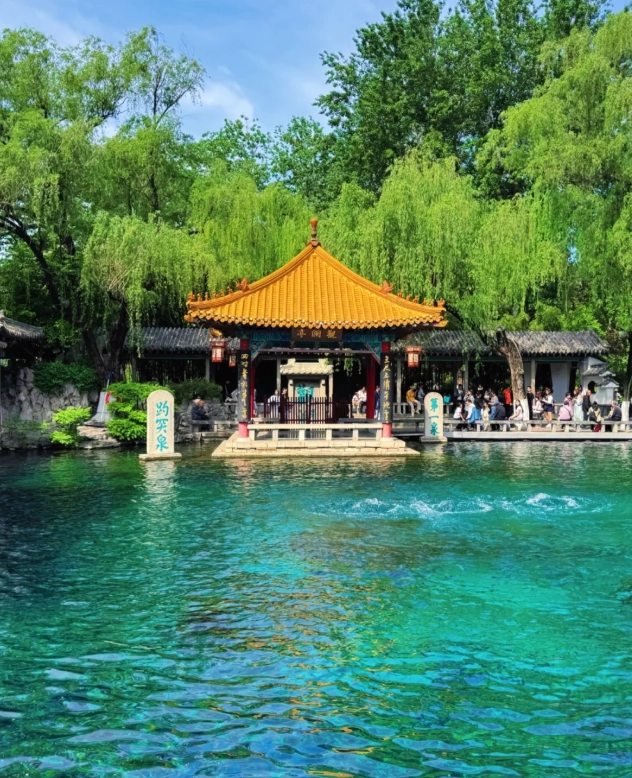





No comments yet.