 Chen Liu
What's Inside
- Why Guangxi Tourist Attractions Should Be on Your China Itinerary
- Top Guangxi Tourist Attractions: My Personal Picks
- How Much Does It Cost to Visit Guangxi Tourist Attractions?
- How Do You Get Around Guangxi Tourist Attractions?
- A Practical 24-Hour Guangxi Tourist Attractions Crash Course
- Insider Tips to Make Your Guangxi Attractions Trip Easier
- FAQ: Your Questions About Guangxi Travel Answered
Sun-baked karst peaks. Rice paddies carved into hillsides. The smell of diesel on the Li River ferry. That's Guangxi. And honestly, it overwhelms most first-timers. I've been guiding travelers to Guangxi tourist attractions for eight years now, and I still get that jolt when the train slides into Guilin North Station.
Most guides tell you to rush from Guilin to Yangshuo in three days. That's a mistake. You'll spend half your time on buses and the other half wiping sweat off your neck. The real magic needs five days, maybe even a week if you want to know the rice terraces and waterfalls. So here's my first piece of advice: give yourself time, don't try to see everything. And whatever you do, don't book your Li River cruise online at the official ticket window full price — I'll show you how to save ¥200 later.
Why Guangxi Tourist Attractions Should Be on Your China Itinerary
Guangxi is not just another stop on the over-beaten trail. It's home to the South China Karst, a UNESCO World Heritage site that stretches across Guilin, Yangshuo, and beyond. That's not a marketing line — you can read about it on the UNESCO World Heritage Centre website. The region packs eight distinct karst landscapes into one province, and each one looks like it was painted for a movie set.
But here's what the glossy photos don't tell you: Guangxi is physically demanding. The humidity in summer feels like a wet blanket. The so-called "gentle" hikes require a decent level of fitness. And the distance between attractions means you'll spend more time on buses than you planned. I'm not saying this to scare you — I'm saying it so you can pack smart and pace yourself.
What makes Guangxi genuinely special is the diversity. You can ride a bamboo raft on a calm river at sunrise, hike to a hidden waterfall in the afternoon, and end your day sipping sugarcane juice in an ancient Dong village. Few places in China offer that much variety in a single province.
Top Guangxi Tourist Attractions: My Personal Picks
After years of leading tours through Guangxi, I've developed strong opinions. Some attractions are worth every yuan; others left me wishing I had the time back. Here are my honest picks, ranked roughly by personal preference.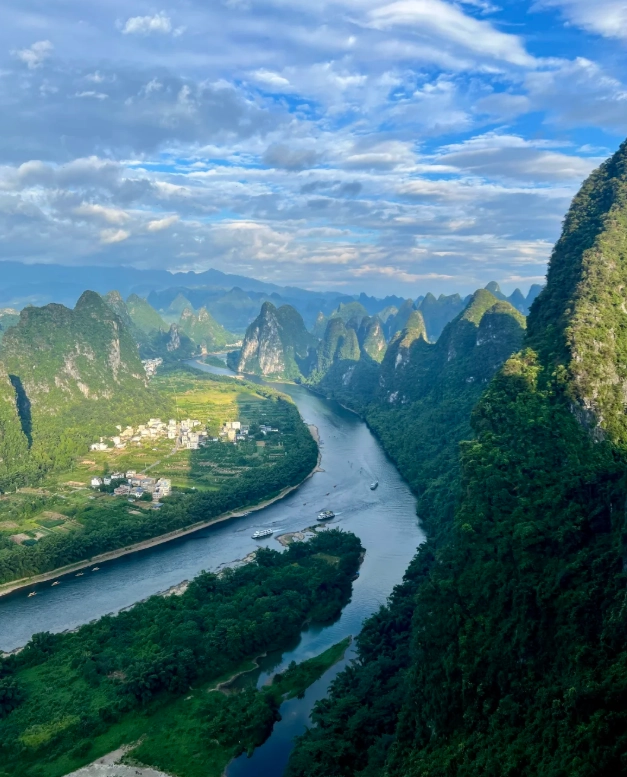
Li River and Yangshuo: The Karst Masterpiece
The Li River is the poster child of Guangxi tourist attractions, and for good reason. The limestone peaks that rise from the river have been painted, photographed, and even printed on the 20-yuan banknote. Most first-timers take the official cruise from Guilin to Yangshuo, which lasts about four hours. It's comfortable and orderly, but it's also expensive — expect to pay anywhere from ¥360 to ¥450 per person depending on the cabin class.
Here's my insider move: ask your hotel to book the cruise for you. They often have discounted group rates, and you might save up to ¥200 per ticket. Or skip the cruise entirely and take a smaller bamboo raft on the Yulong River in Yangshuo. It's more intimate, costs around ¥150 per raft, and you get to paddle past the same peaks without the diesel smell.
- Time needed: Half day for cruise, 2-3 hours for raft.
- Best time to go: 8:00-9:00 AM for the cruise to catch soft light; avoid Chinese national holidays.
- How to get there: Cruise boats depart from Zhujiang Wharf in Guilin. Yangshuo can be reached via direct high-speed train (about 30 minutes to Yangshuo Station) plus a 20-minute taxi ride at the other end.
- Avoiding crowds: Don't book the afternoon cruise if you can help it. The morning boats are emptier and the scenery looks better before the heat haze kicks in.
I always tell my clients to spend at least one night in Yangshuo. The town turns into a different place after dusk — less crowded, cooler, and the lights along West Street actually look charming instead of gaudy.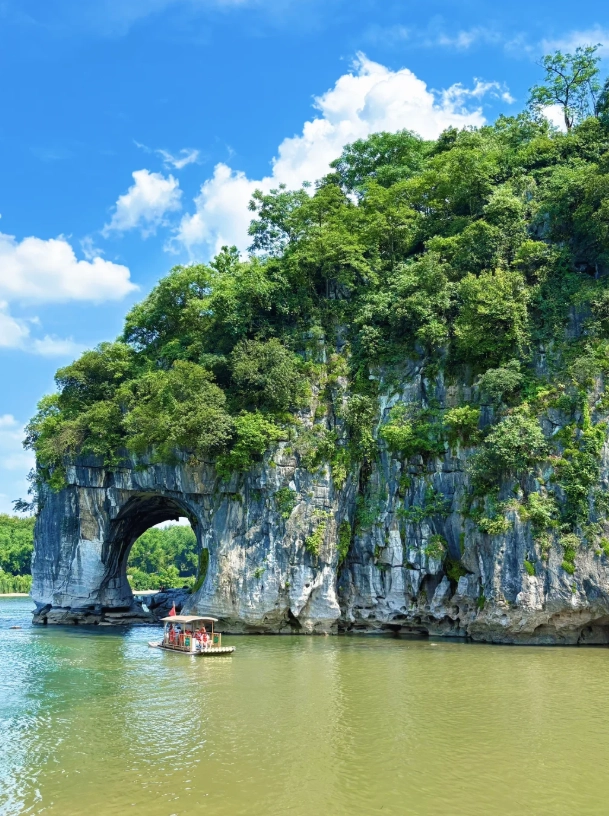
Longji Rice Terraces: Terraced Wonders Worth the Hiking
The Longji Rice Terraces, also known as the Dragon's Backbone, are one of the most physically rewarding Guangxi tourist attractions I know. The terraces have been carved by hand over 700 years into the mountain slopes, and the photo opportunities are endless. There are two main viewing areas: Ping'an Village and Dazhai Village. The classic viewpoint at Ping'an is easier to reach, but Dazhai gives you the wider panorama. I prefer Dazhai, especially at sunrise when the light turns the water-filled paddies into a sheet of gold.
Getting there: From Guilin, take a direct bus from Guilin Bus Station or the airport to Longsheng (about 2 hours). Then transfer to a local minibus to the ticket gate. If you're not up for a chicken-bus adventure, book a private car with your hotel — it's worth the extra cost.
Entry fee: Around ¥80 per person, plus a shuttle bus fee if you don't want to walk from the gate to the village.
Best time: May to June when the terraces are flooded, or late September to mid-October when the rice turns golden. Winters are beautiful with snow, but the trails can be treacherous.
My honest advice: Don't try to see both Ping'an and Dazhai in one day. Pick one village, stay overnight in a family guesthouse, and wake up early for the sunrise hike. The effort will pay off.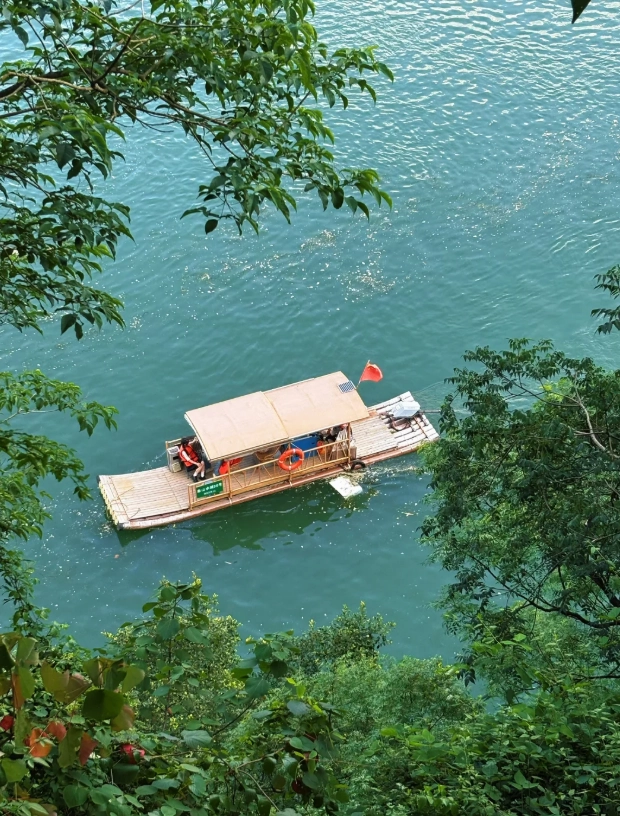
Detian Waterfall: A Thundering Border Crossing
Detian Waterfall is where Guangxi tourist attractions suddenly turn international. It's on the border with Vietnam, and it's actually the second-largest transnational waterfall in the world (after Niagara). When the water is running at full force, you can hear it a mile away. The waterfall is best during the rainy season — from May to September — when the thunder is truly dramatic.
Cost: The entrance fee is around ¥80, plus a mandatory shuttle bus that costs about ¥35 round-trip. You can't really walk from the parking area to the falls, so just pay for the shuttle.
Getting there: Detian is remote, about 3.5 hours by car from Nanning or 5 hours from Guilin. There's no direct public transport, so I strongly suggest joining a small group tour or hiring a private car. It's not the easiest attraction to reach, but it's absolutely memorable.
Important: Bring your passport. Even though you don't cross the border, this area is sensitive and you may be asked to show ID. Also, check the weather forecast — if there's been no rain for weeks, the water flow might disappoint you.
Reed Flute Cave: Step Inside a Hall of Stalactites
Reed Flute Cave is one of those Guangxi tourist attractions that gets a shrug from locals but wows out-of-towners. It's a limestone cave with dreamlike stalactite formations that you've seen in Chinese tourism ads. The colored lights are a bit over the top for my taste, but the sheer scale of the main chamber is impressive. Entry costs about ¥90, and the walk through the cave takes about an hour. It's located right in Guilin, so it's an easy add-on to your city itinerary.
When to go: Go right before closing time (the cave is open until about 5:30 PM in summer) to avoid the peak crowds. Also, the outdoor queue can be brutal in July — bring an umbrella for shade.
Honest opinion: If you've already explored caves in other parts of China, you might be able to skip this one. But if it's your first time in the region, it's worth a look.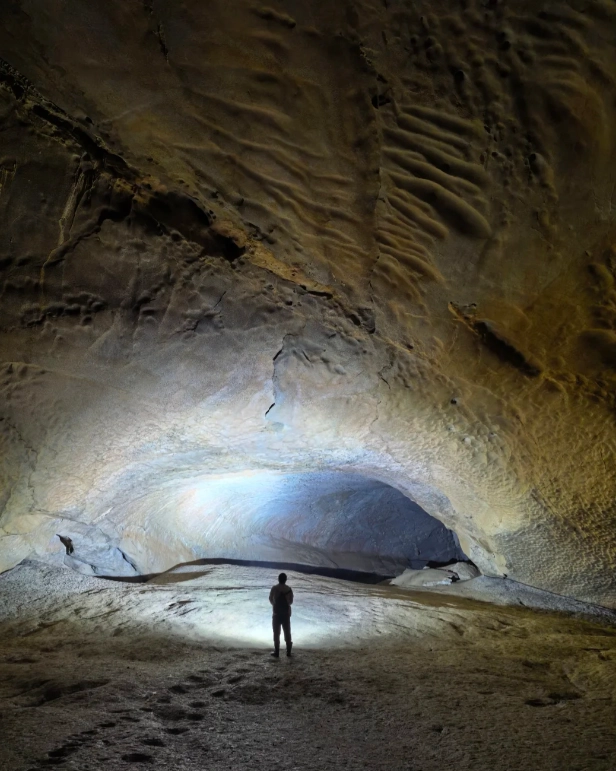
Beihai Silver Beach: A Laid-Back Coastal Escape
If you want a break from mountains, Beihai Silver Beach offers a slice of coastal Guangxi that's often overlooked. The sand is incredibly fine and looks silvery in the sun, giving the beach its name. It's free to enter, which is a refreshing change after the ticket-heavy attractions in Guilin. The beach stretches for 24 kilometers, so it never feels as packed as Hainan.
Getting there: Beihai has a high-speed rail station, so you can reach it from Guilin in about 2.5 hours. The beach is a 15-minute taxi ride from the station.
Best time to visit: Evening for sunset or October for pleasant weather. Summer weekends get busy with local families, but it's still manageable compared to Sanya.
What to do: Swim, rent a bike, or just sip coconut juice from a stall. The seafood market nearby is also worth a visit if you're into fresh catches.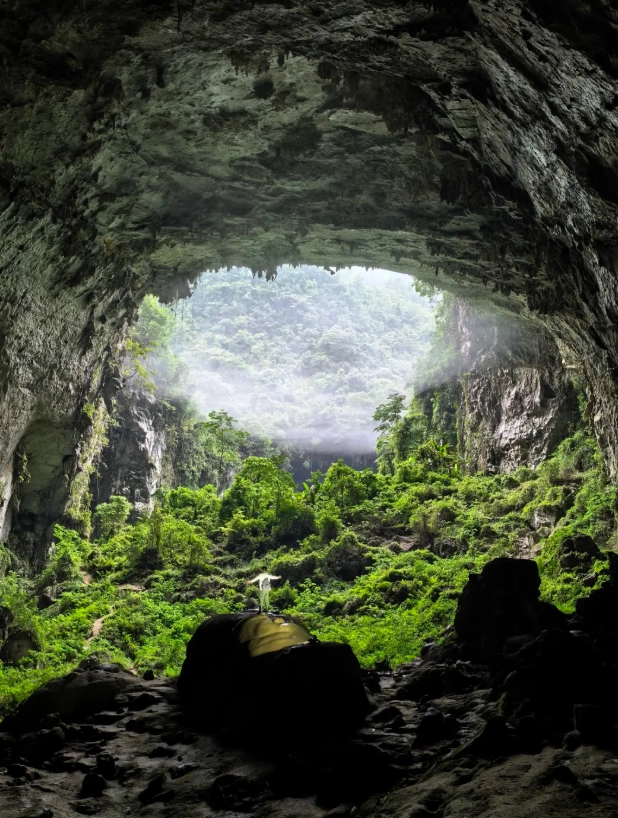
Huangyao Ancient Town: Ming Dynasty Vibes Without the Hype
Huangyao Ancient Town is the kind of Guangxi tourist attraction that feels like stepping into a time capsule. Located about 2.5 hours from Guilin by car, this Ming and Qing dynasty town has cobblestone alleys, ancient banyan trees, and a genuinely lived-in atmosphere. Unlike Zhouzhuang near Shanghai, it hasn't been completely overrun by souvenir shops. The entrance fee is around ¥100, but I think it's justified because the money goes toward preservation.
Getting there: There's a direct bus from Guilin Bus Station to the town (about 2.5 hours). Or you can join a day trip from Yangshuo.
My tip: Stay overnight in one of the old courtyard guesthouses. The town is magical at six in the morning when the tour buses haven't arrived and the local women are washing vegetables in the stream. You'll also avoid the heat of the day.
Chengyang Wind and Rain Bridge: A Dong Minority Gem
The Chengyang Wind and Rain Bridge might be the most photogenic of all Guangxi tourist attractions. It's a covered bridge built by the Dong ethnic minority using traditional wooden joinery — no nails. The bridge crosses the Linxi River and is surrounded by traditional wooden houses, rice paddies, and waterwheels. The best views are from the hillside behind the bridge, so climb up for a panorama.
Cost: The village entrance fee is about ¥80, which includes the bridge. There's an extra fee for the music and dance show, but I'd skip that show — it feels a bit touristy.
Getting there: Sanjiang is the nearest high-speed rail stop (about 1.5 hours from Guilin). From Sanjiang station, take a taxi or local bus about 30 minutes to the village.
Worth it? Yes, especially if you're interested in minority cultures. But remember to be respectful — these are living communities, not just a museum.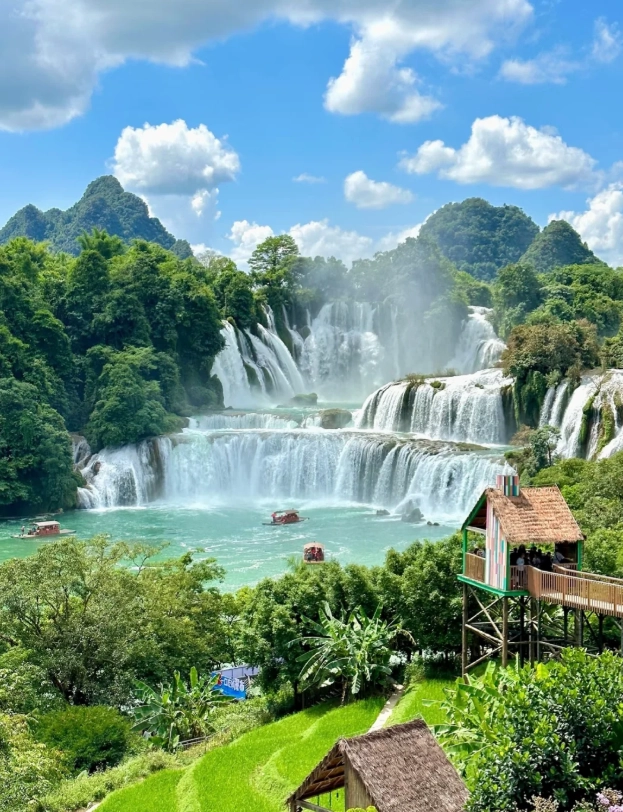
How Much Does It Cost to Visit Guangxi Tourist Attractions?
Guangxi tourist attractions are generally affordable compared to sites in Beijing or Shanghai, but the costs add up quickly because you'll be bouncing between sights. Here's a rough breakdown of the major attractions I've mentioned. Keep in mind that prices fluctuate, so treat these as a budget guide, not a price list.
| Attraction | Approximate Entry Fee | Transport from Guilin | Suggested Time |
|---|---|---|---|
| Li River Cruise | ¥360-450 (cruise) | Boat from Zhujiang Wharf | 4-5 hours |
| Yangshuo/Yulong Raft | ¥150 (raft) | Train to Yangshuo + taxi | 2-3 hours |
| Longji Rice Terraces | ¥80 (+ shuttle) | Bus 2h + local bus | Full day |
| Detian Waterfall | ¥80 (+ shuttle) | Car/tour 5h | Half day |
| Reed Flute Cave | ¥90 | Local city bus/taxi | 1 hour |
| Beihai Silver Beach | Free | Train 2.5h + taxi | Half day+ |
| Huangyao Ancient Town | ¥100 | Bus 2.5h | Half day+ |
| Chengyang Wind & Rain Bridge | ¥80 (village) | Train to Sanjiang + taxi | Half day+ |
When I say "cost", I mean in Chinese yuan. Credit cards are rarely accepted at ticket booths, so assume you'll need Alipay or WeChat Pay. For train bookings, use the official China Railways website (12306.cn) or a trusted third-party agent like Trip.com. Always carry your passport for ticket collection.
How Do You Get Around Guangxi Tourist Attractions?
Getting around Guangxi tourist attractions requires a bit of strategy. The province is spread out, and public transport isn't always in English.
High-Speed Rail is your best friend. It connects Guilin, Yangshuo, Beihai, and Sanjiang. Trains are punctual and comfortable. Book tickets online via 12306.cn or a Western-friendly agent like Trip.com to skip the queue at the station. Remember to bring your passport — you'll need it to collect tickets.
Long-Distance Buses are cheaper but slower. They're fine for Longji Rice Terraces or Huangyao if you have time to spare. Just be ready for a bumpy ride.
Private Car and Driver is the most stress-free option, especially if you want to combine multiple attractions in one day. Costs are around ¥500-800 for a full day, depending on distance. Your hotel can usually arrange this.
Did you know Google Maps doesn't work well in China? Download Apple Maps or the Amap app (AMap Global for English) before you go. I've had too many clients stranded because they trusted Google Maps.
Taxis and ride-hailing: Use Didi (Chinese Uber) or hail a metered taxi. Avoid unlicensed drivers near tourist spots — they'll quote you double.
A Practical 24-Hour Guangxi Tourist Attractions Crash Course
Let's say you've landed in Guilin and have exactly 24 hours before your flight out. Here's how I'd spend it without losing your mind.
6:30 AM — Take the first high-speed train from Guilin North to Yangshuo (about 25 minutes). Arrive at Yangshuo Station and grab a taxi (¥50-ish) to the Yulong River.
7:30 AM — Hop on a bamboo raft at Fuli Bridge. The water is calm, the air is cool, and you'll have the river almost to yourself. This is the magic hour for photos.
9:30 AM — Rent a bicycle near the river. Cycle along rural paths toward the Moon Hill viewpoint. Stop for a rice noodle breakfast on the way — Guilin rice noodles with pickled bamboo shoots are my go-to.
12:00 PM — Lunch in Yangshuo's West Street. Restaurants are hit-or-miss, so look for ones packed with locals. Try the beer fish if you're adventurous.
2:00 PM — Visit Xingping Ancient Town, the town featured on the 20-yuan note. It's only 30 minutes away and much less crowded than West Street.
5:00 PM — Return to Yangshuo and watch sunset from Moon Hill or a rooftop bar.
7:30 PM — If you have energy, catch the 'Impression Liu Sanjie' light show at the base of the karst peaks. It's pricey (¥200-300) but unforgettable.
9:30 PM — Take the last high-speed train back to Guilin, or better, stay overnight in Yangshuo and leave the next morning.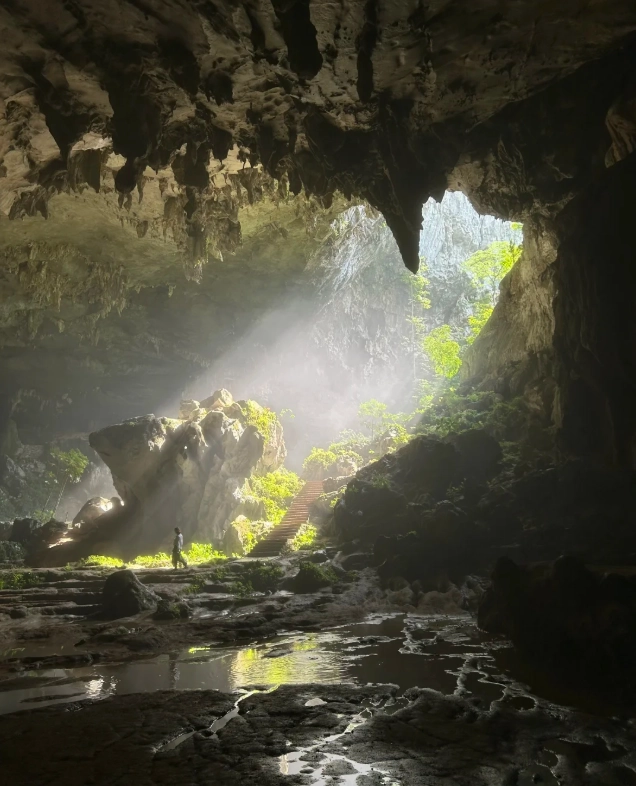
Insider Tips to Make Your Guangxi Attractions Trip Easier
These are the non-obvious things I wish every traveler knew before landing in Guangxi.
- Payments: Even if a sign says "cash accepted", the change machine might be broken. Set up Alipay or WeChat Pay before you arrive; it'll save you hours.
- Connectivity: Get a local SIM card or eSIM at the airport. Rural areas have reliable 4G but sparse Wi-Fi.
- Translation: Download an offline translation app like Apple Translate or Baidu Translate. They work without a network.
- Book tickets in advance: During Chinese holidays, popular sites sell out. Use Trip.com or Klook, or have your hotel book for you.
- Watch your belongings: Tourist spots attract pickpockets, especially in crowded buses.
- Dress for humidity: Cotton is your friend. Lightweight rain jacket for sudden downpours.
Pro Tip: If you get stuck at a ticket booth that only accepts WeChat Pay, don't panic. Ask any young local to help you pay, then hand them the cash. I've done this for clients a dozen times — it's a normal workaround.
Need visa help? The National Immigration Administration (nia.gov.cn) has official info on visa rules and entry requirements.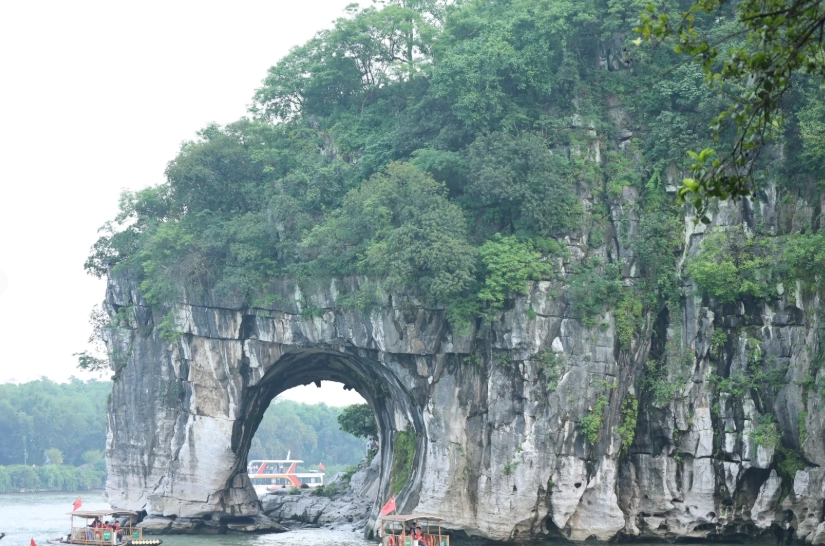
FAQ: Your Questions About Guangxi Travel Answered
Do I need to book Guangxi tourist attractions tickets in advance?
It depends. For daily visits, you can usually buy on site. But for the Li River cruise, book at least a day ahead for the morning departure. During Chinese public holidays, even the Longji shuttle bus can sell out, so reserve through Trip.com or your hotel. Use your passport for the booking.
Are Guangxi tourist attractions safe for solo travelers?
Yes, violent crime is rare. Watch out for common scams like unlicensed taxi drivers and overpriced boat rides. Keep your valuables close and avoid hiking alone after dark. In rural areas, stay on marked trails.
Can I use a credit card at Guangxi tourist attractions?
Rarely. Ticket booths and local restaurants almost always require mobile payments. Set up Alipay or WeChat Pay before you go, and carry a small amount of cash as a backup. ATMs are available in cities.
What's the best time of year to visit Guangxi tourist attractions?
Spring (March-May) and autumn (September-November) are ideal. Summer is hot and humid but waterfalls are at their peak. Avoid October 1-7 and May 1-5, when domestic tourism explodes.
How many days do I need for a trip to Guangxi tourist attractions?
This content has been fact-checked by the editorial team to ensure informational precision.






No comments yet.