 Ling Wu
In This Guide
- The 6 Must-See in Guangxi That Actually Deliver
- How to Plan Your Must-See in Guangxi Itinerary
- How to Get to Each Must-See in Guangxi Without Getting Lost?
- What Should You Know About Tickets and Payments for Guangxi Attractions?
- Practical Tips for Your Must-See in Guangxi Trip
- FAQ: Must See in Guangxi – Your Questions Answered
I remember the first time I brought a couple from Texas to the Li River. They spent the entire cruise hiding from the sun and the next day trying to find a bank that would take their credit card. Since then, I’ve fine-tuned every step of my Guangxi tours to avoid those exact tourist traps.
The phrase “must see in Guangxi” gets thrown around like confetti. But after years of guiding, I can tell you the six places that genuinely deserve your energy and the ones that only look good in photos.
Here’s the bottom line up front: start early, book online, and have a VPN ready. Do that, and you’ll see the same scenery the postcards use — without the postcard crowd.
The 6 Must-See in Guangxi That Actually Deliver
These are the places I bring my own friends to when they visit — not because they’re famous, but because they deliver on the experience.
#1 Li River – The Natural Must-See in Guangxi
I’ve done the Li River cruise dozens of times, and here’s what nobody tells you: the early morning departure is worth every minute of lost sleep. Boats leave from Zhujiang Pier or Mopanshan Pier in Guilin. The most common route takes about 4 hours down to Yangshuo.
Tickets and Tips: Prices range from around 250 to 450 CNY per person depending on the boat class. Foreigners can book via Trip.com, but you’ll still need to present your passport at the pier. The scenery — saw tooth peaks, water buffalo, and fishermen with cormorants — is straight out of a Chinese painting.
The Catch: Afternoons are packed with tour groups. Take the morning boat, which usually departs between 9 and 10 AM. Also, the boat provides a simple lunch, but I always tell my clients to bring snacks because the food can be bland (and I say that as someone who loves Chinese cuisine).
Getting There: From Guilin city center, a taxi to the pier costs around 100 CNY and takes 40 minutes. Alternatively, the public bus or a shared minibus from the train station. Book the entire trip through your hotel or a reputable agency to avoid touts.
This area is part of the UNESCO World Heritage site “South China Karst,” so you’re literally swimming in ancient geology.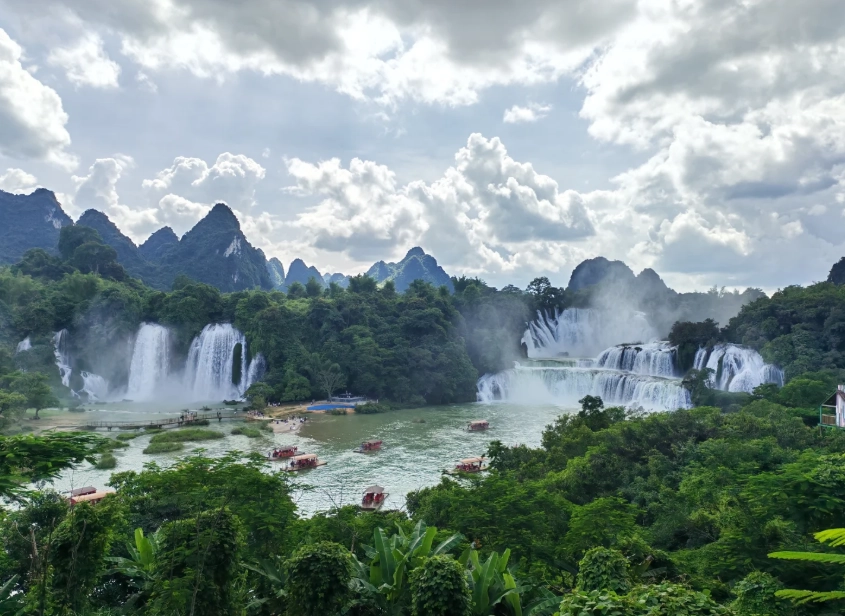
#2 Longji Rice Terraces – The Must-See in Guangxi for Hikers
Located in Longsheng County, about 2 hours north of Guilin, the Longji (Dragon’s Back) Rice Terraces are a masterpiece of human hands. The views from the top, especially at sunrise, are breathtaking — and you’ll likely have the whole mountain to yourself if you stay overnight in a local guesthouse.
What You Need to Know: Admission is around 80 CNY. The main viewing areas are Ping’an Village and Dazhai Village. I prefer Dazhai for its more rugged landscape. You can hike between the villages in about 2-3 hours, but it’s a serious climb. Wear shoes with good grip — my local friend once slipped on the wet stone steps in flip-flops.
Insider Advice: Stay at a guesthouse on the terraces, like the ones in Ping’an. That way you can watch the sunset and sunrise. The guesthouses are basic but clean, and you’ll get a home-cooked meal. However, expect to carry your luggage up hundreds of steps unless you pay a porter (about 50 CNY per bag).
Getting There: From Guilin, there are direct buses from QinTan Bus Station to Longji, costing about 65 CNY. The last bus back leaves around 3 PM, so if you want more time, consider a private driver (around 400 CNY round trip).
#3 Yangshuo – The Must-See in Guangxi That’s More Than a Town
Most travelers end their Li River cruise in Yangshuo and immediately rush back to Guilin — huge mistake. Yangshuo is one of my favorite places in China for cycling and cave exploring.
Why I Love It: Rent a bicycle or electric scooter from any guesthouse (about 30-50 CNY per day) and ride through the countryside towards Yulong River. You’ll pass magical karst peaks, rice paddies, and water buffalos. The highlight for me is the Moon Hill, a natural arch that you can climb for around 20 CNY entry and a fantastic view.
Avoiding the Chaos: The main street (West Street) is a bar street crowded with tourists. Skip it. Instead, head to the quieter section near the Yulong Bridge for bamboo raft rides (around 150 CNY per raft). The rafts are motor-free, so the experience is serene.
Getting There: It’s easy to reach Yangshuo by direct bus from Guilin’s railway station or by car (about 1.5 hours). I always tell travelers to book a hotel with free Wi-Fi that actually works — my favorite is the “Yangshuo Mountain Retreat,” run by a British guy who knows the area better than anyone.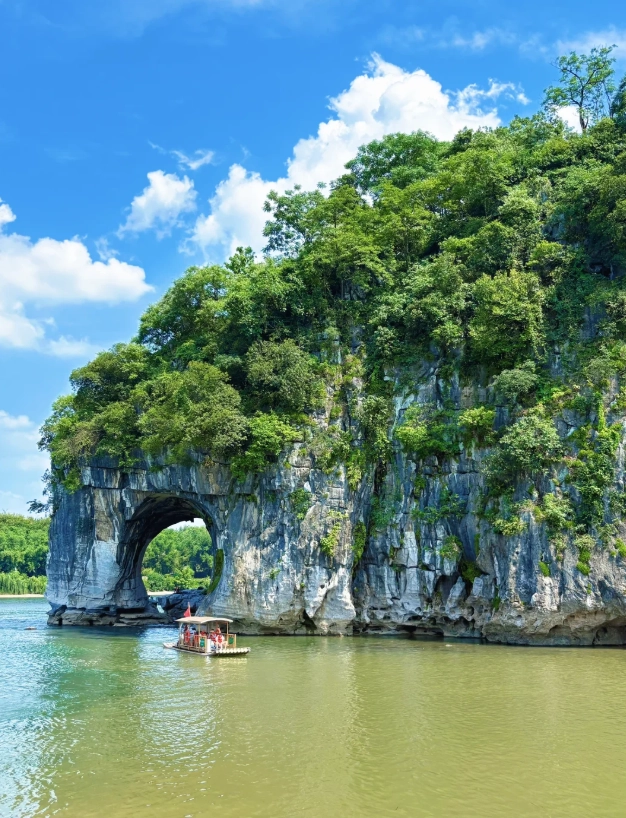
#4 Detian Waterfall – The Must-See in Guangxi on the Border
This is the place tourists usually skip because it’s far from the standard route. But I promise you, Detian Waterfall is one of the most spectacular sights in China — and it’s on the border with Vietnam. At 200 meters wide and 60 meters high, it’s often called the second largest transnational waterfall in the world.
How to Get There: Detian is in Daxin County, Chongzuo City, about 4 hours from Nanning. The easiest way is to join a day tour from Nanning, or hire a private driver from Chongzuo (around 500 CNY). Public buses are possible but require multiple transfers.
Tickets and Timing: Admission costs about 80 CNY for the main view, but you can pay extra for a small bamboo raft that brings you closer to the water’s edge — trust me, you want that (around 30 CNY). The best time to visit is June to September, when the water is full. Come in the morning before 11 AM, because tour groups show up later and the parking lot becomes a maze.
Pro Tip: Bring a raincoat or a poncho. The mist from the waterfall can soak you in minutes.
#5 Weizhou Island – The Must-See in Guangxi for Beach Lovers
If you want a tropical escape without leaving Guangxi, head to Weizhou Island, a volcanic island off the coast of Beihai. The island is covered with black volcanic rocks, coral beaches, and a huge Catholic church that looks out of place but is a hit with photographers.
The Reality Check: Getting here requires a ferry from Beihai International Cruise Terminal to the island. The ferry takes about 1.5 hours and costs roughly 120-150 CNY each way. But here’s the catch — you must book your ferry ticket in advance, and the schedule changes with the season. I once had to buy tickets from a scalper because I forgot to book online. Don’t be me. Book at least two days ahead on Trip.com or through your hotel.
On the Island: Rent an electric scooter to explore (about 30 CNY per hour). Must-sees include the Main Church, the Volcano Natural Reserve, and the white coral beach. The island’s food — especially seafood — is fresh and cheap.
Where to Stay: Guesthouses are simple but offer amazing sea views. I recommend staying near the western harbor for easy access to the main swimming beach.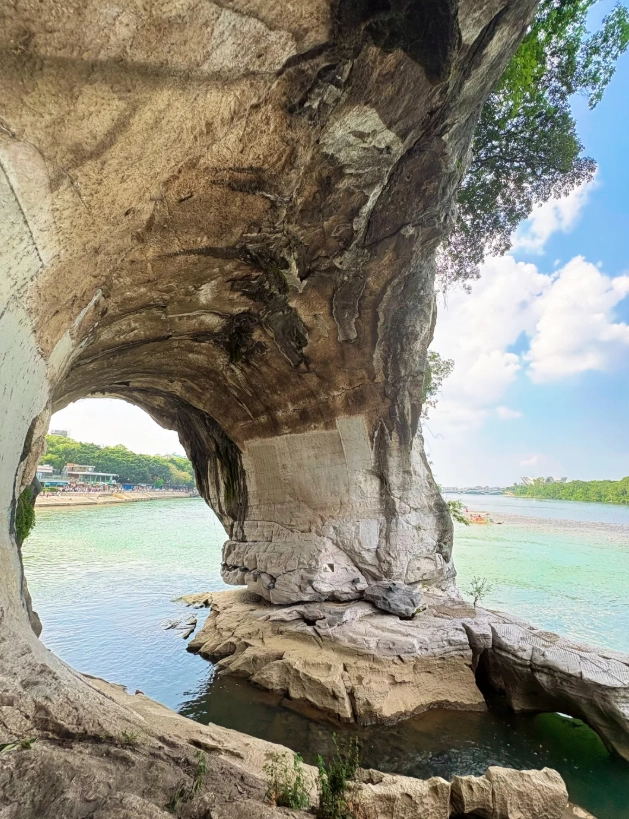
#6 Elephant Trunk Hill – The Quick Must-See in Guangxi
This is the iconic symbol of Guilin — a hill shaped like an elephant drinking water from the Li River. It’s a classic photo stop, and honestly, you don’t need more than an hour here.
Tickets & Timing: Entrance costs about 70 CNY. The site is small, so it’s best visited in the early morning or late afternoon when the light is golden. The park is open till 10 PM, and you can see the hill illuminated at night, but I prefer the day view.
The Insider Tip: The best photo spot isn’t inside the park. It’s from the nearby bridge (Lijiang Bridge) or the road on the opposite bank. But if you want the classic angle, go inside and climb the stairs to the pagoda. For those short on time, you can skip this and still say you saw “Guilin style” from the river.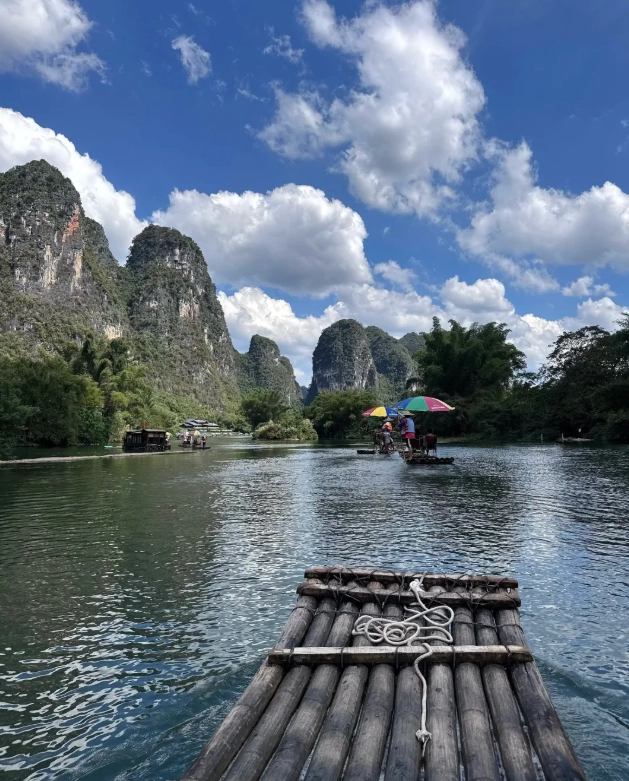
How to Plan Your Must-See in Guangxi Itinerary
Now, let me help you connect the dots. You can’t see all six in a day, and you shouldn’t. Here’s a realistic route that works for most travelers.
A Realistic 5-Day Route
Day 1: Arrive in Guilin, settle in, and take a sunset walk along the Ronghu Lake.
Day 2: Li River cruise (morning boat) to Yangshuo. Spend the afternoon cycling in the countryside.
Day 3: Morning hike or bike along Yulong River. Take a bus back to Guilin (1.5 hours). Fly or train to Beihai.
Day 4: Ferry to Weizhou Island. Stay overnight.
Day 5: Explore the island, ferry back to Beihai, and depart.
If you have more days, add Detian or Longji. Longji is best if you love mountains; Detian is your pick if you crave big waterfalls.
What to Skip If You’re Short on Time
If you only have 48 hours, focus on Li River and Yangshuo. Skip Elephant Trunk Hill and Weizhou Island. For a quick fix, you can fly from Guilin to Beihai for the island, but that eats a day.
Here’s a quick comparison for planning:
| Attraction | Location | Entrance Fee | Best Time | Best For |
|---|---|---|---|---|
| Li River | Guilin | ~250-450 CNY (cruise) | Morning (9-10 AM) | Scenic views |
| Longji Rice Terraces | Longsheng | ~80 CNY | Sunrise | Hiking |
| Yangshuo | Yangshuo | Free (except activities) | Late afternoon | Cycling |
| Detian Waterfall | Chongzuo | ~80 CNY + raft 30 | Morning (before 11) | Waterfall lovers |
| Weizhou Island | Beihai | Ferry 120-150 CNY | Dry season (Apr-Oct) | Beach and snorkeling |
| Elephant Trunk Hill | Guilin | ~70 CNY | Early morning or sunset | Photo ops |
How to Get to Each Must-See in Guangxi Without Getting Lost?
This is where I see tourists struggle the most. Google Maps is unreliable in China. I strongly suggest downloading AMap (Gaode Maps) and using it with English mode. Apple Maps works okay in big cities, but does not always have the latest bus routes.
For taxis, use Alipay’s Ride Hailing feature or the app “Didi Chuxing” (download it before you come, it has an English version). In every city, you can wave down a taxi, but they may not accept credit cards internationally. Pay with cash or via Alipay/WeChat Pay.
Pro Tip: Always have your hotel’s business card in Chinese to show the driver. This sounds old-school, but trust me, it saves you from language barrier disasters.
For long-distance trains, China Railway’s official site (12306.cn) is the only place to book tickets. The English version is limited, but your hotel or a friend can help you navigate it.
What Should You Know About Tickets and Payments for Guangxi Attractions?
Most attractions in China now require real-name registration with your passport. Many allow you to book via WeChat mini-programs, but these are often only in Chinese. For a smooth experience, use English-friendly platforms like Trip.com or Klook. They often include e-tickets and can guide you through the scanning process.
Payment is another beast. Cash is accepted everywhere, but you’ll get change in Chinese yuan with small coins that are hard to carry. International credit cards (Visa/Mastercard) work at large airports, high-end hotels, and some shops, but don’t rely on them. The easiest way is to link your card to Alipay or WeChat Pay before you arrive. You can do this using your home phone number to verify, and the setting is in English.
For visa and entry rules, always check the latest updates from the National Immigration Administration.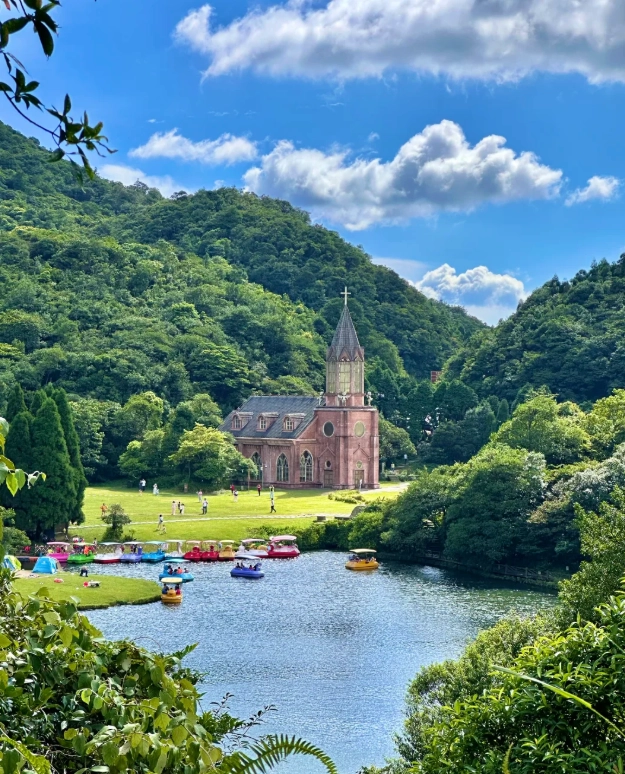
Practical Tips for Your Must-See in Guangxi Trip
Pack wisely and you’ll thank me later:
- Pack for humidity – Guangxi is humid, especially in summer. Bring lightweight, quick-dry clothing and a waterproof jacket.
- Shoes matter – Those karst hills are wet and slippery. Wear enclosed, non-slip shoes.
- Language barrier – Learn a few Mandarin phrases like “How much?” (duōshǎo qián) and “Thank you” (xièxiè). Google Translate’s offline mode is your best friend. Download the Mandarin pack.
- Weather – The best times to visit are March-June and September-November. Avoid the Chinese National Day holiday (October 1-7) when everywhere is packed.
- Tipping – Not customary in China. Don’t tip unless you really want to — nobody will chase you.
FAQ: Must See in Guangxi – Your Questions Answered
I’ve had several solo female clients from overseas, and they all felt safe. The tourist areas are heavily policed, and locals are friendly. Just use common sense: avoid dark alleys late at night, and keep your valuables in a front pocket. In rural areas like Longji, the paths are well-trodden but steep, so wear proper footwear.
Stick to Trip.com or Klook. They have English support and accept international cards. For the Li River cruise, your hotel can also book it for you, but they might add a small fee. Remember to have your passport number ready for the reservation.
Yes, it’s a 1.5-hour bus ride from the Guilin South Bus Station or a 90-minute taxi drive. There are also direct trains to Yangshuo Station, but they arrive at the new high-speed railway station which is about 30 minutes from the town center. I prefer the bus because it’s easier and cheaper (about 25 CNY).
For most attractions, opening time is your best friend. For the Li River, take the first boat (around 9 AM). For Longji, arrive at the ticket gate by 8 AM. For Detian, get there before 10 AM. The afternoon sun also makes the scenery less photogenic due to harsher light.
Tipping is not expected. If you’re part of a tour, the price includes everything. If you hire a private guide, you can offer a tip as a thank-you, but it’s optional. I suggest you focus on giving a nice review online instead.
Verified and fact-checked by the editorial team.








No comments yet.